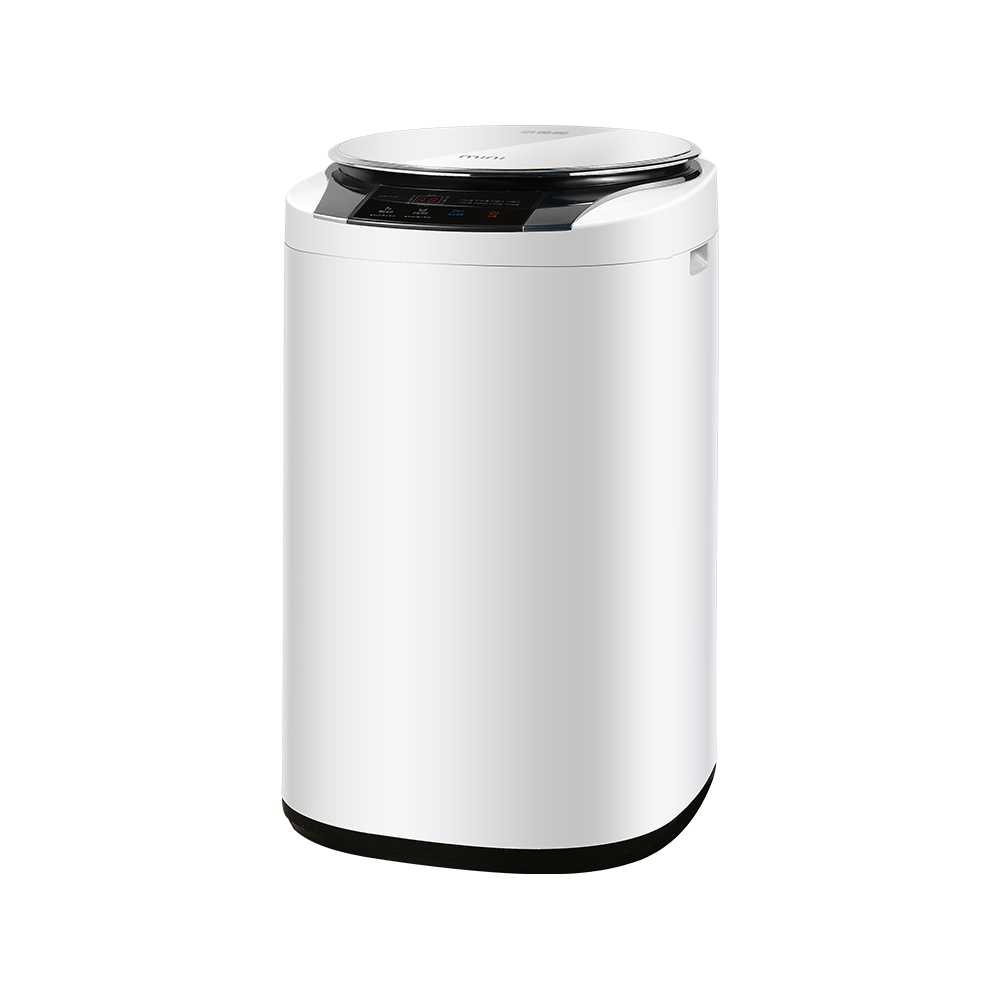
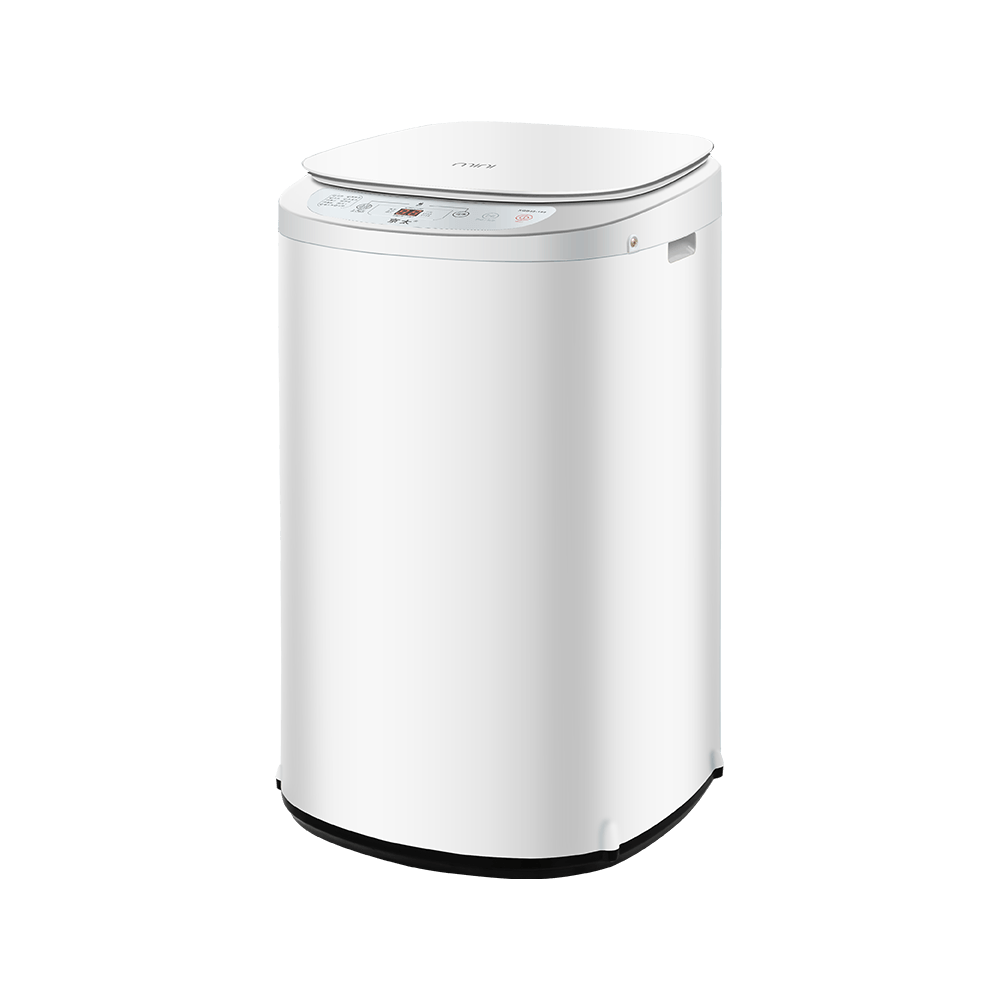
Achieving absolute institutional sanitization, deep structural allergen neutralization, and uncompromising fabric decontamination relies completely on the integration of a commercial-grade fully automatic high temperature washing machine. Implementing precision-regulated, multi-stage thermal wash profiles allows laundry infrastructure to destroy pathogen loads up to a verified 99.999% microbial reduction threshold without requiring aggressive, fiber-damaging chemical bleaches. These advanced appliances achieve dual-purpose efficiency by combining closed-loop electronic temperature monitoring with automated fluid-dosing logistics, forming an indispensable line of defense for medical cleanrooms, commercial care centers, and high-performance residential facilities.
The defining characteristic of a high temperature commercial or domestic laundry processor is its capability to rapidly escalate and stabilize water temperatures up to 90°C to 95°C. This process requires heavy-duty heating networks paired with accurate thermal tracking systems.
Unlike conventional domestic washers that rely on low-wattage copper heating loops, high-temperature sanitizing washers deploy high-capacity dual or triple configurations of Incoloy-sheathed tubular immersion heaters. Incoloy, a specialized superalloy composed of nickel, iron, and chromium, delivers excellent structural resistance to prolonged thermal cracking, pitting, and scaling in mineral-heavy hard water environments:
To hold water temperatures within a tight ±0.5°C tolerance limit, the control computer uses Negative Temperature Coefficient (NTC) thermistors immersed directly inside the lower sump reservoir. As the fluid heats up, the electrical resistance of the NTC sensor drops in a highly predictable non-linear curve.
The central microprocessor continuously tracks this resistance value against calibrated system parameters. If the temperature slips due to the introduction of cold chemical flushes, the controller engages solid-state relays to re-energize the heating elements. This real-world tracking eliminates the large temperature swings common in mechanical bi-metal thermostats, ensuring the wash bath stays consistently within the target thermal sanitization zone.
Washing with water near boiling temperatures alters the physical mechanics of stain removal and cellular breakdown. High thermal energy accelerates chemical reactions, causing rapid dissolution of organic matter that would remain unyielding in cold or warm water.
At temperatures exceeding 82°C, the structural proteins and lipopolysaccharide membranes that form the protective walls of complex bacterial cells and viral envelopes undergo irreversible thermal denaturation. The heat breaks apart secondary and tertiary molecular bonds, causing the protein chains to unfold and clump together irregularly.
This structural collapse instantly neutralizes resistant hospital pathogens likeClostridioides difficile, Methicillin-ResistantStaphylococcus aureus(MRSA), and persistent viral strains. Maintaining a stable 90°C wash temperature for a continuous 10-minute cycle provides physical sterilization that meets international healthcare hygiene standards without relying heavily on hazardous chemical additives.
Heavy industrial soils, animal fats, grease deposits, and sebum lipids have high melting thresholds that make them difficult to remove in cold water wash loops. Elevating the wash fluid temperature above 60°C to 75°C melts these complex lipids, shifting them from thick, sticky solids into highly fluid liquid states:
To assist engineering teams, facilities managers, and system designers during asset procurement phases, the following matrix compares the physical parameters and performance limits of different high-temperature washing machines.
| Engineering Parameter | Commercial High-Temp Appliance | Heavy Industrial Barrier Washer | Premium Light-Pro Processor |
|---|---|---|---|
| Peak Fluid Temperature | 90°C – 95°C | 95°C to 98°C (Steam Injection) | 90°C |
| Dry Dry Load Capacity Weight | 10 – 15 kg | 30 to 120 kg (Mass Throughput) | 7 – 9 kg |
| Maximum Extraction Spin G-Force | 400 – 450 G | 350 – 400 G | 500 G (Ultra-High Dewatering) |
| Total Heating Assembly Wattage | 4,800 – 6,000 W | 18,000 to 54,000 W (Steam Coupled) | 2,200 – 3,000 W |
| Drum Metallurgy Classification | Grade 304 Stainless Steel | Grade 316 Titanium-Stabilized | Grade 304 Polished Stainless |
| Dynamic Out-of-Balance Isolation | 3D Accelerometer Matrix | Pneumatic Air Suspension Bags | Friction Struts + Counterweights |
Operating a laundry cylinder filled with near-boiling water spinning at high velocities introduces severe physical challenges. High temperatures cause materials to expand, soften gaskets, and accelerate chemical wear, requiring robust structural engineering solutions.
Standard mild steels or basic polymers will quickly warp or degrade under constant high-temperature cycles. Professional high-temperature washing machines construct their inner spinning drums and outer tub housings from high-spec Grade 304 or titanium-stabilized Grade 316 stainless steel.
Adding titanium and higher percentages of nickel to the steel matrix prevents chromium carbide precipitation during manufacturing welds. This treatment protects the drum against intergranular stress corrosion caused by hot, alkaline solutions, ensuring the smooth, laser-perforated drum surface will not crack or catch delicate fabrics even after thousands of heavy wash cycles.
Standard door gaskets and shaft seals made from Nitrile or low-grade EPDM rubber degrade rapidly when exposed to 95°C water mixed with alkaline detergents, becoming soft and sticky before cracking. High-temperature washers prevent leaks by using premium fluoropolymer compounds like Viton or high-grade silicones.
The main drive shaft seal features a spring-loaded dual-lip design. The primary lip keeps the hot, chemical-laden wash water securely inside the tub, while the secondary lip acts as a safety barrier, preventing escaping steam from reaching the heavy-duty lubricated bearings. This containment keeps the main bearings dry and prevents premature breakdown of the structural bearing grease.
Modern fully automatic sanitizing washers rely on intelligent fluid management systems to optimize performance, adapting resource use to protect fabrics while maximizing efficiency.
To prevent chemical accidents and ensure consistent wash results, industrial washers use automated multi-channel peristaltic dosing pumps instead of manual powder dispensers. The electronic controller manages these pumps via digital step protocols:
Transitioning from a 95°C wash phase to a high-speed extraction cycle requires precise drum velocity control. Modern high-temperature washers manage this transition using three-phase induction motors controlled by variable-frequency vector drives.
Before ramping up to high-speed spin modes, the machine runs a slow redistribution cycle while monitoring data from internal 3D accelerometers. If the fabric clumps together unevenly, creating an out-of-balance load, the drive motor stops and reverses direction to re-align the garments. This dynamic balancing step prevents excessive structural vibrations, protecting the machine's suspension springs and dual shock absorbers from damage.
Regular maintenance and clear diagnostic protocols are essential to ensure high-temperature washing machines operate safely and efficiently over a long service life.
A common field issue occurs when the machine aborts the wash cycle mid-stream and flashes a heating fault code on the display panel. This safety lockout triggers if the computer notices the water temperature fails to rise by a minimum of 4°C over a continuous 15-minute heating window.
To resolve this issue, maintenance technicians check the system using a systematic diagnostic sequence:
Draining 95°C water directly into standard municipal PVC sewer lines is illegal in many regions because the extreme heat can soften, melt, and warp plastic pipes, leading to structural leaks. High-temperature washers prevent this damage by integrating an automated cool-down step into their drain logic.
Before opening the primary drain valve, the machine opens its cold water inlet valve, mixing cold water directly into the hot wash liquor for 3 to 5 minutes. This step drops the effluent temperature safely below 60°C to protect plumbing infrastructure while preventing thermal shock wrinkles from locking into synthetic uniform fabrics.
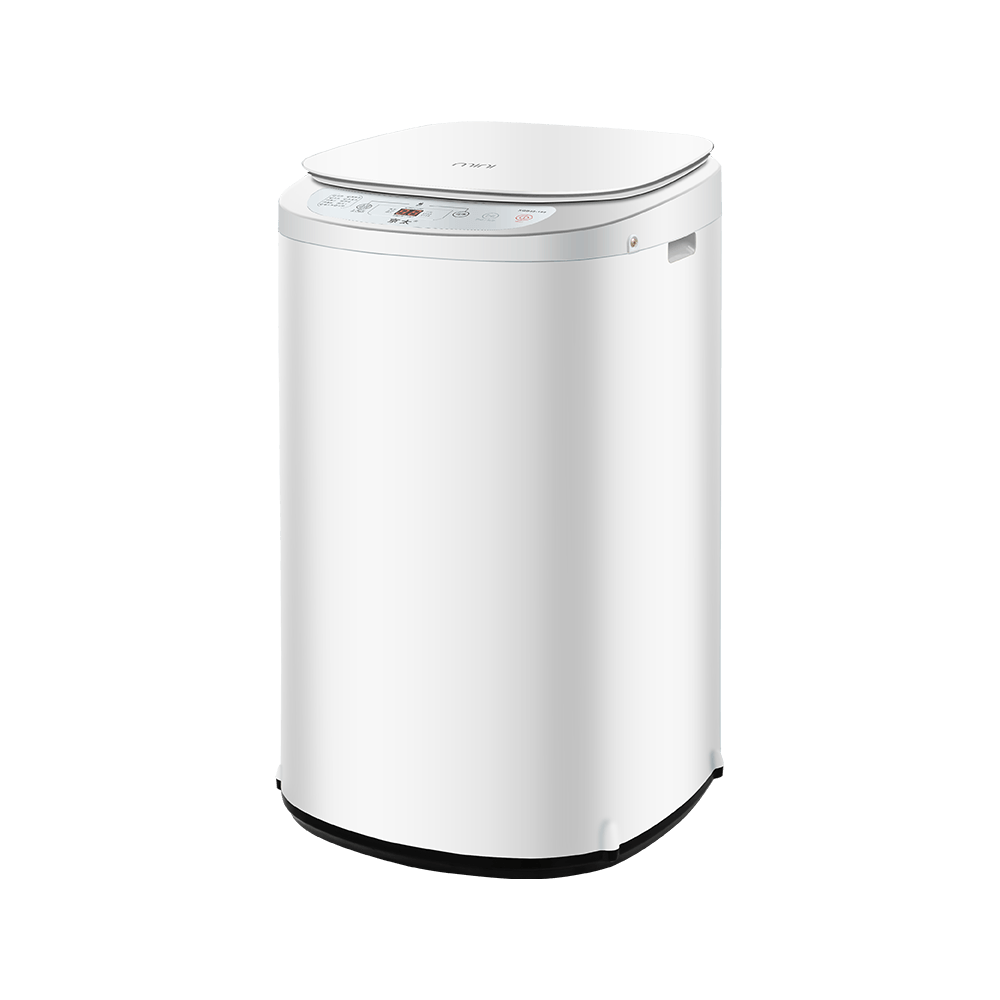
XQB45-188HM[Large capacity design to meet family needs]The 4... View More
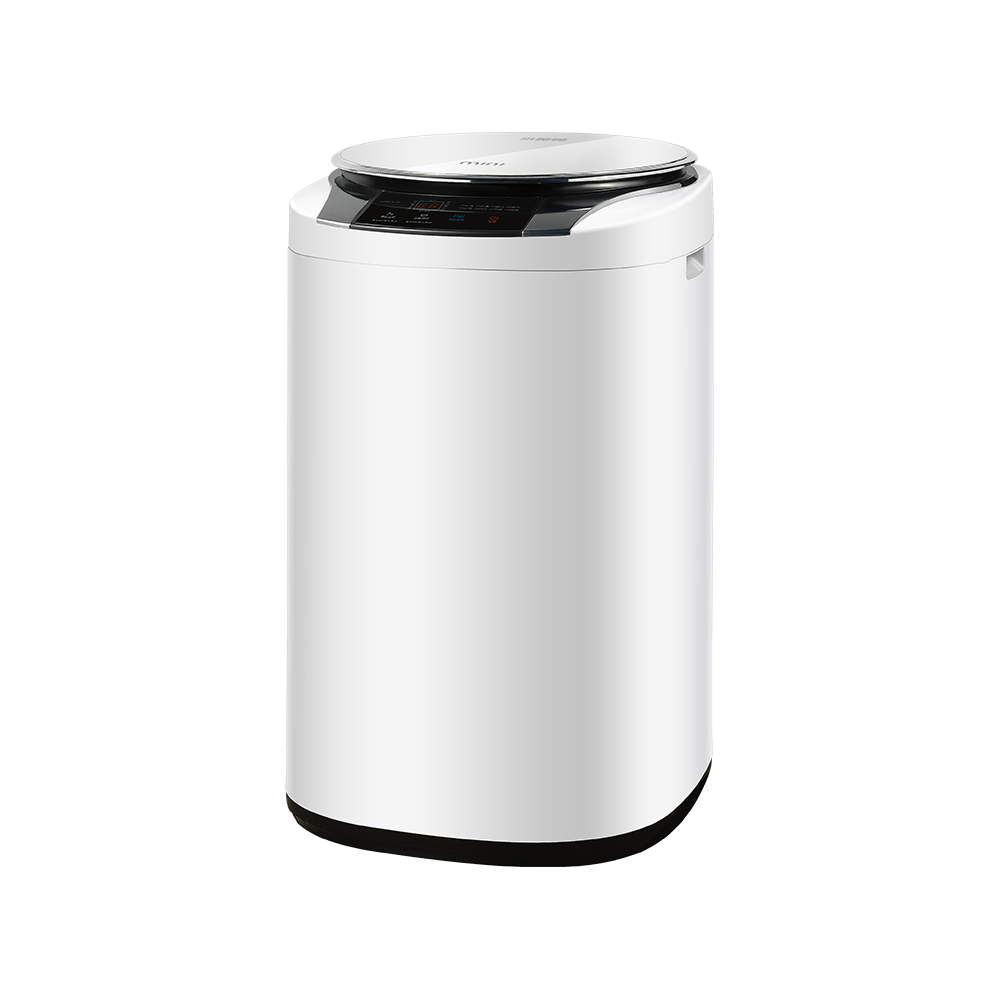
XQB35-166HM[Fashionable watch appearance, elegantly integrat... View More

XQB35-188HMThis washing machine is based on innovative high-... View More
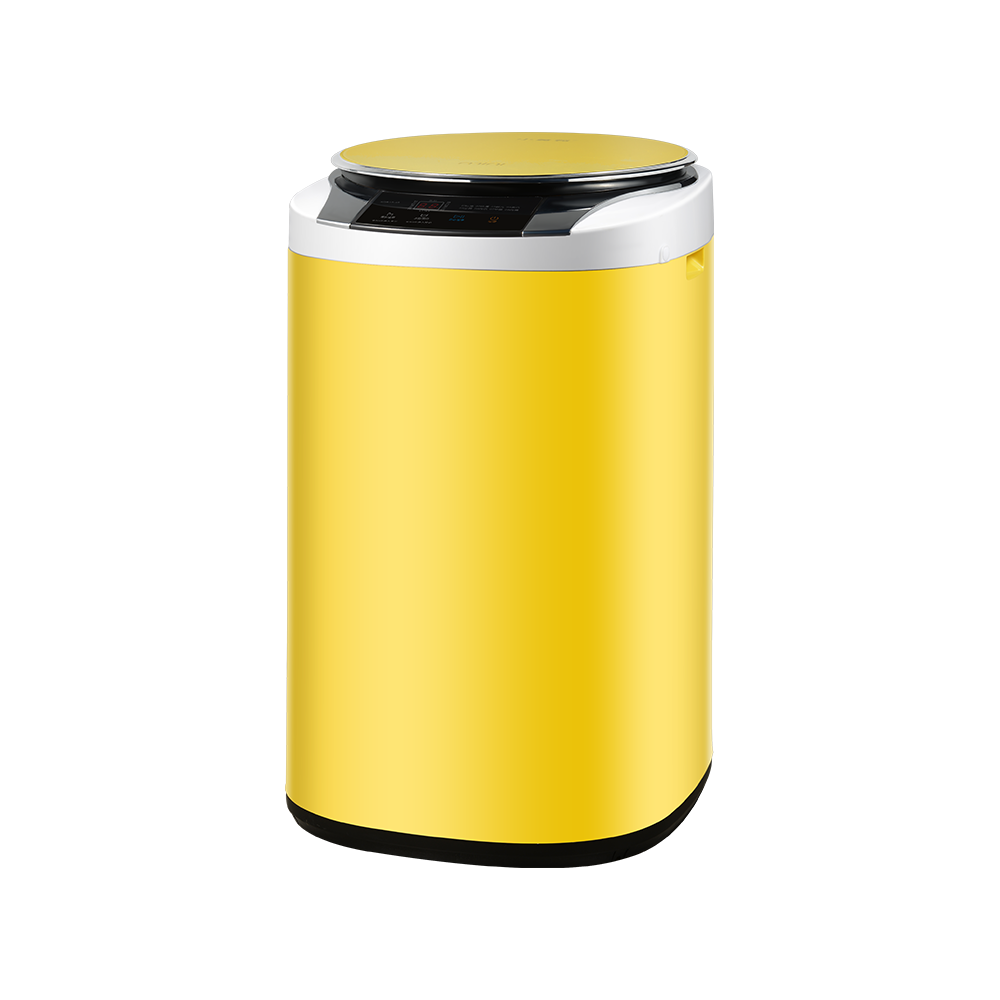
XQB35-655MLeading a new trend of healthy washing, integratin... View More

 Add: No.27 Hongwei Road, East Industrial Park, Guanhaiwei Town, Cixi City, Zhejiang Province, China
 Tel: +86-18520338190
 Tel: 400-8488-955
 Email: [email protected]
Copyright © Ningbo Zhijie Little Yellow Duck Electric Appliance Co., Ltd. All Rights Reserved.

Wholesale Fully Automatic Home Laundry Machine Manufacturers

 English
 عربى
عربى