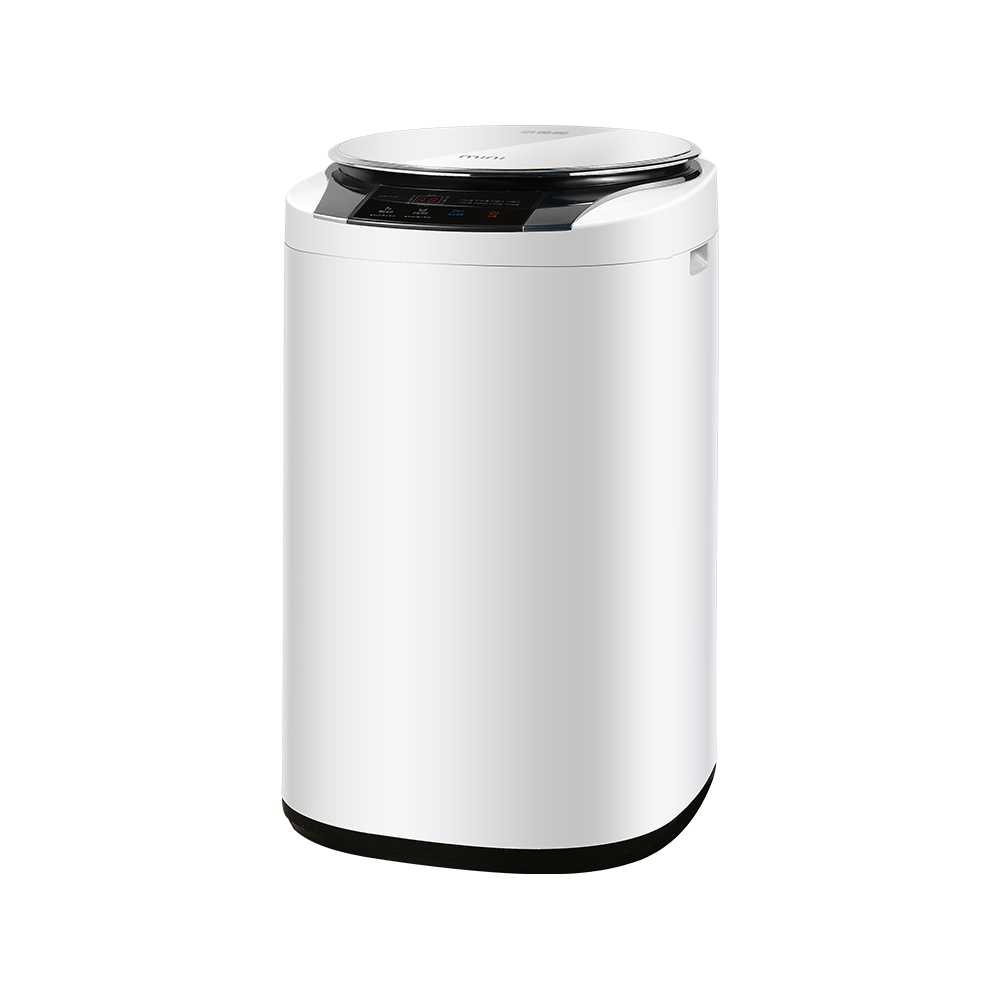
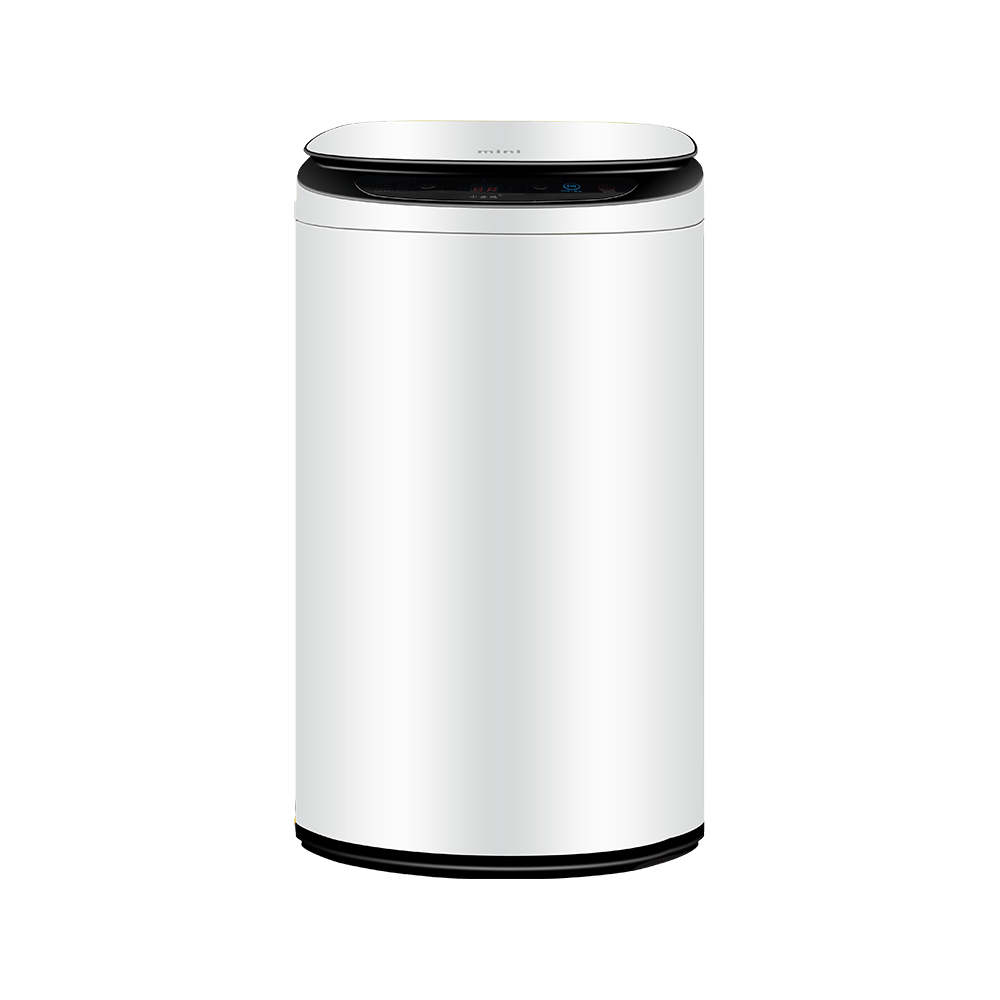
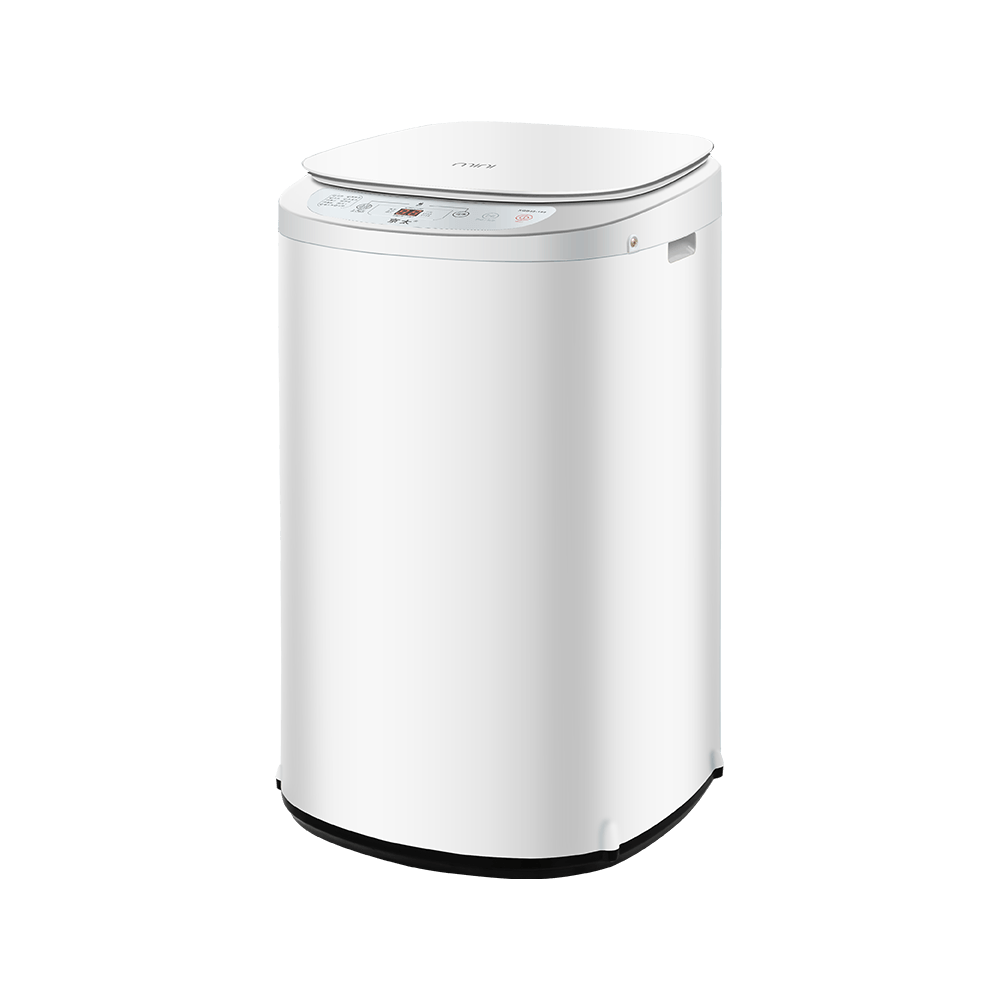
A specialized baby gentle washing and drying machine represents a crucial engineering advancement designed to protect the highly vulnerable skin barrier of infants while ensuring complete biological decontamination. **Standard residential laundry systems fail to safeguard infant health because their aggressive mechanical agitation compromises delicate fabric fibers, and their standard rinse cycles leave behind toxic chemical residues.** Infant skin is up to 30% thinner than adult skin, possessing a significantly lower lipid content and an underdeveloped stratum corneum. This structural vulnerability means that even minor exposures to residual alkaline detergents, dust mites, or fungal spores can trigger severe atopic dermatitis, systemic contact allergens, and respiratory distress. By integrating precision thermodynamic controls, multi-stage filtration networks, and hyper-targeted mechanical drive algorithms, these specialized machines provide the sterile, friction-free garment environment required for pediatric health.
Industrial health studies indicate that standard wash programs routinely leave behind detergent surfactants that cause the pH of organic cotton textiles to spike from a skin-neutral 5.5 up to an alkaline 8.5. This pH shift disrupts the acid mantle of infant skin, paving the way for bacterial colonization by pathogens such as Staphylococcus aureus. A dedicated baby gentle washing and drying machine addresses this problem directly through low-thermal steam sanitization cycles combined with continuous freshwater rinse profiles. This process completely breaks down complex bio-allergens—including breast milk proteins, fecal enzymes, and saliva residues—without subjecting micro-woven fabrics to the high-friction abrasion that leads to surface pilling and structural fiber degradation.
Preserving the tactile structural integrity of organic bamboo, muslin, and fine-knit cotton requires a radical departure from the harsh mechanical agitation seen in conventional washing drums. The engineering architecture of an infant care machine focuses heavily on minimizing fabric-to-fabric and fabric-to-drum shear stresses.
Traditional belt-driven washing mechanisms generate uneven, jerky acceleration curves that stretch and snap fine organic threads. Advanced baby gentle washing and drying machines utilize a permanent-magnet direct-drive inverter motor connected directly to the rear shaft of the drum. **This direct-drive assembly enables rotational speed control precision down to +/- 1 RPM**, allowing the machine to execute micro-motions. These include cradle washes, wave simulation, and gentle tumbling profiles that drop clothes precisely at the apex of rotation, eliminating the tearing forces caused by aggressive high-speed directional changes.
The internal stainless-steel drum surface features a microscopic pillow-shaped texturing array rather than standard recessed perforations. **The water drainage holes are engineered to be 60% smaller than conventional 3.0 mm industrial standards**, measuring just 1.2 mm in diameter. This prevents thin infant garments from being forced into the drainage holes during high-velocity centrifugal extraction. The design minimizes the yarn snagging and structural deformation that can roughen fabrics and create abrasive contact points against sensitive newborn skin.
Sanitizing baby clothing requires balancing high thermal energy to destroy pathogens with a gentle touch to avoid melting elastane threads or shrinking organic fibers. Achieving this balance requires precise multi-phase water heating and vapor injection systems.
Organic stains unique to infants, such as milk fats and biological proteins, bind strongly to natural cotton fibers. To break these bonds safely without using aggressive industrial chemical bleaches, the machine operates an initial wash phase at a targeted temperature of 40°C. This temperature maximizes the stain-dissolving performance of natural, hypoallergenic plant-based enzymes without warping or shrinking the textile base.
Following the enzyme wash phase, the internal system injects low-pressure saturated steam directly into the drum cavity, raising the baseline core fabric temperature to **a steady 60°C for a continuous duration of 30 minutes**. This thermal profile satisfies global pediatric sanitation standards, achieving a **99.99% reduction in common household bacteria, dust mites, and fungal spores**. By relying on vapor injection rather than boiling water immersion, the machine prevents fabric shrinking and structural warping, keeping garments soft and plush.
To ensure no detergent traces remain, the rinse profile utilizes up to five continuous fresh-water spray-and-spin sequences. Integrated optical sensors measure water turbidity and conductivity in real time. **The machine will not clear the garments for the drying phase until water conductivity matches baseline incoming freshwater specs**, ensuring complete extraction of surfactants and skin-irritating alkaline residues.
Industrial laundry metrics highlight the functional differences between specialized baby gentle appliances and standard consumer machinery. The table below compares these parameters based on identical structural fabric loads consisting of organic cotton and bamboo knitwear.
| Engineering Parameter | Baby Gentle Washing & Drying Machine | Standard Home Washing Machine | Standard Vented Tumble Dryer |
|---|---|---|---|
| Agitation Mechanical Style | Low-shear micro-tumbling (< 35 RPM) | High-shear blade rotation (> 55 RPM) | Continuous high-impact drop tumbling |
| Drying Air Temperature Range | 45°C - 55°C (Heat Pump Technology) | N/A (Wash Only) | 70°C - 85°C (Electric Element) |
| Detergent Residue Clear Rate | > 99.8% Efficiency (Turbidity Monitored) | 82.0% - 88.5% (Timed Cycles Only) | N/A |
| Structural Fabric Shrinkage Metric | < 1.5% Total Dimensional Change | Variable depending on temperature selections | 5.0% - 8.5% (High thermal contraction) |
| Drum Micro-Hole Diameter | 1.2 mm - 1.5 mm Micro-Perforations | 3.0 mm - 4.5 mm Standard Openings | Louvered slot vents |
High heat is the primary cause of fiber stiffening, shrinking, and thread degradation in natural fabrics. Specialized gentle drying systems utilize a closed-loop refrigeration loop rather than traditional open resistance elements to protect textiles.
Instead of venting humid air out of the building while pulling in cold room air to heat over an open electric element, the machine recirculates process air inside a sealed system. Humid air from the wet laundry is passed directly over a cold evaporator coil, which quickly condenses the suspended water molecules into a collection tray. The dry air then passes across a condenser coil to warm back up to **a highly stable operating range of 48°C to 52°C** before entering the clothes drum. This gentle temperature preserves the natural moisture retention profiles of organic yarns, preventing garments from stiffening or scratching against infant skin.
Over-drying causes natural fibers to become brittle and subject to static charge accumulation. Advanced infant systems use continuous resistance sensors embedded directly in the stainless steel tumbling lifters. **These sensors sample electrical resistance 100 times per second to track moisture levels**, stopping the heating cycle the moment internal fabric moisture reaches exactly 3% to 5%. This precise cutoff protects natural fabrics from heat stress, keeping baby clothes soft without relying on chemical fabric softeners.
The drying phase presents an excellent opportunity to extract airborne particulates and loose textile fibers that could irritate an infant's upper respiratory tract. This requires multi-layered mechanical filtration networks.
Infant machines feature an integrated, high-density structural dual-mesh filter network with a micro-weave density rating of 200 mesh. As warm air flows through the drum during the drying phase, **this filter captures fine dander, loose structural fibers, and environmental dust particles that standard single-layer lint screens miss.** This high capture efficiency significantly reduces the risk of respiratory allergens and prevents skin irritation from trapped fibers.
To complement thermal sanitization, modern baby laundry machines utilize cold plasma or electrostatic ion generators within the air-circulation ducts. This system releases highly reactive hydroxyl radicals into the warm air stream during the final tumbling stages. These radicals actively break down volatile organic odors and destroy lingering pathogens at a molecular level, providing thorough sanitation without relying on harsh chemical chemical additives.
Maintaining a sanitary and hygienically sound environment inside a combination baby washing and drying machine requires regular preventive care and adherence to key operational standards.
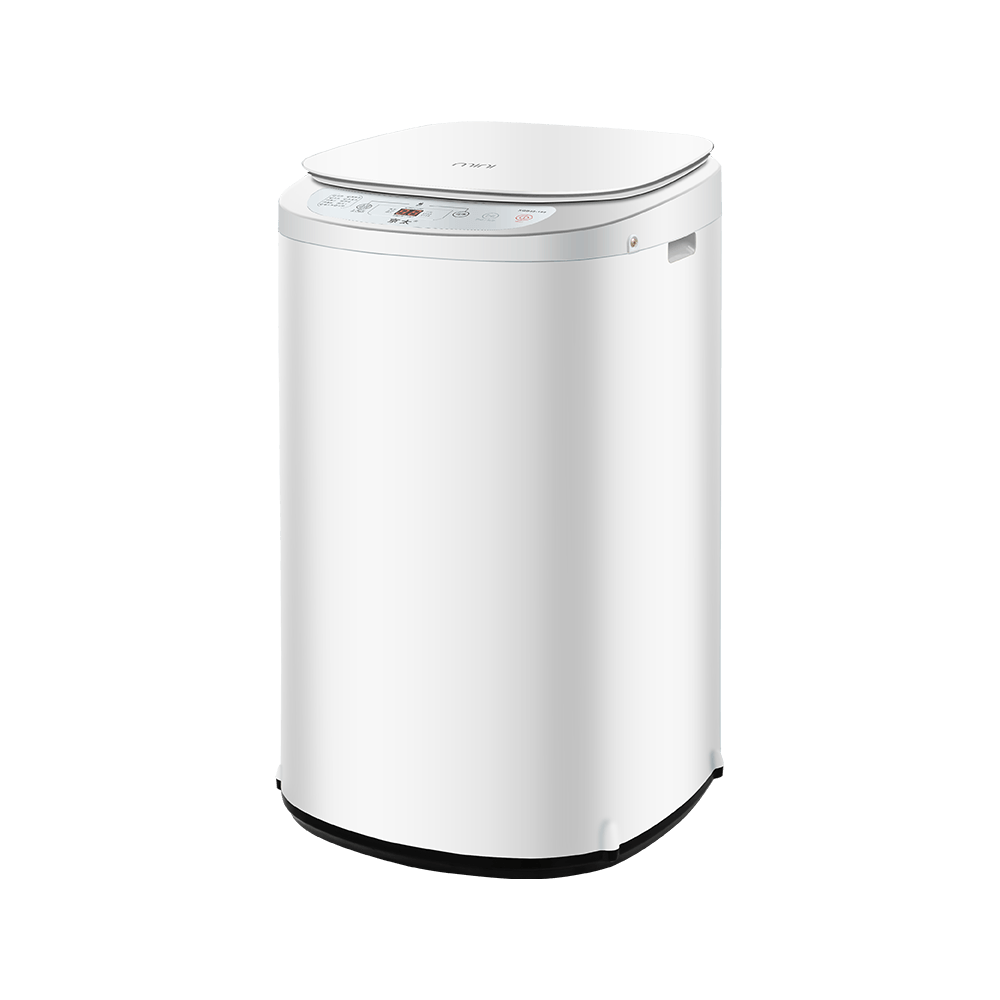
XQB45-188HM[Large capacity design to meet family needs]The 4... View More
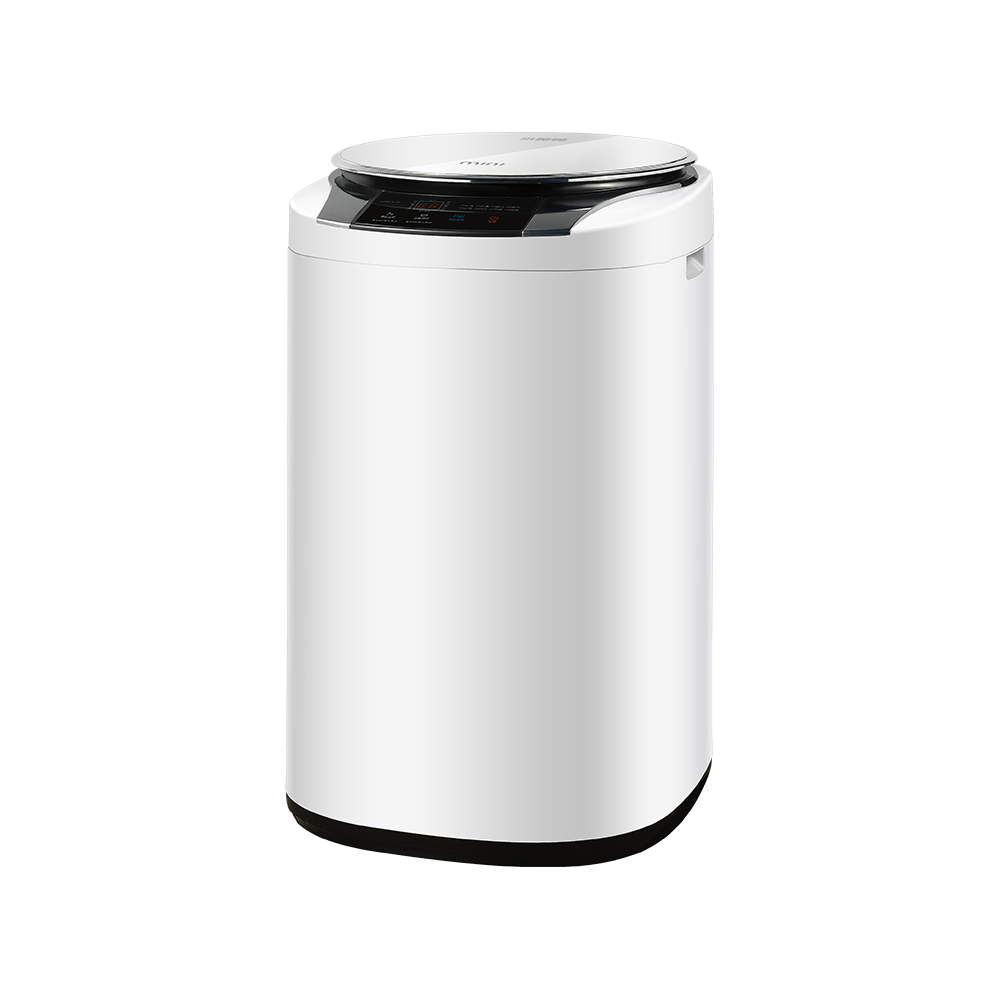
XQB35-166HM[Fashionable watch appearance, elegantly integrat... View More
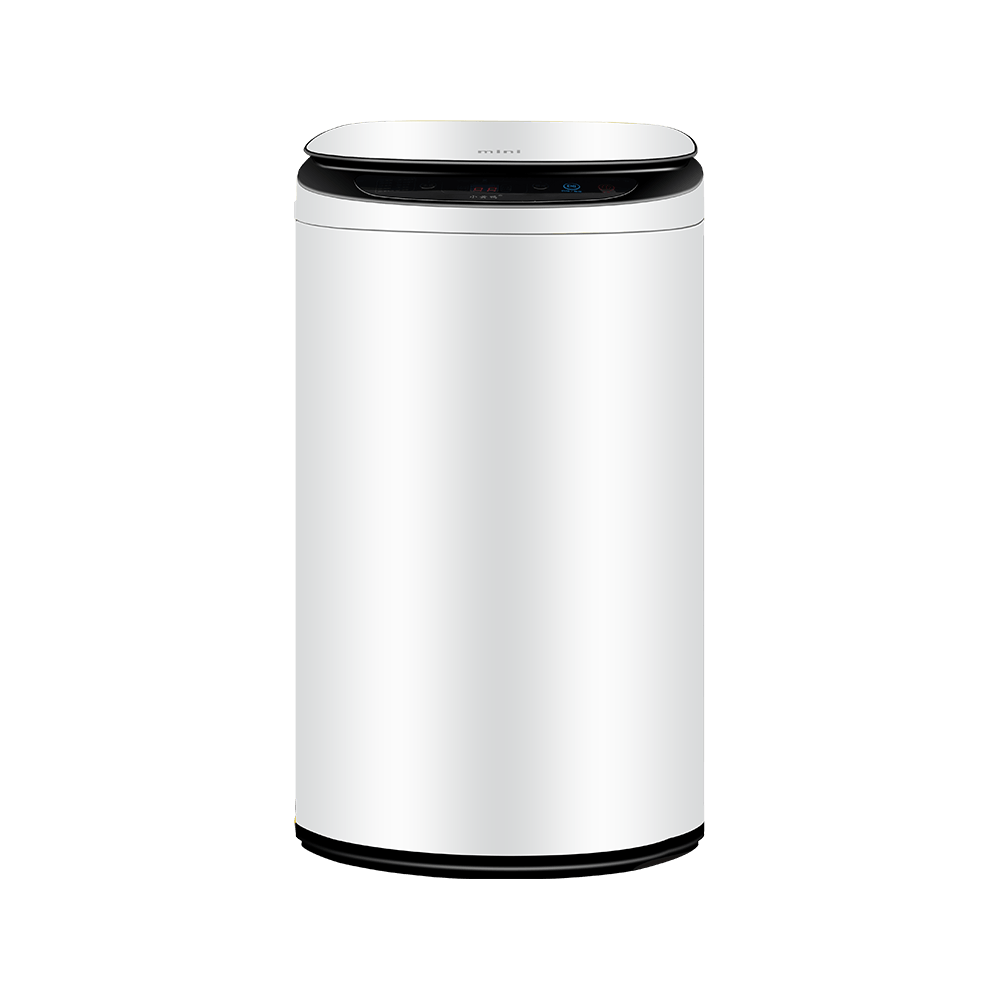
XQB35-188HMThis washing machine is based on innovative high-... View More
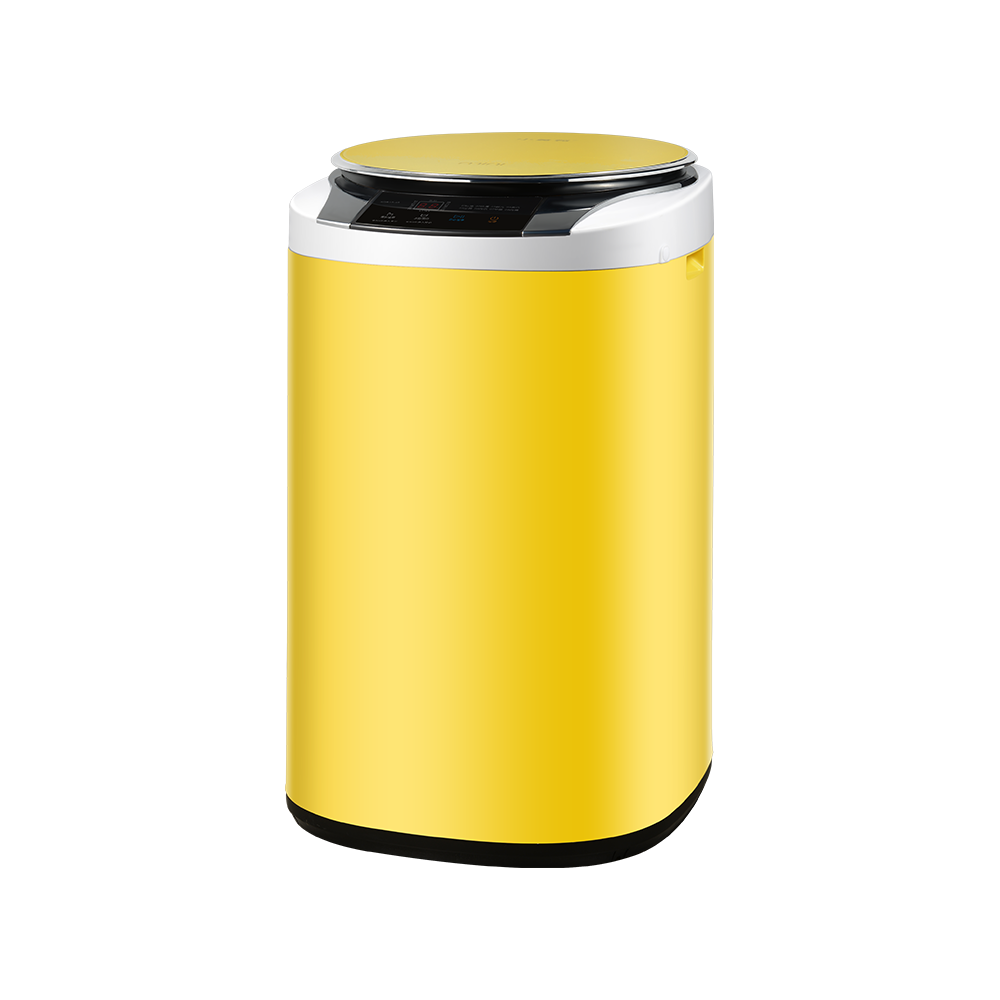
XQB35-655MLeading a new trend of healthy washing, integratin... View More

 Add: No.27 Hongwei Road, East Industrial Park, Guanhaiwei Town, Cixi City, Zhejiang Province, China
 Tel: +86-18520338190
 Tel: 400-8488-955
 Email: [email protected]
Copyright © Ningbo Zhijie Little Yellow Duck Electric Appliance Co., Ltd. All Rights Reserved.

Wholesale Fully Automatic Home Laundry Machine Manufacturers

 English
 عربى
عربى