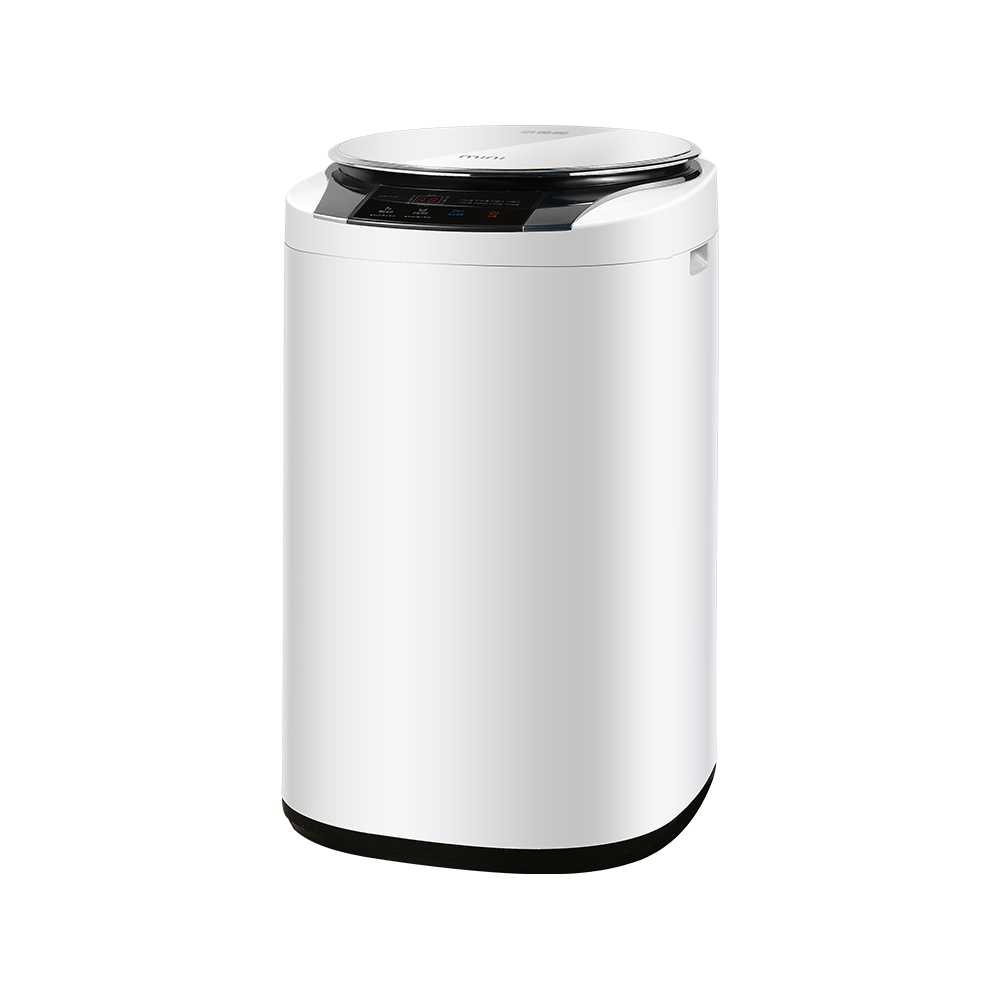
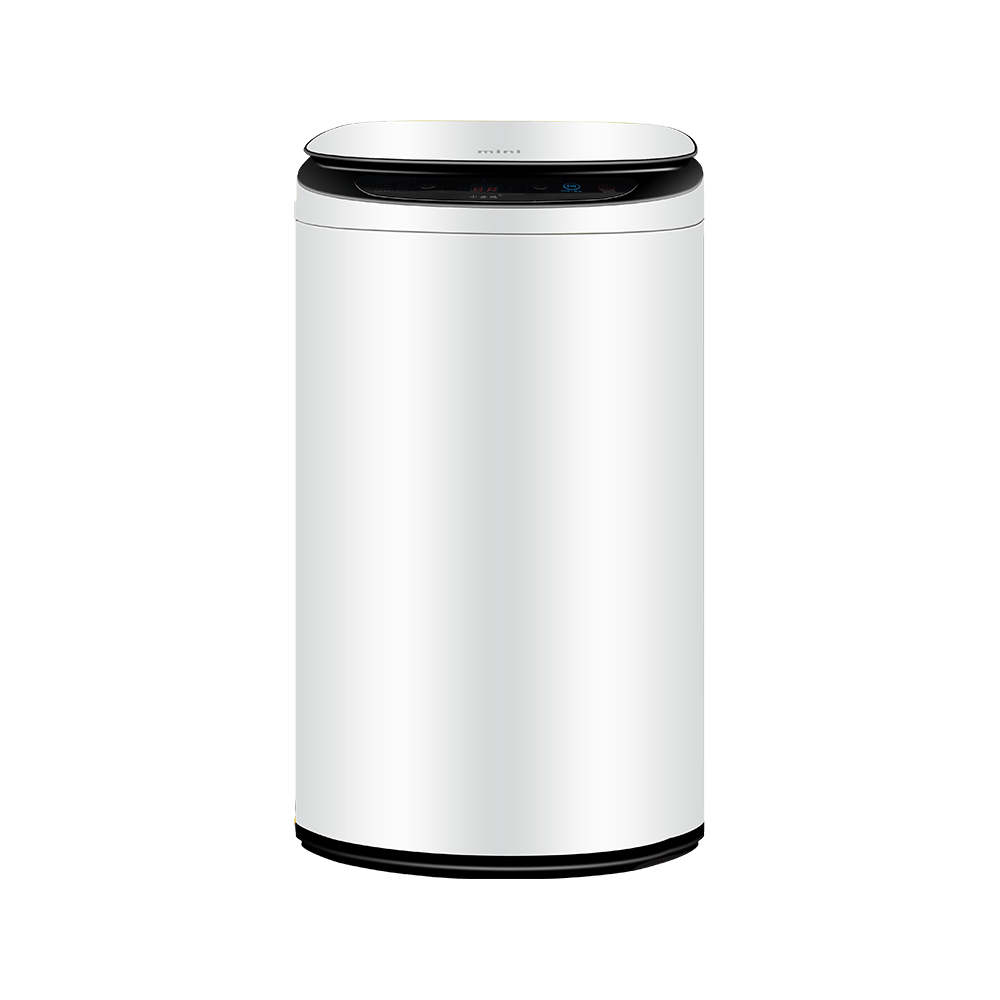
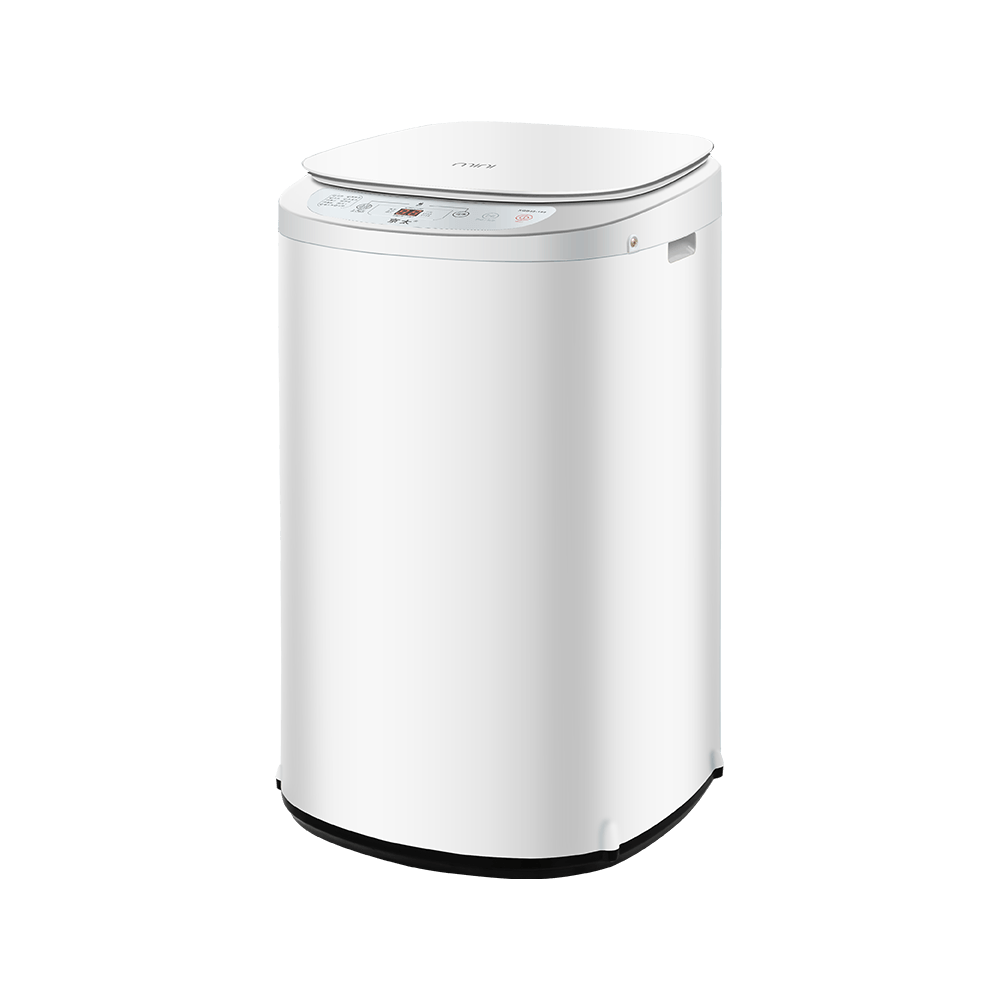
A fully automatic top load washing machine provides one of the most convenient and efficient solutions for household laundry management. These machines automate washing, rinsing, water control, and spinning within a single cycle, reducing manual effort while improving cleaning consistency. Modern systems now include intelligent sensors, energy-saving wash programs, fabric protection technology, and faster spin performance designed for busy households.
Compared with semi-automatic systems, fully automatic top load models simplify daily laundry routines by eliminating the need to transfer clothing between separate tubs. Many households prefer top-loading designs because they allow users to add clothes easily, reduce bending during operation, and support rapid washing cycles suitable for everyday use.
Advancements in motor efficiency, water optimization, and smart controls have transformed these machines into high-performance appliances capable of handling large laundry volumes while reducing utility consumption. In many residential markets, fully automatic top load washing machines now represent a major segment of home appliance demand due to their balance of affordability, durability, and ease of operation.
Consumer demand for efficient home appliances has increased significantly as households prioritize time-saving technology. Fully automatic top load washing machines are widely adopted because they simplify laundry management without requiring complicated operation.
The vertical drum design allows users to load and unload clothes from the top, minimizing strain on the back and knees. This feature is especially useful for elderly users or households performing frequent laundry cycles.
Many fully automatic top load washing machines complete standard washing programs in 35 to 60 minutes, depending on load size and selected settings. Faster cycles improve convenience for families with heavy daily laundry demands.
Top load machines generally require less installation complexity than some front-loading alternatives. Most units only need access to a water inlet, drainage outlet, and power connection.
Households with children, athletes, or large family sizes often perform multiple laundry cycles weekly. Fully automatic systems simplify repetitive washing tasks while maintaining consistent cleaning performance.
| Feature | User Benefit | Operational Impact |
|---|---|---|
| Top Loading Design | Easy access | Reduced bending effort |
| Automatic Programs | Simplified operation | Less manual work |
| Quick Wash Cycles | Faster laundry completion | Time savings |
| Integrated Spin Drying | Lower moisture retention | Shorter drying time |
| Smart Sensors | Optimized washing | Reduced water waste |
Modern fully automatic top load washing machines rely on coordinated mechanical and electronic systems to manage every stage of the laundry process. Intelligent control systems continuously monitor water levels, drum movement, washing duration, and spin speed.
Built-in sensors detect clothing weight and adjust water intake accordingly. This technology improves washing efficiency while reducing unnecessary water consumption.
Some advanced systems can reduce water usage by 20% to 30% compared with older non-sensor models.
Most top load machines use a pulsator mechanism at the bottom of the drum to create water movement that lifts and rotates clothing during washing. Improved drum patterns help reduce tangling while maintaining strong cleaning action.
High-speed spinning removes excess moisture after washing. Spin speeds commonly range between 700 and 1,200 RPM, depending on machine capacity and design.
Higher spin speeds reduce drying time, which is especially valuable in humid climates or apartments with limited ventilation.
Efficiency standards now play an important role in appliance purchasing decisions. Consumers increasingly evaluate long-term operating costs instead of focusing solely on initial purchase prices.
Modern inverter motor technology improves energy efficiency by adjusting motor speed according to load conditions. Compared with conventional motors, inverter systems may reduce electricity consumption by 15% to 40%.
Automatic sensing technology helps prevent excessive water use during small loads. Multiple rinse options also allow users to customize water usage according to fabric requirements.
Eco-friendly wash modes operate at lower energy levels while maintaining cleaning performance through optimized drum movement and longer soak times.
| Technology | Primary Function | Potential Savings |
|---|---|---|
| Inverter Motor | Variable motor speed | Lower power consumption |
| Load Sensors | Automatic water adjustment | Reduced water use |
| Eco Programs | Optimized washing cycles | Balanced efficiency |
| High-Speed Spin | Moisture extraction | Faster drying |
Consumers increasingly expect washing machines to clean effectively without damaging delicate fabrics. Modern fully automatic top load washing machines now include specialized wash programs designed for different textile types.
Delicate fabrics such as wool, silk, and sportswear require lower agitation levels. Gentle wash settings reduce drum intensity while maintaining adequate cleaning performance.
Improved drum movement patterns help minimize clothing twisting and knotting during operation. Reduced tangling also simplifies unloading and drying.
Integrated lint filters capture loose fibers and debris during washing. Effective filtration improves cleaning results and prevents particles from reattaching to fabrics.
Enhanced structural stability reduces vibration and noise during high-speed spinning. Soft-close lids also improve user safety and reduce accidental damage during operation.
Choosing the correct washing machine capacity improves washing efficiency and prevents overloading. Capacity requirements depend heavily on household size and laundry frequency.
Machines between 6 and 7 kilograms are commonly suitable for individuals or couples performing moderate weekly laundry loads.
Households with three to five members often benefit from capacities ranging between 7 and 9 kilograms.
Machines above 10 kilograms support heavy bedding, curtains, and large-volume laundry applications. Larger drums also reduce the number of cycles required each week.
| Household Size | Recommended Capacity | Typical Usage |
|---|---|---|
| 1–2 People | 6–7 kg | Regular clothing loads |
| 3–5 People | 7–9 kg | Mixed weekly laundry |
| Large Families | 10 kg and above | Heavy and bulky fabrics |
The integration of digital technology has expanded the functionality of fully automatic top load washing machines. Smart systems improve convenience, maintenance monitoring, and operational customization.
Touch-sensitive interfaces and LED displays simplify program selection and cycle monitoring. Users can easily adjust water levels, rinse settings, and spin intensity.
Delayed operation settings allow users to schedule wash cycles according to electricity pricing or daily routines.
Built-in diagnostic systems identify operational issues such as water supply interruptions, drainage problems, or unbalanced loads. Early error detection reduces maintenance risks.
Advanced suspension systems and inverter motors reduce operational noise, improving suitability for apartments and shared living spaces.
Proper maintenance significantly improves washing machine durability and washing performance. Even high-quality machines require routine cleaning and inspection to operate efficiently over time.
Residue from detergent, fabric softener, and dirt may accumulate inside the drum over time. Monthly cleaning cycles help prevent odor formation and bacterial buildup.
Blocked inlet filters may reduce water flow efficiency and extend wash times. Periodic inspection improves stable machine operation.
Excessive laundry loads increase motor strain and reduce cleaning effectiveness. Maintaining recommended load limits improves long-term reliability.
Allowing airflow inside the drum helps reduce moisture retention and prevents mildew development between cycles.
The fully automatic top load washing machine industry continues evolving through energy optimization, intelligent automation, and improved user convenience. Manufacturers increasingly focus on reducing resource consumption while improving washing performance.
Artificial intelligence systems are beginning to analyze load size, fabric type, and dirt levels automatically to optimize washing conditions without manual adjustment.
Future systems may include advanced filtration technologies capable of partially reusing rinse water for improved sustainability in water-sensitive regions.
High-temperature sanitation cycles and antibacterial drum materials are becoming increasingly important in households focused on hygiene management.
As households continue prioritizing convenience, efficiency, and fabric protection, fully automatic top load washing machines are expected to remain one of the most widely adopted laundry appliance categories in residential markets worldwide.
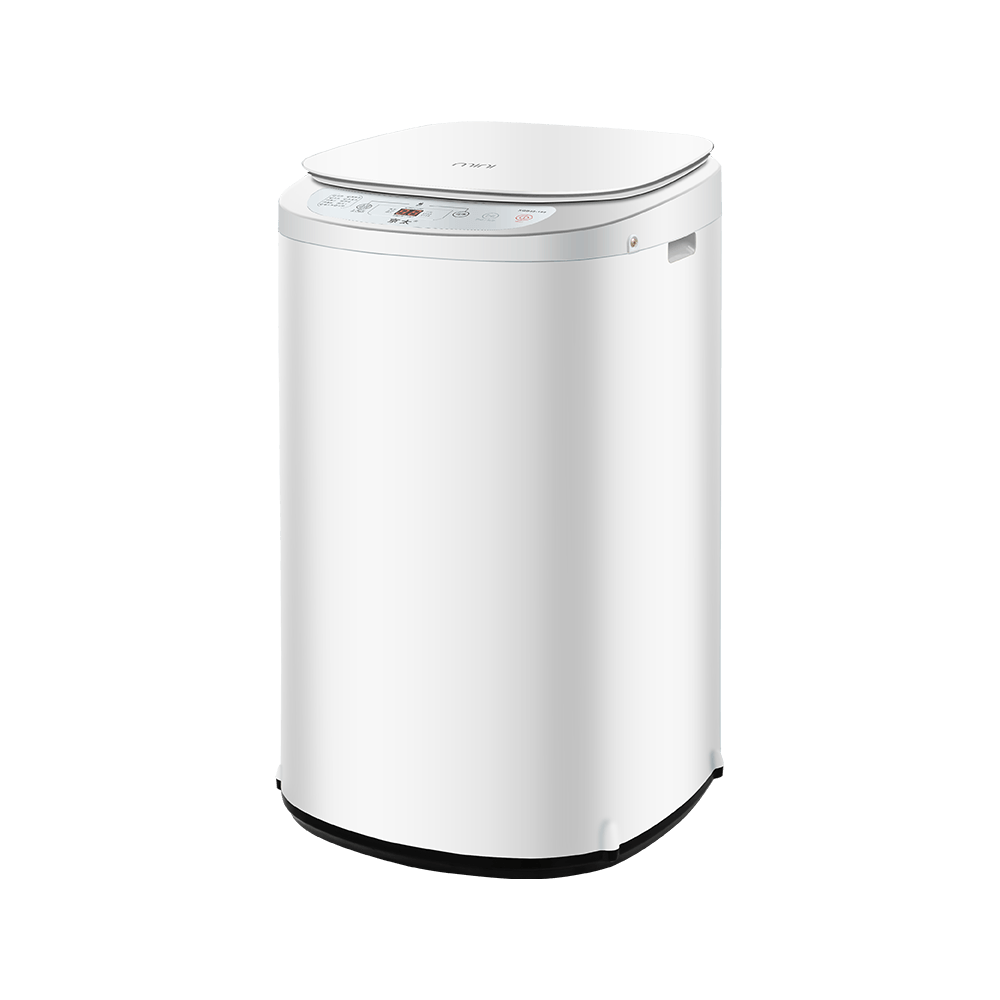
XQB45-188HM[Large capacity design to meet family needs]The 4... View More
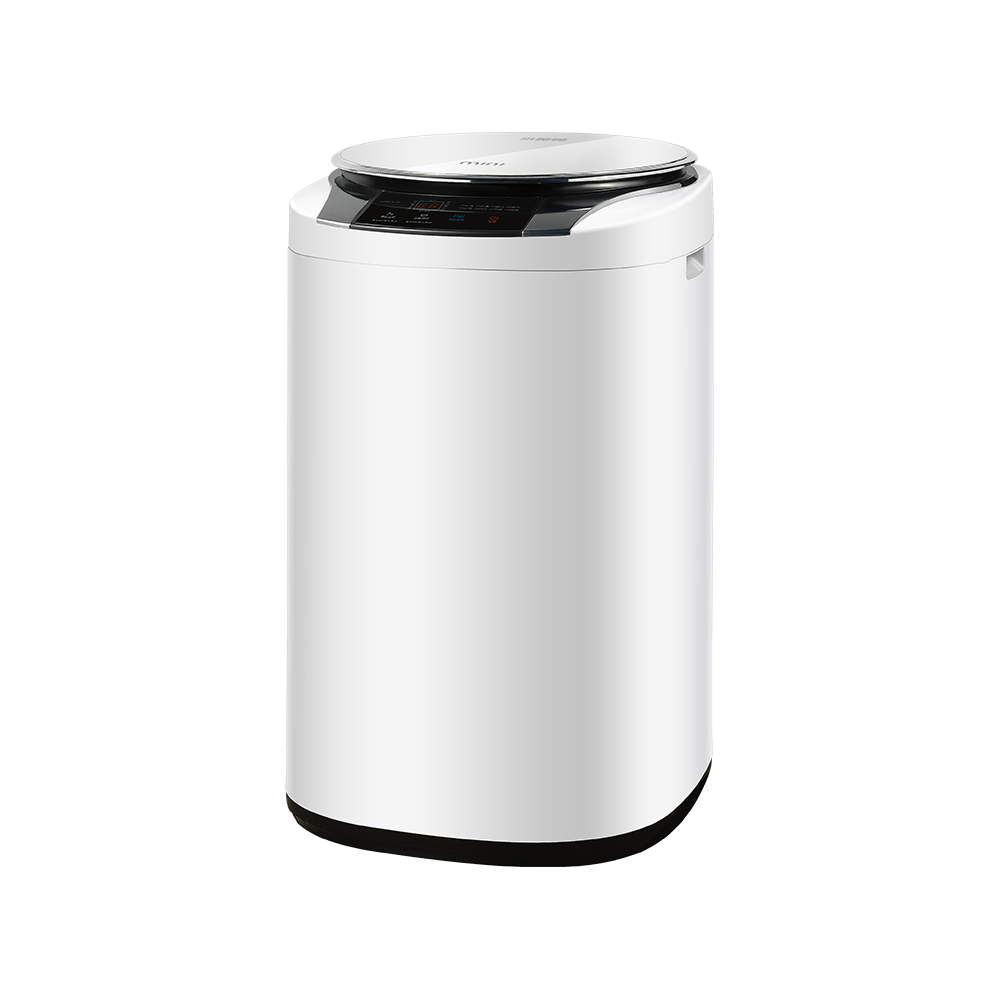
XQB35-166HM[Fashionable watch appearance, elegantly integrat... View More
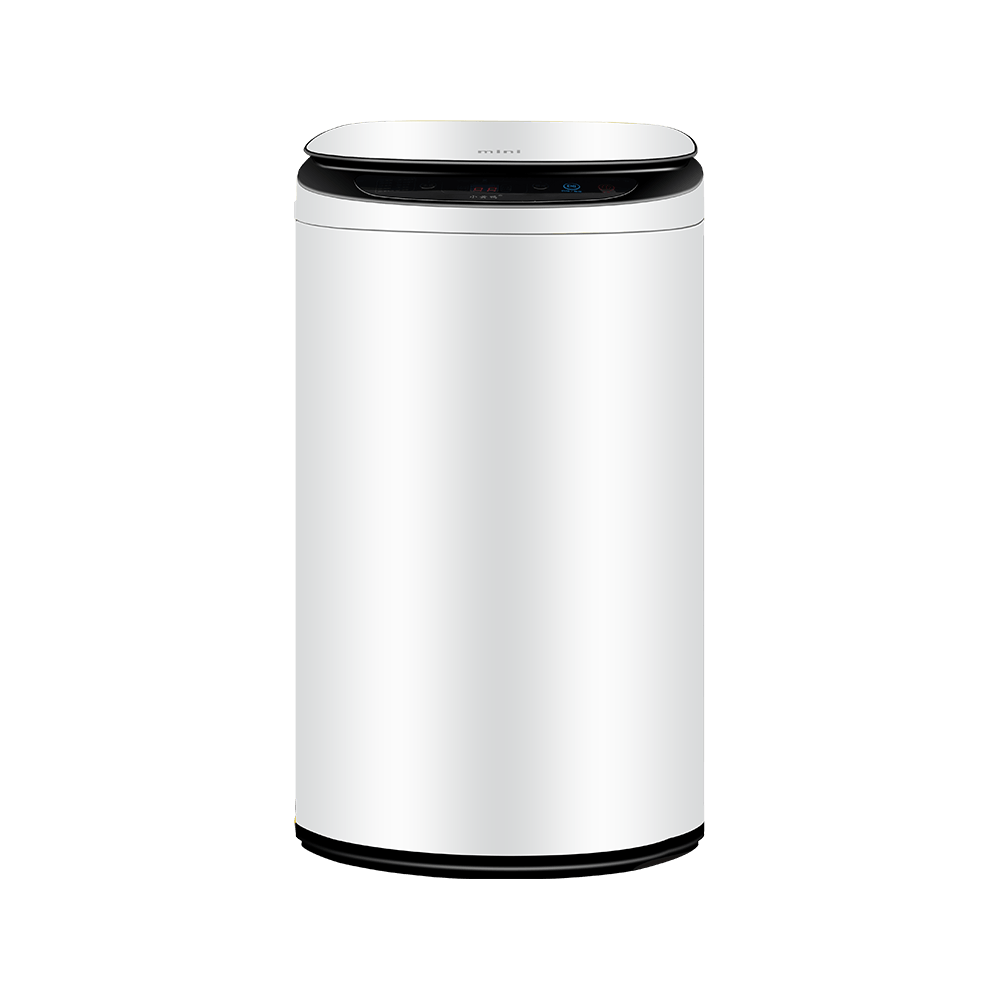
XQB35-188HMThis washing machine is based on innovative high-... View More
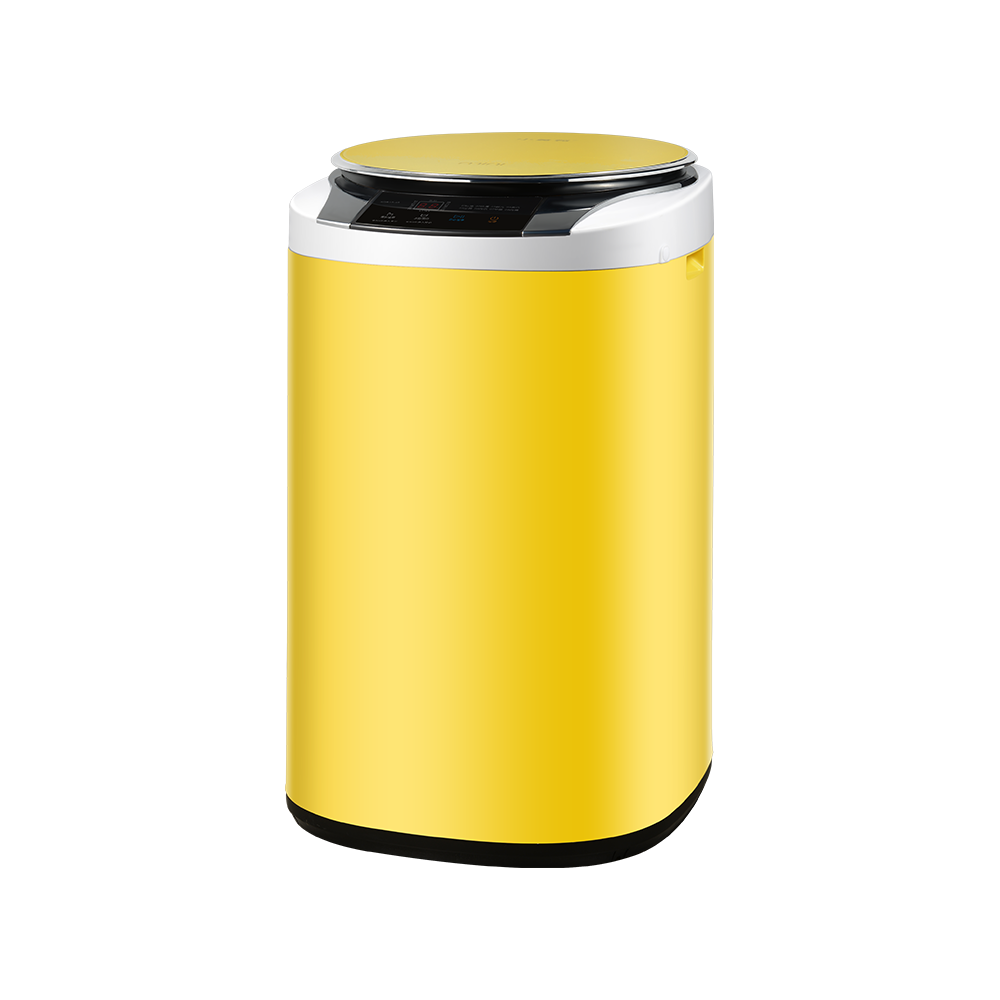
XQB35-655MLeading a new trend of healthy washing, integratin... View More

 Add: No.27 Hongwei Road, East Industrial Park, Guanhaiwei Town, Cixi City, Zhejiang Province, China
 Tel: +86-18520338190
 Tel: 400-8488-955
 Email: [email protected]
Copyright © Ningbo Zhijie Little Yellow Duck Electric Appliance Co., Ltd. All Rights Reserved.

Wholesale Fully Automatic Home Laundry Machine Manufacturers

 English
 عربى
عربى