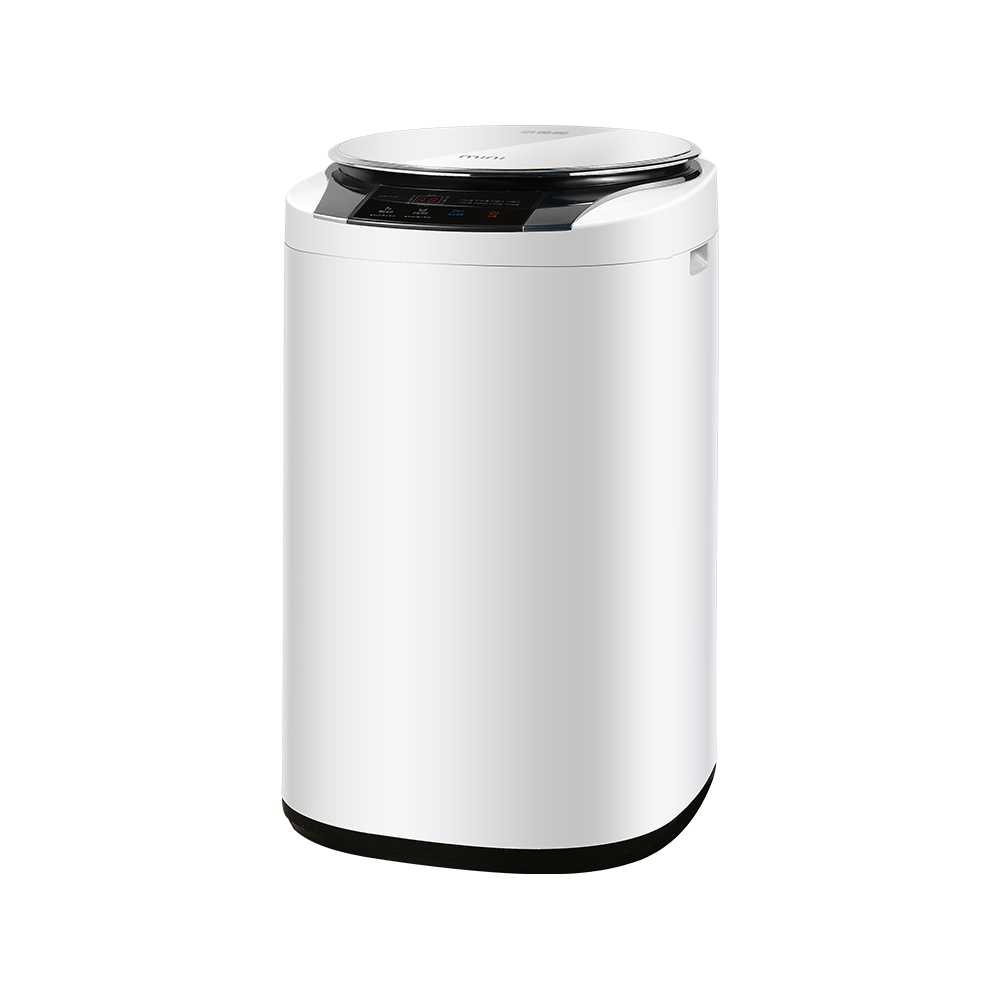
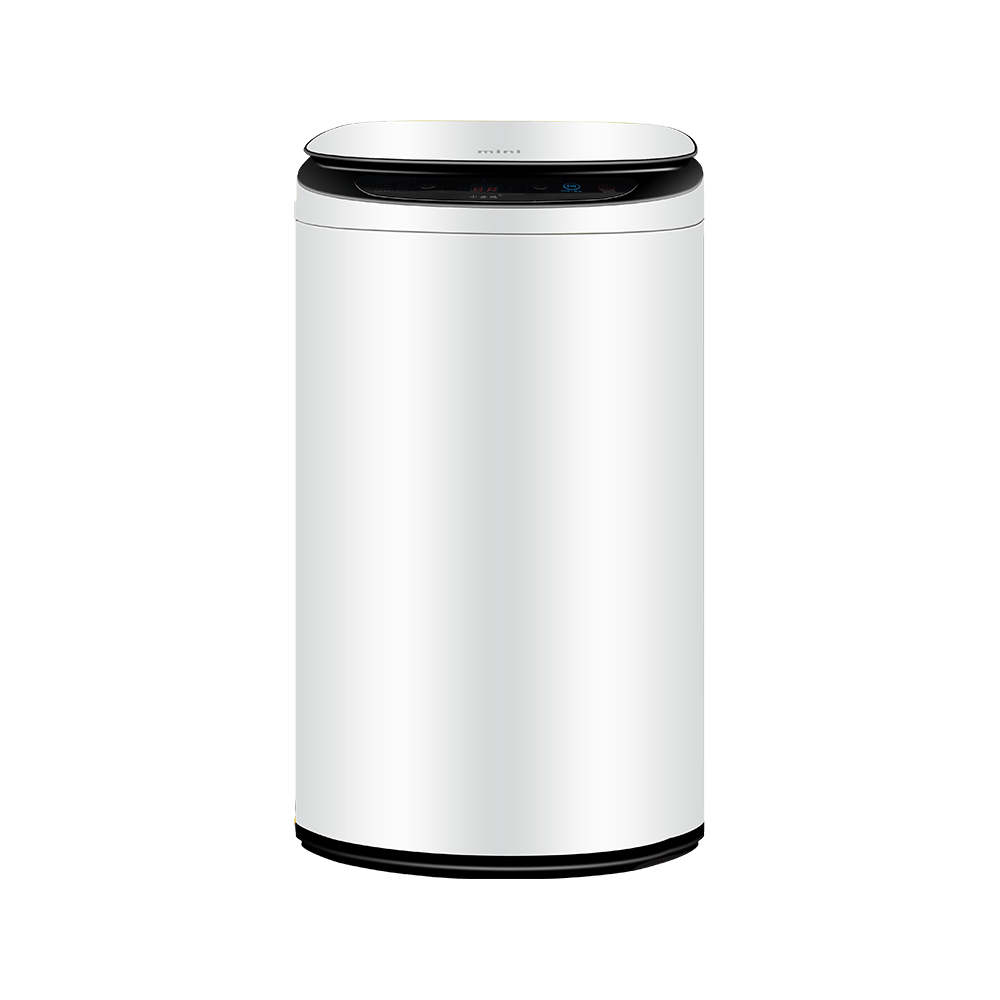
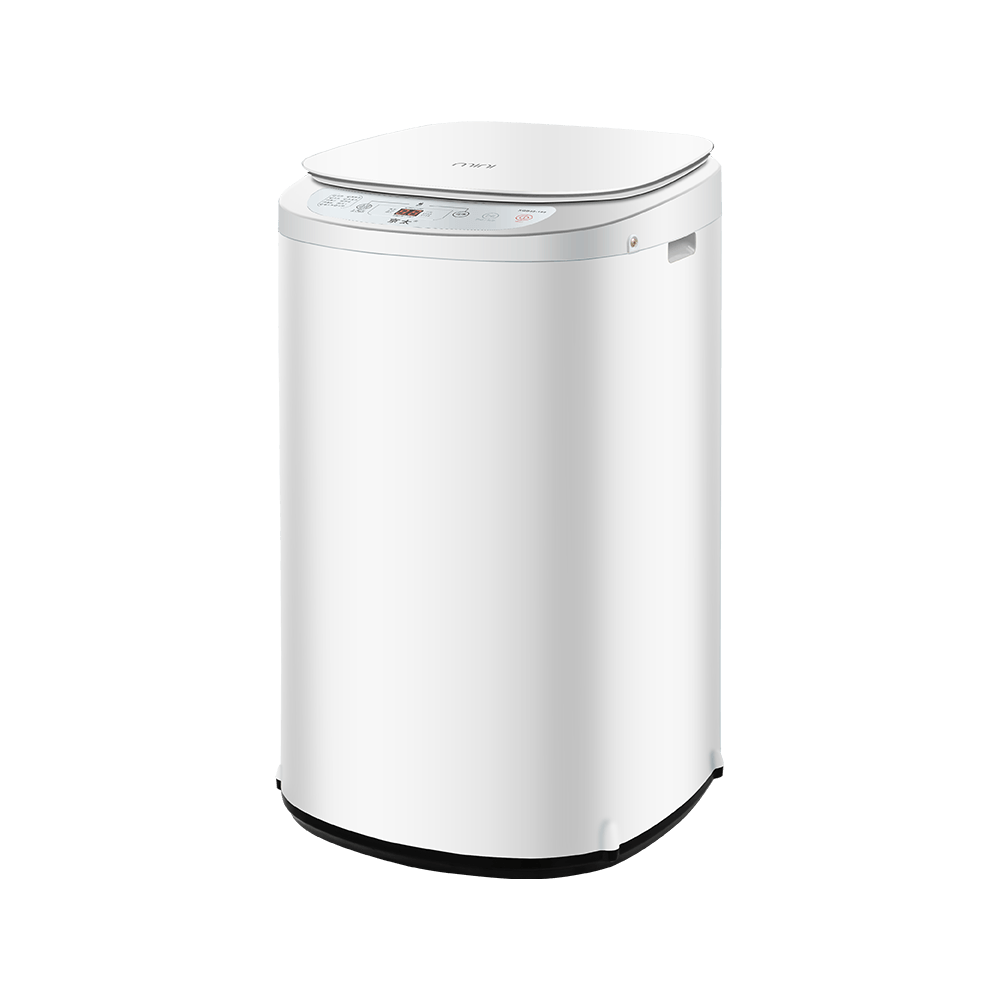
Fully automatic washing machines handle the entire washing process—from soaking and washing to rinsing and spinning—without user intervention. This eliminates manual effort, saving time and reducing the risk of improper washing, especially for delicate fabrics.
In contrast, semi-automatic machines require manual transfer between washing and drying compartments, which can be inconvenient and time-consuming.
Fully automatic machines are designed with advanced sensors to optimize water usage according to load size. They can save up to 30% more water compared to semi-automatic models and adjust wash cycles to minimize electricity consumption.
Semi-automatic machines typically use a fixed water level and have manual control over wash cycles. This often results in higher water and energy consumption, especially for smaller loads, reducing overall efficiency.
Fully automatic machines feature multiple wash programs tailored for different fabric types, stain levels, and load sizes. This precise control reduces fabric wear while maintaining high cleaning performance, ideal for delicate materials like silk or wool.
Semi-automatic machines often rely on manual adjustment for cycle duration and intensity. Inexperienced users may over-wash or under-wash fabrics, leading to damage or incomplete cleaning.
Fully automatic machines provide a “set and forget” experience with digital interfaces, timers, and smart programs. Many models include delayed start and child lock features, enhancing household safety and convenience.
Semi-automatic machines require constant supervision and manual effort to transfer clothes between washing and drying tubs. This is less convenient for busy households, especially when managing large laundry loads.
Fully automatic machines require periodic cleaning of detergent trays, filters, and drum interiors. When maintained properly, they can last over 8–10 years, providing long-term reliability.
Semi-automatic machines have simpler mechanisms, which may be easier to repair but can suffer from wear and tear if overused. Their longevity is typically 5–7 years under heavy usage.
| Feature | Fully Automatic | Semi-Automatic |
|---|---|---|
| Initial Cost | Higher | Lower |
| Water Usage | Optimized | Higher |
| Electricity Consumption | Moderate | Higher |
| User Effort | Minimal | Moderate to High |
| Long-Term Value | High | Moderate |
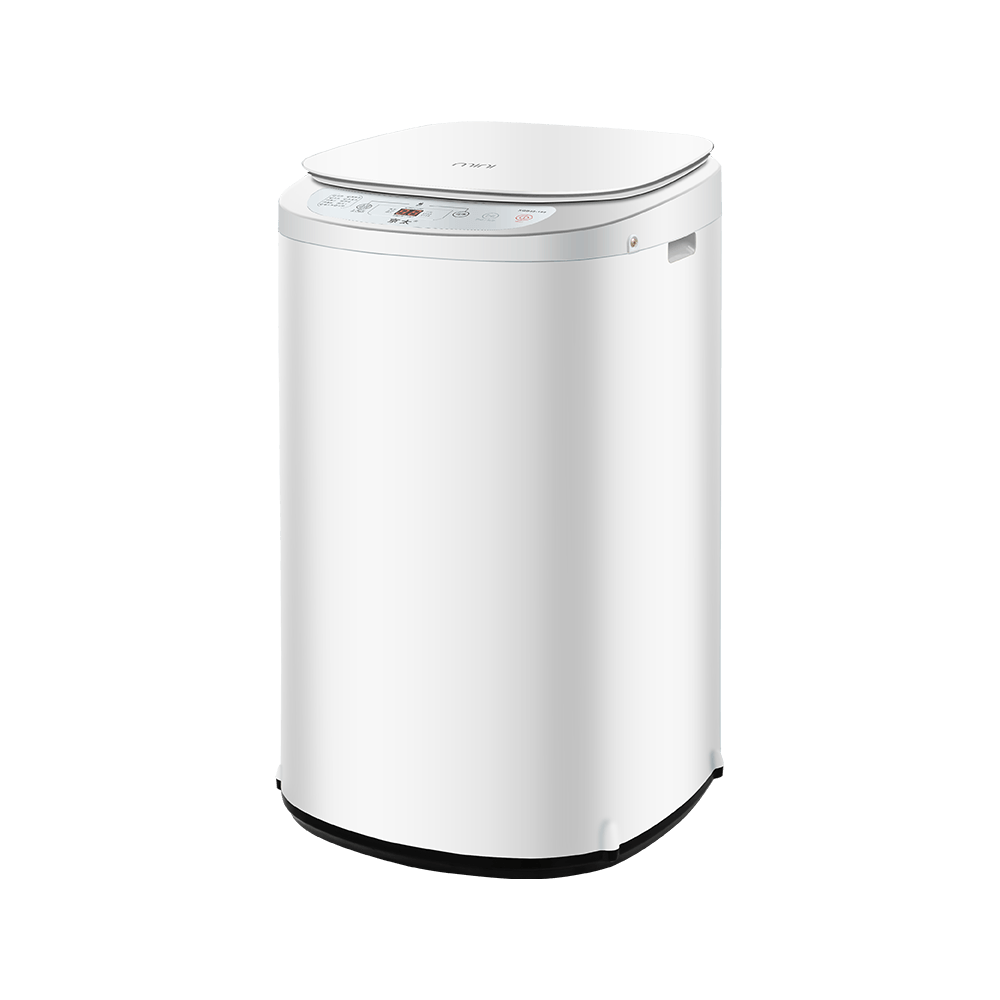
XQB45-188HM[Large capacity design to meet family needs]The 4... View More
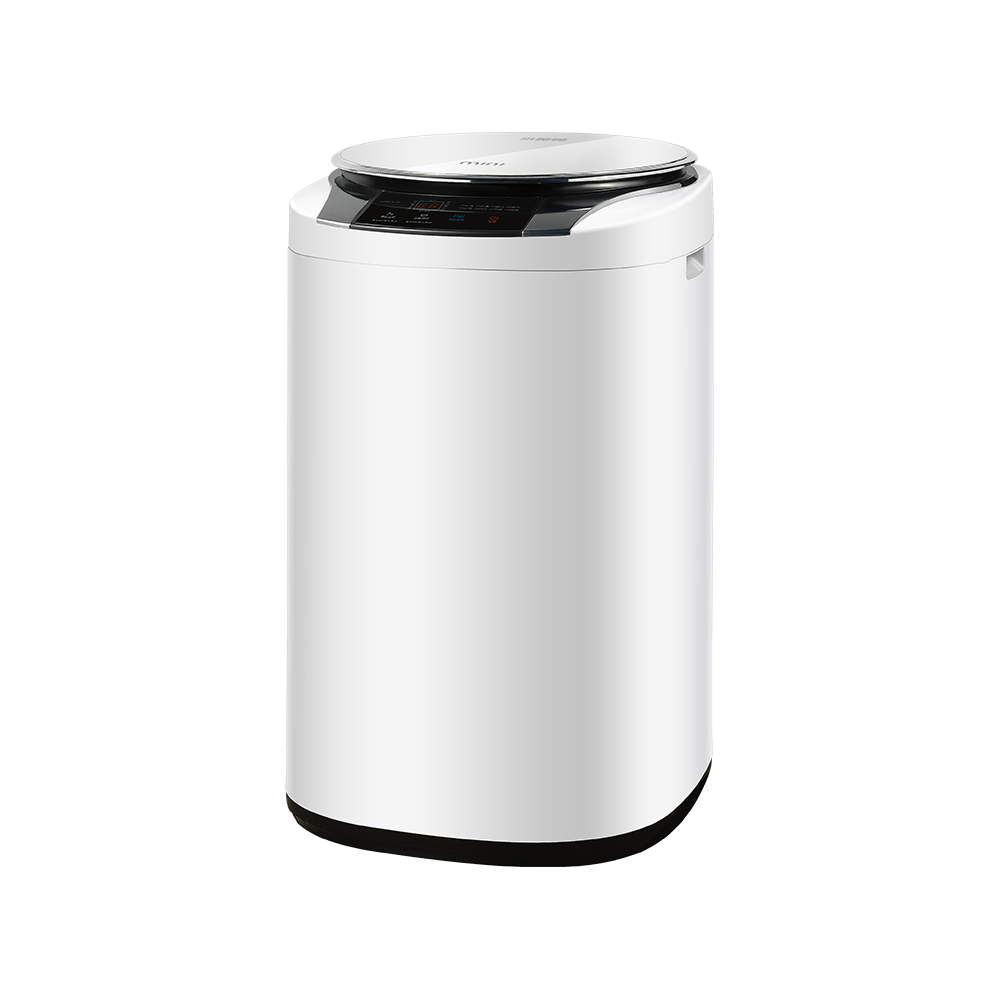
XQB35-166HM[Fashionable watch appearance, elegantly integrat... View More
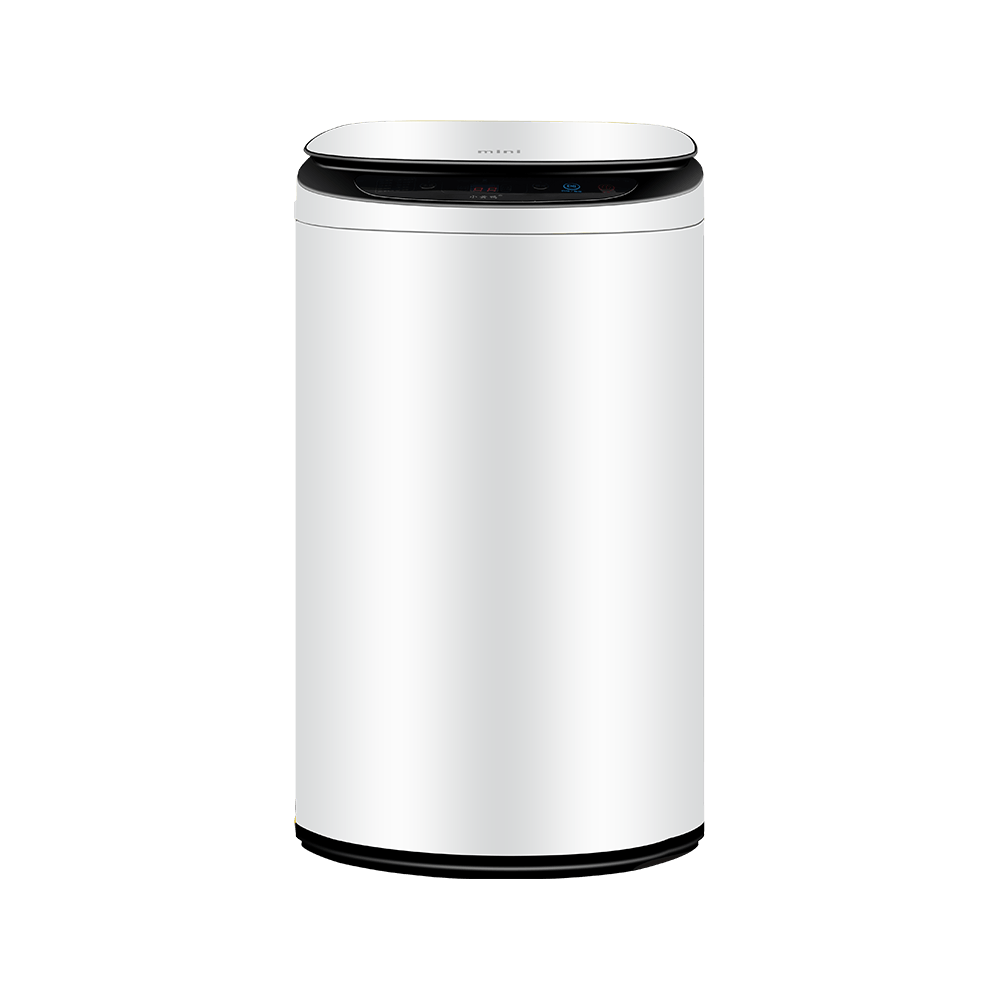
XQB35-188HMThis washing machine is based on innovative high-... View More
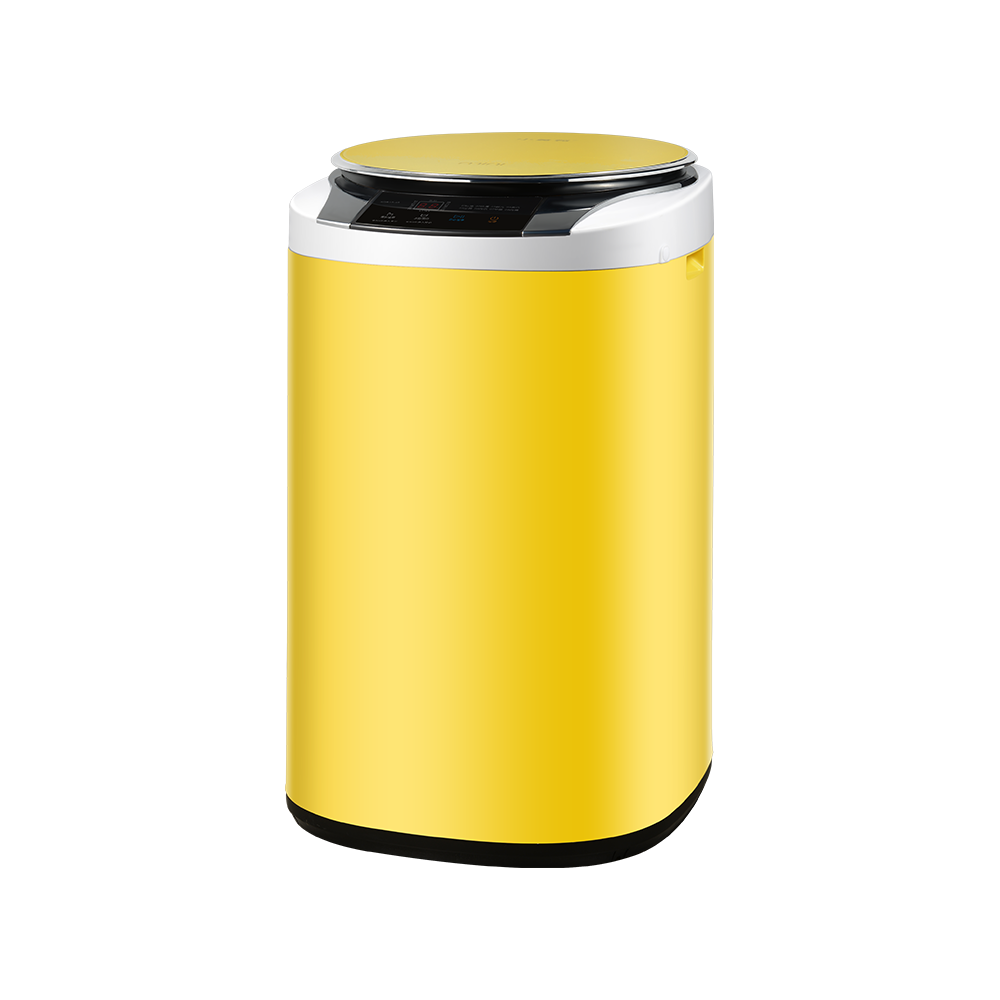
XQB35-655MLeading a new trend of healthy washing, integratin... View More

 Add: No.27 Hongwei Road, East Industrial Park, Guanhaiwei Town, Cixi City, Zhejiang Province, China
 Tel: +86-18520338190
 Tel: 400-8488-955
 Email: [email protected]
Copyright © Ningbo Zhijie Little Yellow Duck Electric Appliance Co., Ltd. All Rights Reserved.

Wholesale Fully Automatic Home Laundry Machine Manufacturers

 English
 عربى
عربى