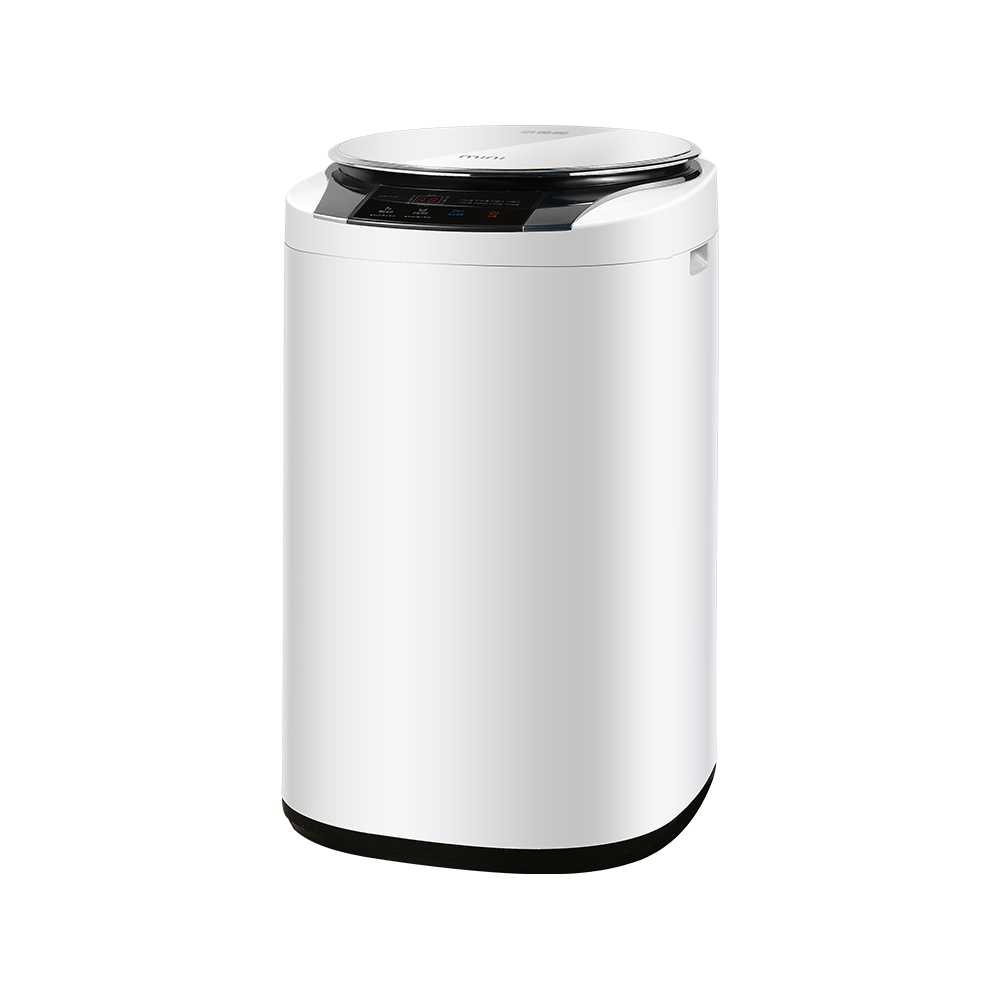
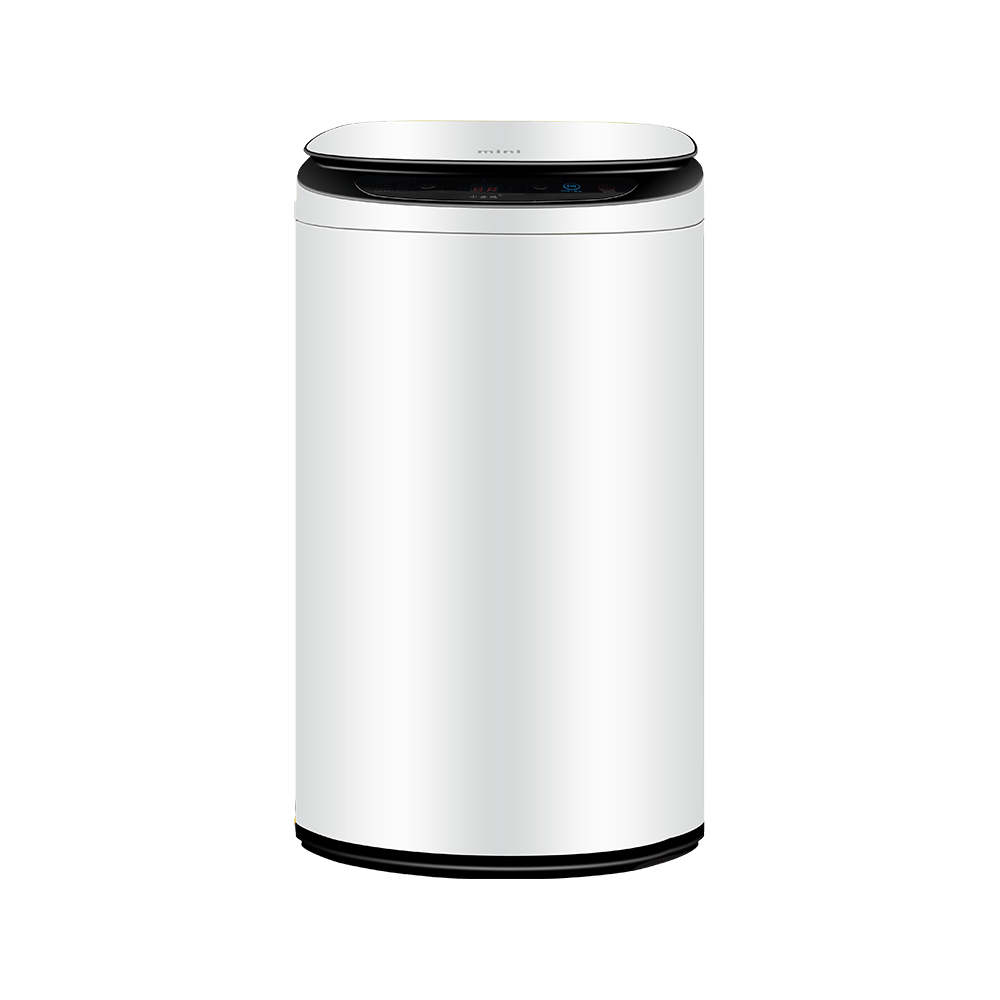
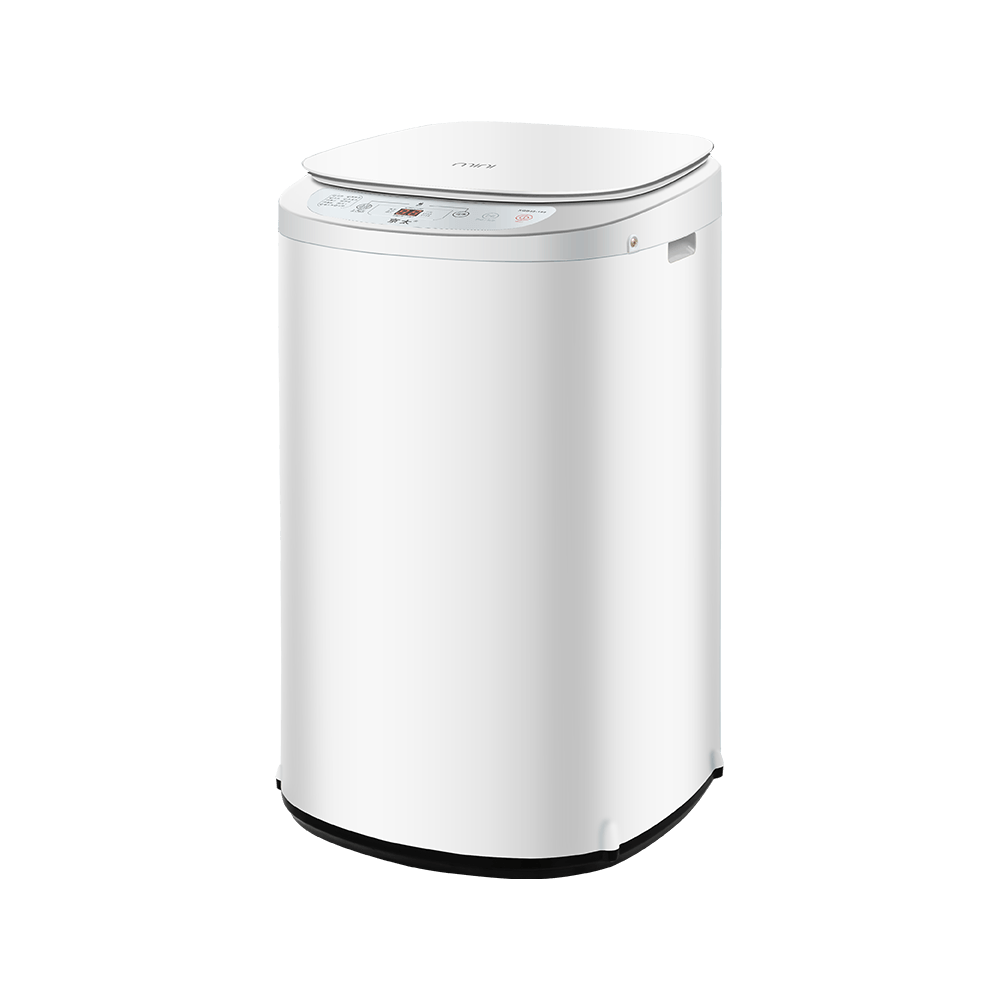
Integrating a high-efficiency fully automatic blue light washing machine into a laundry cycle delivers advanced, low-temperature sanitization by combining mechanical wash actions with narrow-band optical decontamination. Implementing localized light-emitting diode arrays tuned to specific visible violet-blue frequencies achieves up to a 99.9% reduction in microbial activity without exposing delicate synthetic or protein fibers to the degrading structural stresses of high thermal heat loops. This dual-action methodology relies on the continuous stimulation of reactive oxygen species within the damp drum cavity, establishing a highly reliable hygiene process for modern residential and institutional facilities looking to minimize energy use.
The antimicrobial operation of a blue light washing machine depends on precise optical physics rather than thermal or chemical destruction. Understanding how specific light frequencies interact with cellular structures reveals the core engineering behind modern non-thermal sanitation.
To achieve real germicidal results, the integrated solid-state LED arrays must be precisely calibrated to emit light within a strict narrow band between 405 and 460 nanometers. This visible blue-violet spectrum avoids the harsh material degradation linked to ultraviolet-C radiation while targeting the internal chemistry of common bacteria:
These internal reactive oxygen species damage the lipid cellular walls and disrupt the metabolic processes of the bacteria from the inside out, causing rapid cellular death. Because this process targets common biological vulnerabilities, it provides a highly reliable sanitation effect even when the wash water is kept at a cool 20°C to 30°C.
To boost the performance of basic blue light systems, premium automatic washers integrate a titanium dioxide or silver oxide nano-coating directly onto the inner surfaces of the lifter paddles. This configuration creates a powerful photo-catalytic loop.
When the blue light waves illuminate these metal oxides during the tumbling cycle, they trigger a chemical reaction that breaks water molecules into free hydroxyl radicals. These surface-bound radicals aggressively attack organic soils and odor-causing compounds suspended in the wash liquor, accelerating stain breakdown and preventing mildew build-up inside the outer tub housing.
Ensuring uniform light coverage across hundreds of shifting garments spinning at high velocities requires smart structural engineering. Designers must carefully place the optical components to guarantee continuous light saturation throughout the wash cycle.
Standard front-loading drums present a physical challenge: if the light source is placed only at the rear bulkhead, thick layers of clothing will block the light, leaving fabrics near the door glass untreated. Advanced fully automatic models solve this shadowing problem by using a multi-point optical array layout:
Operating delicate electronics inside an environment filled with high-pressure water sprays, alkaline detergents, and constant physical impacts requires heavy-duty protection. The LED assemblies are encapsulated in a high-density polyurethane potting compound that isolates the electrical connections from moisture and resists continuous vibrations up to 1,200 RPM.
The outer surface of the light module is shielded by high-transmittance quartz glass lenses. Quartz is specified over standard plastics because it resists chemical etching from bleach or fabric softeners, ensuring the optical output remains clear and unclouded over a long service life.
To help facilities managers and appliance designers evaluate different sanitization methods, the following matrix outlines the operational footprints, fabric compatibility, and resource demands of various automated washing configurations.
| Engineering Parameter | Blue Light Photo-Assisted | Thermal High-Temp (90°C) | Ozone Injection System |
|---|---|---|---|
| Average Cycle Energy Demand | 0.25 – 0.40 kWh (Low) | 2.20 – 3.10 kWh (High Thermal) | 0.60 – 0.90 kWh |
| Target Fabric Compatibility Range | Universal (Silk, Wool, Synthetics) | Restricted (Cotton, Linens Only) | Moderate (Speeds Rubber Decay) |
| Primary Pathogen Deactivation Path | Intracellular Singlet Oxygen Burst | Thermal Protein Denaturation | Direct External Membrane Lysis |
| Average Cycle Duration Time | 45 – 60 Minutes | 90 – 130 Minutes (Heating Step) | 40 – 55 Minutes |
| Mechanical Elastomer Degradation | None (Safe for Door Gaskets) | Moderate Accelerated Hardening | Severe Chemical Oxidation Risk |
| Required Chemical Additives | Standard Neutral Surfactants | Standard Detergents | Minimal (Ozone Acts as Gas Bleach) |
The performance of an optical purification system depends heavily on the clarity of the water it operates in. Fully automatic blue light washers use advanced fluid management systems to maximize light penetration throughout the wash cycle.
If the wash water is choked with suspended mud particles, heavy dyes, or excessive soap suds, the blue light photons will scatter and lose their ability to penetrate deep into fabrics. To prevent this, the machine's sump housing integrates an infrared optical turbidity sensor.
This sensor measures light transmission across the fluid stream to calculate suspended soil levels in real time. If the water is too muddy during the initial wash phase, the controller delays the primary blue light cycle, triggers an interim drain step, and introduces fresh water, ensuring the water is clear enough for the blue light to perform efficiently during the final rinse phases.
Excessive foam acts as an optical barrier that blocks blue light waves from reaching the clothing. Modern fully automatic washers manage this issue using smart electronic foam suppression routines:
Keeping an optical-mechanical system running smoothly requires proactive maintenance routines and clear diagnostic protocols to address issues like scale build-up and component wear.
If the LED arrays draw too much current or fail to light up, the central computer triggers an optical safety alert and stops the cycle. This lockout protects internal components from driving blind without active sanitation. Field technicians diagnose these faults using a step-by-step sequence:
In hard-water regions, dissolved calcium carbonate and magnesium ions can slowly bake onto the heated quartz glass lenses, forming a white mineral crust that acts like a window shade and blocks the blue light output. To maintain clear light penetration, facilities should run a monthly scale removal cycle.
The operator adds 200 grams of food-grade citric acid crystals directly into the empty drum and runs a short 60°C maintenance loop. The warm citric acid safely dissolves the mineral scale without damaging the rubber gaskets or stainless steel drum surfaces, keeping the quartz lenses crystal clear for maximum optical performance.
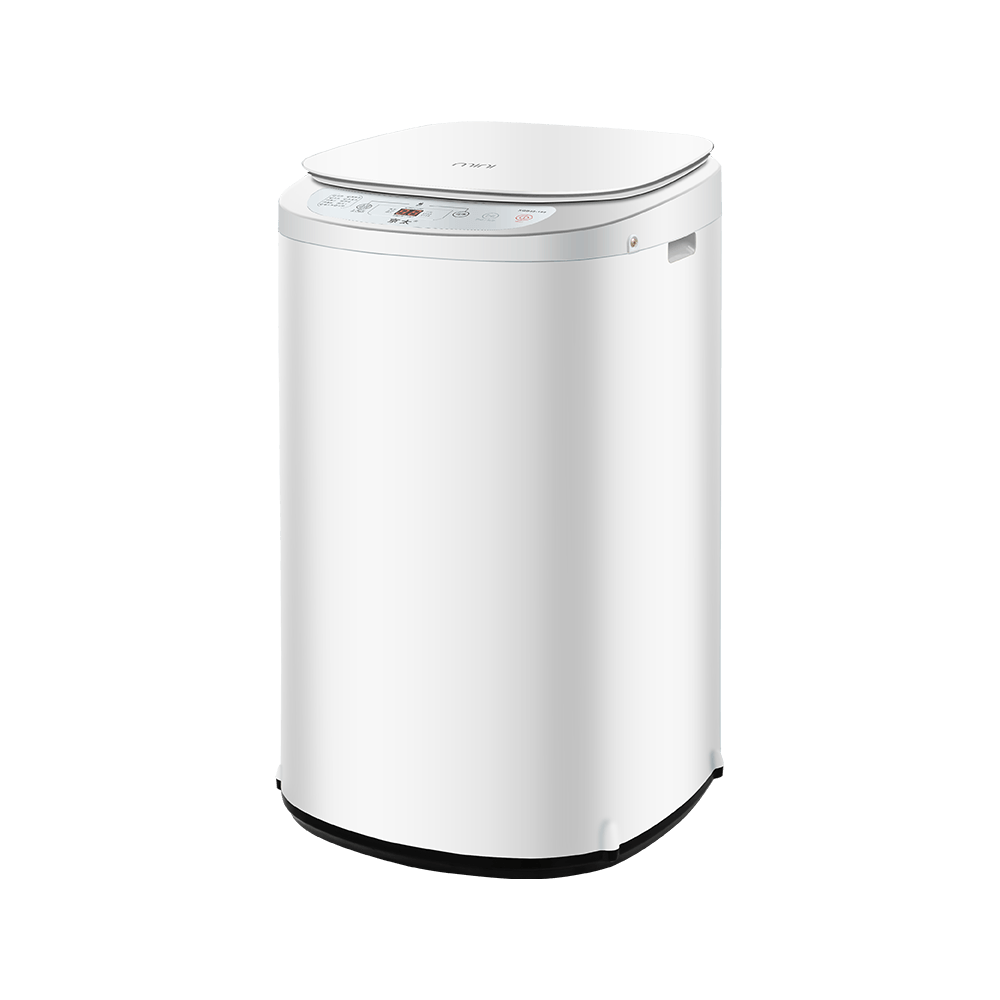
XQB45-188HM[Large capacity design to meet family needs]The 4... View More
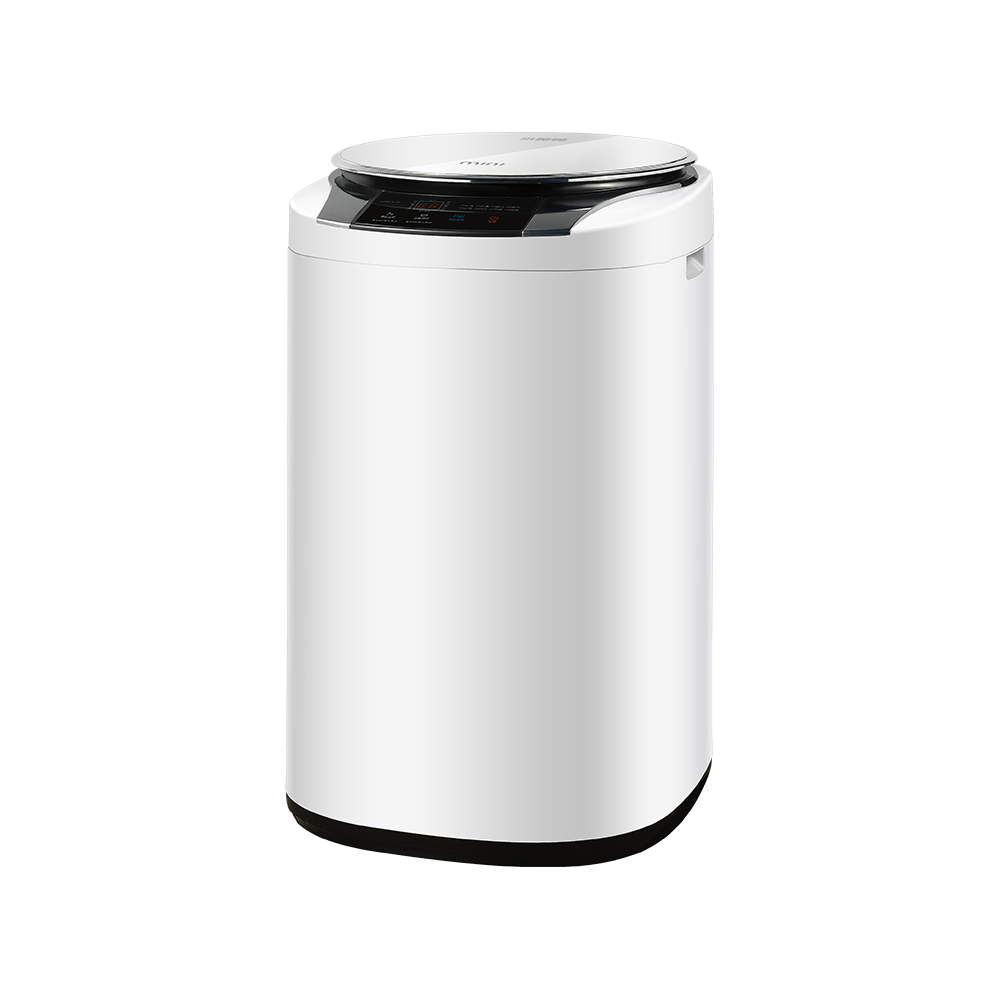
XQB35-166HM[Fashionable watch appearance, elegantly integrat... View More
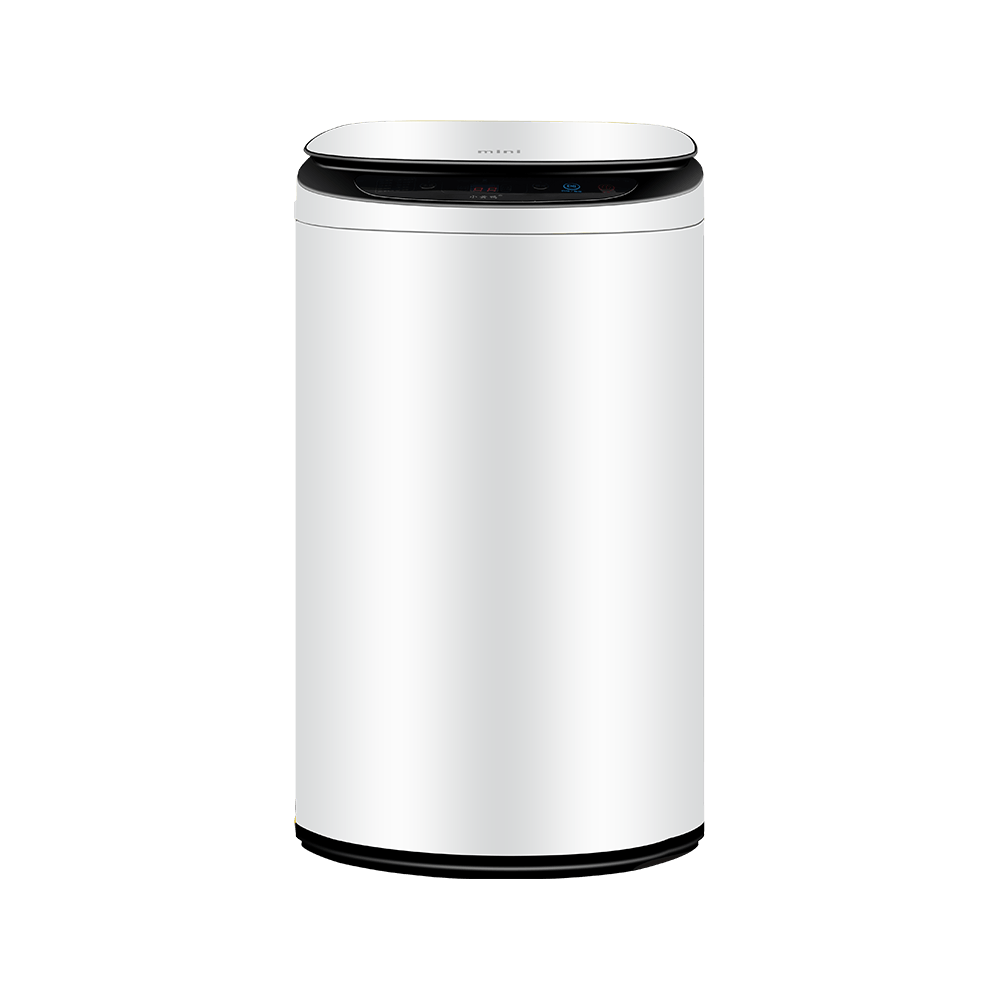
XQB35-188HMThis washing machine is based on innovative high-... View More
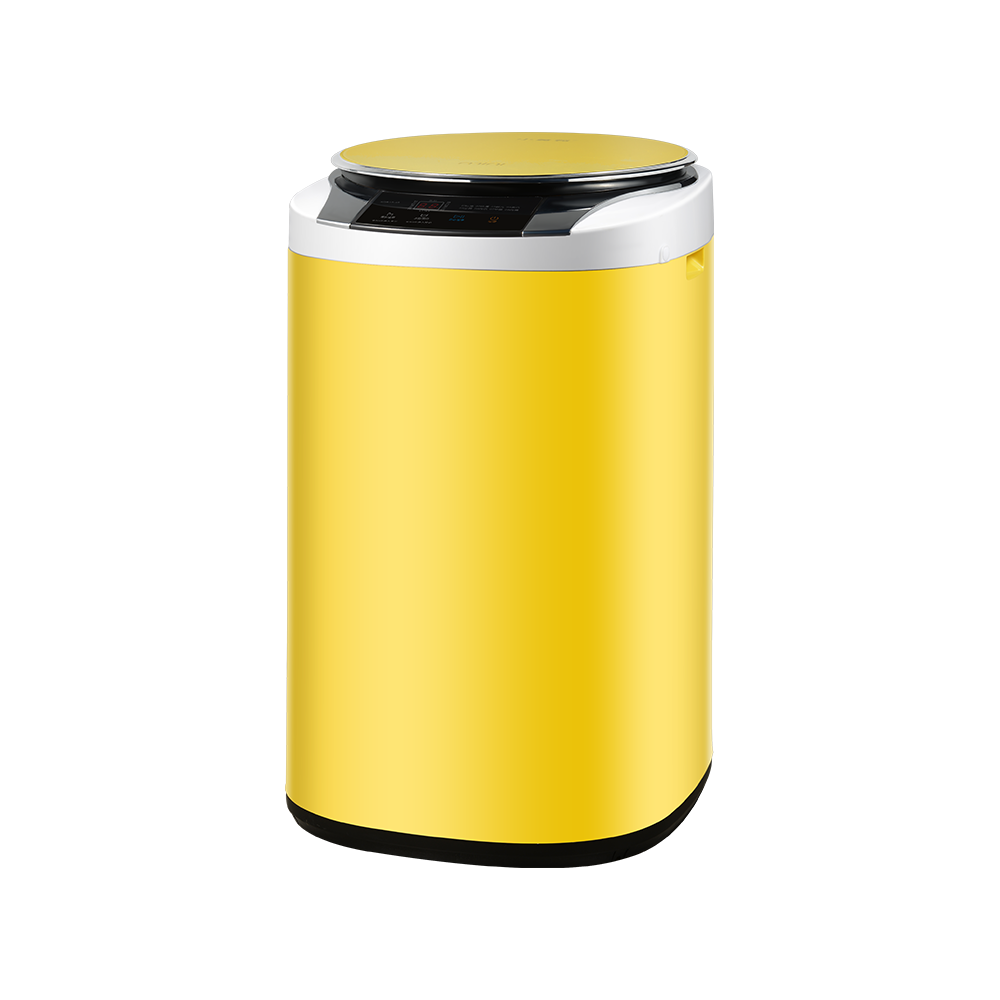
XQB35-655MLeading a new trend of healthy washing, integratin... View More

 Add: No.27 Hongwei Road, East Industrial Park, Guanhaiwei Town, Cixi City, Zhejiang Province, China
 Tel: +86-18520338190
 Tel: 400-8488-955
 Email: [email protected]
Copyright © Ningbo Zhijie Little Yellow Duck Electric Appliance Co., Ltd. All Rights Reserved.

Wholesale Fully Automatic Home Laundry Machine Manufacturers

 English
 عربى
عربى