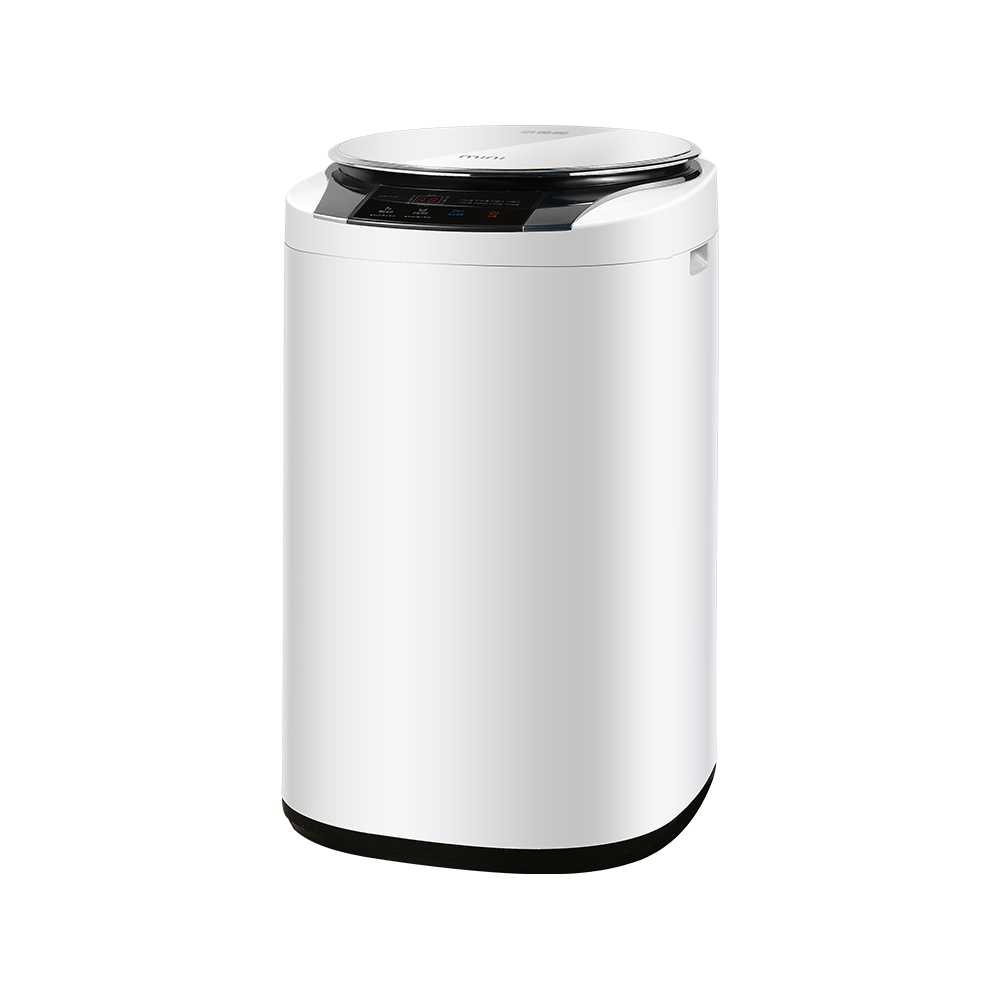
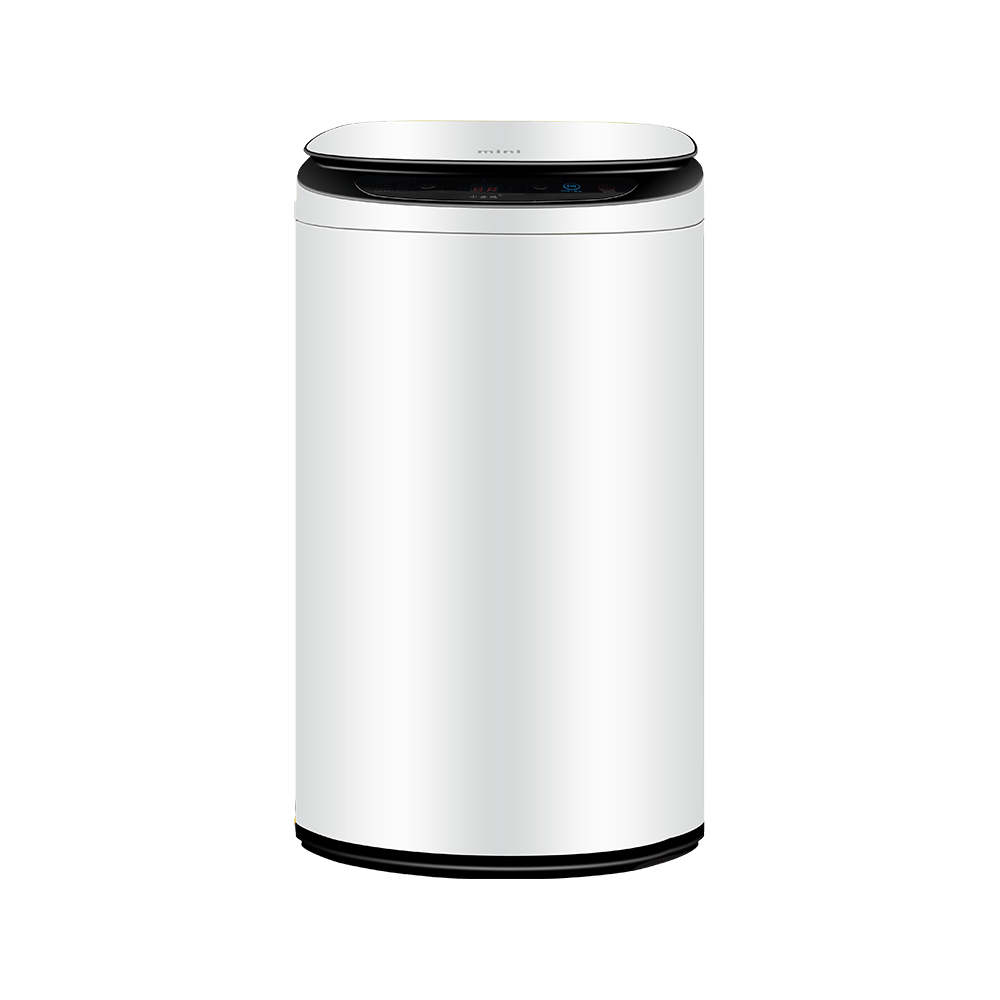
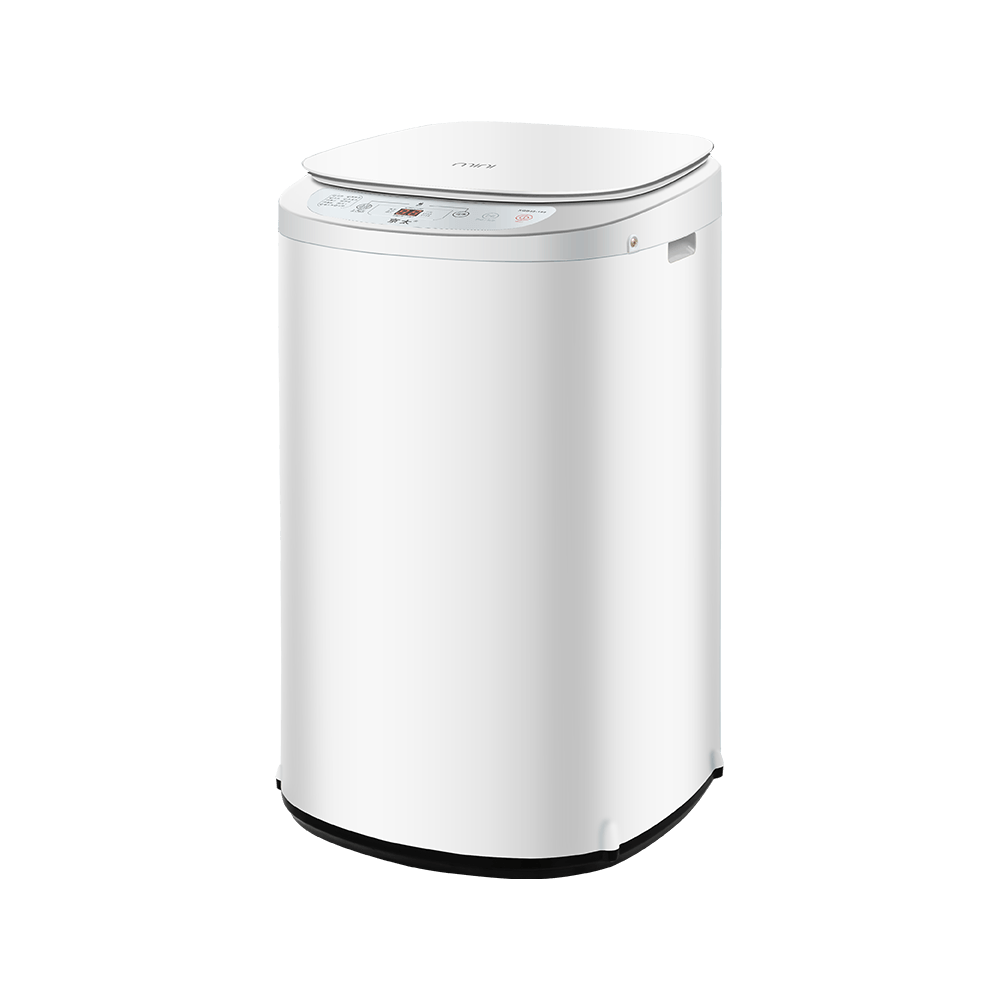
Automatic blue light pollution-free mini washing machines are compact appliances designed for efficient laundry in small spaces, with minimal environmental impact. The blue light technology is often associated with germ reduction and gentle cleaning, offering a hygienic washing process. Given their small size and frequent placement in areas such as bathrooms, kitchens, or dormitories, the design of these machines requires careful attention to waterproofing and leak prevention to ensure safe operation and durability.
Users often inquire whether such machines can maintain performance without water leakage and if their components are adequately protected against moisture. These design considerations are critical not only for operational safety but also for the longevity of the appliance.
Waterproofing in mini washing machines involves preventing water ingress into electrical and mechanical components. This is achieved through a combination of sealed housings, gaskets, and protective coatings. Electrical circuits, control panels, and motor units are often enclosed in plastic or corrosion-resistant compartments to isolate them from water exposure. The exterior of the machine may be made from water-resistant materials such as ABS plastic or coated metals, which provide structural integrity while resisting moisture penetration.
Proper waterproof design ensures that the machine can safely handle the water used for washing and rinsing cycles without risk of short circuits or component damage. It also allows for occasional splashes or condensation without compromising functionality.
Leak-proof design focuses on preventing water from escaping the washing drum and plumbing connections. Seals and gaskets at joints, inlets, and outlets form barriers that contain water within the intended path. High-quality hose connections and threaded fittings reduce the risk of leaks, while overflow protection mechanisms prevent spillage in case of excess water input.
The washing drum itself is typically designed as a single, seamless unit to minimize potential leak points. Some machines incorporate rubber or silicone sealing rings around the lid or access points to maintain a watertight enclosure, especially important for top-loading models where the lid is frequently opened and closed during operation.
Material selection plays a crucial role in waterproof and leak-proof performance. Plastics used in the outer casing and internal water pathways must resist swelling, cracking, or deformation when exposed to moisture and temperature variations. Stainless steel or coated metal drums prevent corrosion over time, maintaining structural integrity. Rubber or silicone gaskets provide flexibility while ensuring tight seals at critical points.
Durable materials help maintain the effectiveness of waterproofing and prevent degradation that could lead to leaks or reduced protection of internal components. Maintenance considerations, such as easy access for gasket replacement, also enhance long-term performance.
The internal components of an automatic blue light pollution-free mini washing machine, including motors, pumps, and control electronics, require additional protection. Waterproof housings, conformal coatings, and encapsulation techniques are used to safeguard circuits against water ingress. Motors may feature sealed bearings and shaft seals to prevent water from reaching sensitive moving parts.
Protecting internal components is essential not only for operational reliability but also for user safety, as direct exposure of electrical elements to water can create hazards. Proper insulation and protective barriers mitigate the risk of electrical faults.
Manufacturers often design mini washing machines to comply with international safety standards, such as IP ratings for water and dust protection. An IPX4 rating or higher indicates the machine can withstand splashing water, while higher ratings provide additional protection against submersion. These ratings help users understand the level of waterproof and leak-proof assurance built into the appliance.
Safety-oriented design also includes features like automatic shutoff in case of overflow, pressure-sensitive water valves, and secure hose connections. Combined with waterproof and leak-proof construction, these features contribute to safe everyday use in residential settings.
Efficient drainage is essential for preventing water accumulation and potential leaks. Mini washing machines include pumps and drainage hoses designed to move water quickly and reliably. Some models have integrated overflow sensors that detect excessive water levels and stop operation to prevent spillage.
The following table illustrates common water management features and their role in leak prevention:
| Feature | Purpose | Benefit |
| Sealed Drum | Contain water during wash cycles | Reduces risk of leakage from drum joints |
| Silicone Gasket | Seal lid and access points | Prevents water escaping during operation |
| Drainage Pump | Remove water efficiently | Minimizes standing water that can cause leaks |
| Overflow Sensor | Detect excess water levels | Automatically stops machine to prevent spillage |
| Waterproof Housing for Electronics | Protect control circuits and motor | Prevents electrical faults due to water exposure |
Proper maintenance enhances waterproof and leak-proof performance. Regular inspection of gaskets, seals, and hose connections ensures that components remain in good condition. Users should follow manufacturer instructions for cleaning and avoid harsh chemicals that may degrade rubber or plastic parts. Replacing worn gaskets or hoses promptly helps maintain water containment.
Correct placement of the washing machine on a level surface is also critical. Uneven positioning can stress seals and connections, increasing the potential for leaks. Following these guidelines maximizes the reliability of the appliance’s protective features.
The inclusion of blue light technology in mini washing machines does not interfere with waterproof or leak-proof design. Blue light modules are typically enclosed within the machine, isolated from water pathways, and integrated into the lid or drum area. The separation of electronic lighting elements from water circulation zones ensures that the germ-reduction functionality does not compromise overall safety.
Manufacturers often encapsulate LEDs and their wiring to prevent exposure to moisture, maintaining both the efficacy of the blue light feature and the integrity of the machine’s waterproof design.
Due to their compact size and protective features, automatic blue light pollution-free mini washing machines can be used in a variety of spaces, including apartments, dormitories, and small households. Their waterproof and leak-proof design allows placement near sinks or wet areas without risk of water damage to surrounding surfaces. This versatility enhances user convenience and reduces concerns about appliance failure in confined or moisture-prone environments.
Long-term performance of waterproof and leak-proof designs relies on material durability and proper use. The combination of corrosion-resistant plastics, coated metals, and durable gaskets ensures that the appliance maintains integrity through repeated wash cycles. User adherence to recommended water levels, detergent types, and cleaning procedures further supports consistent performance over time.
Periodic inspection and maintenance allow any early signs of wear to be addressed before they compromise the waterproof or leak-proof features. Consistent care ensures that the appliance continues to operate safely and efficiently.
Automatic blue light pollution-free mini washing machines incorporate multiple design elements to support waterproof and leak-proof functionality. These include sealed drums, silicone gaskets, protected electronics, drainage pumps, and overflow sensors. Proper material selection, assembly, and maintenance further enhance the reliability of these protective features. Together, they ensure that the appliance can operate safely in environments prone to moisture exposure while providing effective cleaning and hygienic benefits.
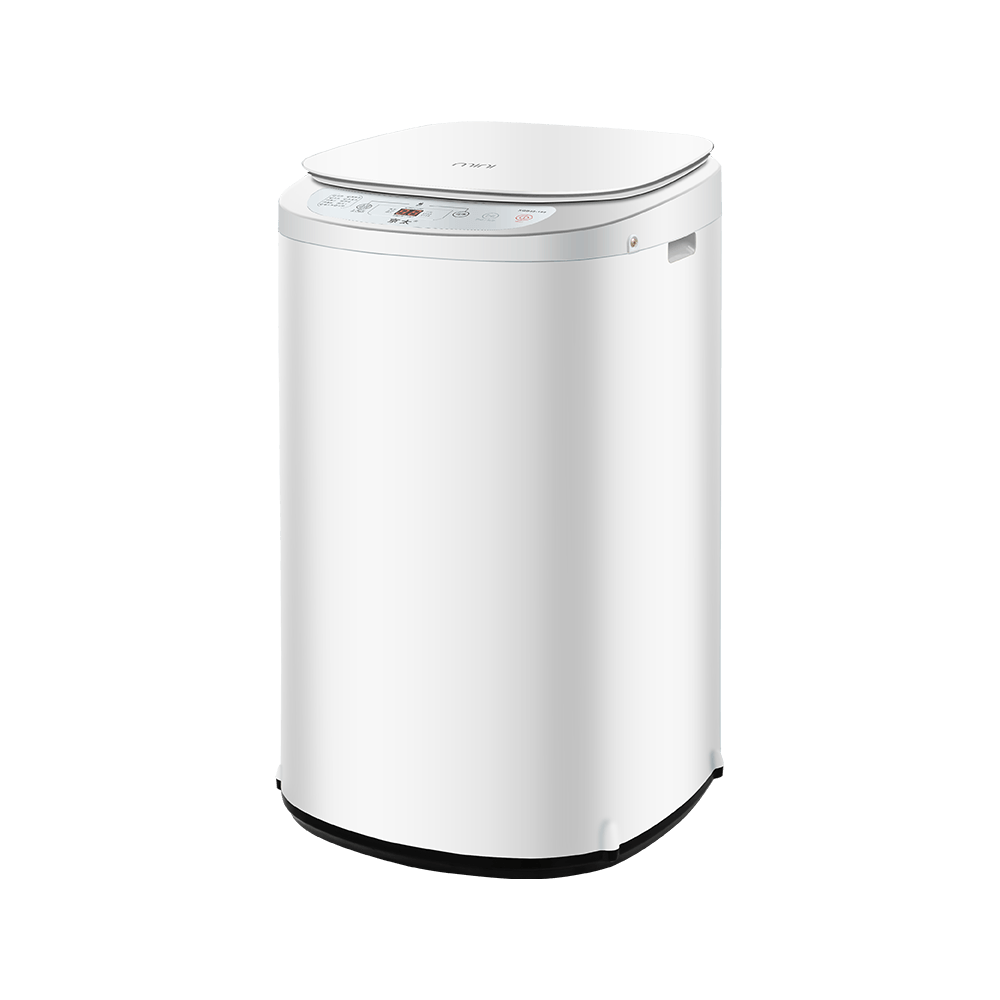
XQB45-188HM[Large capacity design to meet family needs]The 4... View More
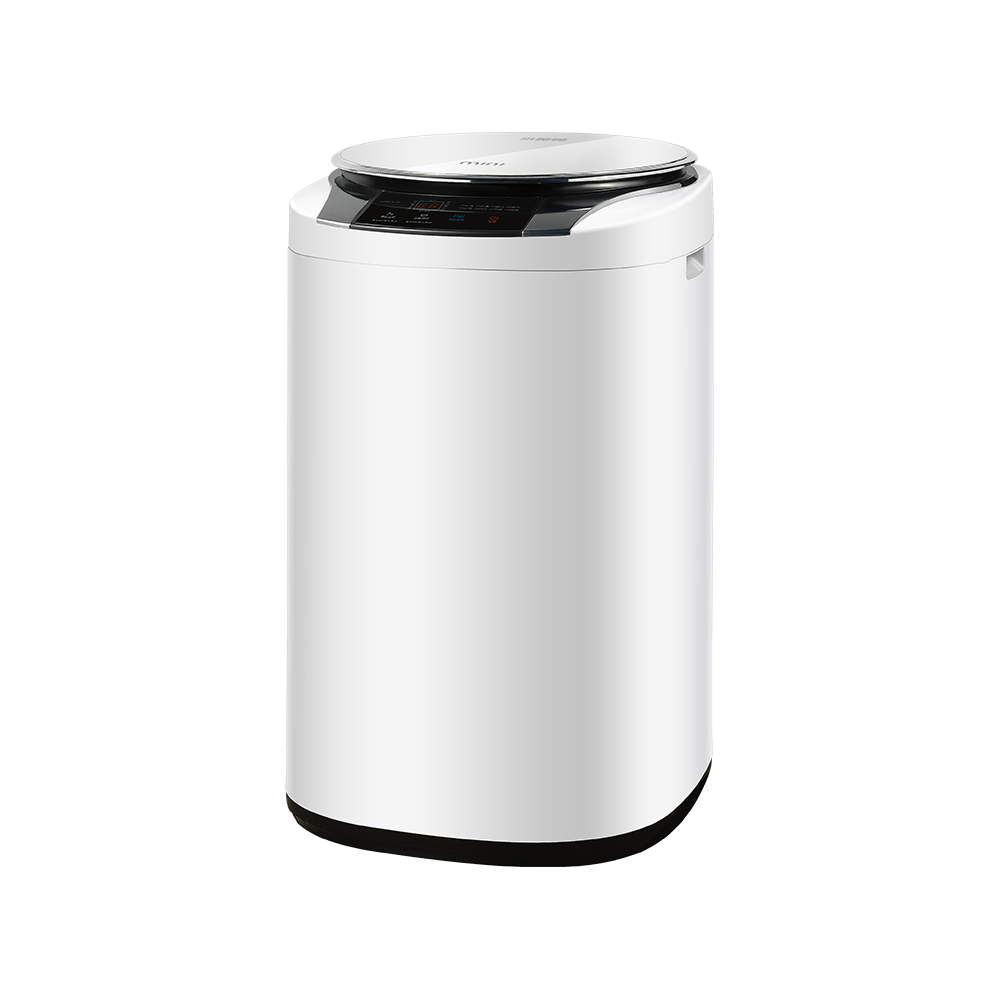
XQB35-166HM[Fashionable watch appearance, elegantly integrat... View More
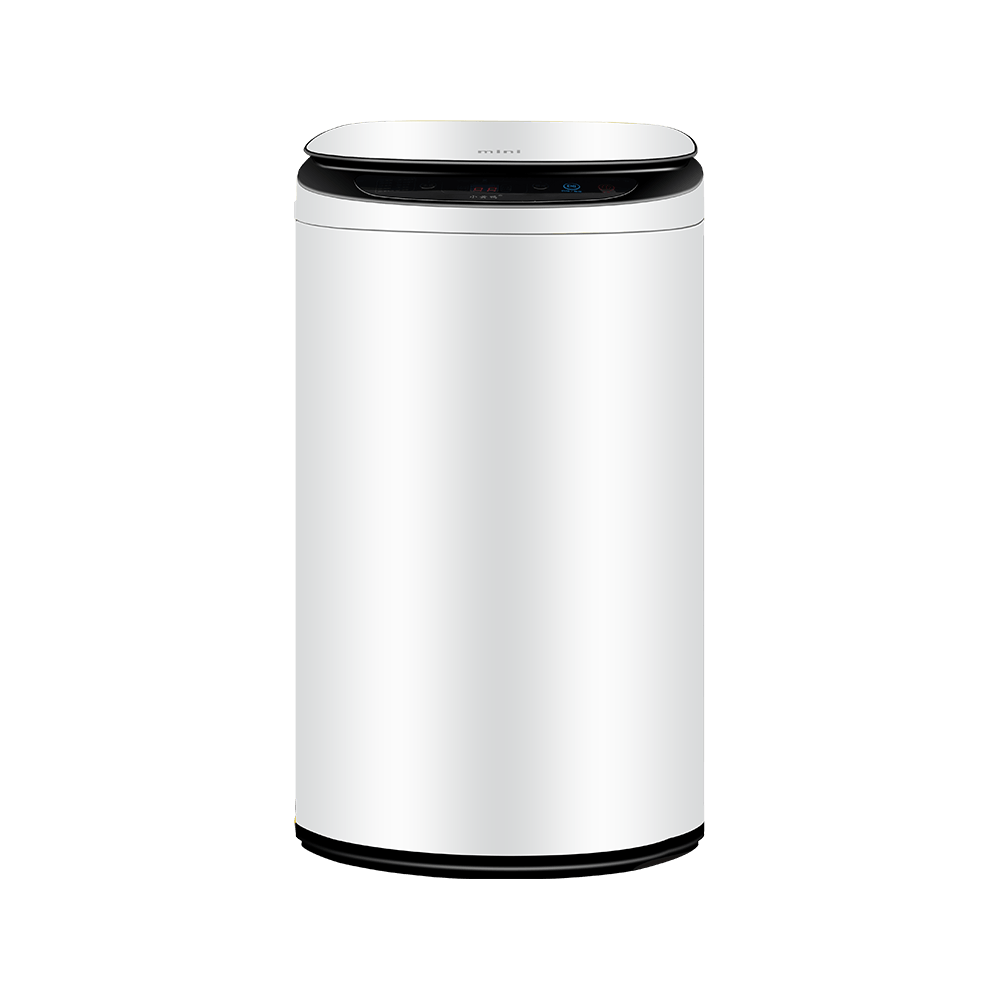
XQB35-188HMThis washing machine is based on innovative high-... View More
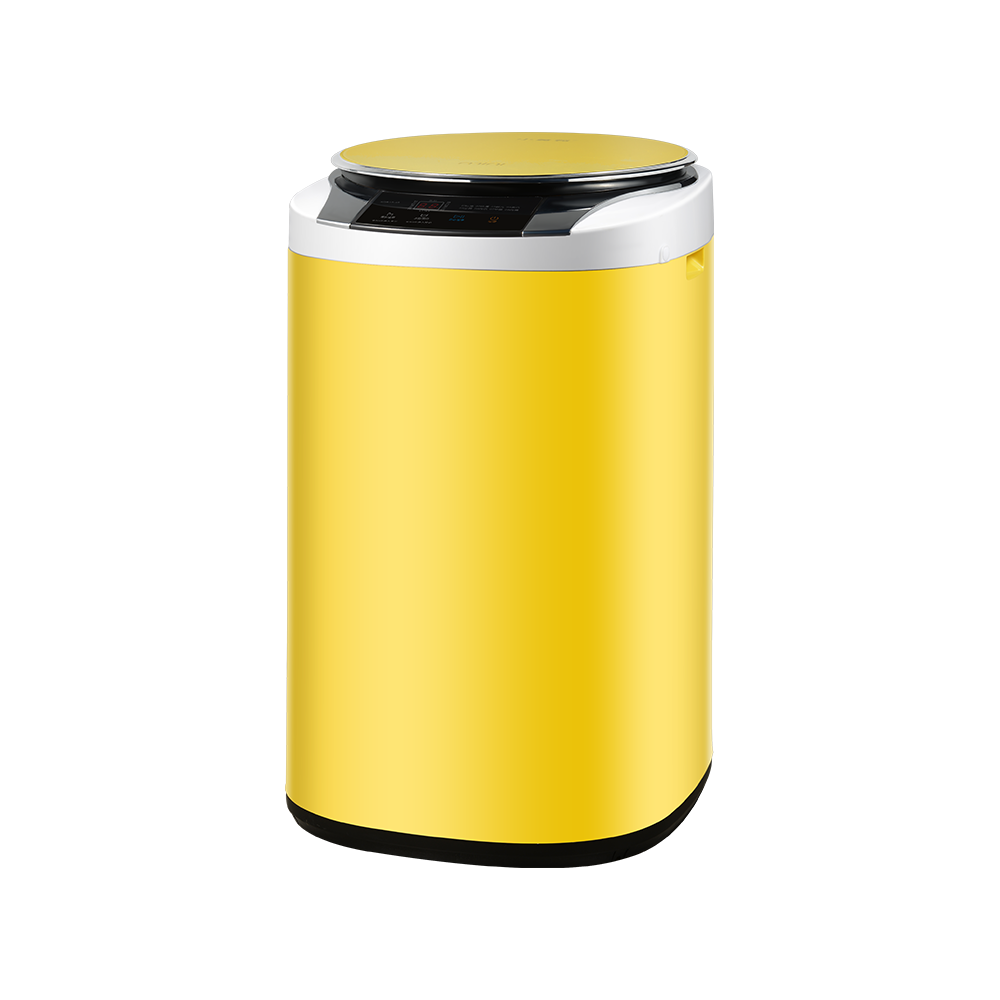
XQB35-655MLeading a new trend of healthy washing, integratin... View More

 Add: No.27 Hongwei Road, East Industrial Park, Guanhaiwei Town, Cixi City, Zhejiang Province, China
 Tel: +86-18520338190
 Tel: 400-8488-955
 Email: [email protected]
Copyright © Ningbo Zhijie Little Yellow Duck Electric Appliance Co., Ltd. All Rights Reserved.

Wholesale Fully Automatic Home Laundry Machine Manufacturers

 English
 عربى
عربى