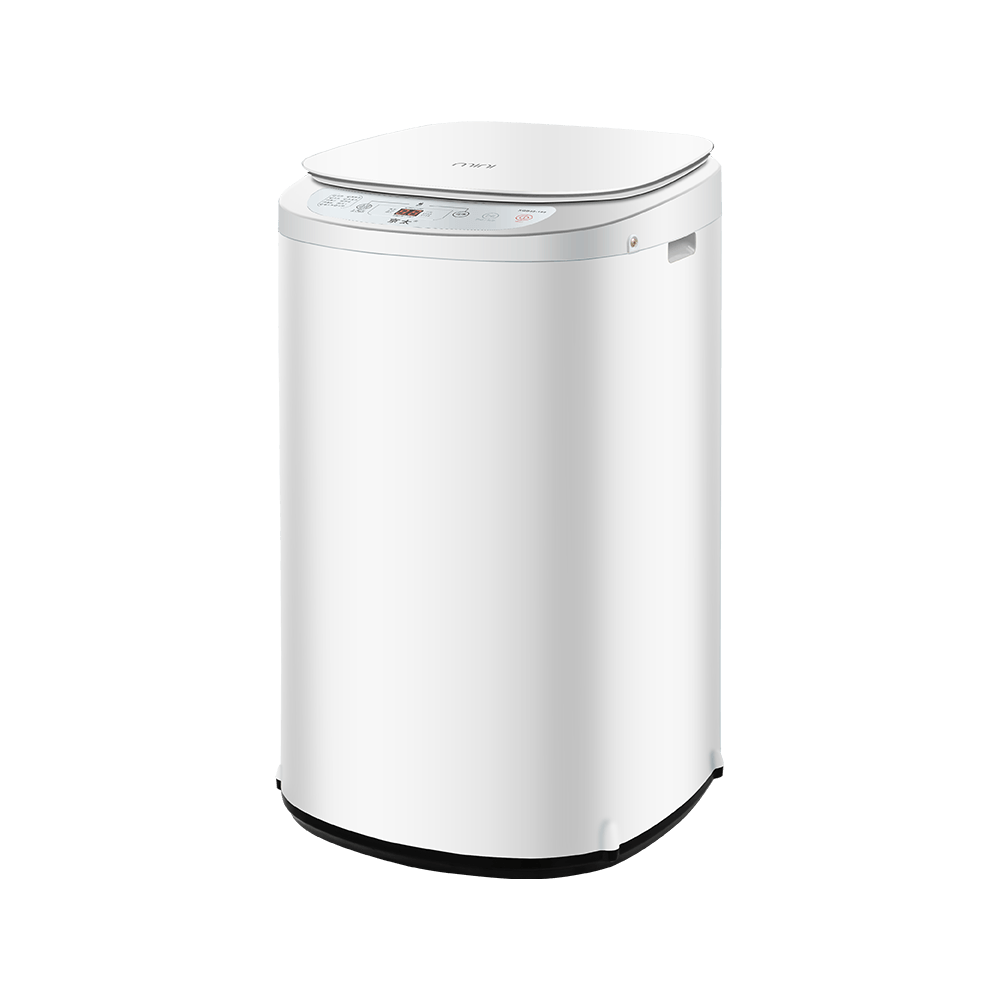
Fully automatic high-temperature ozone washing machines represent a new and innovative approach to laundry care. These machines combine the power of ozone, a molecule consisting of three oxygen atoms, with high water temperatures to clean and disinfect clothes. Ozone is known for its strong oxidizing properties, making it an effective disinfectant that can kill bacteria, viruses, and other pathogens. When used in combination with high temperatures, the ozone enhances the washing process by breaking down organic compounds and removing stains, odors, and harmful microorganisms from fabrics. However, while these washing machines offer benefits in terms of cleanliness and hygiene, questions have arisen regarding the potential effects on the skin due to prolonged exposure to ozone and high temperatures.
Ozone is a naturally occurring gas that has powerful antimicrobial properties. It can break down the cell walls of bacteria, viruses, and fungi, making it an effective disinfectant. In washing machines, ozone is typically generated by an ozonator that mixes the gas into the water, allowing it to be used during the washing cycle. Ozone helps to eliminate stains, odors, and harmful microorganisms from clothing, providing a deeper clean than traditional washing methods. However, ozone is a reactive molecule, and prolonged exposure to high concentrations of it can have effects on various surfaces, including skin.
Ozone exposure, particularly at high concentrations, can have a number of effects on the skin. Ozone is a powerful oxidant, and when it comes into contact with the skin, it can cause oxidative stress, which leads to the formation of free radicals. These free radicals can damage skin cells, leading to inflammation, dryness, and irritation. In some cases, prolonged or repeated exposure to ozone may accelerate the aging process of the skin by breaking down collagen, a protein that provides structural support to the skin. Additionally, ozone exposure can increase the production of melanin, leading to hyperpigmentation and dark spots on the skin. For individuals with sensitive skin, ozone exposure may result in more pronounced reactions, such as redness, itching, or rashes.
High temperatures are commonly used in washing machines to help remove stains and kill bacteria. However, hot water can also have an impact on skin health. When clothes are washed at high temperatures, the fabric may release irritants or chemicals that can potentially irritate the skin when worn. Furthermore, high temperatures can strip the skin of its natural oils, leading to dryness and an increased risk of skin irritation. This effect is particularly concerning for individuals with sensitive skin or pre-existing skin conditions, such as eczema or psoriasis. Frequent exposure to hot water can exacerbate these conditions and make the skin more vulnerable to damage and inflammation.
When ozone is used in conjunction with high-temperature washing, there is the potential for a combined effect on skin health. While ozone can effectively disinfect and clean clothing, it may also leave residues of ozone gas on the fabric. If these residues are not fully removed during the washing process, they may be transferred to the skin when the clothes are worn. In addition to the potential for skin irritation from ozone, the heat from the washing machine can further exacerbate the effects. Heat can increase the permeability of the skin, making it more susceptible to the absorption of ozone residues and other chemicals that may remain on the fabric. This could potentially lead to increased skin irritation, dryness, or sensitivity.
For individuals with sensitive skin, the risks associated with ozone exposure and high temperatures may be more pronounced. Sensitive skin is more prone to irritation and reactions from environmental factors, including chemicals and heat. Prolonged exposure to ozone, especially in high concentrations, can lead to increased skin sensitivity, resulting in redness, itching, and burning sensations. People with pre-existing skin conditions, such as eczema, rosacea, or psoriasis, may find that their symptoms worsen when exposed to high levels of ozone or heat. For these individuals, it is important to monitor their skin’s response to ozone washing machines and consider using lower-temperature settings or ozone-free washing options when possible.
There are several steps that can be taken to minimize the potential effects of ozone and high temperatures on skin health. One of the most effective ways to reduce ozone exposure is to ensure that the washing machine is properly ventilated. This can help to prevent ozone from accumulating in the air and coming into contact with the skin. Some ozone washing machines are designed with built-in ventilation systems to remove excess ozone after the washing cycle is complete. Additionally, using lower temperature settings can help to reduce the risk of skin irritation caused by heat. Washing clothes in cooler water can also help preserve the integrity of the skin’s natural oils, preventing excessive dryness and irritation.
In addition to controlling ozone exposure and temperature, choosing the right laundry detergents and products can further help protect the skin. Many detergents contain chemicals or fragrances that can irritate the skin, especially when exposed to them in hot water or ozone-treated fabrics. Opting for mild, hypoallergenic detergents that are free of harsh chemicals and fragrances can help reduce the likelihood of skin irritation. Using fabric softeners that contain skin-friendly ingredients can also help to protect the skin from potential irritation. Moreover, ensuring that clothes are thoroughly rinsed after washing will help to remove any residual detergent or ozone residues, further reducing the risk of skin contact with irritants.
While short-term exposure to ozone and high temperatures may not result in immediate skin damage, prolonged or repeated exposure can have long-term effects on skin health. Over time, oxidative stress caused by ozone may contribute to skin aging, with signs such as fine lines, wrinkles, and loss of elasticity. The combination of ozone and heat may also make the skin more susceptible to environmental pollutants and allergens, as the skin’s protective barrier is weakened. To prevent these long-term effects, it is important to take steps to minimize ozone exposure, avoid excessive heat, and protect the skin through regular moisturizing and the use of sunscreen.
While fully automatic high-temperature ozone washing machines offer advanced cleaning and disinfecting capabilities, it is important to be aware of the potential effects on skin health. Both ozone exposure and high temperatures can contribute to skin irritation, dryness, and sensitivity, particularly for individuals with sensitive skin or pre-existing skin conditions. By taking proper precautions, such as ensuring adequate ventilation, using lower temperature settings, and choosing skin-friendly detergents, individuals can reduce the risk of skin damage while still benefiting from the cleaning power of ozone washing machines. It is essential to strike a balance between maintaining clean clothing and preserving the health and well-being of the skin.
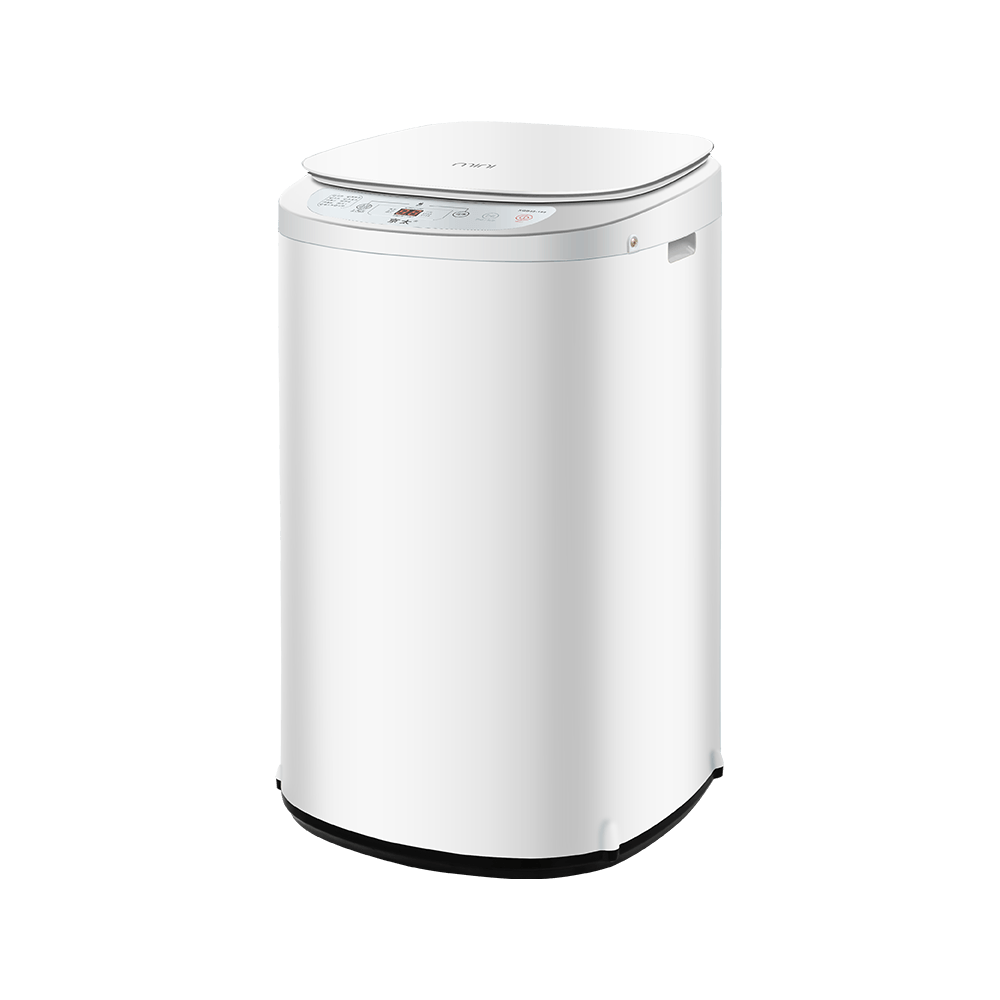
XQB45-188HM[Large capacity design to meet family needs]The 4... View More
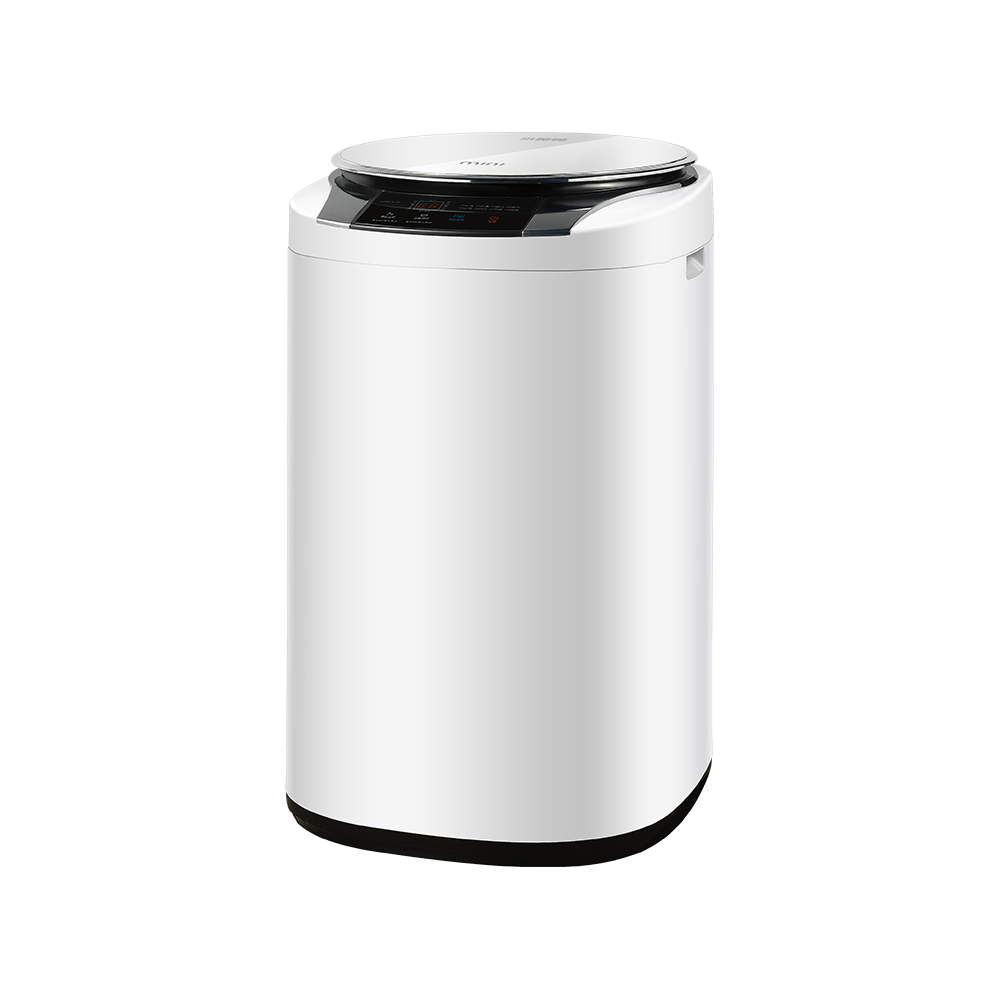
XQB35-166HM[Fashionable watch appearance, elegantly integrat... View More

XQB35-188HMThis washing machine is based on innovative high-... View More
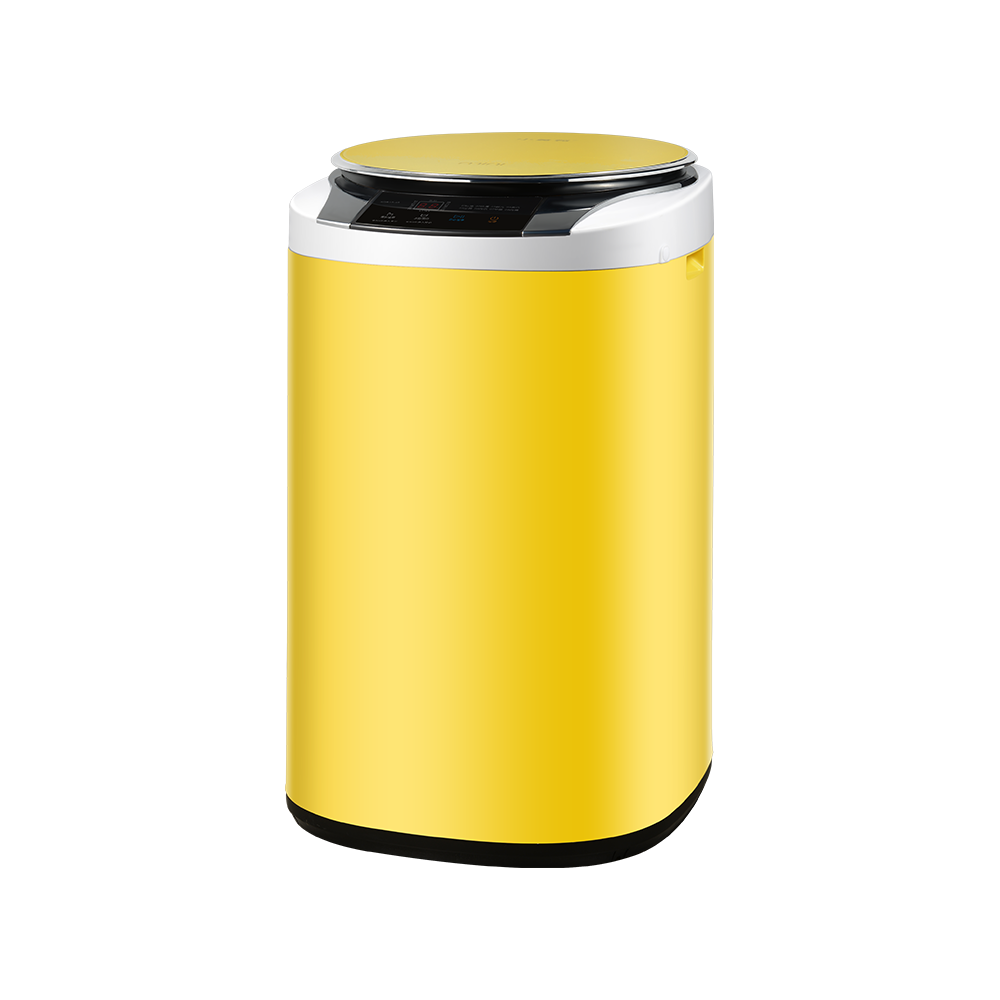
XQB35-655MLeading a new trend of healthy washing, integratin... View More

 Add: No.27 Hongwei Road, East Industrial Park, Guanhaiwei Town, Cixi City, Zhejiang Province, China
 Tel: +86-18520338190
 Tel: 400-8488-955
 Email: [email protected]
Copyright © Ningbo Zhijie Little Yellow Duck Electric Appliance Co., Ltd. All Rights Reserved.

Wholesale Fully Automatic Home Laundry Machine Manufacturers

 English
 عربى
عربى