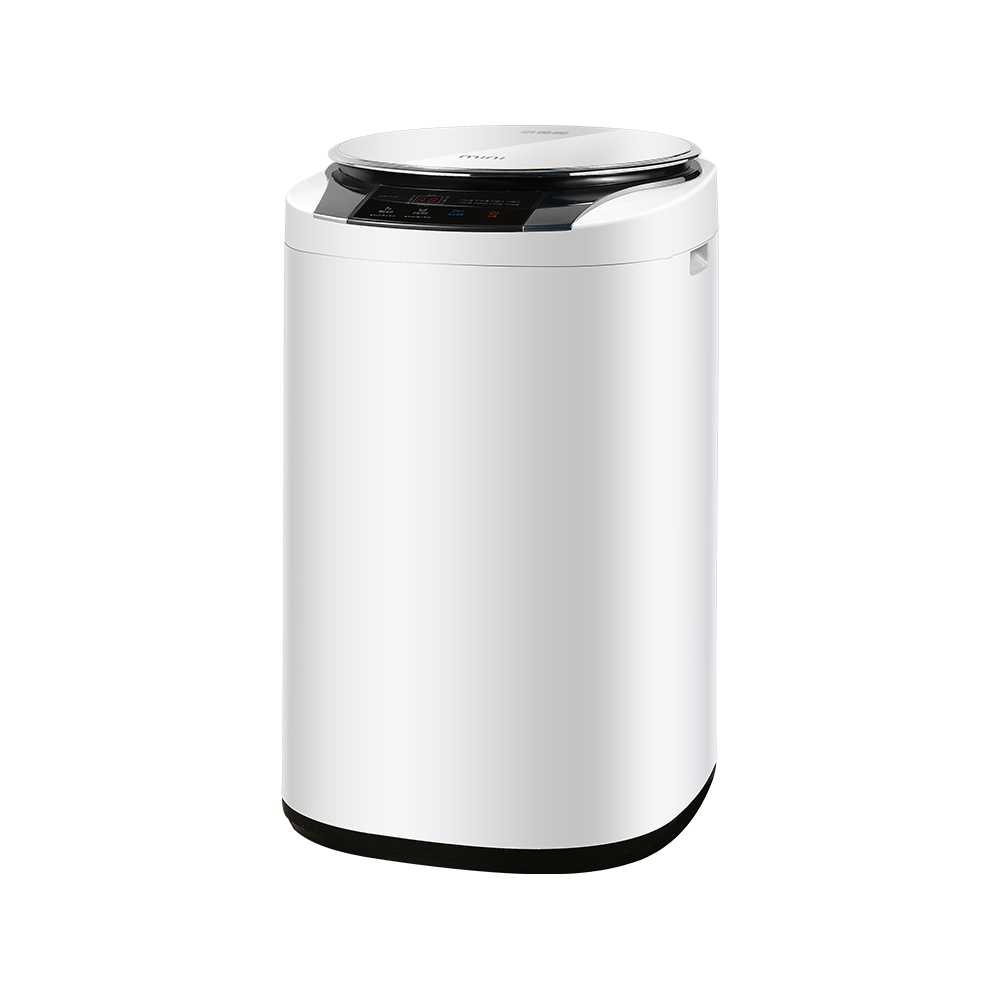
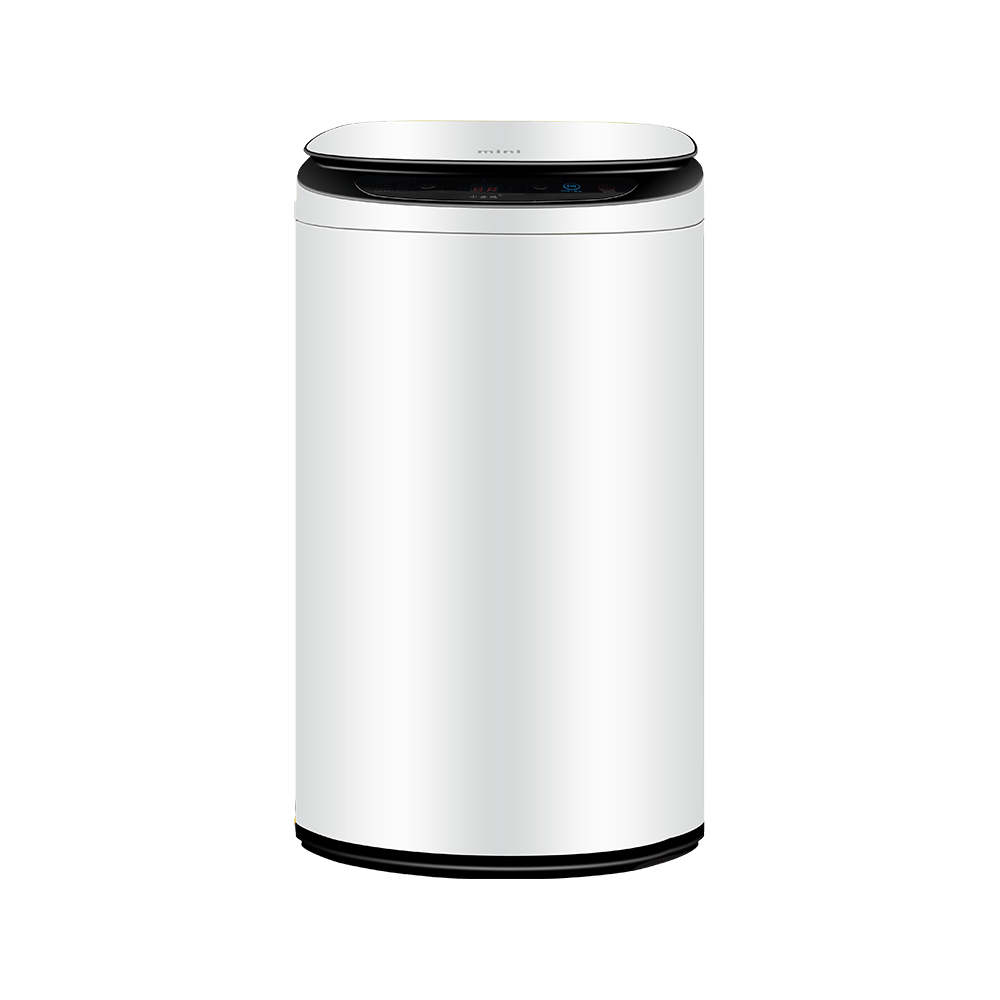
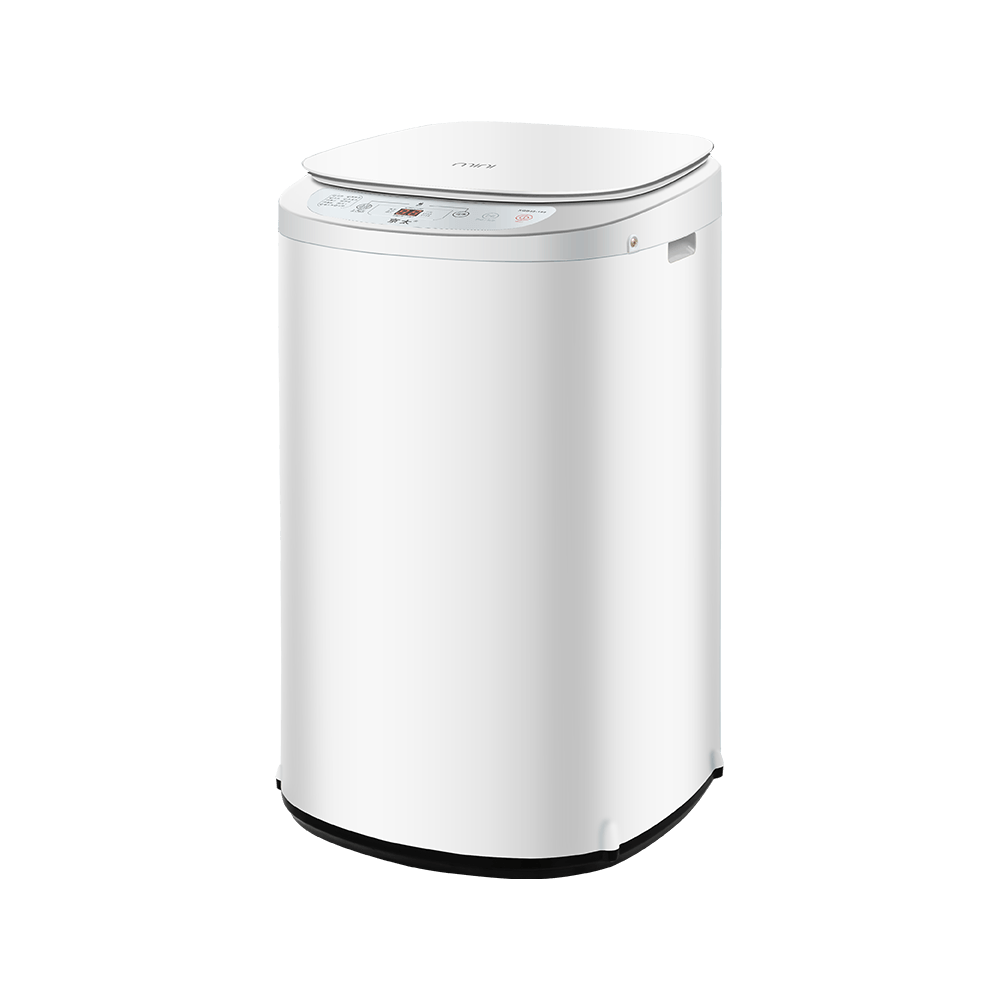
Fully automatic ozone washing machines with drying function are designed to integrate washing, disinfection, and drying into a unified process. These machines are often used in environments where hygiene standards are important and where fabric care consistency is expected. One of the frequently discussed topics is whether such machines support a low-temperature drying mode and how this mode fits into the overall system logic. Understanding this requires examining the principles of ozone washing, drying technology, and the control strategies used to manage temperature and airflow.
Low-temperature drying generally refers to drying processes that operate at temperatures lower than conventional hot-air drying. Instead of relying on high heat to evaporate moisture quickly, low-temperature drying uses extended time, controlled airflow, and sometimes condensation-based techniques. In fully automatic systems, low-temperature drying is often intended to reduce thermal stress on fabrics, minimize shrinkage, and preserve fiber structure. The presence of this mode depends on both hardware capability and software control design.
The drying function in an ozone washing machine is not an isolated module but part of an integrated process. After washing and ozone-based disinfection, the system transitions to drying while considering residual moisture, drum load, and fabric type. Machines that support low-temperature drying typically include adjustable heating elements, variable-speed fans, and temperature sensors. These components allow the system to maintain a controlled drying environment rather than applying a fixed high-temperature setting.
Temperature control is central to determining whether low-temperature drying is supported. Fully automatic ozone washing machines commonly use multiple sensors to monitor air temperature, drum temperature, and exhaust conditions. When low-temperature drying is available, the control system limits heater output and compensates by adjusting airflow rate and drying duration. This balance allows moisture to be removed gradually while keeping fabric surface temperatures within a lower range.
Ozone washing enables effective cleaning and disinfection at relatively low water temperatures. This characteristic aligns well with low-temperature drying concepts. Because ozone reduces reliance on high-temperature washing for hygiene purposes, the overall process does not require aggressive thermal input. As a result, many fully automatic ozone washing machines are designed with drying modes that operate at moderate or low temperatures, especially for fabrics sensitive to heat.
| Drying Aspect | Standard Drying Mode | Low-Temperature Drying Mode |
| Air temperature range | Moderate to high | Lower controlled range |
| Drying duration | Shorter | Longer |
| Fabric thermal stress | Higher | Reduced |
Support for low-temperature drying is often driven by fabric protection requirements. Delicate textiles, blended fibers, and garments with elastic components can be sensitive to prolonged heat exposure. Fully automatic machines that include low-temperature drying modes aim to address these concerns by reducing peak temperatures. This approach helps maintain fabric shape, flexibility, and surface appearance over repeated wash and dry cycles.
Moisture sensors play a key role in enabling low-temperature drying. By continuously measuring the remaining moisture content in the load, the machine can determine when sufficient drying has been achieved without relying on excessive heat. In low-temperature modes, the system often prioritizes sensor feedback over preset time limits, adjusting airflow and cycle duration dynamically to reach the desired dryness level.
When drying temperatures are reduced, airflow becomes more important for moisture removal. Fully automatic ozone washing machines that support low-temperature drying typically feature variable-speed fans and optimized air channels. These design elements ensure that warm air circulates evenly through the drum, preventing localized damp areas and reducing the need for higher heat input. Controlled airflow supports consistent drying performance even at lower temperatures.
Low-temperature drying may be offered as a dedicated program or as part of a broader fabric-care setting. Users may select options labeled for delicate fabrics, energy-saving operation, or gentle drying. Once selected, the machine automatically applies lower temperature limits and adjusts other parameters accordingly. This programmability allows users to benefit from low-temperature drying without needing detailed technical knowledge.
Low-temperature drying can influence energy consumption patterns. While lower temperatures reduce heater power usage, longer drying times may offset some of these savings. Fully automatic systems aim to optimize this balance by coordinating ozone washing benefits, efficient airflow, and precise moisture detection. In many cases, low-temperature drying is positioned as a fabric-care-oriented option rather than purely an energy-saving feature.
Not all fully automatic ozone washing machines with drying function support true low-temperature drying. Some models may only offer reduced-temperature settings within a limited range due to hardware constraints such as fixed heating elements or simplified control systems. Additionally, very heavy or dense loads may require higher temperatures to achieve complete drying within a reasonable time. These practical limitations influence how low-temperature modes are implemented and used.
Load size affects the feasibility of low-temperature drying. Smaller or medium loads are generally more suitable for lower temperature operation, as airflow can reach all garments more evenly. Fully automatic machines that support low-temperature drying often adjust load recommendations or automatically modify drying parameters when larger loads are detected. This adaptive behavior helps maintain drying effectiveness while still limiting temperature where possible.
Repeated exposure to high drying temperatures is a known factor in fabric aging. By supporting low-temperature drying modes, fully automatic ozone washing machines aim to slow this process. Lower thermal stress can help preserve fiber flexibility, reduce surface hardening, and limit dimensional changes over time. While wear from mechanical action remains unavoidable, temperature control contributes to more predictable garment aging.
Machines that include low-temperature drying often provide feedback through displays or indicators, informing users about selected temperature ranges or cycle progress. This transparency helps users understand that drying may take longer under low-temperature conditions. Clear communication reduces the likelihood of premature cycle interruption, which could otherwise lead to incomplete drying.
In practical terms, many fully automatic ozone washing machines with drying function are designed to support low-temperature drying either directly or through adaptive control strategies. The combination of ozone-based low-temperature washing, sensor-driven drying logic, and adjustable airflow makes it technically feasible to dry clothes at reduced temperatures. The extent and effectiveness of this support depend on machine design, available programs, and user operation, but low-temperature drying is increasingly integrated as part of fabric-care-oriented system functionality.
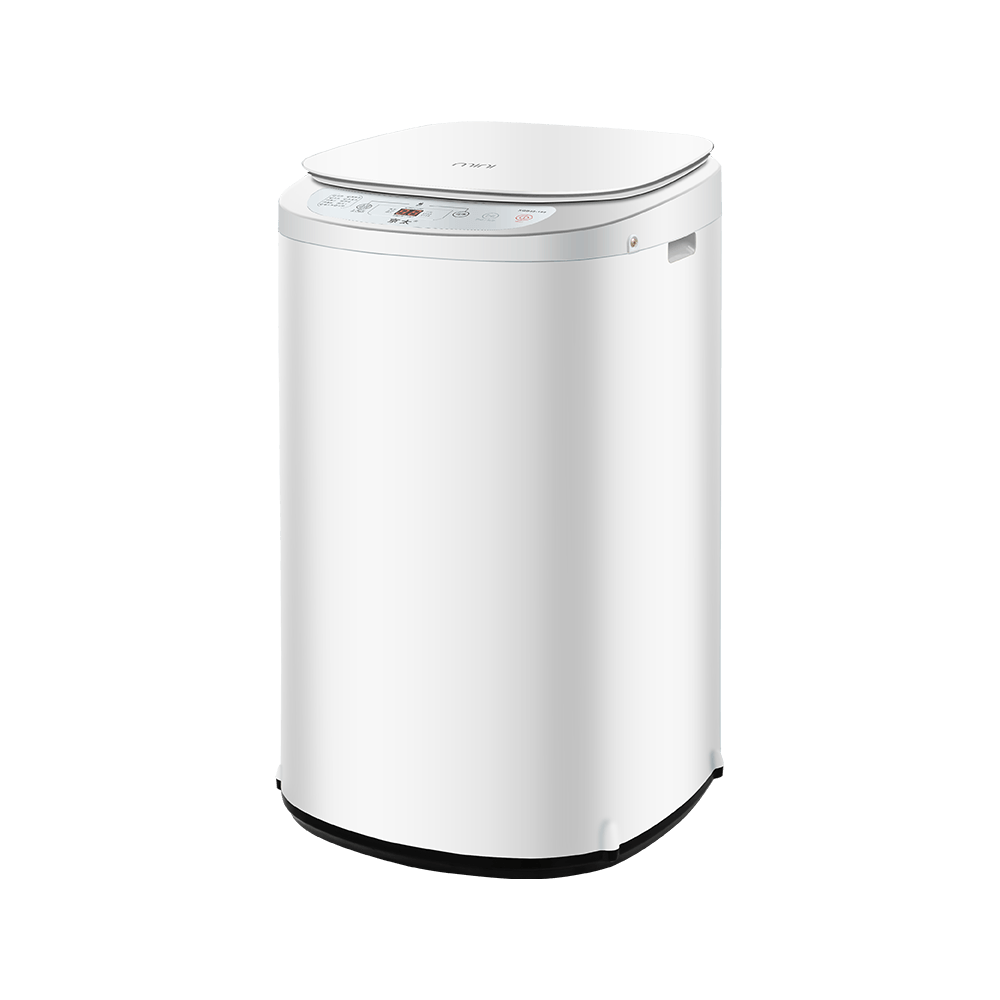
XQB45-188HM[Large capacity design to meet family needs]The 4... View More
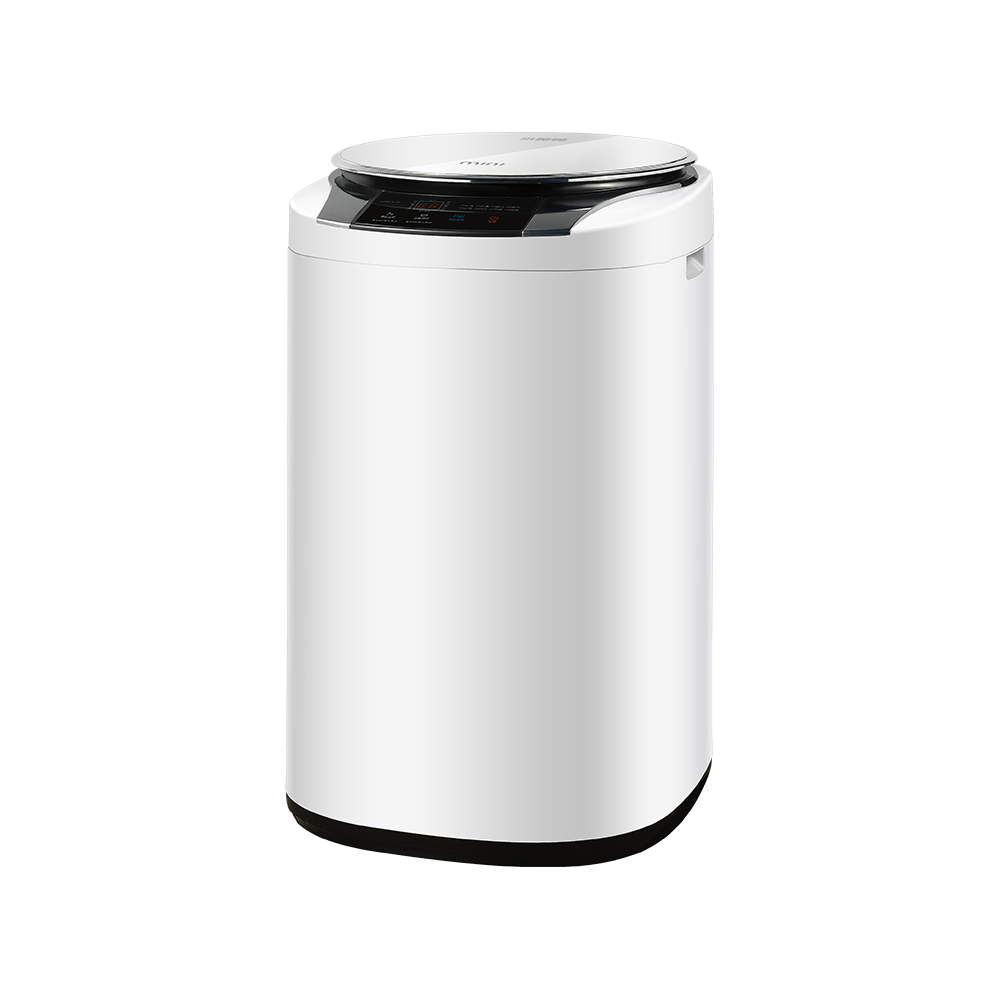
XQB35-166HM[Fashionable watch appearance, elegantly integrat... View More
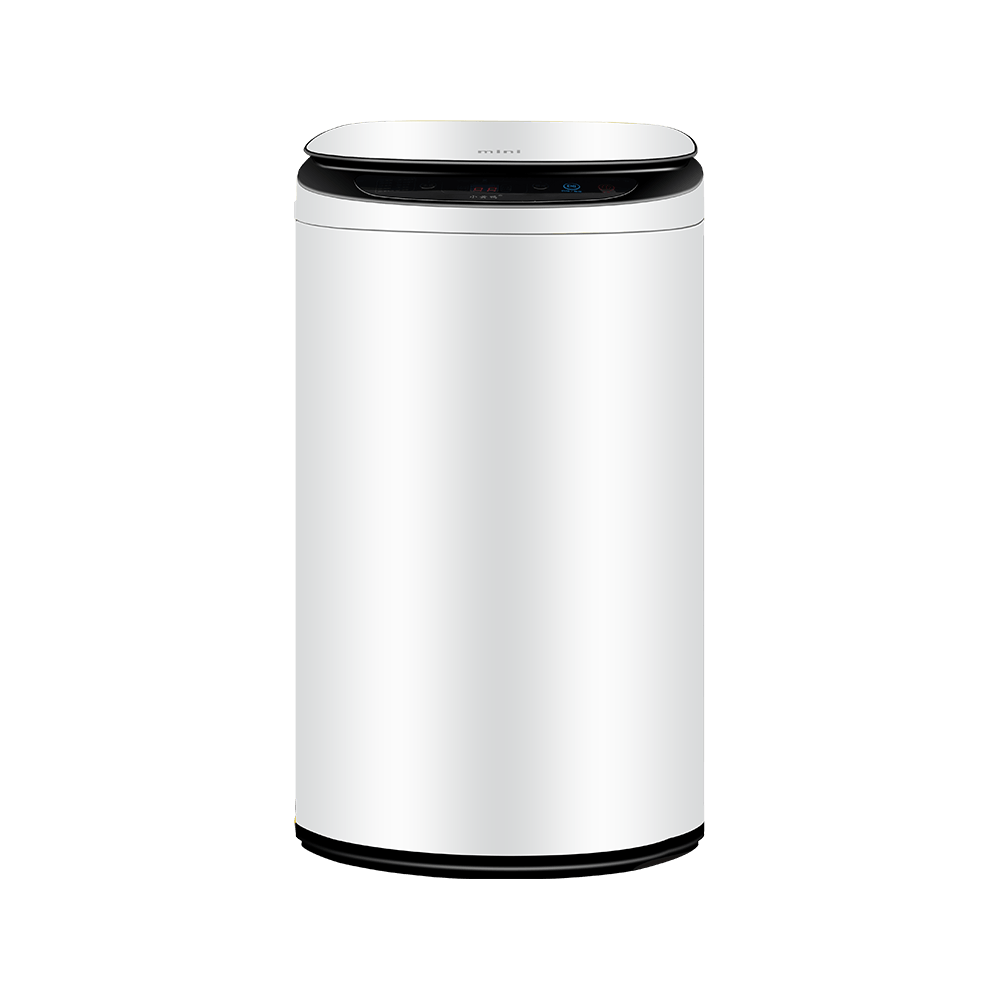
XQB35-188HMThis washing machine is based on innovative high-... View More
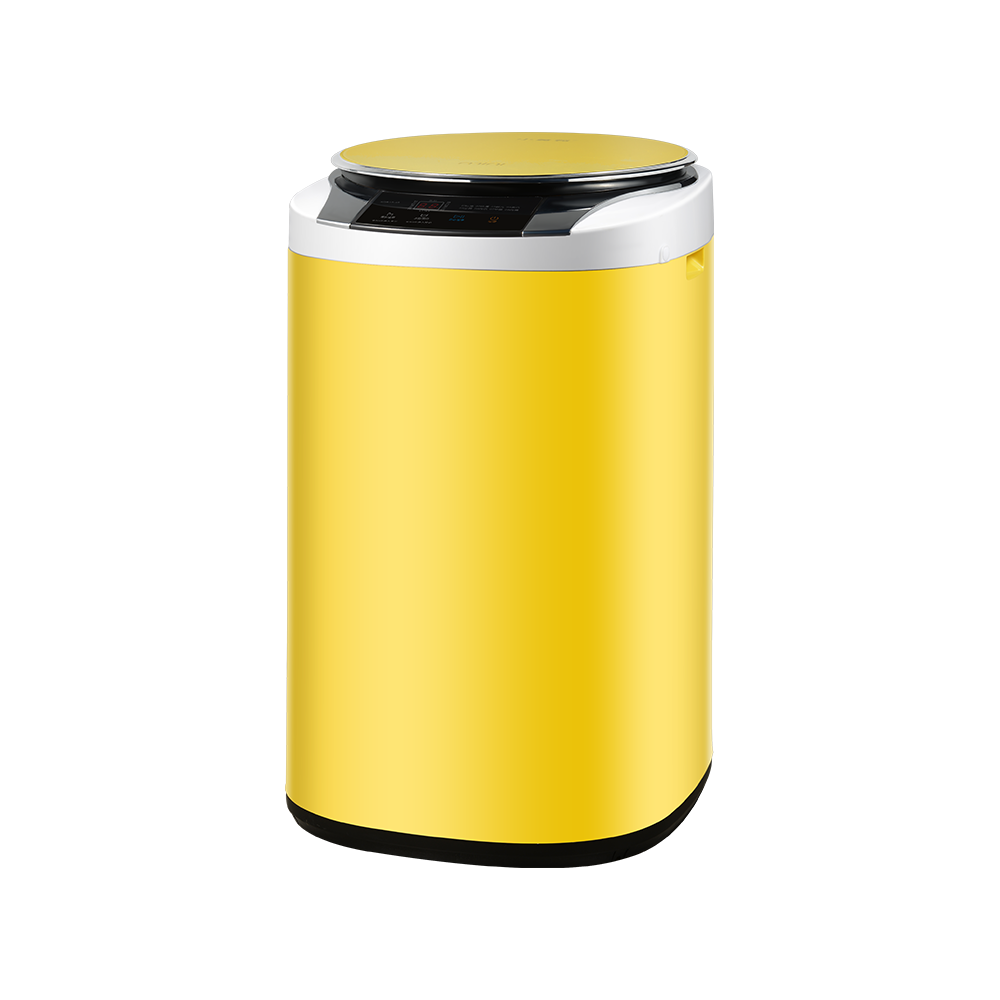
XQB35-655MLeading a new trend of healthy washing, integratin... View More

 Add: No.27 Hongwei Road, East Industrial Park, Guanhaiwei Town, Cixi City, Zhejiang Province, China
 Tel: +86-18520338190
 Tel: 400-8488-955
 Email: [email protected]
Copyright © Ningbo Zhijie Little Yellow Duck Electric Appliance Co., Ltd. All Rights Reserved.

Wholesale Fully Automatic Home Laundry Machine Manufacturers

 English
 عربى
عربى