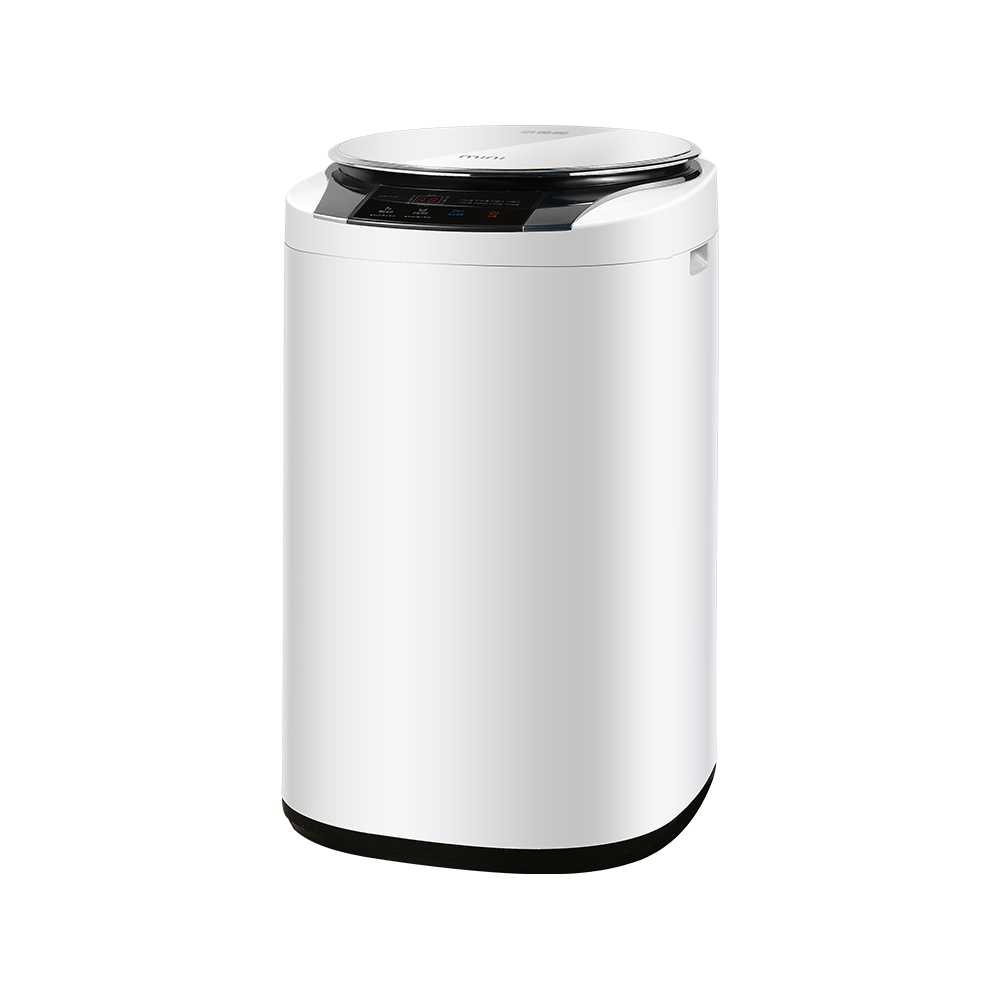
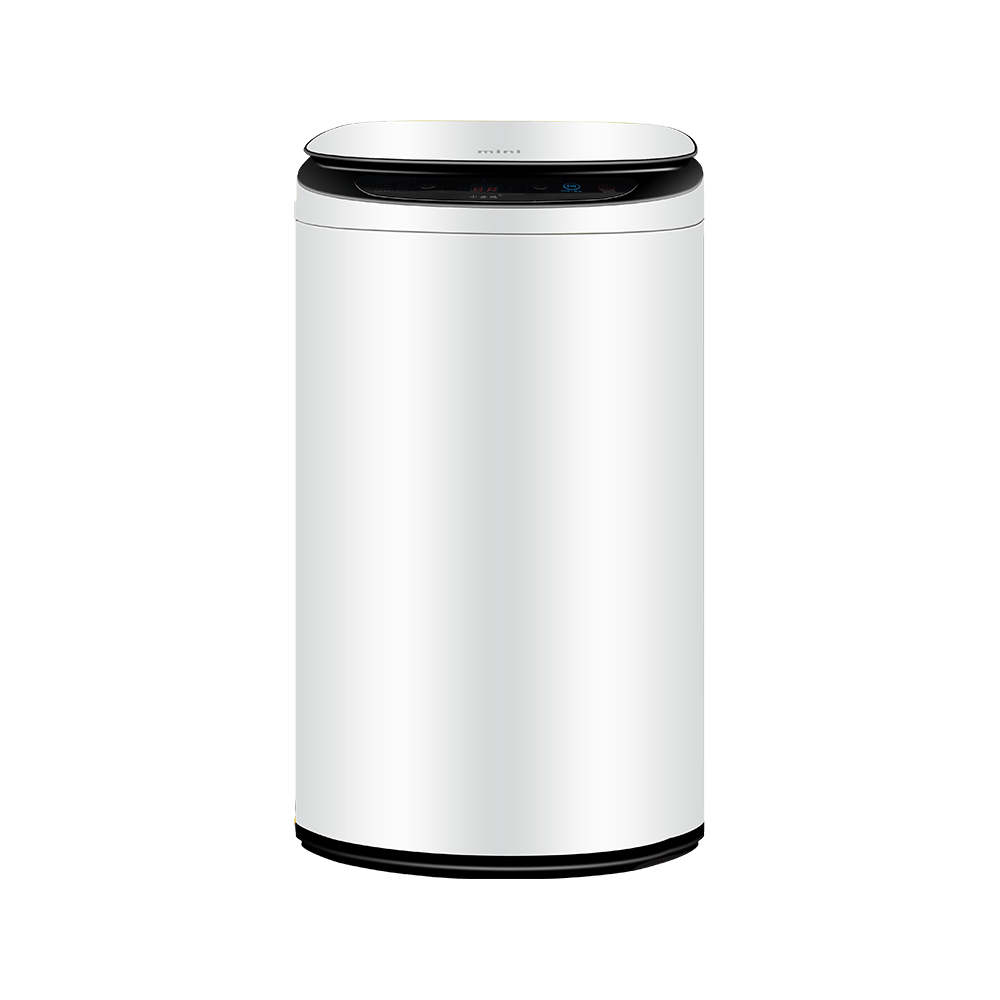
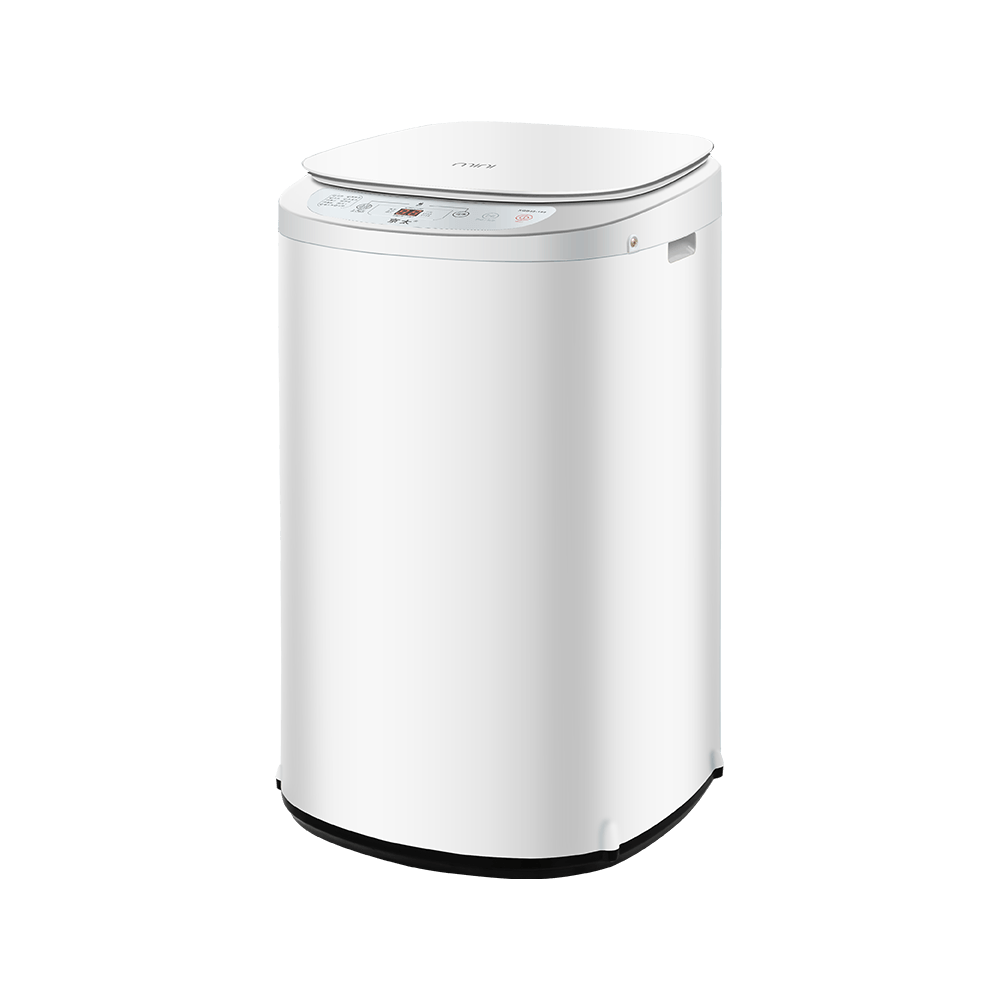
Fully automatic ozone washing machines with drying function are increasingly used in settings where hygiene control, fabric care, and operational efficiency are all important. These machines integrate traditional washing, ozone-based disinfection, and drying into a single system. A common concern among users is whether such equipment can automatically adjust its operation to reduce the risk of fabric damage. The answer depends on how the machine senses load conditions, manages ozone concentration, controls mechanical action, and regulates temperature and drying intensity throughout the washing and drying cycles.
Ozone washing relies on the oxidative properties of ozone to break down microorganisms, odors, and certain organic residues. Unlike conventional chemical detergents, ozone can achieve cleaning and sanitizing effects at lower water temperatures. However, ozone is also a reactive gas, and excessive exposure may affect certain fibers. Fully automatic systems are therefore designed to generate ozone in controlled amounts and dissolve it into water at regulated concentrations. Automatic adjustment mechanisms help balance cleaning effectiveness with fabric safety.
One of the primary ways these machines prevent clothing damage is through automatic load detection. Sensors measure the weight and sometimes the distribution of laundry inside the drum before and during operation. Based on this information, the machine adjusts water level, drum rotation speed, washing time, and drying intensity. Overloading can increase friction and stress on fabrics, while underloading may lead to excessive mechanical action. Automatic load sensing helps keep mechanical forces within a range that reduces unnecessary wear.
Mechanical action is a key factor in fabric wear. Fully automatic ozone washing machines typically use programmable drum motion patterns that change based on fabric type and load size. Gentle tumbling, intermittent rotation, or reduced spin speeds are applied for delicate textiles. The machine’s control system adjusts these parameters automatically once the selected program and detected load conditions are confirmed. This adaptive approach helps limit fiber stretching, pilling, and seam stress during both washing and drying phases.
To prevent damage related to chemical exposure, ozone concentration is closely regulated. Sensors and control algorithms monitor ozone generation, dissolution, and contact time with fabrics. For lighter or more delicate loads, the system may reduce ozone dosage or shorten exposure duration. This automatic regulation is essential because prolonged or excessive ozone exposure could accelerate aging in some natural or blended fibers. Controlled ozone application allows the machine to maintain hygiene benefits while limiting potential fabric impact.
| Control Aspect | Automatic Adjustment Method | Impact on Clothing Protection |
| Load weight | Sensor-based detection | Prevents excessive mechanical stress |
| Ozone concentration | Programmable generation control | Limits chemical exposure to fabrics |
| Drum speed | Adaptive rotation algorithms | Reduces fiber stretching and abrasion |
Ozone washing often allows effective cleaning at lower water temperatures compared to conventional methods. Fully automatic machines use temperature sensors to maintain preset limits suitable for different textiles. Lower temperatures reduce thermal stress, color fading, and shrinkage risks. If higher temperatures are selected for specific sanitation needs, the system regulates heating duration and transitions smoothly between stages to avoid sudden thermal shocks to the clothing.
Many advanced ozone washing machines offer multiple preset programs designed for different fabric categories such as cotton, synthetics, blends, or delicate items. Some systems also incorporate fabric recognition based on load behavior during initial drum rotations. Once a suitable program is selected, the machine automatically aligns washing intensity, ozone dosage, rinse cycles, and drying parameters with the expected durability of the fabrics. This coordination helps reduce user error and improves consistency in fabric care.
The drying function plays a significant role in preventing clothing damage. Over-drying can weaken fibers, cause shrinkage, or make fabrics stiff. Fully automatic machines use moisture sensors to detect residual water content in the load. Drying time and temperature are adjusted dynamically based on sensor feedback. When the desired dryness level is reached, the machine reduces heat or stops the cycle, helping protect fabrics from prolonged heat exposure.
Drying temperature is automatically managed to suit different load conditions. For lighter or mixed loads, lower drying temperatures and longer airflow periods may be applied. Heavier fabrics may receive higher temperatures but for controlled durations. The machine’s control system balances evaporation efficiency with fiber tolerance, reducing the likelihood of heat-related deformation or surface damage.
Proper airflow is essential for uniform drying and fabric safety. Fully automatic ozone washing machines with drying function regulate airflow direction and intensity to avoid localized overheating. Even distribution of warm air prevents certain areas of garments from drying too quickly while others remain damp. This balanced approach reduces uneven stress on fibers and seams, contributing to more consistent fabric condition after drying.
Before transitioning from washing to drying, many systems include an ozone neutralization or dissipation phase. Residual ozone is broken down into oxygen through time delay, catalytic processes, or ventilation. This step is important because drying fabrics in the presence of active ozone could increase oxidative stress on fibers. Automatic neutralization ensures that the drying stage focuses solely on moisture removal without additional chemical interaction.
The effectiveness of automatic adjustment depends on the reliability of the control system. Sensors, software algorithms, and actuators must work together to respond accurately to changing conditions. Modern systems are designed to process multiple inputs simultaneously, such as load weight, drum resistance, moisture level, and temperature. This integrated control logic allows the machine to continuously fine-tune its operation to reduce fabric strain throughout the entire cycle.
While automation handles most adjustments, user input still plays a role. Selecting an inappropriate program or overloading the drum can limit the effectiveness of automatic protection features. However, many machines include safeguards such as overload warnings or default parameter limits. These measures help correct or compensate for user choices, further reducing the risk of clothing damage.
Over repeated washing and drying cycles, fabric condition depends on cumulative exposure to mechanical action, ozone, heat, and moisture. Fully automatic ozone washing machines aim to manage these factors consistently from cycle to cycle. By maintaining controlled conditions rather than relying on fixed, high-intensity settings, the machines support more predictable fabric aging patterns. This consistency is an important aspect of long-term clothing care.
In practical use, fully automatic ozone washing machines with drying function demonstrate their protective capabilities through adaptive responses rather than single protective features. Automatic adjustments to load size, ozone dosage, drum motion, temperature, and drying duration work together to reduce the likelihood of fabric damage. While no system can eliminate wear entirely, the integration of sensing and control technologies allows these machines to manage risks in a way that aligns with diverse clothing types and usage scenarios.
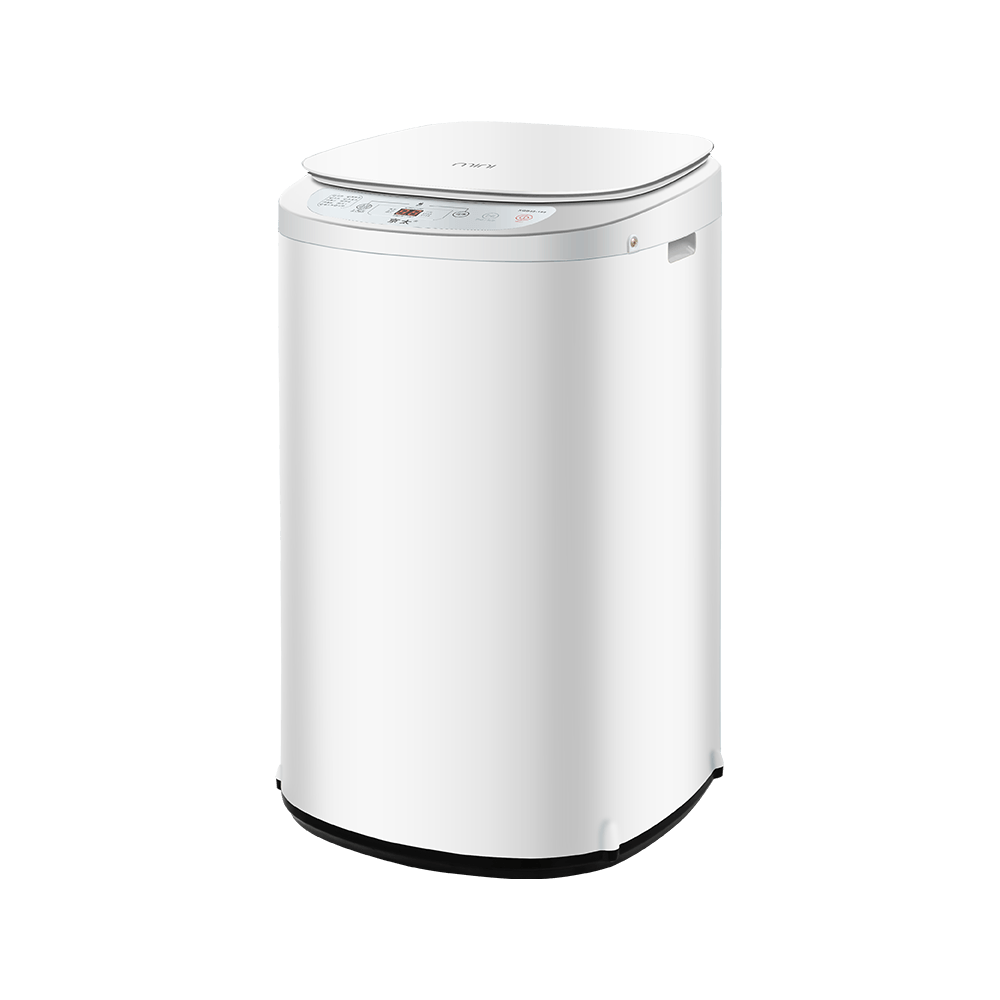
XQB45-188HM[Large capacity design to meet family needs]The 4... View More
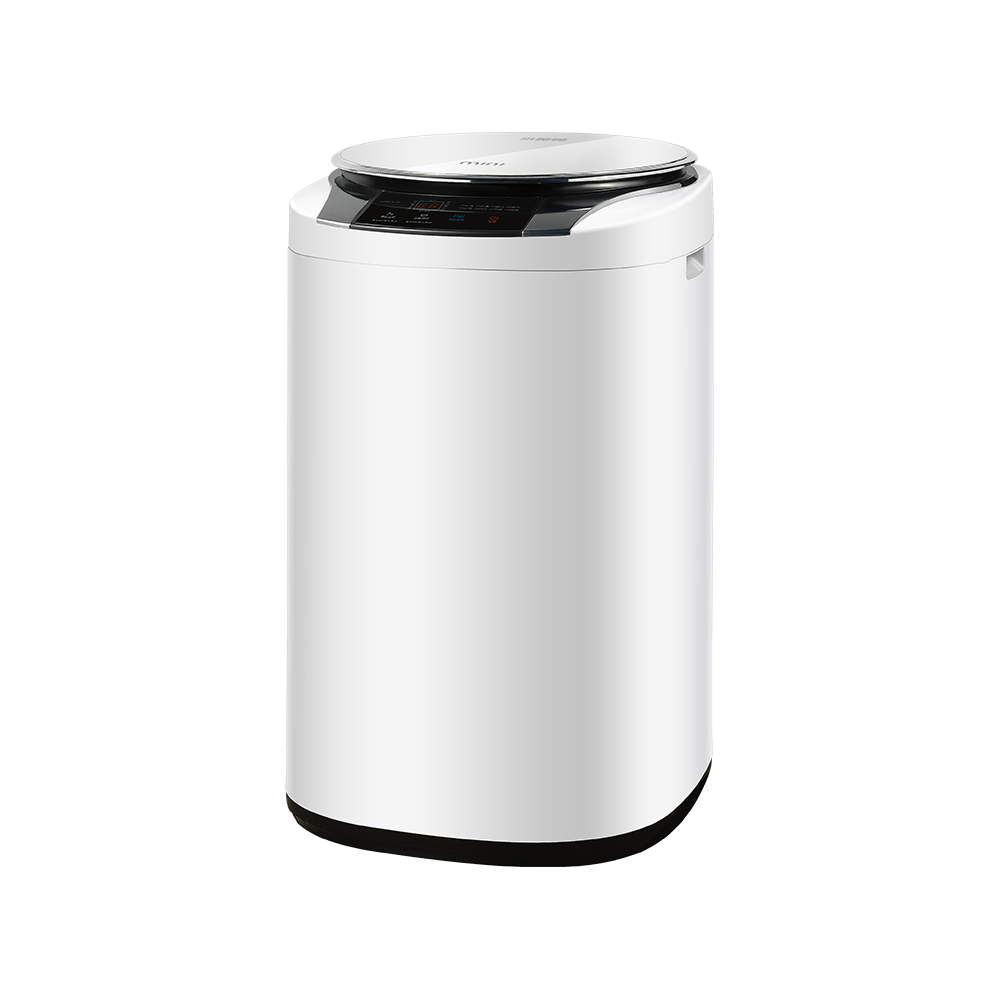
XQB35-166HM[Fashionable watch appearance, elegantly integrat... View More
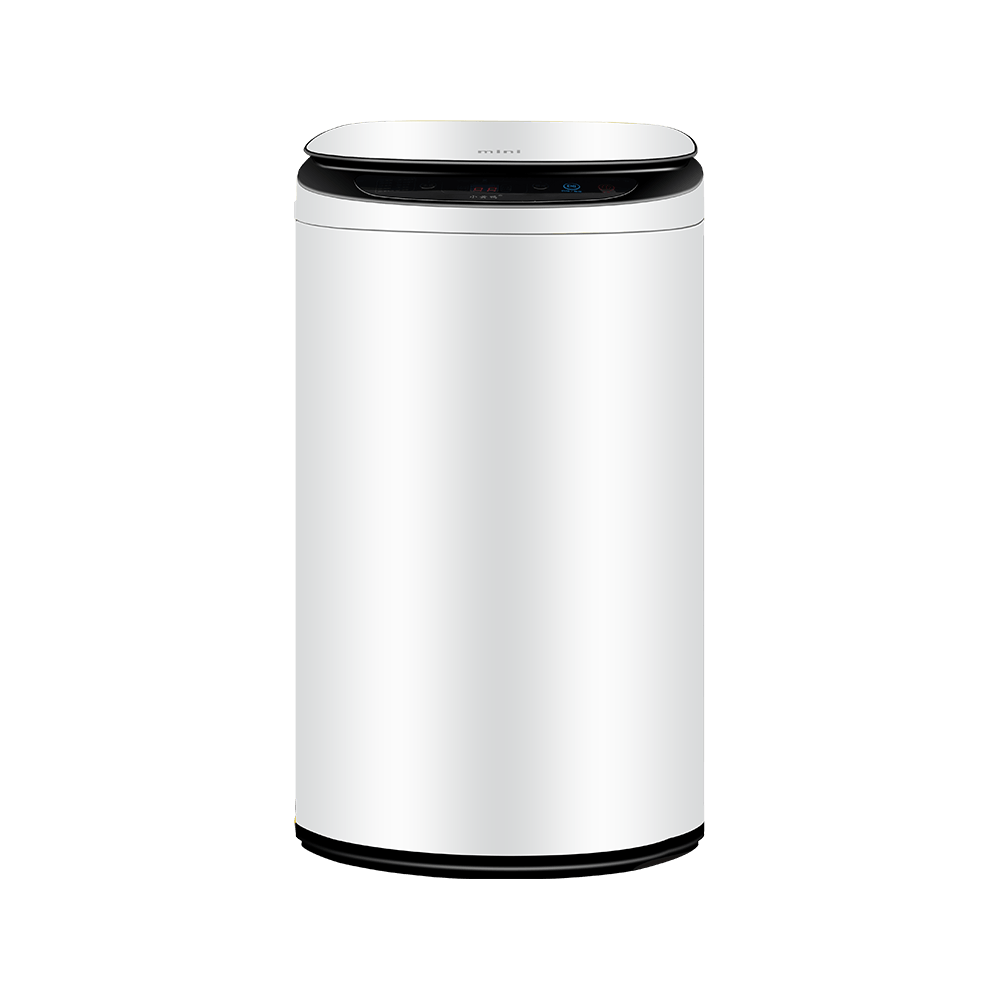
XQB35-188HMThis washing machine is based on innovative high-... View More
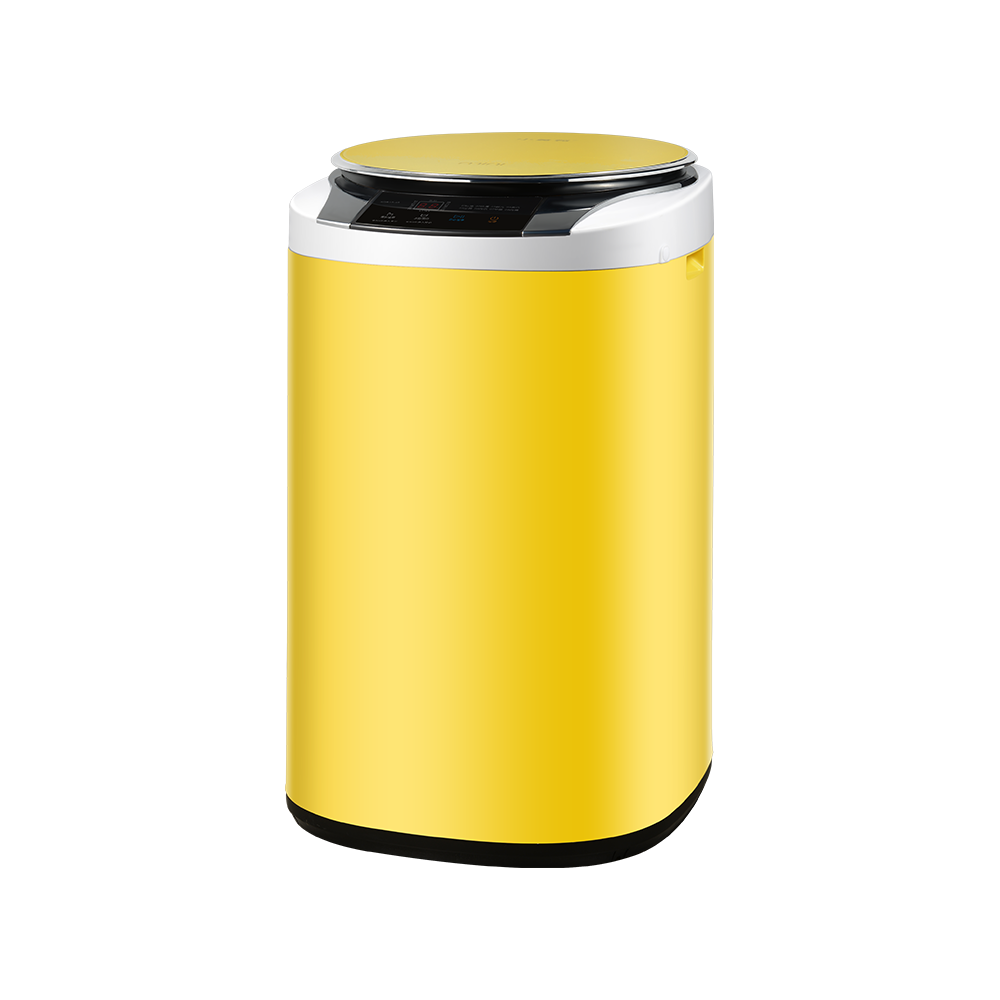
XQB35-655MLeading a new trend of healthy washing, integratin... View More

 Add: No.27 Hongwei Road, East Industrial Park, Guanhaiwei Town, Cixi City, Zhejiang Province, China
 Tel: +86-18520338190
 Tel: 400-8488-955
 Email: [email protected]
Copyright © Ningbo Zhijie Little Yellow Duck Electric Appliance Co., Ltd. All Rights Reserved.

Wholesale Fully Automatic Home Laundry Machine Manufacturers

 English
 عربى
عربى