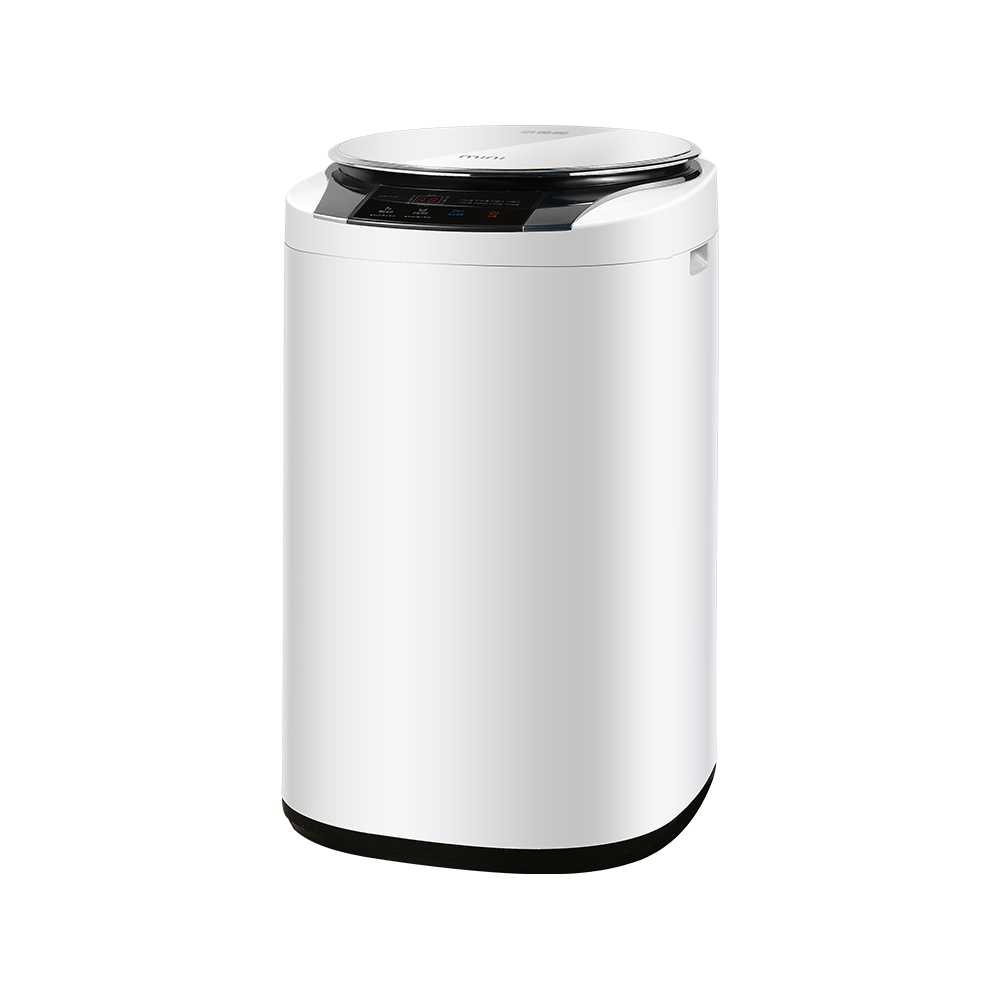
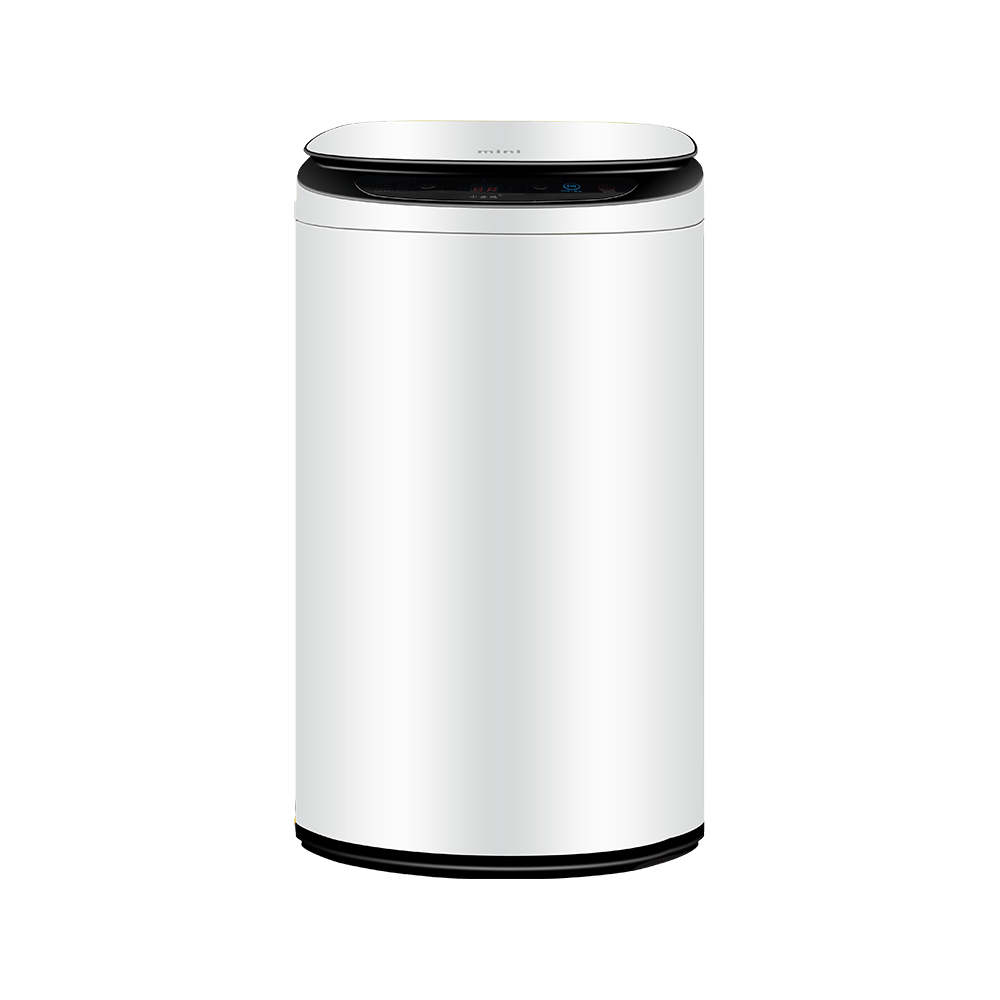
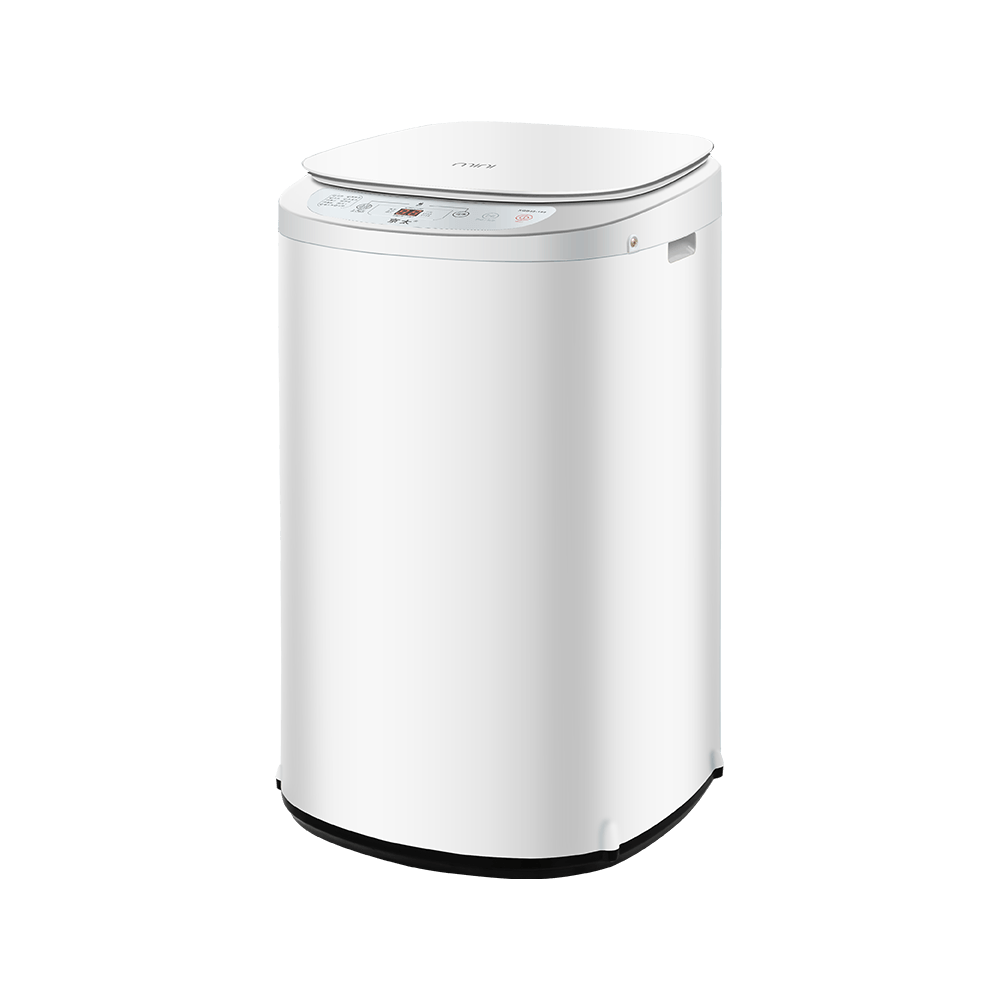
Fully automatic washing machines have become a central part of modern household and commercial laundry solutions due to their convenience and efficiency. These machines automate the washing process, including water intake, detergent distribution, washing cycles, rinsing, and spinning. The performance of fully automatic washing machines, however, can be influenced by external factors such as water pressure and water quality. Understanding how these machines interact with different environments helps consumers and businesses choose suitable models and maintain reliable operation.
Fully automatic washing machines are designed to operate within a range of water pressures to ensure proper filling and washing performance. Low water pressure can result in slower fill times, incomplete washing cycles, and potential strain on internal valves and pumps. High water pressure, on the other hand, may stress the water inlet system, causing leaks or triggering safety mechanisms. Manufacturers often include pressure regulators or sensors to allow the machine to function reliably across a spectrum of household water pressures.
Modern fully automatic washing machines are generally equipped with mechanisms to adjust to varying water pressure. For example, advanced models can monitor incoming water flow and compensate for low or fluctuating pressure by extending fill times or optimizing drum rotation patterns. These adaptations improve the machine’s ability to handle inconsistent water supply without affecting washing quality or cycle completion.
Water quality is another important factor affecting the operation of fully automatic washing machines. Hard water containing high levels of calcium and magnesium can lead to scale buildup inside the drum, pipes, and heating elements. This can reduce energy efficiency, decrease washing effectiveness, and eventually shorten the lifespan of the machine. Soft water, while less damaging, may result in excessive sudsing if detergent is not properly measured.
Fully automatic washing machines may include built-in water softening or filtration components to adapt to various water qualities. These components help prevent scale formation and maintain optimal detergent performance. Users in areas with known water hardness issues may benefit from additional pre-filters or external softeners to ensure consistent operation over time.
Manufacturers of fully automatic washing machines consider environmental variables such as water pressure and water quality during the design process. Machines intended for global markets often incorporate robust inlet valves, sensors, and adjustable cycle parameters to adapt to diverse conditions. Additionally, certain models are categorized as compressor washing machines or electronic water control machines, which allow precise adjustments for water flow and temperature, ensuring efficiency even in challenging environments.
Table comparing machine adaptability to different water conditions:
| Water Condition | Effect on Standard Machine | Adaptation in Fully Automatic Machine |
| Low Pressure | Slow filling, incomplete cycles | Extended fill times, optimized drum rotation |
| High Pressure | Potential leaks, valve stress | Pressure sensors and regulators prevent overpressure |
| Hard Water | Scale buildup, decreased heating efficiency | Built-in softening systems, pre-filters |
| Soft Water | Excessive suds | Automated detergent adjustment |
Fully automatic washing machines often have sensors that detect water characteristics and adjust detergent usage and wash cycles accordingly. In areas with poor water quality, these adjustments ensure that fabrics are cleaned effectively without residue or over-sudsing. Users may also manually select cycles designed for specific water hardness levels or soil types, providing additional flexibility and protection for both the machine and clothing.
Electronic cooling and monitoring systems in modern machines allow real-time adjustments during washing cycles. These systems ensure that water pressure variations or minor quality fluctuations do not compromise wash effectiveness. As a result, fully automatic machines provide a reliable solution across households with diverse water environments.
Regular maintenance is essential to maximize performance and longevity of fully automatic washing machines, particularly in areas with water quality or pressure challenges. Descaling the machine, cleaning inlet filters, and periodically inspecting water hoses can prevent operational issues. Manufacturers provide guidance for maintenance intervals based on local water conditions, ensuring that users maintain consistent washing quality and machine reliability.
Using recommended detergents and avoiding overloading the machine also helps maintain stability and prevents strain on components. In environments with fluctuating water pressure, users should ensure that inlet connections and valves are secure to prevent leaks or interruptions during cycles.
The ability of fully automatic washing machines to adapt to different water pressures and qualities provides several advantages. Users benefit from reliable wash performance regardless of environmental variability, reducing the risk of damage to clothing and the machine itself. Machines equipped with electronic sensors and water control systems enhance convenience by automatically compensating for minor fluctuations, reducing the need for manual intervention.
Table summarizing adaptability features:
| Feature | Benefit |
| Water pressure sensors | Prevent incomplete cycles and component stress |
| Built-in water softeners | Reduce scale buildup and maintain heating efficiency |
| Detergent adjustment systems | Optimize cleaning with varying water quality |
| Electronic monitoring | Automatically compensates for water fluctuations |
| Maintenance alerts | Guide users to perform preventative care |
Fully automatic washing machines demonstrate significant adaptability to diverse water pressure and quality conditions. Through the integration of sensors, electronic controls, and water management systems, these machines can operate effectively in households and commercial environments with varying water characteristics. Proper maintenance, attention to water quality, and correct detergent usage further enhance their performance and longevity, making fully automatic washing machines a versatile and reliable solution for laundry needs.
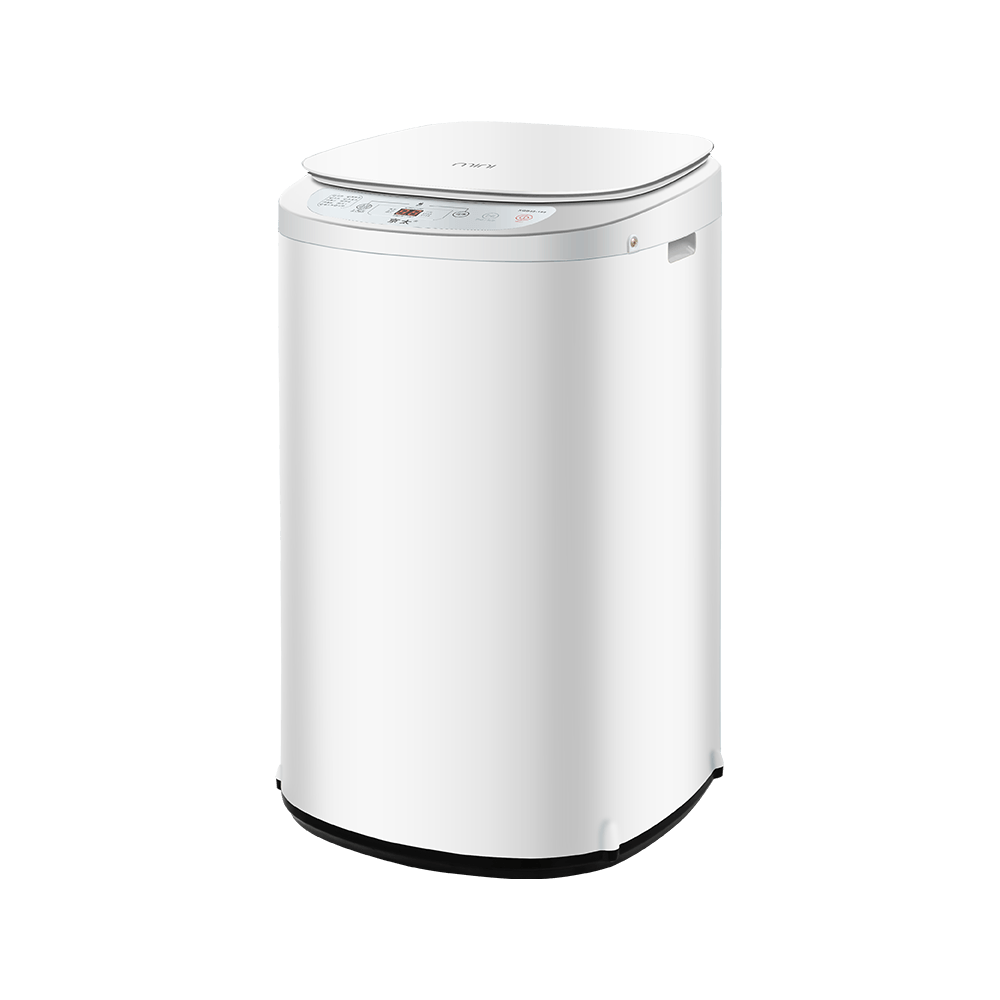
XQB45-188HM[Large capacity design to meet family needs]The 4... View More
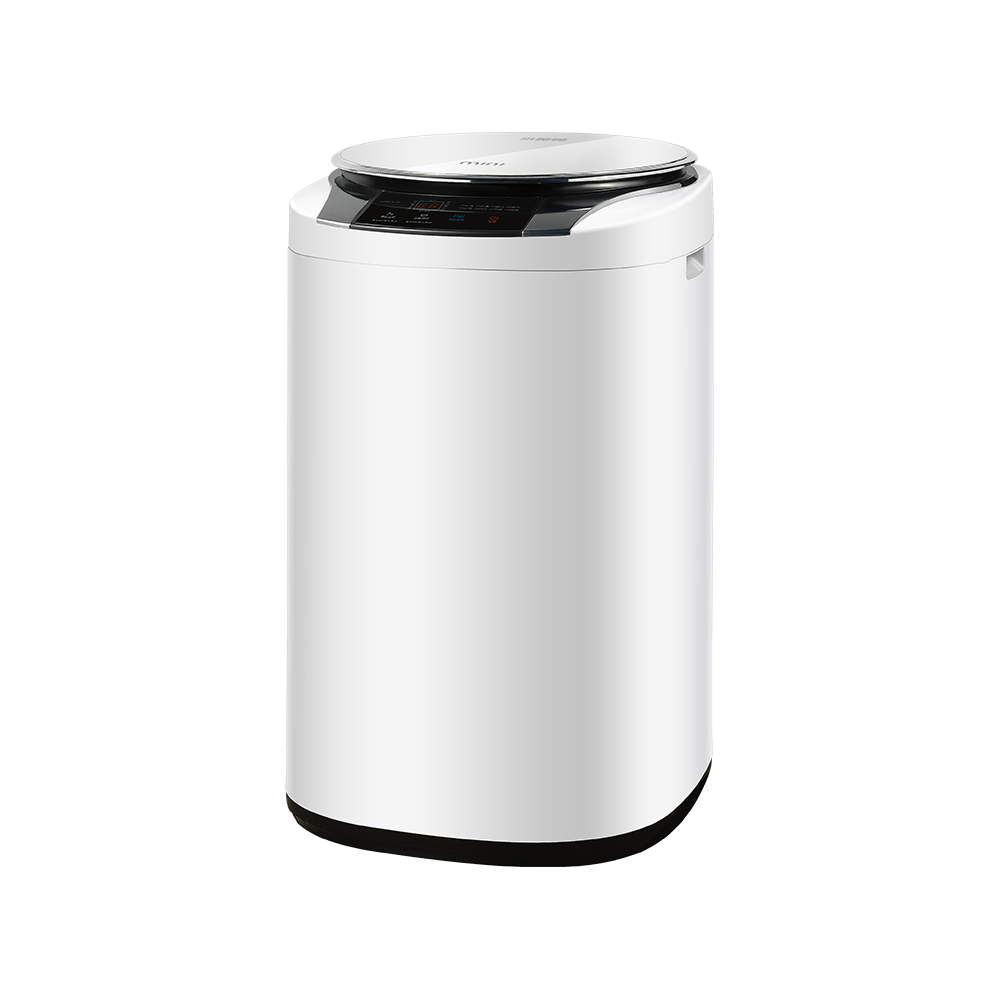
XQB35-166HM[Fashionable watch appearance, elegantly integrat... View More
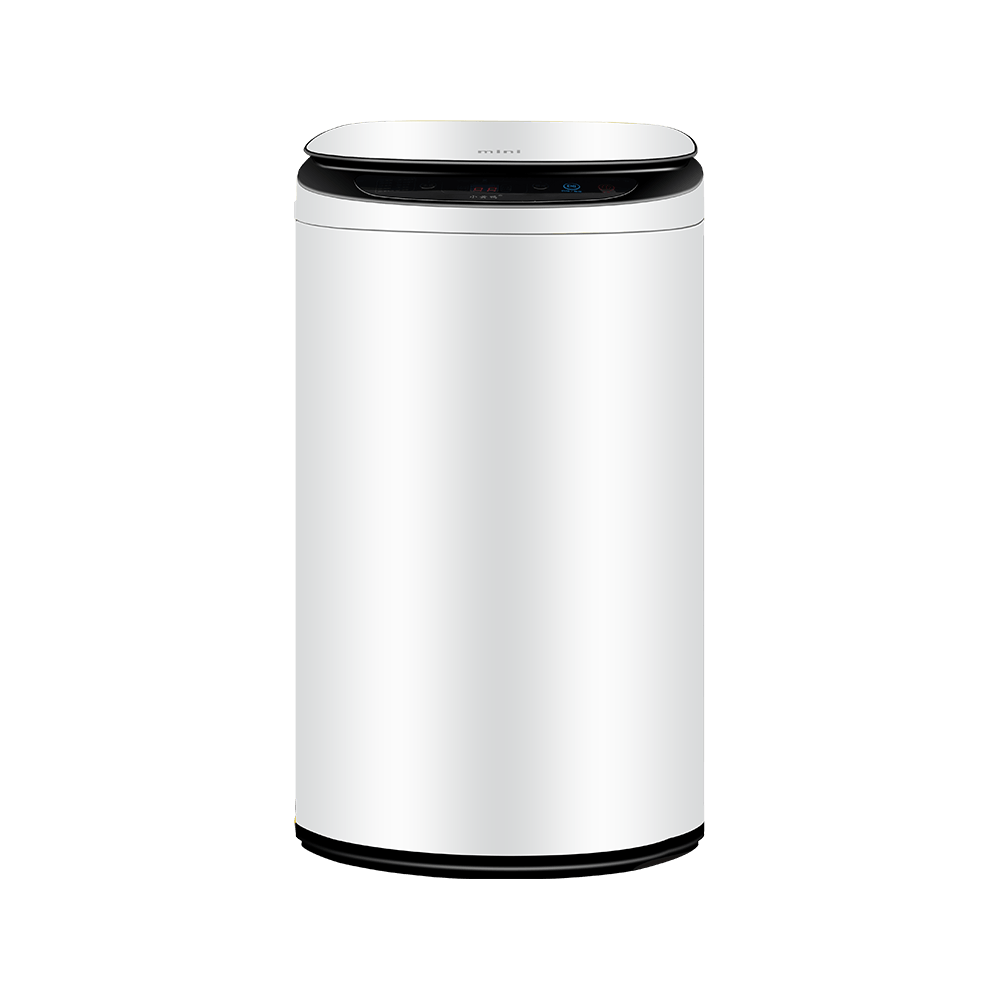
XQB35-188HMThis washing machine is based on innovative high-... View More
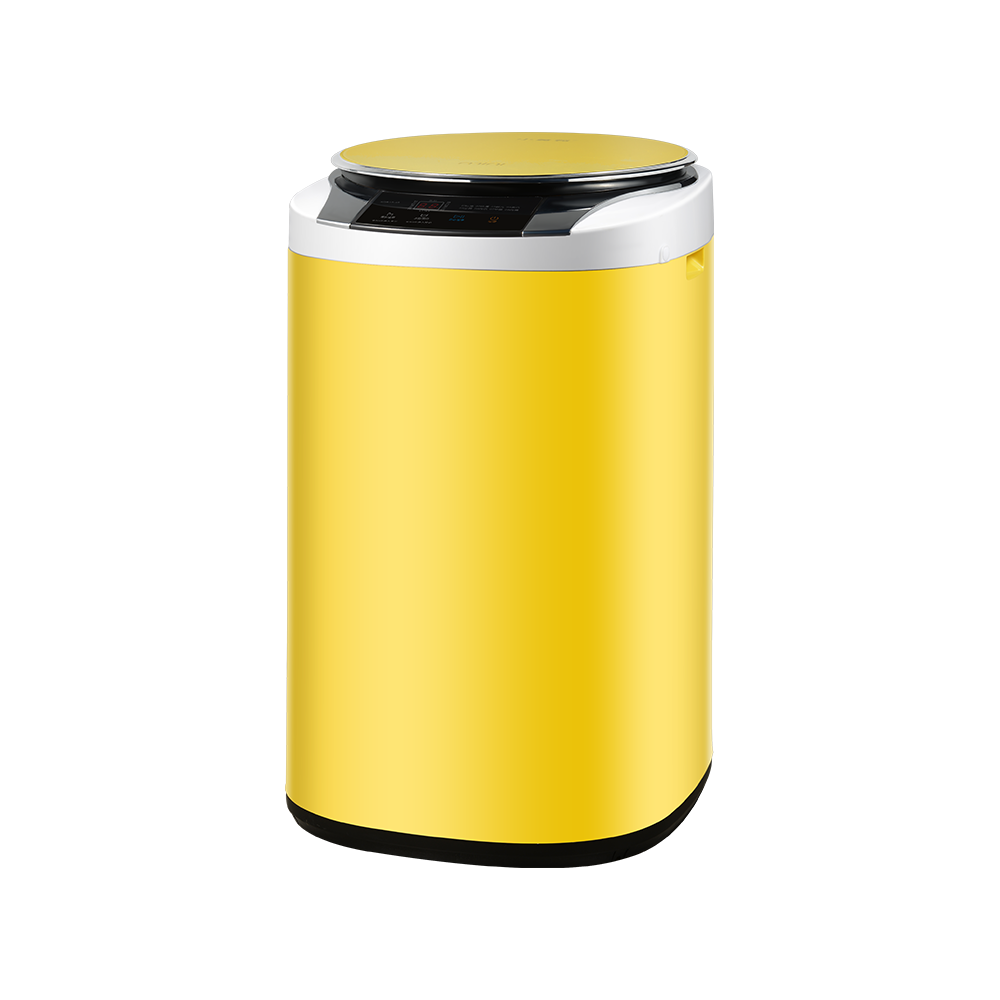
XQB35-655MLeading a new trend of healthy washing, integratin... View More

 Add: No.27 Hongwei Road, East Industrial Park, Guanhaiwei Town, Cixi City, Zhejiang Province, China
 Tel: +86-18520338190
 Tel: 400-8488-955
 Email: [email protected]
Copyright © Ningbo Zhijie Little Yellow Duck Electric Appliance Co., Ltd. All Rights Reserved.

Wholesale Fully Automatic Home Laundry Machine Manufacturers

 English
 عربى
عربى