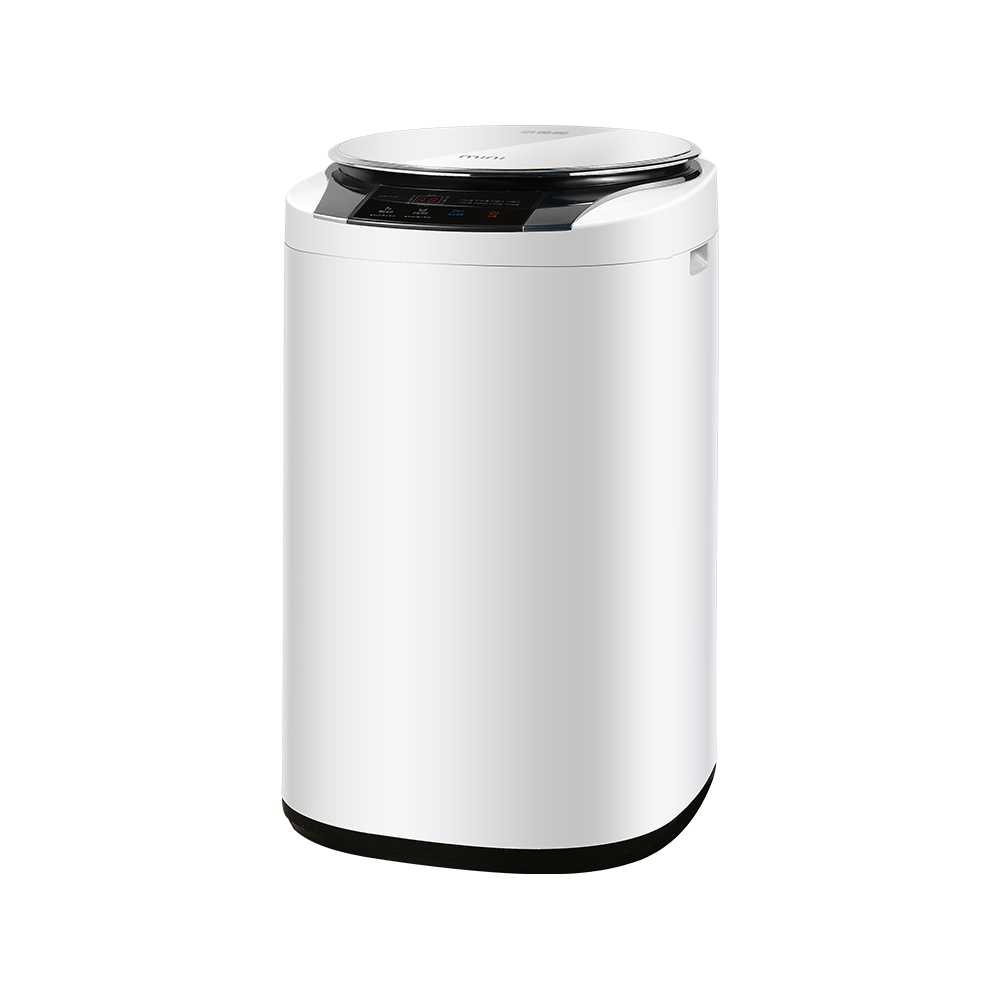
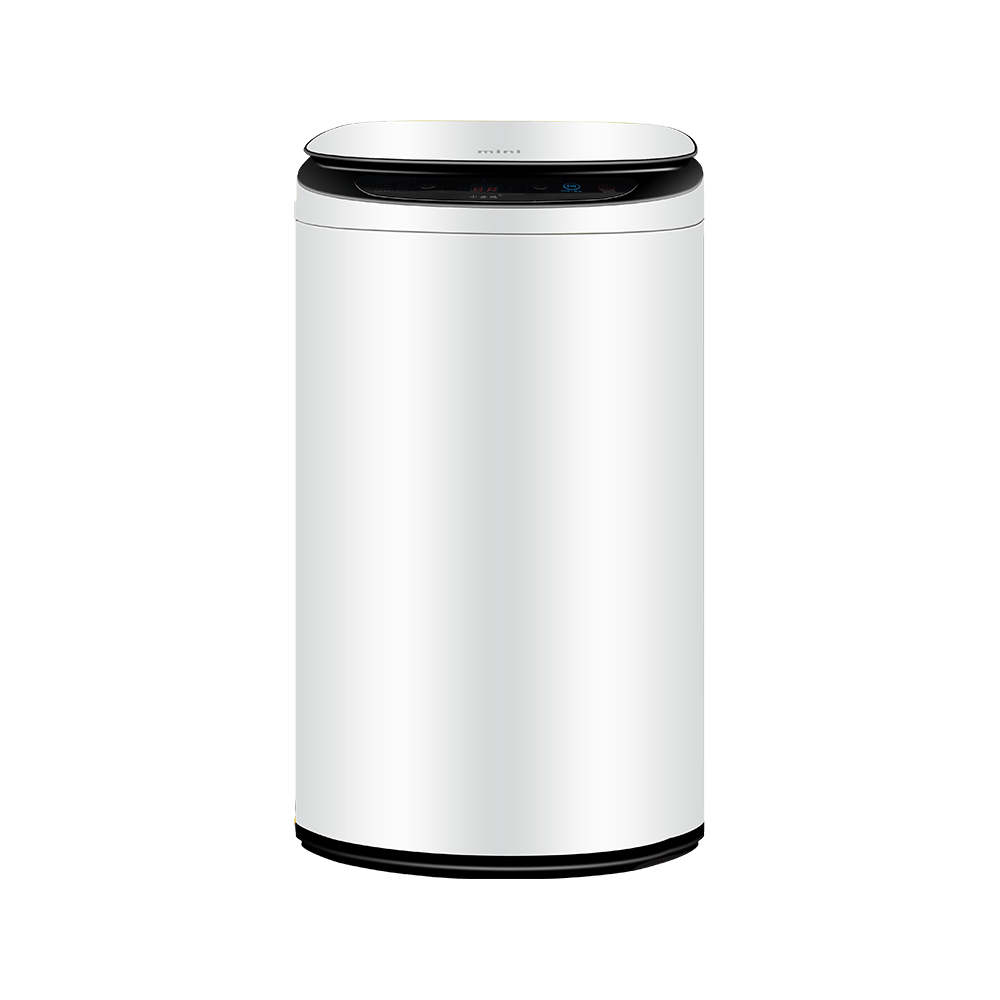
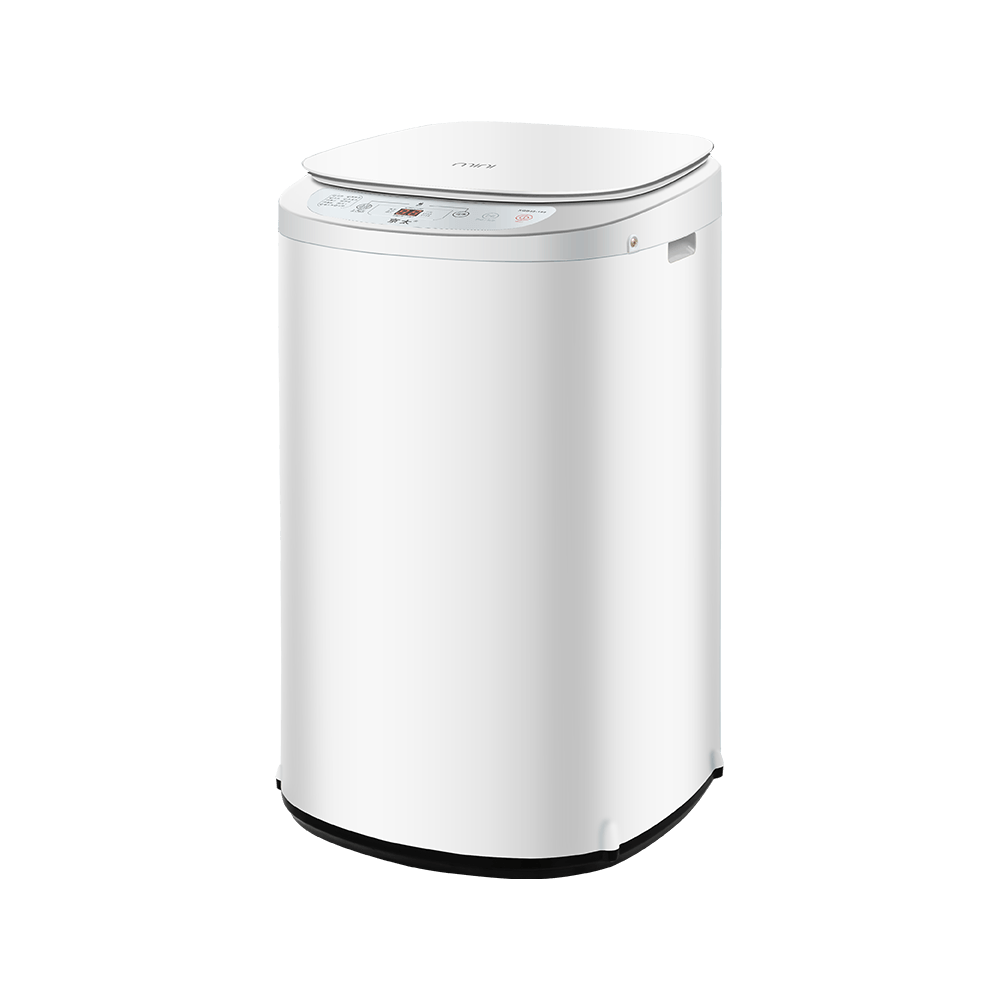
Fully automatic washing machines are household appliances designed to automate the entire laundry process, from washing and rinsing to draining and drying. These machines are equipped with advanced technologies that make washing clothes more convenient and efficient. Unlike semi-automatic washing machines, fully automatic machines handle all stages of washing without the need for manual intervention. A key component of this process is the drainage system, which plays an important role in ensuring that excess water is properly removed from the machine, leaving clothes clean and ready for the next stage.
The drainage system in fully automatic washing machines is responsible for removing the water used in the washing and rinsing cycles. During the washing process, the machine fills with water and detergent to clean the clothes. Once this stage is complete, the water needs to be drained out before the rinsing cycle can begin. After the rinse, additional water is used to flush the detergent out of the clothes, and this also needs to be removed. The drainage system must work efficiently to avoid any water accumulation inside the drum, which can lead to performance issues or even water damage over time.
The drainage system in a fully automatic washing machine consists of several components that work together to ensure the proper removal of water. These components include the drain pump, drain hose, drain filter, and the machine’s water inlet system. Each of these parts plays a specific role in the drainage process, and the overall effectiveness of the system depends on how well they function in unison.
The drain pump is one of the most important components in the drainage system. It is responsible for pushing the wastewater out of the washing machine and into the household plumbing system. The pump is typically located at the bottom of the washing machine, where it can easily access the water that collects during the wash and rinse cycles. When the washing machine is ready to drain, the pump is activated and begins to move the water through the drain hose to the designated outlet.
Most modern washing machines use a motor-driven drain pump that is capable of handling large volumes of water quickly and efficiently. The pump is designed to be durable and resistant to wear, as it is exposed to water and detergent frequently. In some machines, the pump may also include a filter to prevent large particles of dirt or debris from entering the plumbing system and clogging the pipes.
The drain hose is a flexible tube that connects the washing machine’s drain pump to the household drain system. The hose is responsible for carrying the wastewater from the pump to the outlet. The length and design of the hose are critical to ensuring efficient drainage. A hose that is too short may prevent the machine from draining properly, while a hose that is too long or kinked can lead to blockages or slow drainage.
The drain hose is usually positioned so that it has a slight downward slope, which helps the water flow out of the machine without obstruction. Many washing machines have a dedicated outlet for the drain hose, which is often located near the floor. It is essential that the hose is installed correctly to ensure that water is drained effectively and does not spill over the edges of the drum.
The drain filter is another important part of the drainage system. This filter is designed to catch any small debris, such as lint, coins, or fabric fibers, that may come off the clothes during the wash cycle. By trapping these particles, the drain filter prevents them from clogging the drain pump or the drain hose. Without the filter, the debris could accumulate in the drainage system, causing blockages and reducing the efficiency of the washing machine.
It is essential to clean the drain filter regularly to ensure proper drainage. Over time, the filter can become clogged with lint and other materials, which can prevent the water from draining efficiently. Most washing machines are designed with easy-to-access drain filters, allowing users to clean them without much effort. Some machines even provide an indicator light to alert the user when the filter needs cleaning.
While the water inlet system is primarily responsible for bringing water into the washing machine, it also plays a role in the drainage process. During the drain cycle, the water inlet system ensures that any excess water left in the machine is released through the drain hose. This is particularly important during the spin cycle, when the machine may not fill with water but needs to remove any residual moisture from the clothes. The inlet system works in conjunction with the drain pump and hose to ensure that water is properly flushed out of the drum.
One of the features that sets fully automatic washing machines apart from semi-automatic models is the automatic drainage control. This feature ensures that the machine automatically detects when the water needs to be drained. Using sensors and programmed cycles, the washing machine can determine when the wash cycle is complete and when the rinse cycle should begin, and it will activate the drainage system as needed. This automated control reduces the need for manual intervention, making the washing process more convenient for the user.
In some advanced models, the machine’s control system is capable of adjusting the drainage process based on factors such as load size and water temperature. For example, the machine may use less water or modify the drainage cycle to optimize water usage and energy efficiency. This intelligent drainage control helps improve the overall performance of the washing machine, reducing water waste and ensuring that the washing process is as efficient as possible.
While the drainage system in fully automatic washing machines is designed to operate smoothly, several issues can arise over time that may affect the machine’s drainage performance. Some common problems include clogging, slow drainage, or failure of the pump. These issues can result in water pooling inside the drum, poor washing performance, or even damage to the machine if left unresolved.
Clogging is often caused by a build-up of lint, debris, or detergent residue in the drain filter or hose. Regular cleaning of the filter and hose can help prevent this problem. In some cases, a blockage in the drain hose may also be caused by improper installation or an incorrectly positioned hose. Ensuring that the hose is properly secured and positioned can help avoid these issues.
If the pump fails to work, the washing machine will be unable to drain water effectively. In such cases, the pump may need to be repaired or replaced. Regular maintenance and periodic checks of the drainage system can help identify and address any potential problems before they become major issues.
To ensure that the drainage system in a fully automatic washing machine continues to function effectively, regular maintenance is essential. One of the most important tasks is cleaning the drain filter. Over time, the filter can become clogged with lint and other debris, which can restrict water flow and lead to drainage problems. Cleaning the filter regularly is a simple yet effective way to maintain the efficiency of the drainage system.
In addition to cleaning the filter, it is also important to check the drain hose for blockages or damage. If the hose becomes kinked or clogged, water will not be able to flow freely, causing the machine to fail to drain properly. Inspecting the hose periodically and ensuring that it is properly positioned can help prevent these issues.
Occasionally, the pump itself may require maintenance. If the pump is not draining water efficiently, it may need to be cleaned or replaced. In some cases, small objects like coins or buttons may become lodged in the pump, obstructing its function. Removing any debris from the pump can restore its performance.
In addition to ensuring that water is drained properly, the drainage system in a fully automatic washing machine plays a role in the overall energy and water efficiency of the machine. Modern washing machines are designed to use water and energy as efficiently as possible, reducing waste and lowering operating costs.
The efficient drainage system helps optimize the washing process by ensuring that water is used only when necessary. During the rinse cycle, for example, the machine may use a minimal amount of water while ensuring that all detergent is removed from the clothes. This reduces water consumption, which is particularly important in areas where water is scarce or expensive.
Additionally, some fully automatic washing machines are designed with energy-saving features that work in tandem with the drainage system. These machines may have sensors that detect the amount of water needed based on the load size or fabric type, which can help further reduce energy usage. By optimizing both the washing and drainage cycles, these machines contribute to a more sustainable and cost-effective laundry experience.
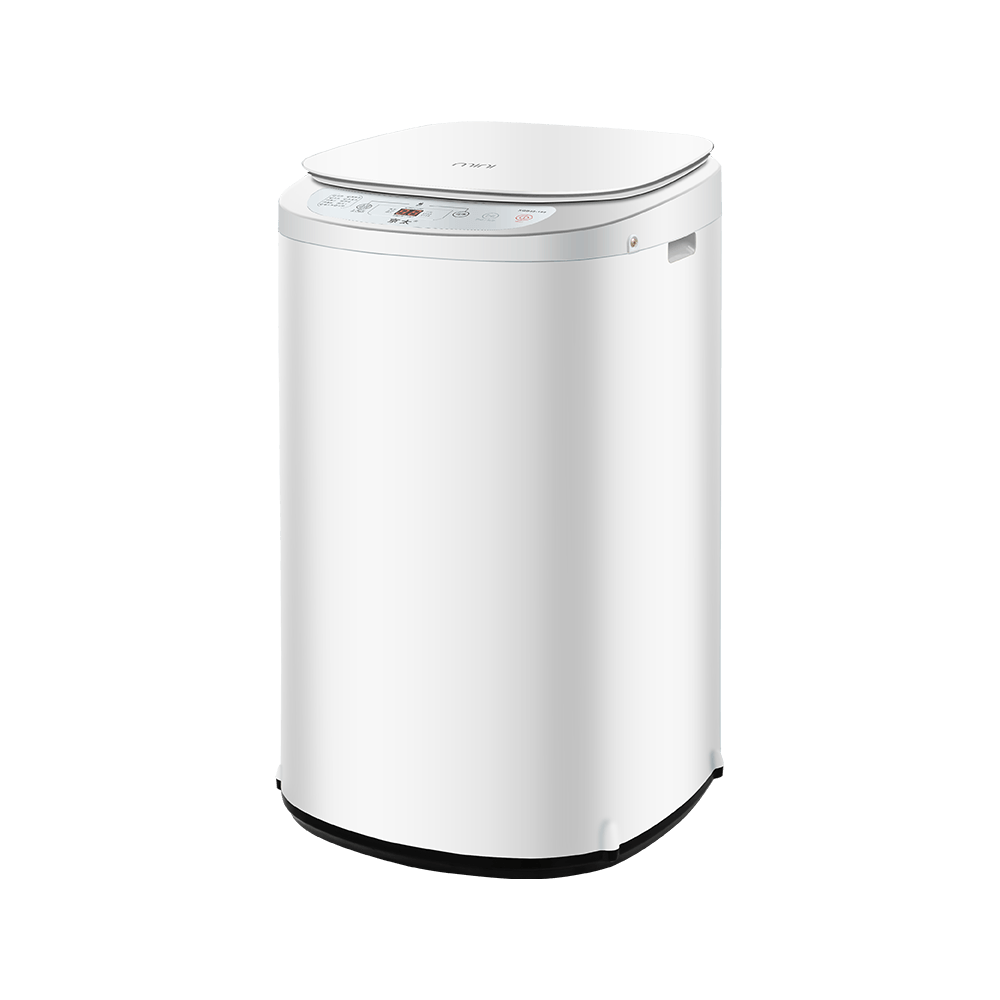
XQB45-188HM[Large capacity design to meet family needs]The 4... View More
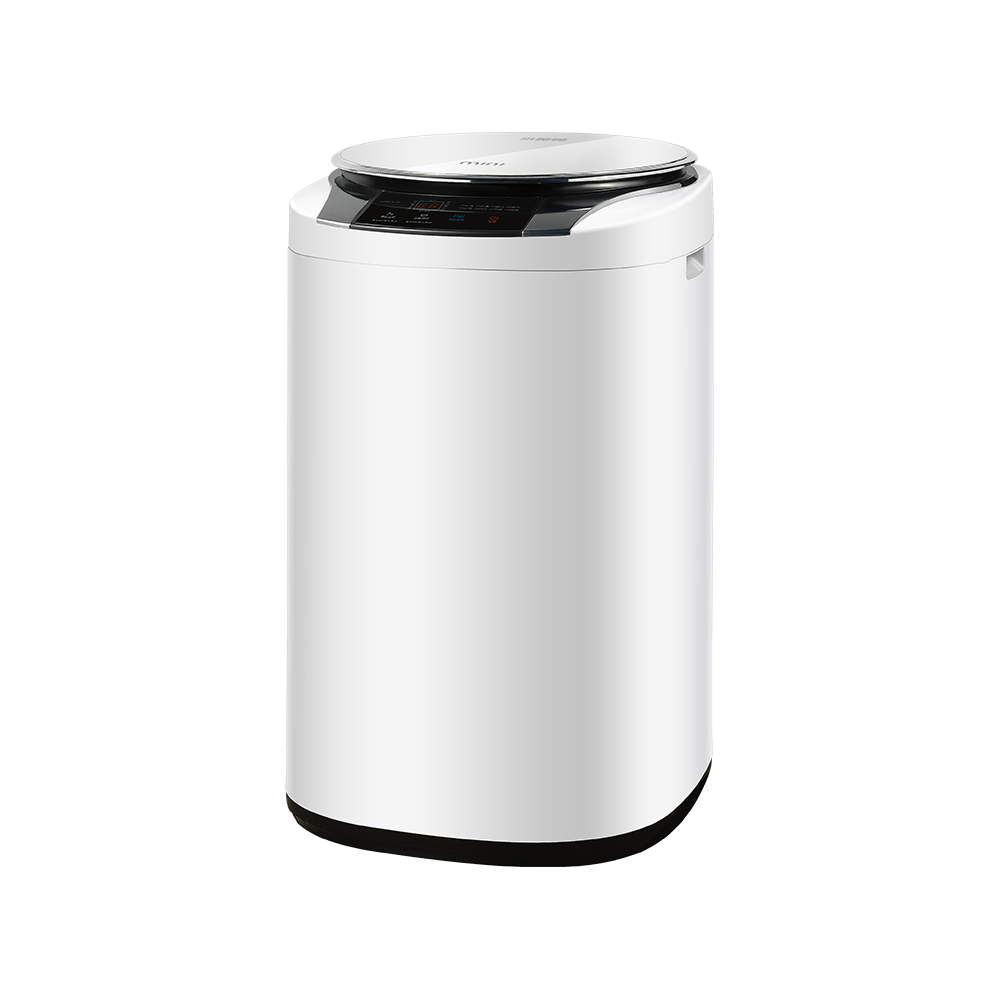
XQB35-166HM[Fashionable watch appearance, elegantly integrat... View More
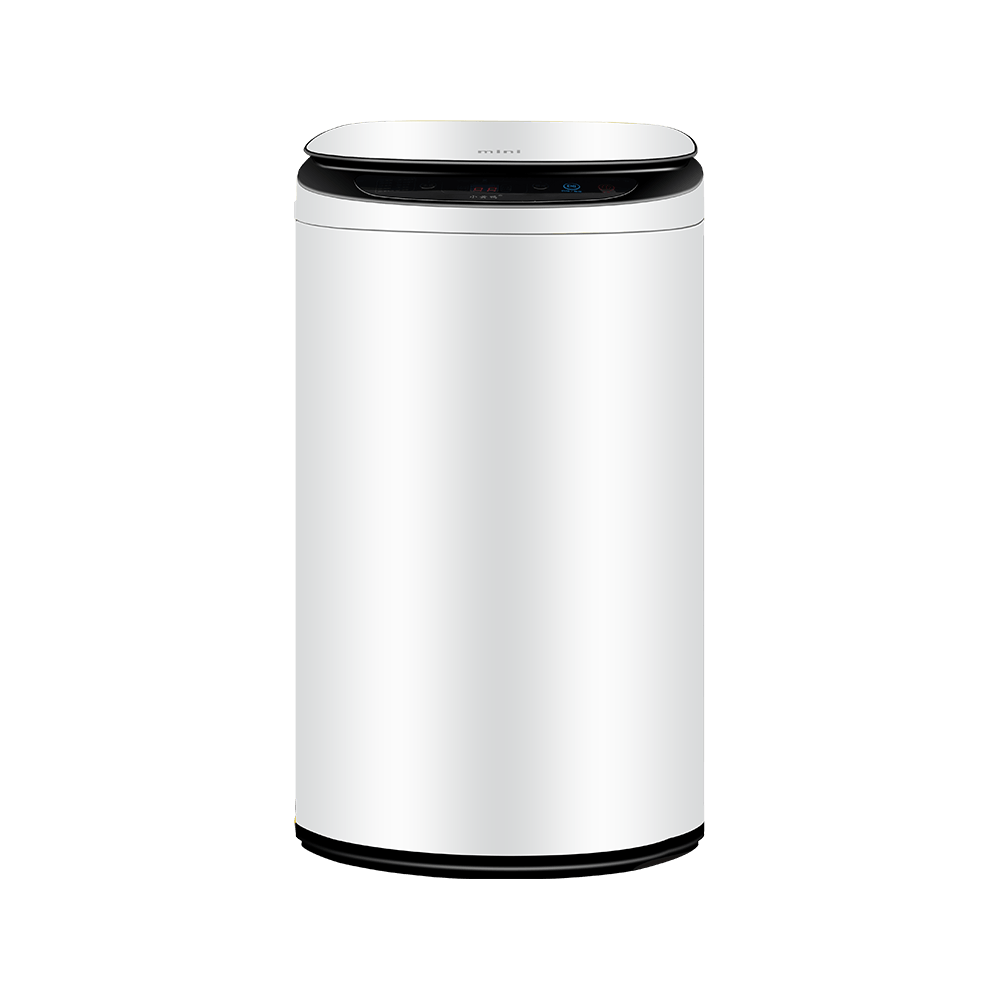
XQB35-188HMThis washing machine is based on innovative high-... View More
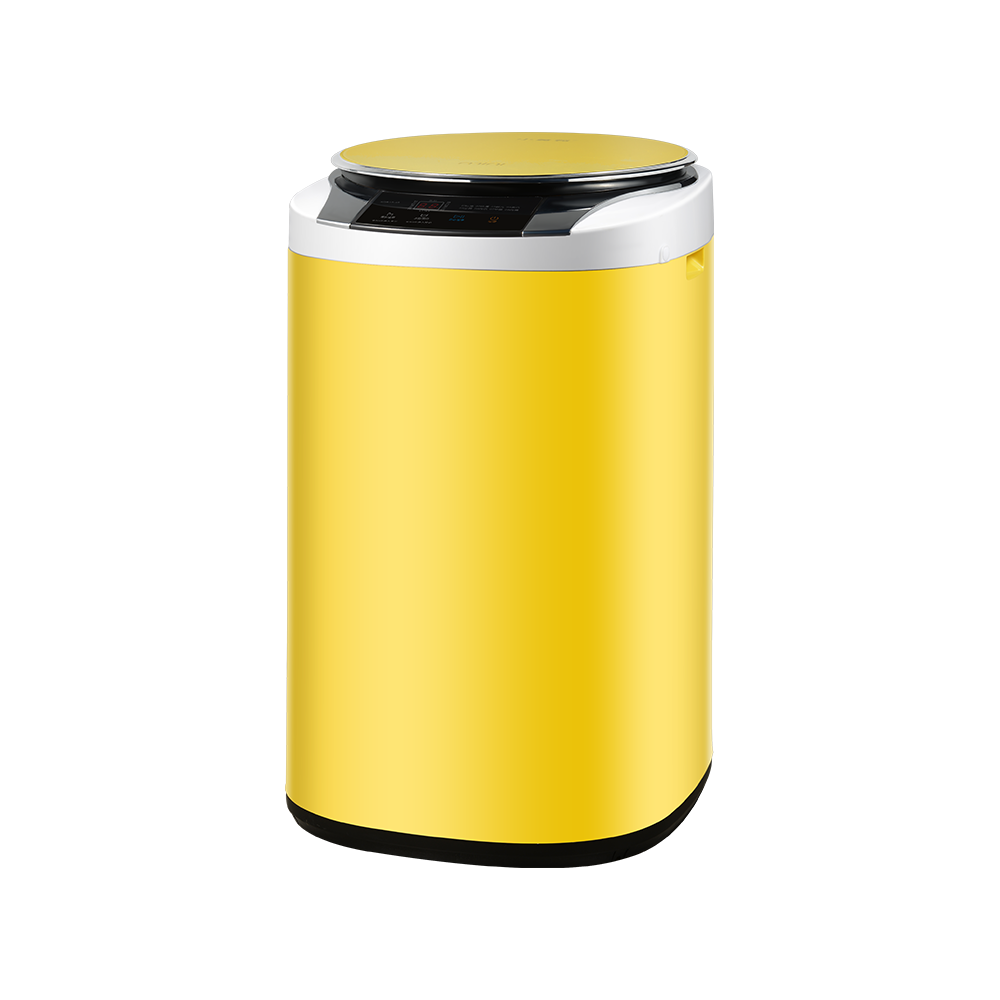
XQB35-655MLeading a new trend of healthy washing, integratin... View More

 Add: No.27 Hongwei Road, East Industrial Park, Guanhaiwei Town, Cixi City, Zhejiang Province, China
 Tel: +86-18520338190
 Tel: 400-8488-955
 Email: [email protected]
Copyright © Ningbo Zhijie Little Yellow Duck Electric Appliance Co., Ltd. All Rights Reserved.

Wholesale Fully Automatic Home Laundry Machine Manufacturers

 English
 عربى
عربى