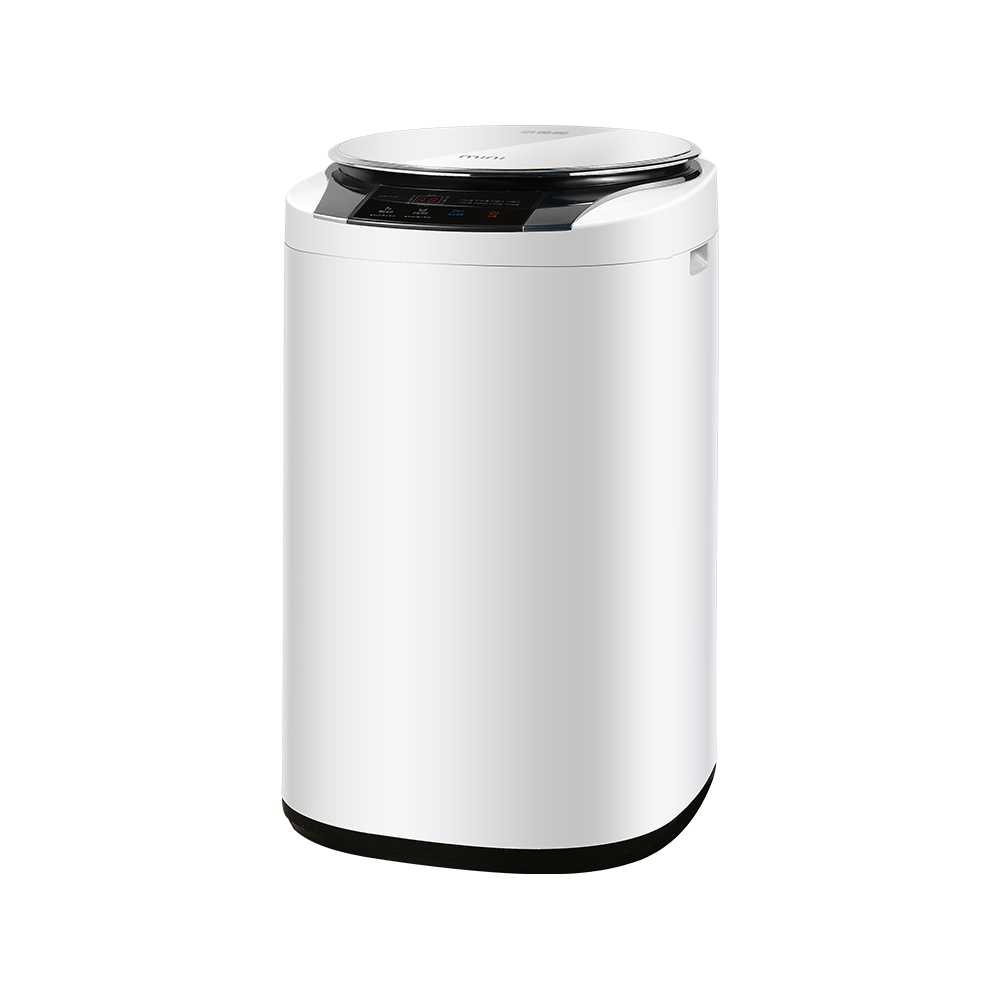
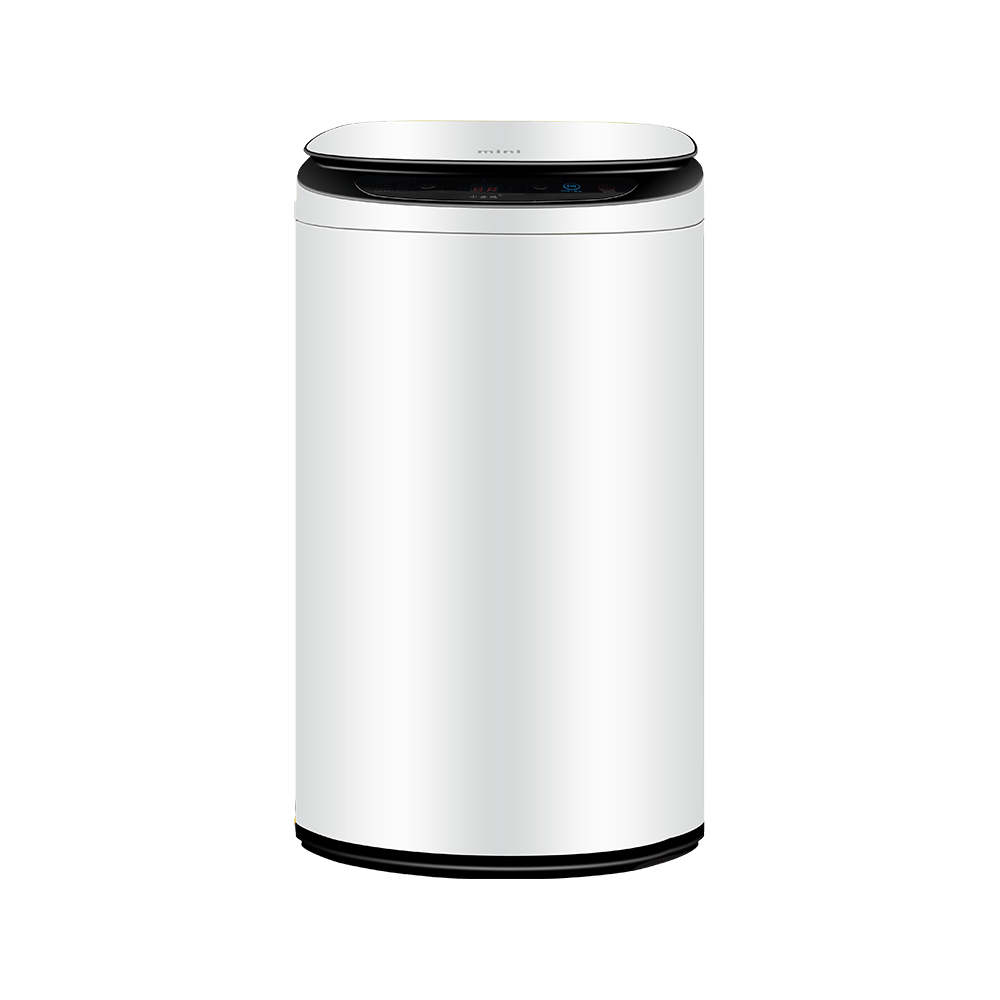
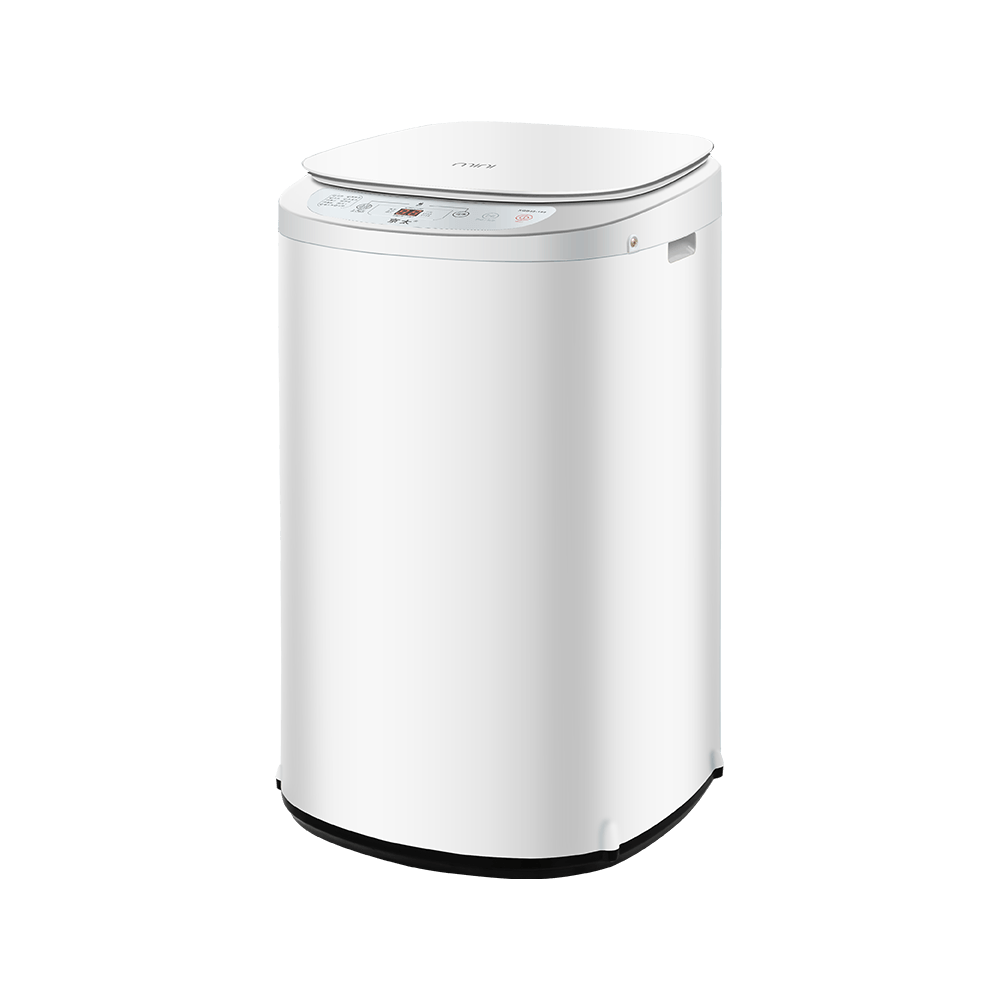
If you’ve ever talked to customers about high-temperature washing machines, you’ve probably heard this concern more than once:
“High temperature sounds great for cleaning, but won’t it ruin my clothes or fabrics?”
This question comes up all the time, and for good reason. People want clean, hygienic results, but no one wants to pull damaged items out of the machine. So instead of giving a vague “it depends” answer, let’s talk about this the same way customers do—plain, practical, and based on real use.
High-temperature washing usually means washing items at temperatures much higher than standard household cycles. Depending on the machine and application, this can range from around 60°C up to 90°C or even higher.
In a fully automatic high-temperature washing machine, the process is controlled from start to finish. Water intake, heating, washing time, rinsing, and draining are all handled automatically, without manual intervention.
The goal is simple: remove tough stains, grease, bacteria, and residues that low-temperature washing can’t fully handle.
Because high temperature is a double-edged sword.
On one hand, heat is one of the most effective ways to kill bacteria, viruses, and mites. That’s why hospitals, hotels, food-processing facilities, and industrial laundries rely on high-temperature washing.
On the other hand, heat can stress fabrics, cause shrinkage, fade colors, or weaken fibers if it’s not used correctly.
So the real issue isn’t whether high-temperature washing is “good” or “bad.” The real issue is whether it’s being used on the right items, in the right way.
High-temperature washing isn’t meant for everything. Customers who use it properly usually have clear reasons.
Common situations include:
In these cases, cleanliness isn’t just about appearance—it’s about safety and compliance.
Many people imagine high-temperature washing as simply “hotter water.” In reality, modern machines are much more controlled.
The machine heats water to a set temperature and keeps it stable throughout the wash. This avoids sudden spikes that can shock fabrics.
Different programs adjust drum movement, wash time, and water levels based on the load type. This reduces unnecessary mechanical stress.
High-temperature cycles are designed to work with specific detergents that perform better under heat, improving cleaning efficiency without over-washing.
After the wash, items are rinsed and gradually cooled. This step is often overlooked but plays a big role in protecting fabrics.
The honest answer customers appreciate is this:
High-temperature washing can damage items—but only if it’s used incorrectly.
Items that are designed for high-temperature washing, such as industrial textiles, cotton towels, bed linens, and work uniforms, are made to handle heat. For these, high-temperature washing often extends usable life by keeping them cleaner and more hygienic.
Problems usually occur when:
In other words, the machine isn’t the problem—misuse is.
Customers who rely on it don’t do so by accident.
High temperatures help eliminate bacteria, viruses, and allergens that low-temperature cycles may leave behind.
Grease, oil, and protein-based stains respond much better to heat.
Because heat does more of the cleaning work, less aggressive chemicals may be needed.
Fully automatic machines deliver repeatable outcomes, which is critical in professional environments.
It’s important to be upfront about this, especially in an industry setting.
Not all materials are suitable for high-temperature washing. Delicates and certain synthetics require lower temperatures.
Heating water uses more energy than cold or warm cycles. Efficiency depends on machine design and insulation.
Even durable fabrics can experience gradual wear if high-temperature washing is overused.
Based on real customer feedback, these points matter most:
One facility manager put it simply:
“We don’t use high temperature for everything—only when it actually makes sense.”
High-temperature washing isn’t about being aggressive—it’s about being effective.
When used properly in a fully automatic high-temperature washing machine, it delivers strong hygiene, reliable cleaning, and consistent results without damaging suitable items.
The key is understanding what you’re washing and why. Once that’s clear, high-temperature washing becomes a tool, not a risk—and for many industries, it becomes hard to imagine working without it.
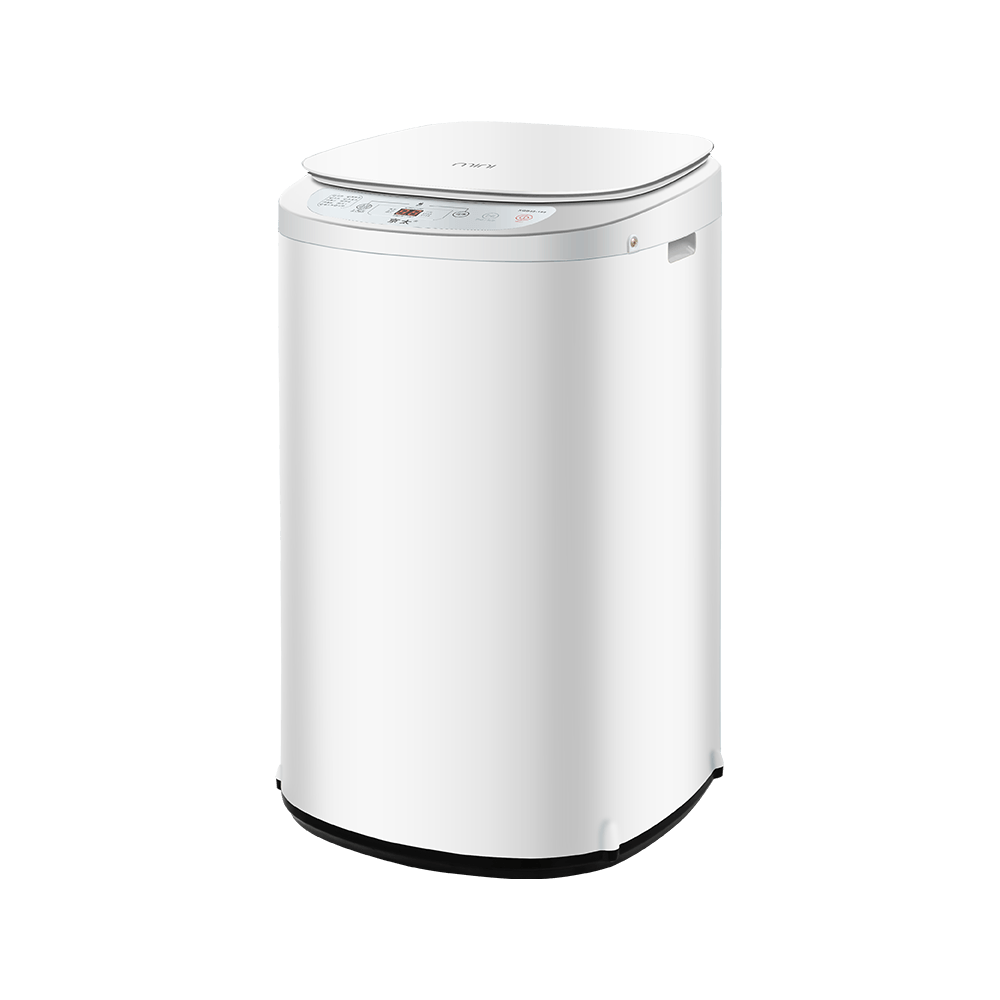
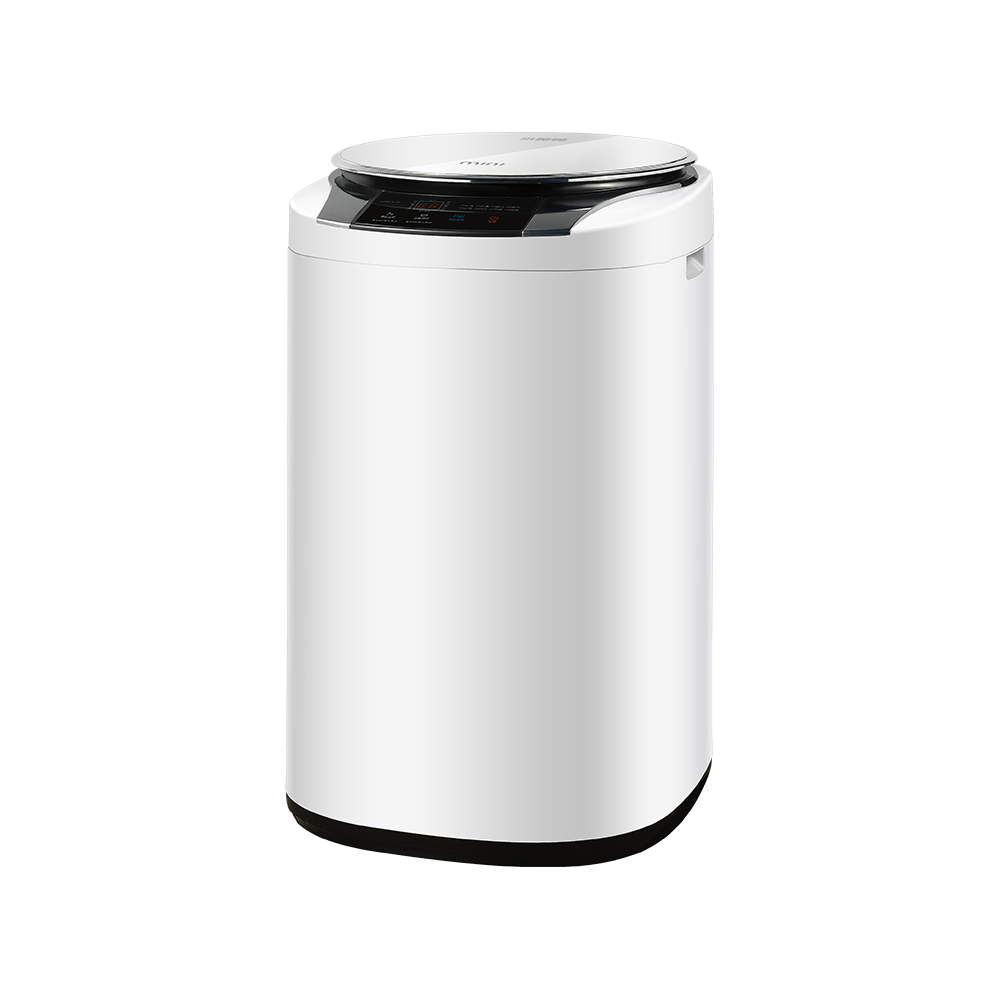
XQB45-188HM[Large capacity design to meet family needs]The 4... View More
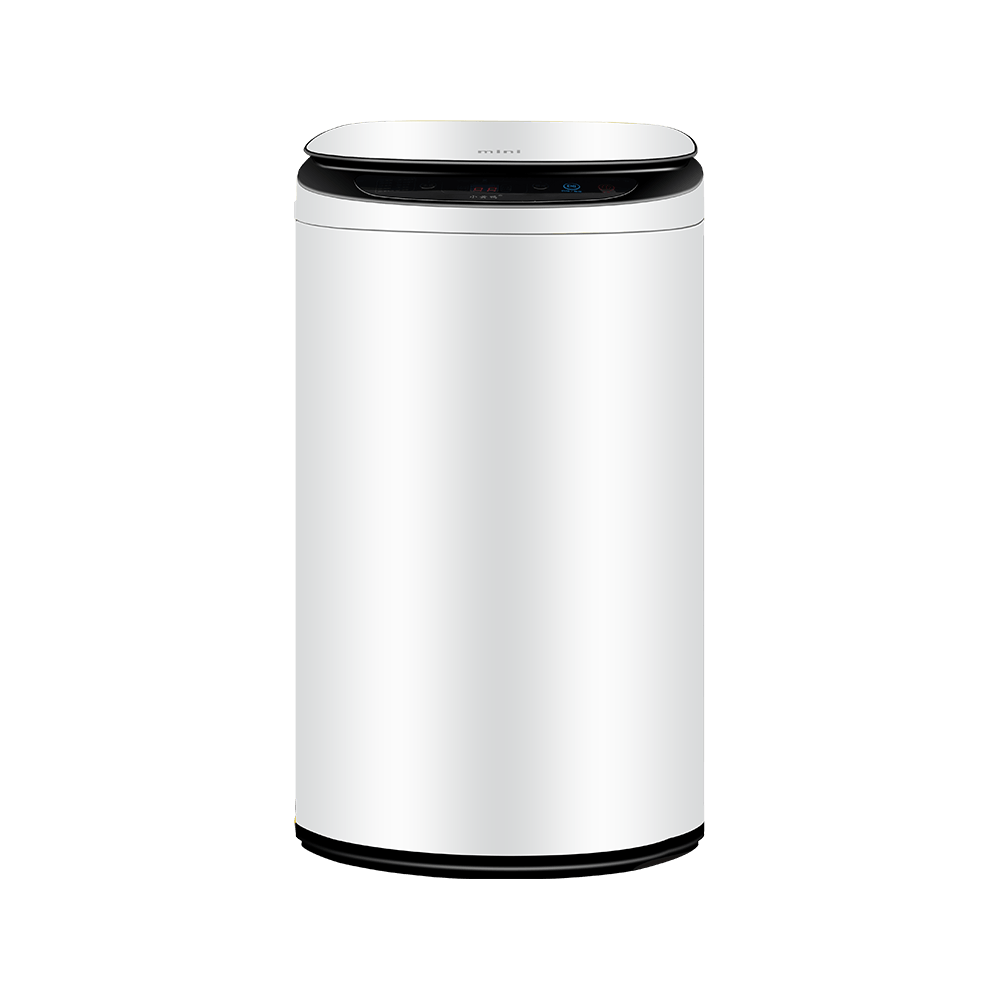
XQB35-166HM[Fashionable watch appearance, elegantly integrat... View More
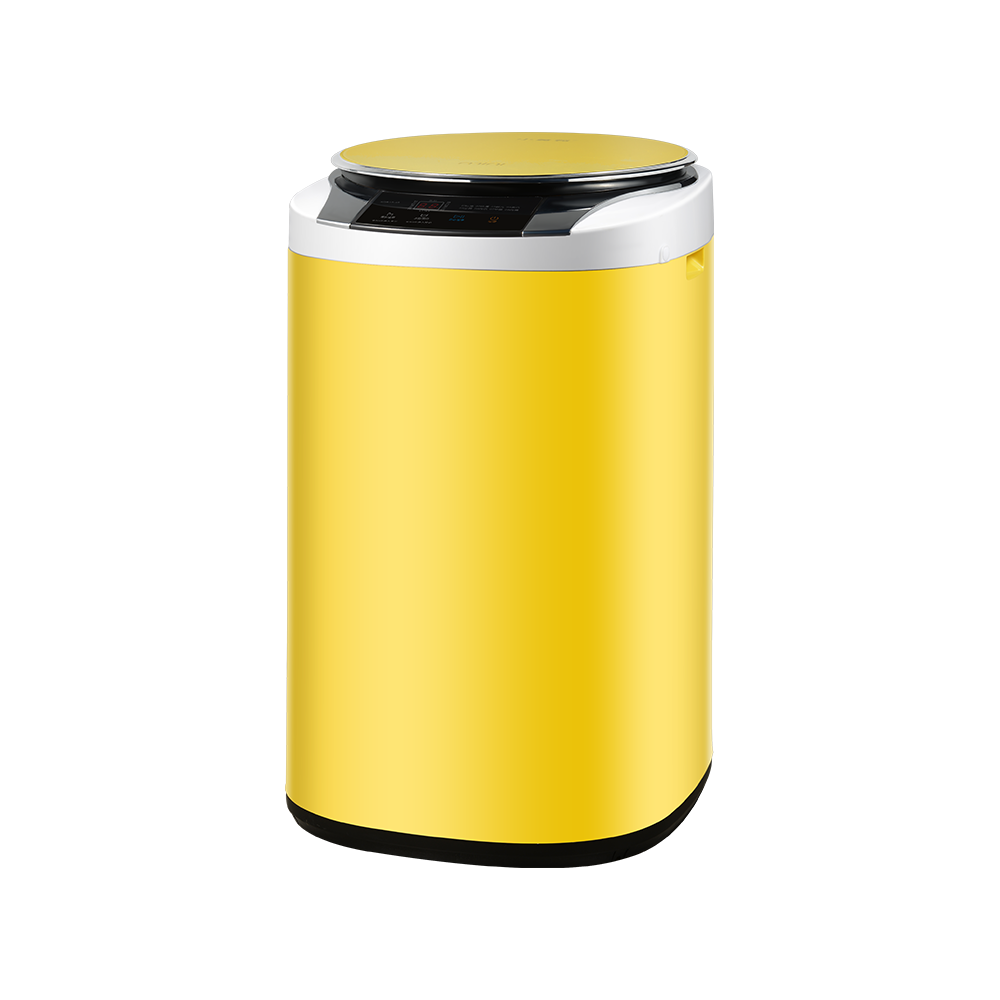
XQB35-188HMThis washing machine is based on innovative high-... View More
XQB35-655MLeading a new trend of healthy washing, integratin... View More

 Add: No.27 Hongwei Road, East Industrial Park, Guanhaiwei Town, Cixi City, Zhejiang Province, China
 Tel: +86-18520338190
 Tel: 400-8488-955
 Email: [email protected]
Copyright © Ningbo Zhijie Little Yellow Duck Electric Appliance Co., Ltd. All Rights Reserved.

Wholesale Fully Automatic Home Laundry Machine Manufacturers

 English
 عربى
عربى