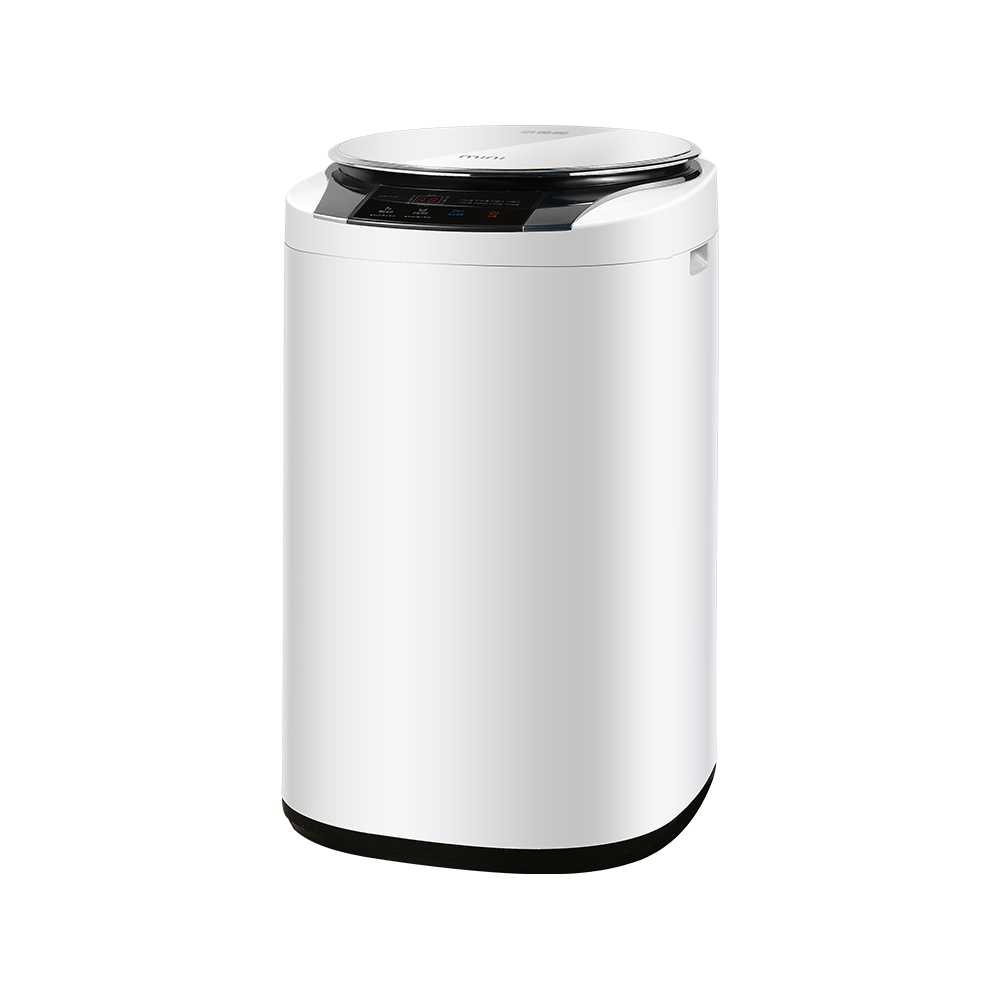
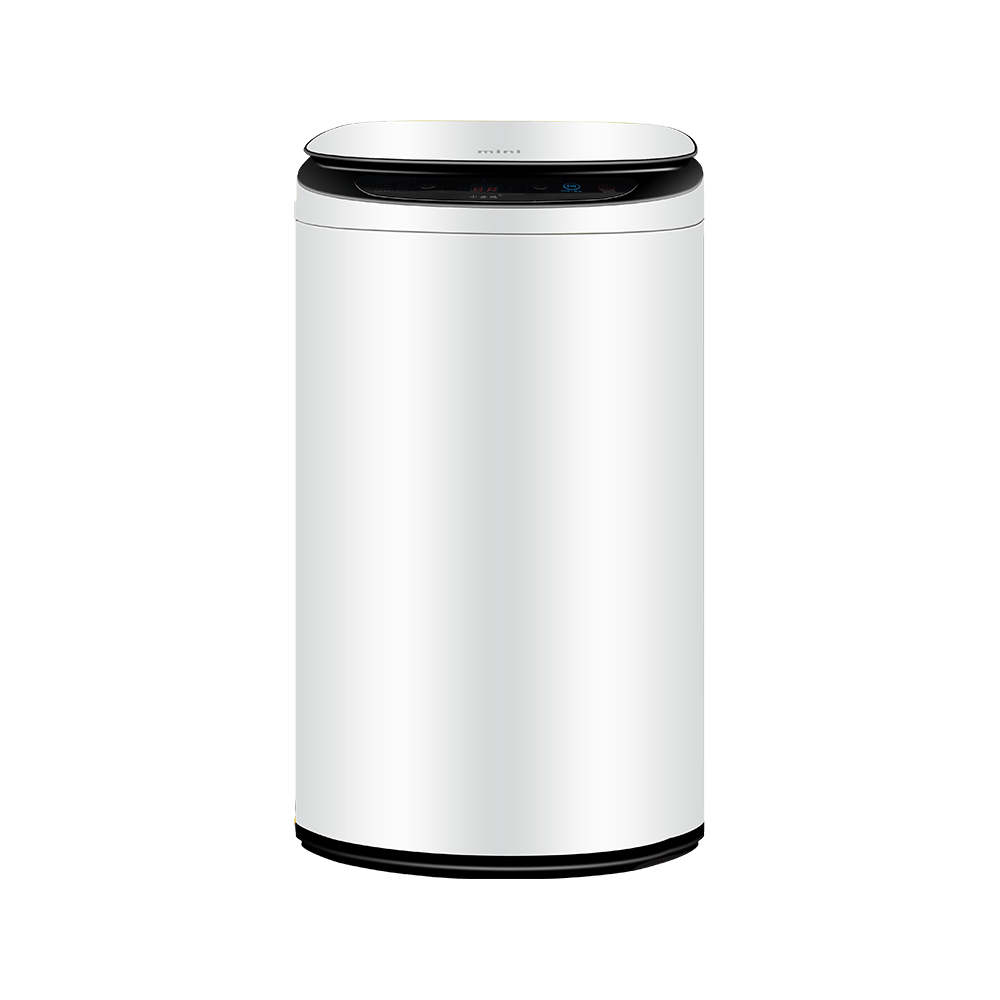
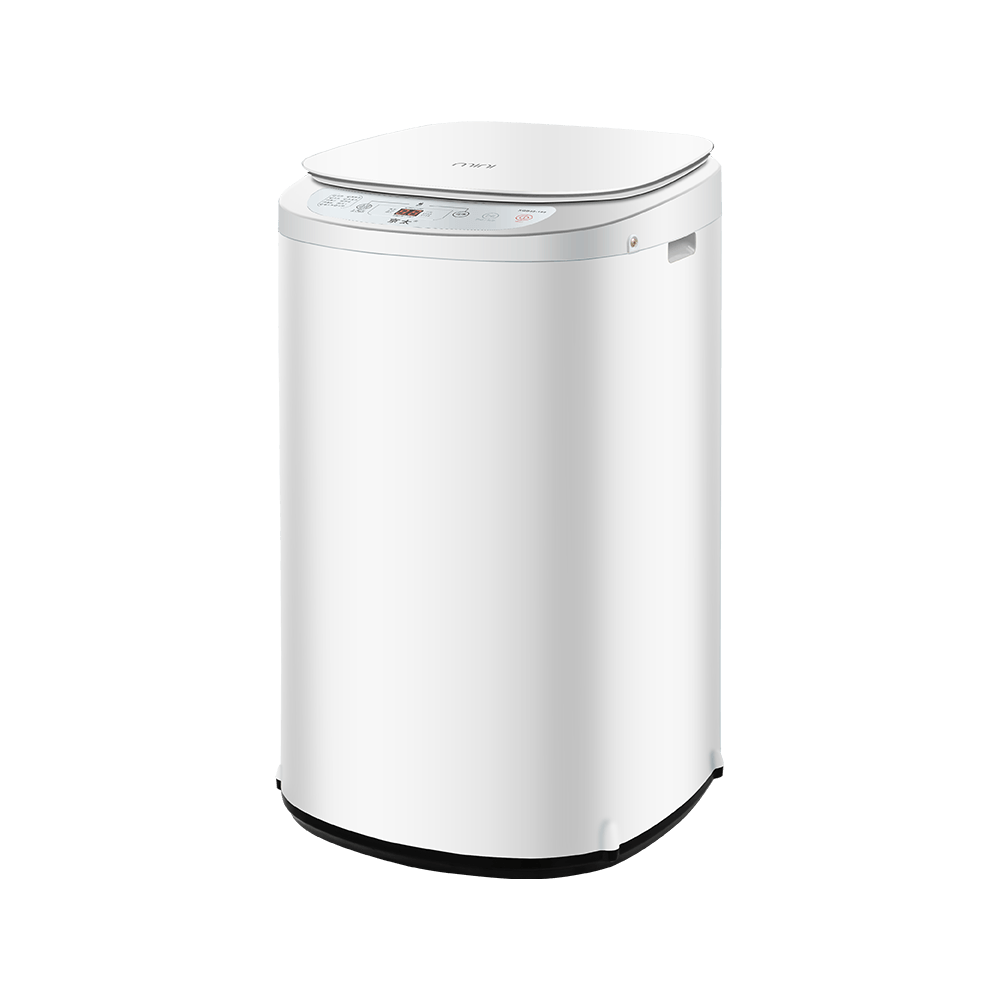
A mini washing machine is generally designed for compact living environments such as small apartments, dormitories, recreational vehicles, or secondary washing needs. A regular washing machine, by contrast, is built for full household laundry loads and long-term daily use. When comparing cleaning performance, it is important to consider not only stain removal ability, but also washing consistency, fabric handling, water usage patterns, and mechanical action. These factors together shape how each type of machine performs in real-world use.
Drum size plays a central role in cleaning performance. Mini washing machines have limited drum capacity, which restricts the amount of clothing that can be washed at one time. This smaller space can be beneficial for lightly soiled garments, as items are in closer contact with water and detergent. Regular washing machines provide a larger drum that allows clothes to tumble freely, supporting more even cleaning across heavier or bulkier loads.
The cleaning action in a washing machine depends on how clothes move within the drum. Many mini washing machines rely on basic pulsator or simplified drum rotation systems. These systems can effectively loosen surface dirt from lightweight fabrics but may struggle with deeply embedded stains. Regular washing machines often use more advanced agitation patterns or drum movements that lift, drop, and rotate garments, allowing detergent to penetrate fibers more thoroughly.
Mini washing machines typically use less water per cycle, which supports water conservation but can limit detergent dispersion in heavily soiled loads. Regular washing machines distribute detergent through a larger volume of water, enabling more consistent coverage of all garments. This difference affects how well oily residues or ground-in dirt are removed, especially in mixed fabric loads.
For lightly worn garments such as daily shirts, underwear, or baby clothes, a mini washing machine can deliver satisfactory cleaning results. The shorter cycles and concentrated washing environment allow detergent to act efficiently on surface-level dirt. In these scenarios, cleaning performance can be comparable to that of a regular washing machine, provided load sizes are kept within recommended limits.
Heavily soiled items like workwear, towels, or bedding require stronger mechanical action and sufficient space for movement. Regular washing machines are better suited for such tasks because their larger drums and stronger motors generate more consistent agitation. Mini washing machines may have difficulty achieving the same level of cleanliness with thick fabrics or large items due to restricted movement.
Cleaning performance is often associated with how well excess water is removed after washing. Many regular washing machines include high-speed spin functions that extract moisture efficiently. Some compact models feature an automatic spin cycle washer function, but spin speeds are usually lower. As a result, clothes from mini washing machines may retain more moisture, which does not affect cleanliness directly but influences drying time and user convenience.
Water temperature significantly affects cleaning outcomes. Regular washing machines often offer multiple temperature settings, allowing users to choose warmer water for tougher stains. Mini washing machines frequently have limited or no built-in heating capability and rely on manually added warm water. This limitation can reduce their ability to break down grease or protein-based stains.
Regular washing machines usually provide a range of wash programs tailored to different fabric types and soil levels. These programs adjust time, agitation, and spin intensity to balance cleaning and fabric care. Mini washing machines generally offer fewer cycle options, focusing on basic washing needs. This simplicity can limit cleaning optimization for diverse laundry types.
Cleaning performance should also be evaluated in relation to fabric preservation. Mini washing machines often apply gentler mechanical force due to lower motor power. This can reduce fabric stress for delicate garments. Regular washing machines, while more capable of deep cleaning, may require careful program selection to avoid excessive wear on sensitive materials.
| Aspect | Mini Washing Machine | Regular Washing Machine |
|---|---|---|
| Load Capacity | Small, suitable for limited items | Large, suitable for full household loads |
| Agitation Strength | Moderate, basic washing motion | Stronger, varied drum movements |
| Water Usage | Lower per cycle | Higher but more evenly distributed |
| Spin Performance | Lower spin speed | Higher spin efficiency |
Detergent selection affects cleaning results for both machine types. Mini washing machines often require reduced detergent dosage due to smaller water volume. Overuse can lead to residue buildup, while underuse may compromise cleaning. Regular washing machines tolerate a wider dosage range, making them more forgiving in daily use.
Washing stability indirectly affects cleaning performance. Excessive vibration can interrupt smooth drum movement. Mini washing machines, due to lighter construction, may experience more vibration with uneven loads. Regular washing machines generally offer better balance control, supporting consistent washing action throughout the cycle.
Rinsing is an important component of perceived cleanliness. Regular washing machines often include multiple rinse cycles that help remove detergent residue from fabrics. Mini washing machines may use fewer rinses to save water and time, which can leave traces of detergent if loads are not managed carefully.
Mini washing machines are well suited for individuals who wash small quantities frequently. In these cases, clothes are cleaned before heavy soil accumulates, allowing the machine to maintain acceptable cleaning performance. They are also practical for separating specific items such as baby clothes or gym wear.
Households with varied laundry needs benefit from the versatility of regular washing machines. Their ability to handle different fabrics, soil levels, and load sizes makes them more adaptable. For deep cleaning and consistent results across large volumes, regular machines remain more effective.
Mini washing machines often complete cycles more quickly and consume less energy per wash. While this efficiency is appealing, it can limit cleaning intensity. Regular washing machines may use more energy but provide more thorough cleaning through longer and more controlled cycles.
Over time, cleaning consistency depends on mechanical reliability and program stability. Regular washing machines are designed for frequent, long-term use with stable performance. Mini washing machines may show variation in cleaning effectiveness as components experience wear, especially if used beyond intended capacity.
Perceived cleaning performance is influenced by user expectations. Users who expect a mini washing machine to replicate full-size machine results on heavy loads may feel dissatisfied. When expectations align with design intent, mini washing machines can meet everyday cleaning needs effectively.
The cleaning performance of a mini washing machine compared to a regular washing machine depends on load size, soil level, and usage habits. Mini machines perform adequately for small, lightly soiled loads and specialized use cases. Regular washing machines provide more consistent and thorough cleaning across a wider range of laundry conditions.
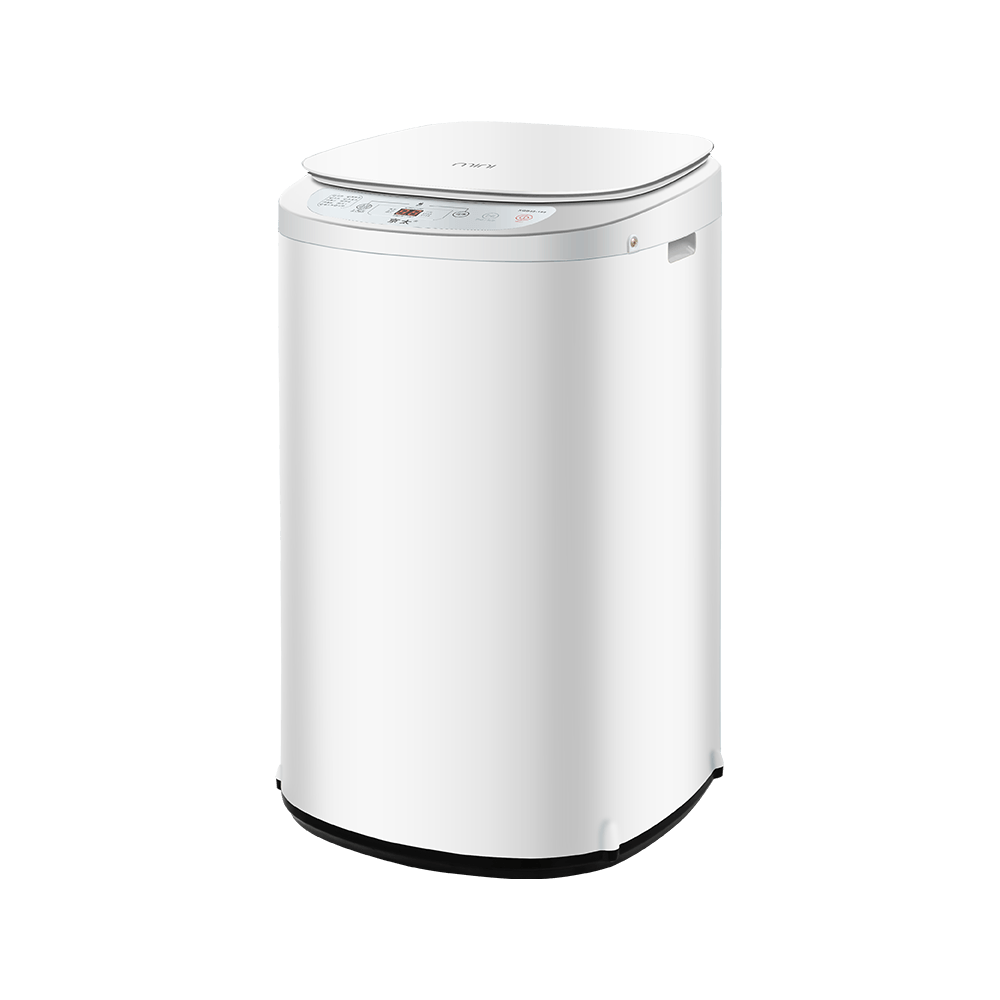
XQB45-188HM[Large capacity design to meet family needs]The 4... View More
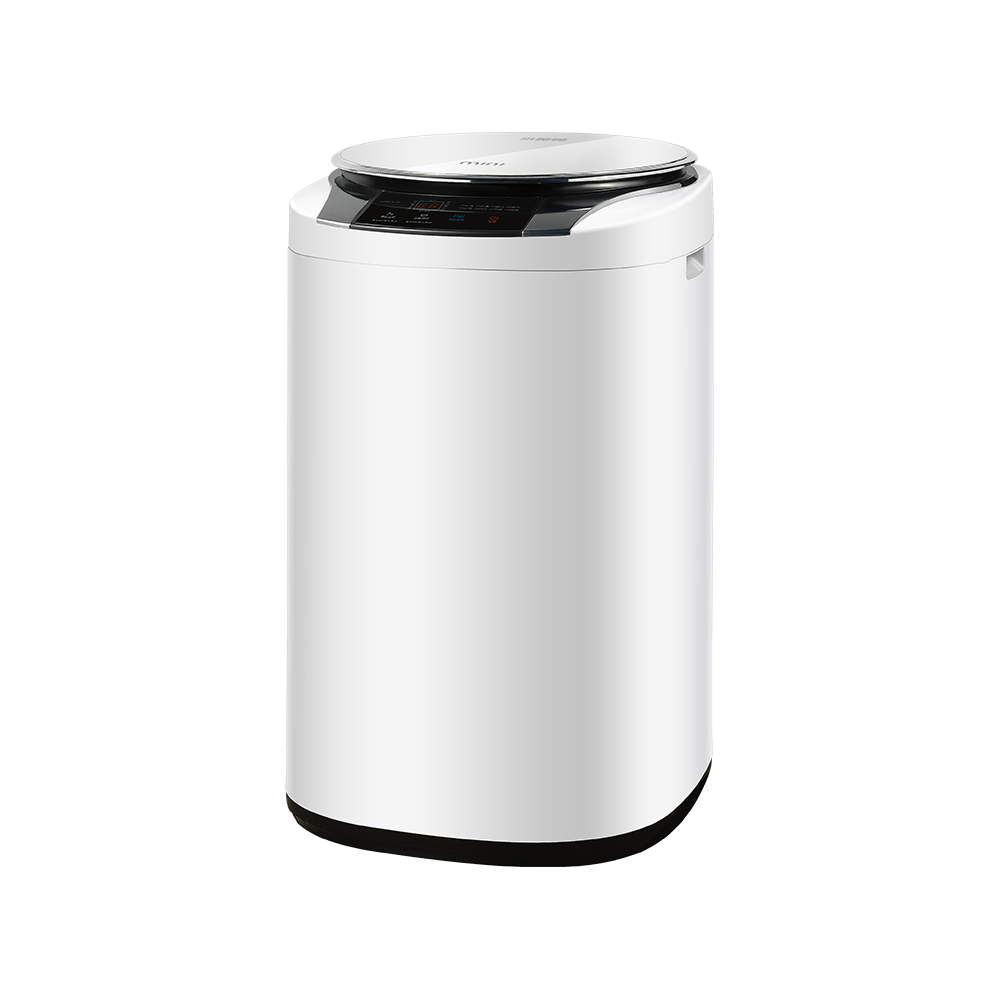
XQB35-166HM[Fashionable watch appearance, elegantly integrat... View More
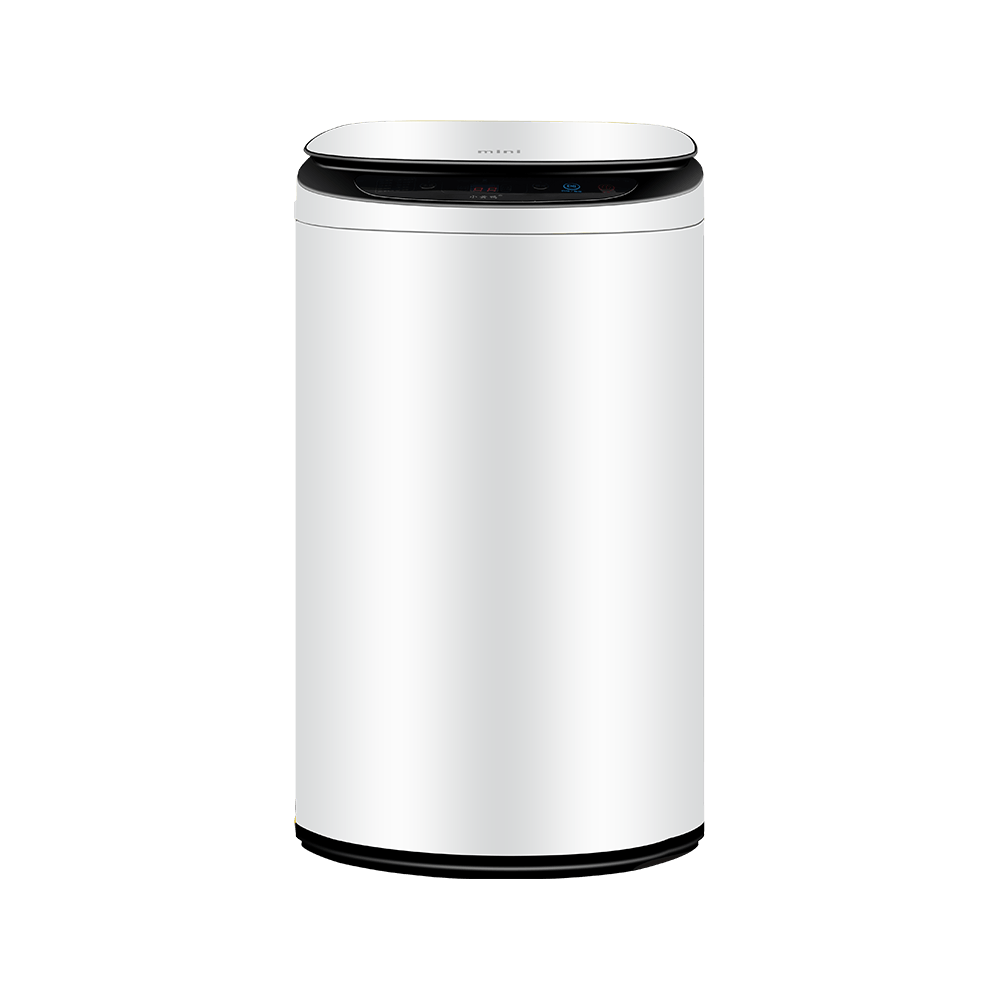
XQB35-188HMThis washing machine is based on innovative high-... View More
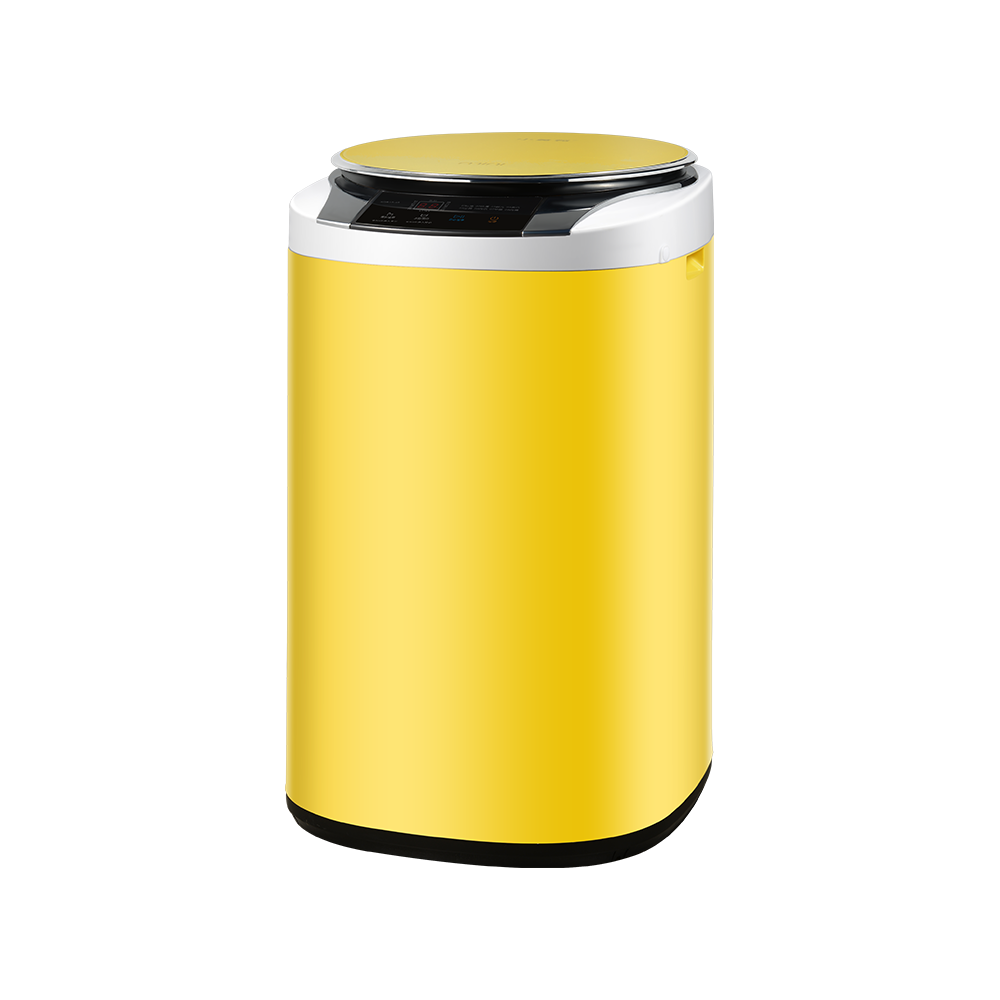
XQB35-655MLeading a new trend of healthy washing, integratin... View More

 Add: No.27 Hongwei Road, East Industrial Park, Guanhaiwei Town, Cixi City, Zhejiang Province, China
 Tel: +86-18520338190
 Tel: 400-8488-955
 Email: [email protected]
Copyright © Ningbo Zhijie Little Yellow Duck Electric Appliance Co., Ltd. All Rights Reserved.

Wholesale Fully Automatic Home Laundry Machine Manufacturers

 English
 عربى
عربى