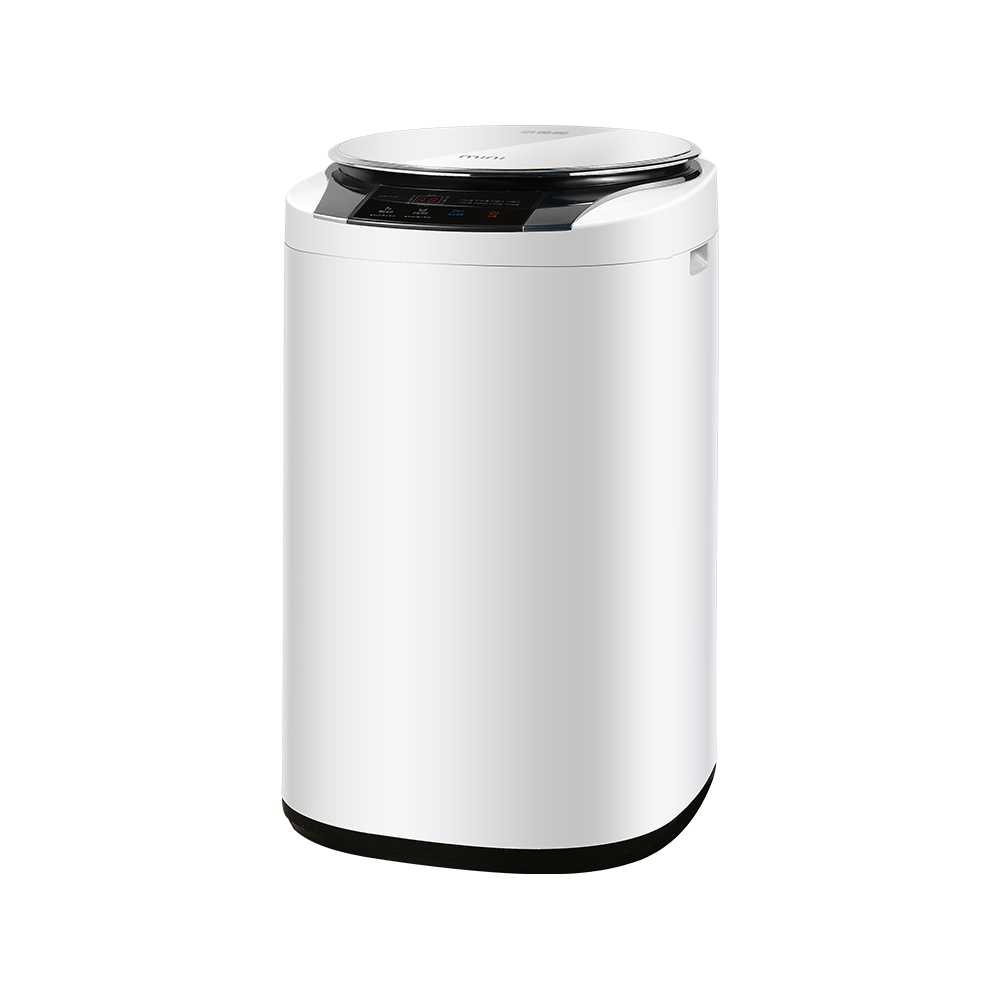
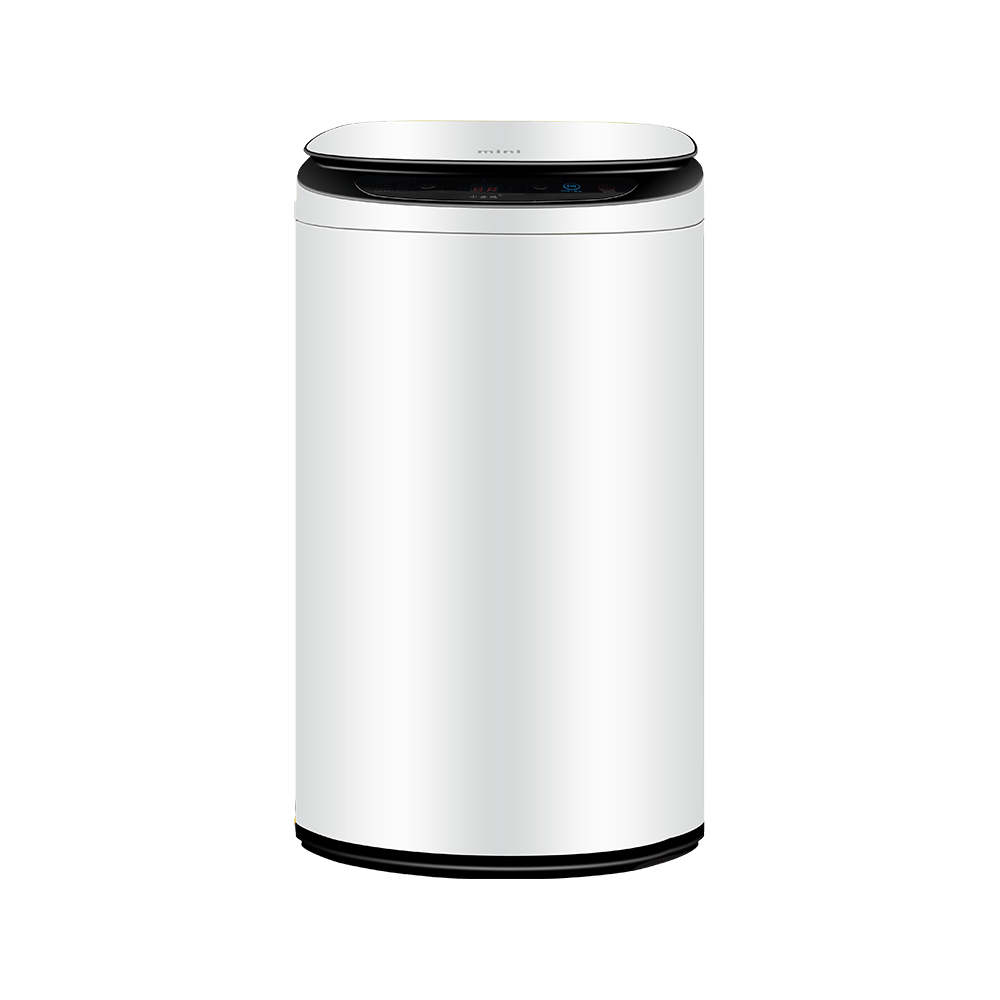
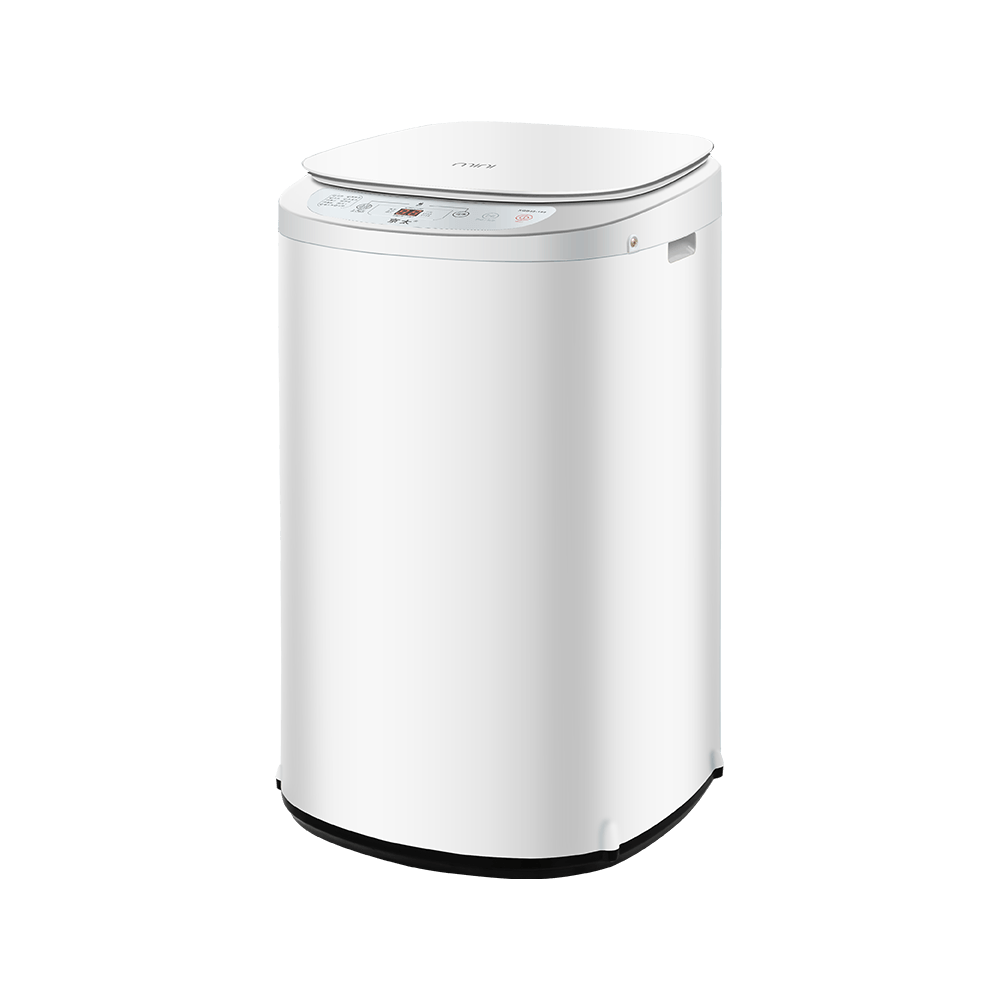
Fully automatic washing machines have become a popular choice for many households due to their convenience and advanced features. These machines offer a range of benefits, such as ease of use, water and energy efficiency, and a variety of washing programs. However, for households where noise sensitivity is a concern, the noise produced by a washing machine can be a major factor in choosing the right appliance.
The noise produced by washing machines generally falls into two categories: operational noise and spinning noise. Operational noise is generated during the washing, rinsing, and draining cycles, while spinning noise is more noticeable during the high-speed spinning phase. Noise levels are typically measured in decibels (dB), and most washing machines produce sounds in the range of 50 to 70 dB during operation. For reference, a normal conversation occurs at around 60 dB, while a vacuum cleaner may produce noise levels around 70 dB.
In a noise-sensitive household, it is important to consider how these noise levels can affect daily life. If the washing machine is placed in a location close to bedrooms or living areas, the noise from the machine may be disturbing, especially during the spin cycle when the noise tends to be more pronounced. Fully automatic washing machines, due to their advanced features, can sometimes be louder than their semi-automatic counterparts, as they operate more autonomously and may have higher motor speeds for faster washing cycles.
The location of the washing machine plays a significant role in determining how much noise will be felt in the household. In homes where the laundry area is separate from living spaces, noise may not be a major concern. However, in smaller apartments or homes with open floor plans, a washing machine’s noise can travel to nearby rooms. This is particularly problematic in noise-sensitive households, such as those with young children, elderly family members, or individuals who work from home and require a quiet environment.
Placing a washing machine in a laundry room or a basement can help minimize the noise impact. However, many households may not have the luxury of such designated spaces. In these cases, the design and noise-dampening features of the washing machine itself become even more important in determining how suitable it is for noise-sensitive environments.
Several factors contribute to the noise levels of fully automatic washing machines, including the motor type, spin speed, and drum design. These factors can vary greatly from one model to another, which means that some machines may be quieter than others, even within the same category of fully automatic machines.
The motor type is one of the primary determinants of a washing machine's noise levels. Modern fully automatic washing machines often use brushless DC motors, which tend to be quieter and more energy-efficient than traditional motors. These motors provide smoother operation, especially during the washing and spinning phases. In contrast, older models with conventional motors may produce higher noise levels, particularly during the spin cycle when the motor is under more strain.
Spin speed is another important factor affecting the noise generated by washing machines. The higher the spin speed, the faster the drum rotates, and the greater the noise produced. While faster spin speeds can help to remove more water from the clothes, reducing drying time, they can also increase the noise during the spin cycle. For noise-sensitive households, choosing a machine with variable spin speed settings or one that offers lower spin speeds may help reduce noise levels without compromising washing performance.
The design of the drum and the use of noise-dampening materials can also influence the overall noise produced by the washing machine. High-quality, well-balanced drums are less likely to cause vibrations, which can lead to excessive noise and shaking. Many modern washing machines are equipped with anti-vibration technology that helps reduce the sound and movement of the drum, providing a quieter washing experience.
To address the issue of noise, washing machine manufacturers have incorporated various technologies to minimize sound levels. One of the most common noise-reducing technologies is vibration reduction. Machines equipped with anti-vibration features use special suspension systems to reduce the movement of the drum and prevent excessive noise and shaking during operation. Some models also have a “silent” or “low noise” mode, which optimizes the washing process for quieter performance.
In addition to vibration reduction, some washing machines include noise insulation materials in the design of the body and motor compartments. These materials absorb sound and prevent it from spreading throughout the household. For instance, rubber or foam layers may be used around the motor and drum to minimize noise transmission. Additionally, some models feature insulated covers or casings to reduce the impact of operational noise.
Advanced washing machines may also offer smart technology that helps reduce noise. For example, some machines have sensors that detect imbalances in the load and automatically adjust the spin cycle to prevent excessive vibrations and noise. This ensures a smoother and quieter washing experience, even when washing large or heavy loads of laundry.
When selecting a fully automatic washing machine for a noise-sensitive household, there are several considerations that can help ensure the machine’s noise levels are within acceptable limits. One of the most important factors is checking the noise ratings provided by manufacturers. Many brands list the decibel levels of their machines in product specifications, which can give consumers an idea of how loud the machine will be during different stages of operation. For households with a preference for quieter machines, looking for models with lower decibel ratings is essential.
Another consideration is the type of washing programs available on the machine. Some fully automatic washing machines offer specific wash cycles that are designed to be quieter, such as "night wash" or "silent wash" modes. These programs adjust the wash and spin cycles to reduce noise, making them ideal for households where quiet operation is important. Additionally, some washing machines come with adjustable spin speeds, which allow users to choose a lower spin speed to reduce noise during the spin cycle.
It’s also worth considering the design and construction of the washing machine. Machines with solid, durable construction and anti-vibration features are less likely to produce disruptive noise. A washing machine with a well-insulated body, rubber feet, and a reinforced drum will typically generate less noise than a more basic model. Consumers should also consider the placement of the machine in the home, as even the quietest models can produce noticeable noise if placed in areas with poor acoustics or minimal soundproofing.
In some cases, even with the most advanced noise-reducing washing machines, noise may still be an issue in noise-sensitive households. Fortunately, there are several additional strategies that can help minimize the impact of washing machine noise. One solution is to use soundproofing materials in the laundry room or area where the washing machine is located. Installing foam panels, carpets, or acoustic tiles on the walls, floors, and ceiling can help absorb sound and reduce the transmission of noise to other parts of the house.
Another option is to use a washing machine enclosure or cabinet. These enclosures are designed to contain the noise produced by the washing machine while still allowing for proper ventilation. A well-designed washing machine cabinet can help trap the sound inside, reducing the amount of noise that escapes into the surrounding area. While these enclosures may not completely eliminate noise, they can significantly reduce the overall sound level, making them an effective solution for noise-sensitive households.
Finally, consider operating the washing machine during hours when noise is less likely to disturb other household members. For example, running the washing machine during the day when family members are out of the house or at night when everyone is asleep may minimize the disruption caused by noise. Some washing machines also offer delayed start options, allowing users to schedule the wash cycle to begin at a more convenient time.
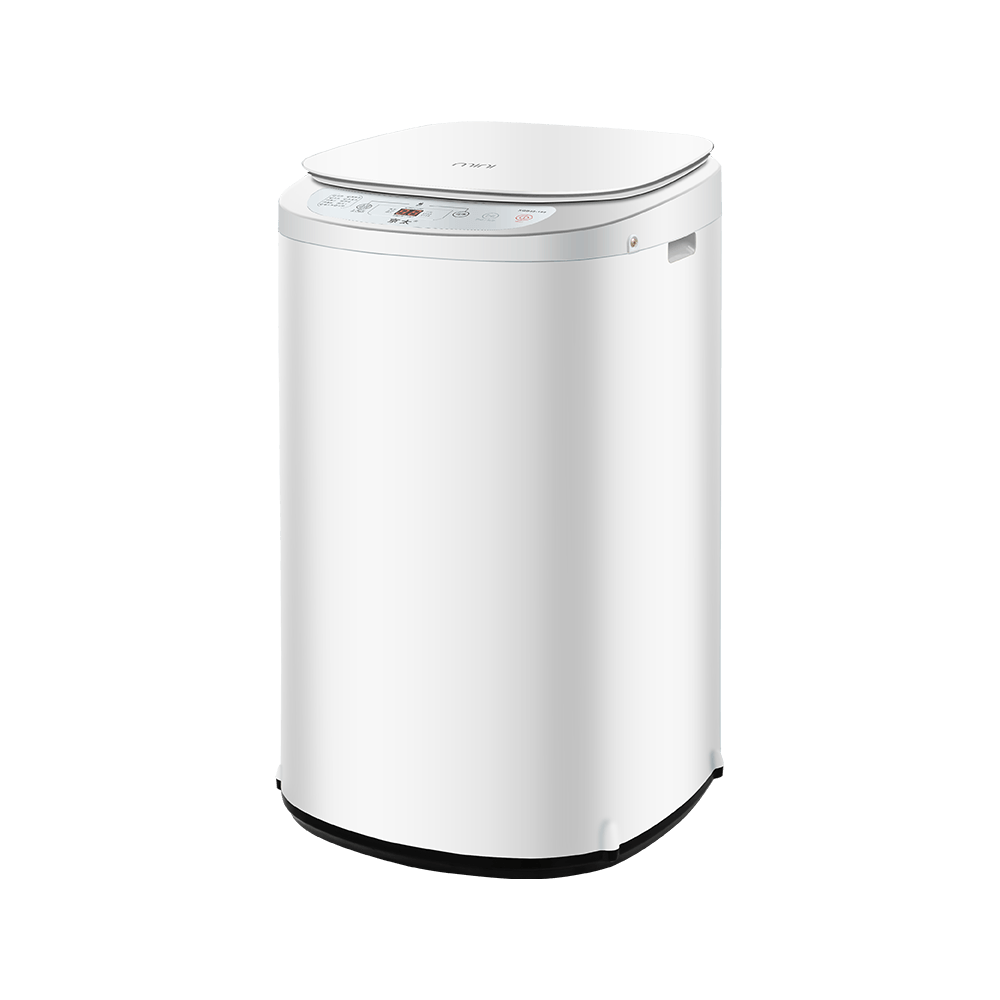
XQB45-188HM[Large capacity design to meet family needs]The 4... View More
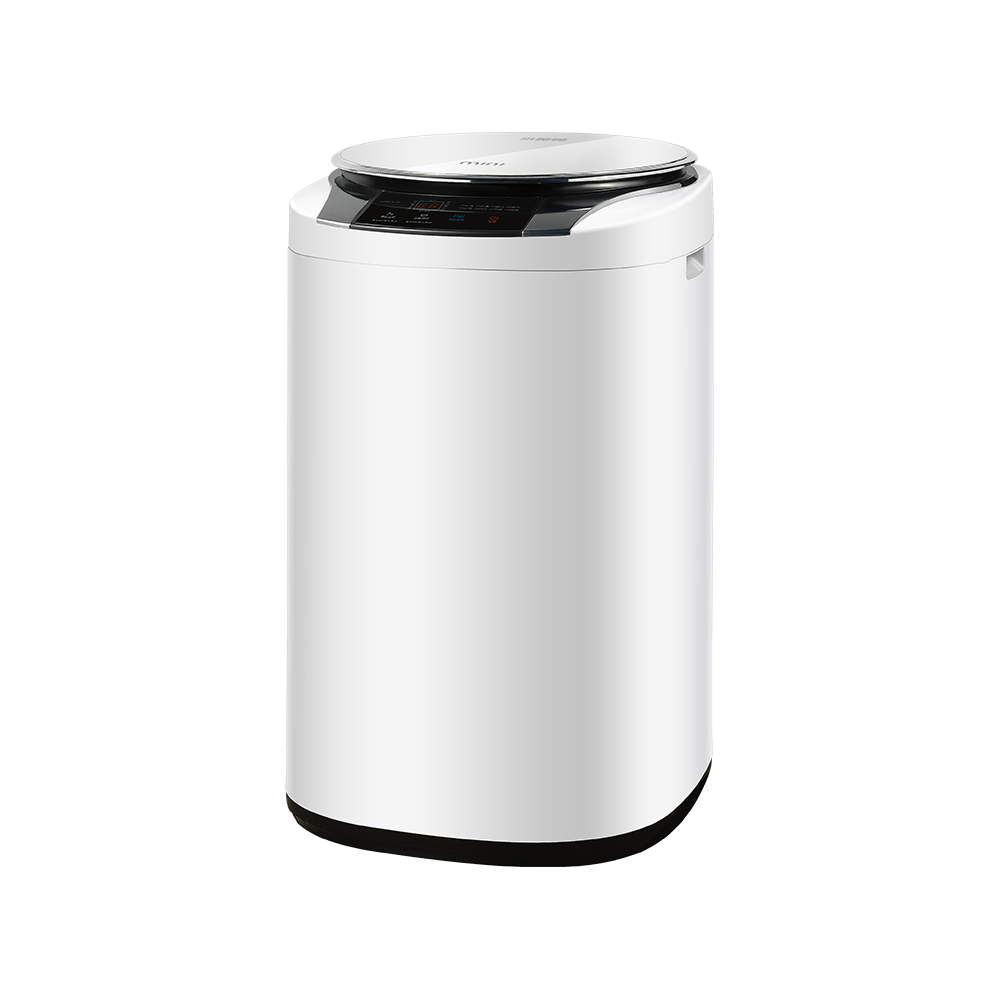
XQB35-166HM[Fashionable watch appearance, elegantly integrat... View More
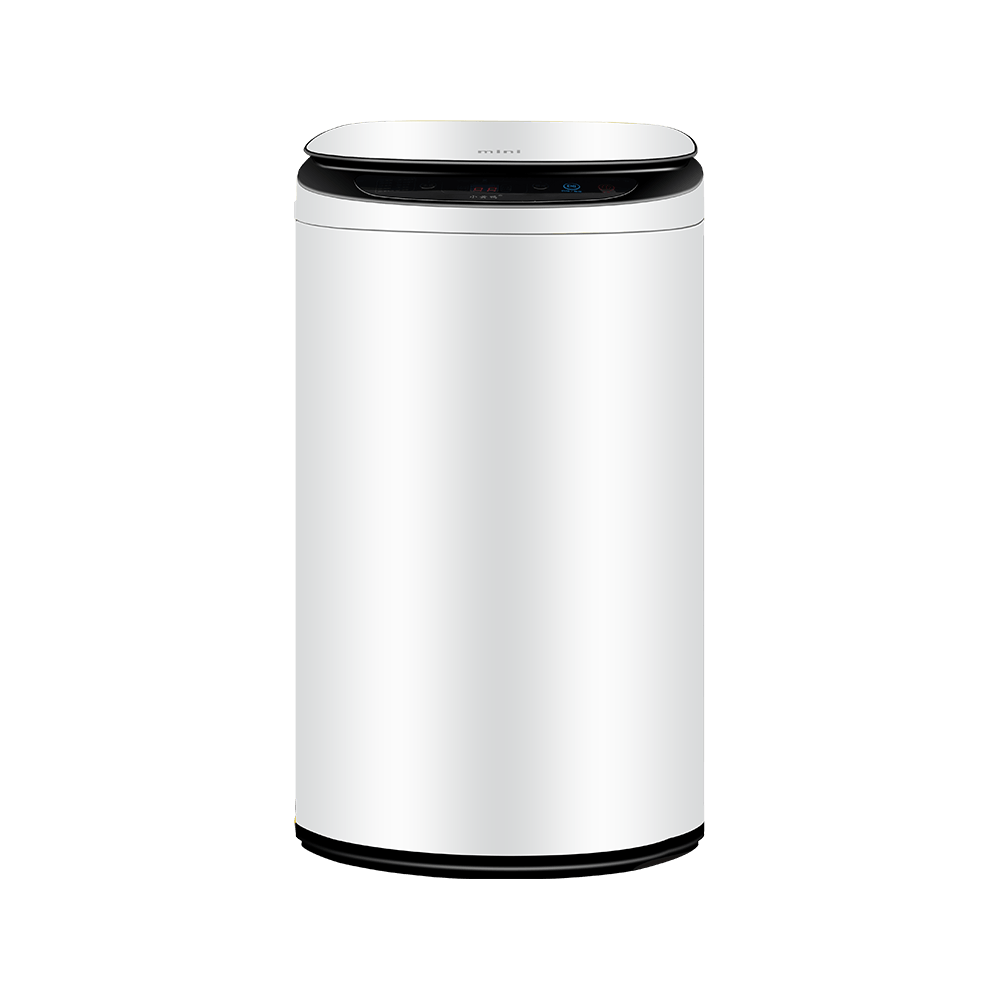
XQB35-188HMThis washing machine is based on innovative high-... View More
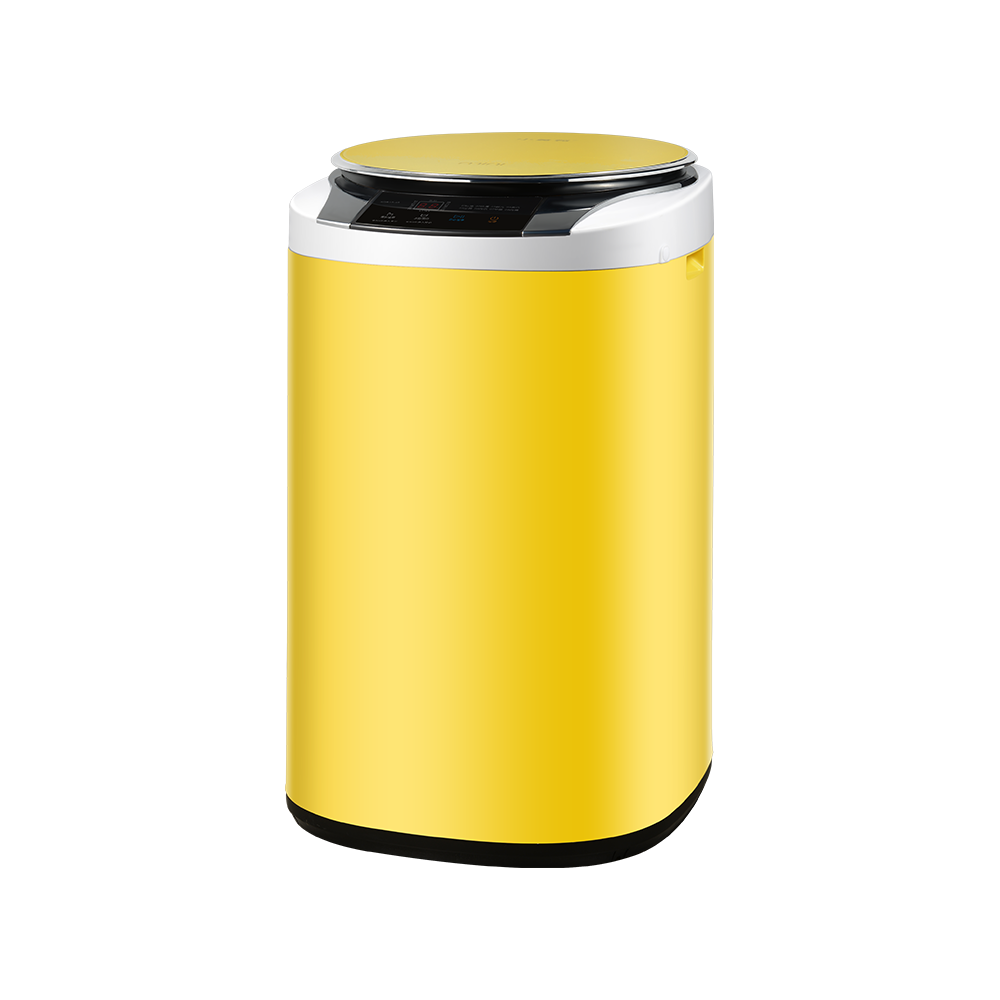
XQB35-655MLeading a new trend of healthy washing, integratin... View More

 Add: No.27 Hongwei Road, East Industrial Park, Guanhaiwei Town, Cixi City, Zhejiang Province, China
 Tel: +86-18520338190
 Tel: 400-8488-955
 Email: [email protected]
Copyright © Ningbo Zhijie Little Yellow Duck Electric Appliance Co., Ltd. All Rights Reserved.

Wholesale Fully Automatic Home Laundry Machine Manufacturers

 English
 عربى
عربى