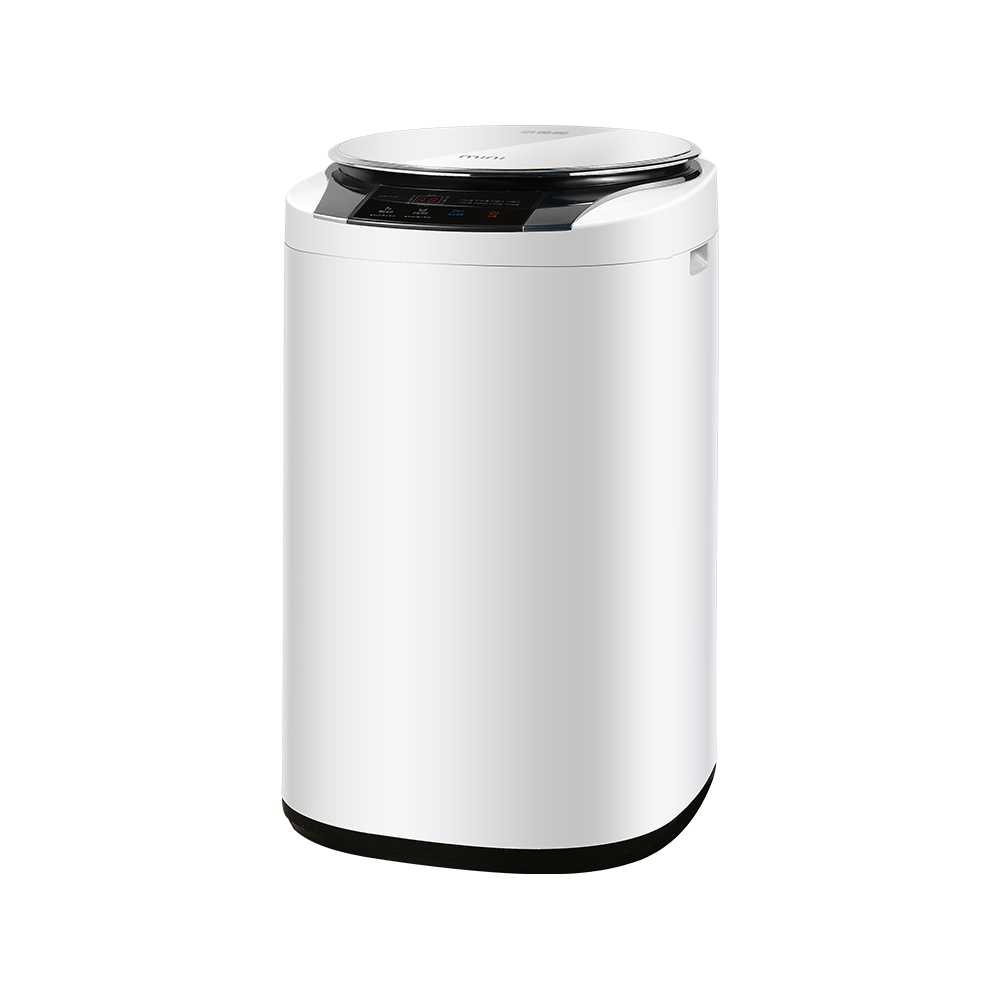
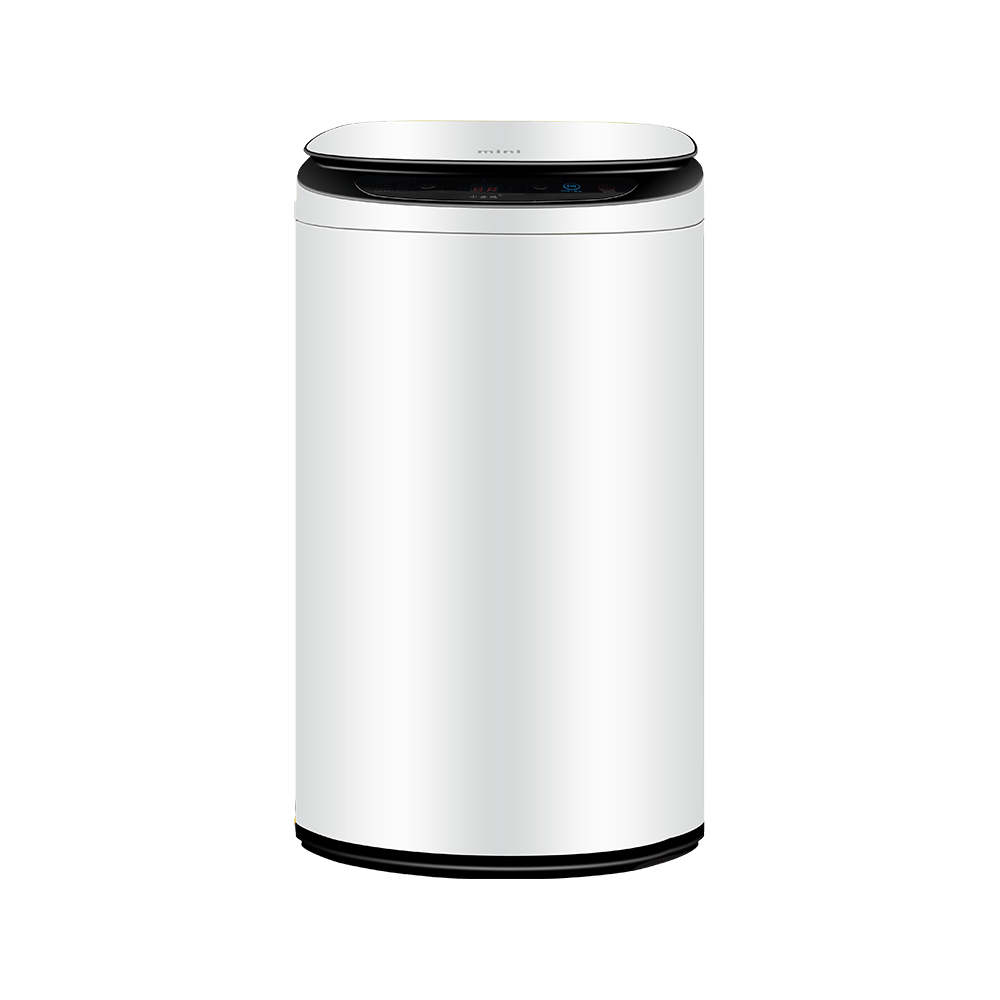
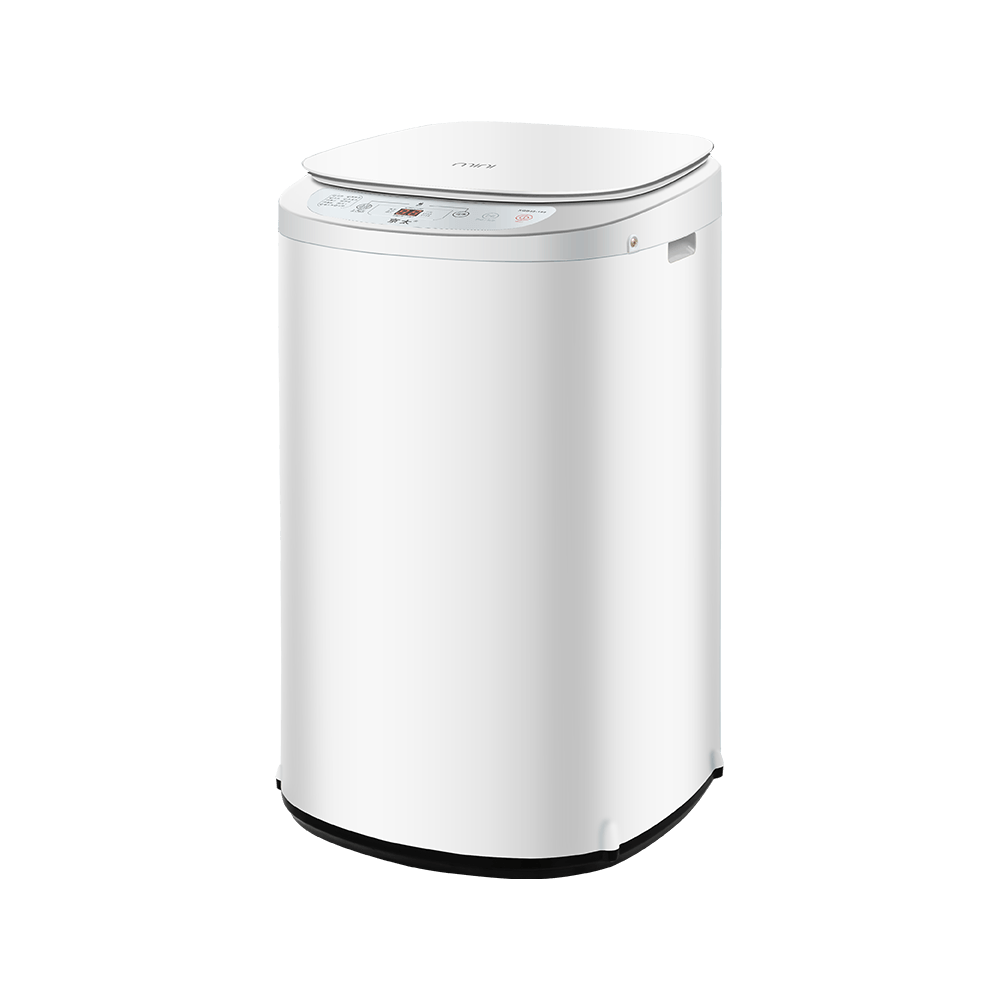
You come home on a Tuesday evening with a full laundry basket and a long list of other things to do. With a fully automatic washing machine, the whole cycle—filling, washing, rinsing, spinning, and draining—runs by itself once you press start. You are free to do something else. That is the core promise of fully automatic laundry equipment, and today it is available in a much wider range of sizes and feature combinations than most buyers expect.
This guide covers what separates one fully automatic washer from another: wash technology, capacity, drying options, and the build details that determine whether a machine still works well in year five.
The practical difference is simple: you load the clothes, add detergent, choose a program, and the machine completes every step on its own. A semi-automatic machine, by contrast, usually requires you to move laundry from a wash tub to a separate spin tub. That extra step takes time, spills water, and gives dirt more chances to re-settle on fabrics.
Behind the convenience, the hardware doing the work is a control board, a motor, a water valve system, and a drum that reverses direction during the cycle. The control board decides how long each stage lasts, how much water enters the tub, and when the drum should spin at high speed for extraction. That is why program selection matters: more programs mean the machine can adjust its behaviour to different fabrics and soil levels. Some models in this category offer 8 programs to choose from, while others go further with 10 washing modes.
Programs also matter for delicate fabrics. A machine that only offers one standard cycle will rough up silk, wool, and lace much faster than one with a gentle or hand-wash program.
Most fully automatic washers are differentiated by the cleaning technology they use. The three most common approaches on the market today are high-temperature boiling wash, blue light sterilization, and ozone sterilization. Each has clear advantages depending on what you wash and how often.
High-temperature washing heats water to near-boiling levels so that grease dissolves, bacteria are killed, and detergent activates more effectively. It is the strongest tool for hygiene-focused laundry such as towels, bed linen, underwear, and baby clothes. The trade-off is higher energy use per cycle, so check how the heater and temperature sensors are designed before choosing a model.
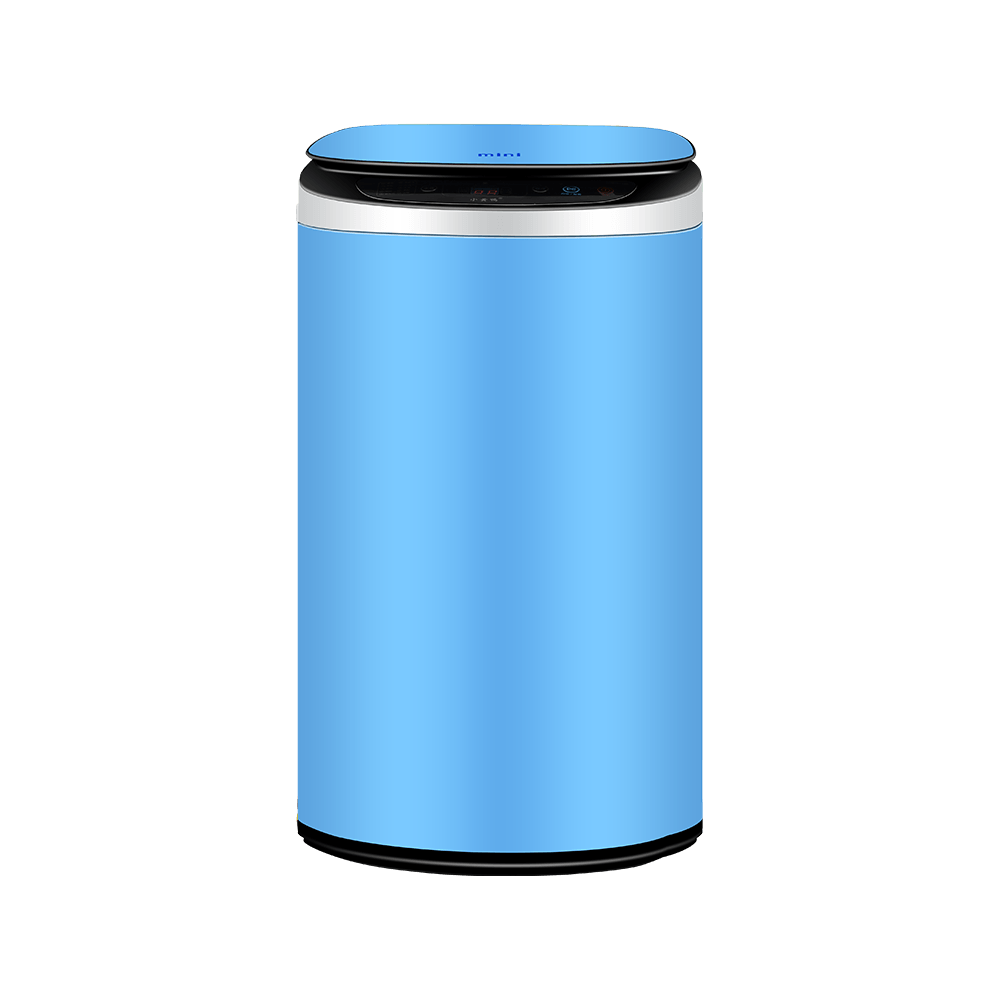 XQB35-188H 3.5kg High-Temperature Washer-Dryer in Five ColorsThis compact washer-dryer pairs high-temperature washing with smart drying, making it a strong choice for hygiene-focused loads like baby clothes and bedding despite higher energy use.View Product →
Blue light technology exposes the wash water and drum interior to specific light wavelengths during the cycle. It is a continuous, low-maintenance way to inhibit bacterial growth, and it works well for everyday family loads and undergarments. Machines that combine blue light with a pollution-free drum design also reduce the risk of bacteria being left behind in the drum for the next load.
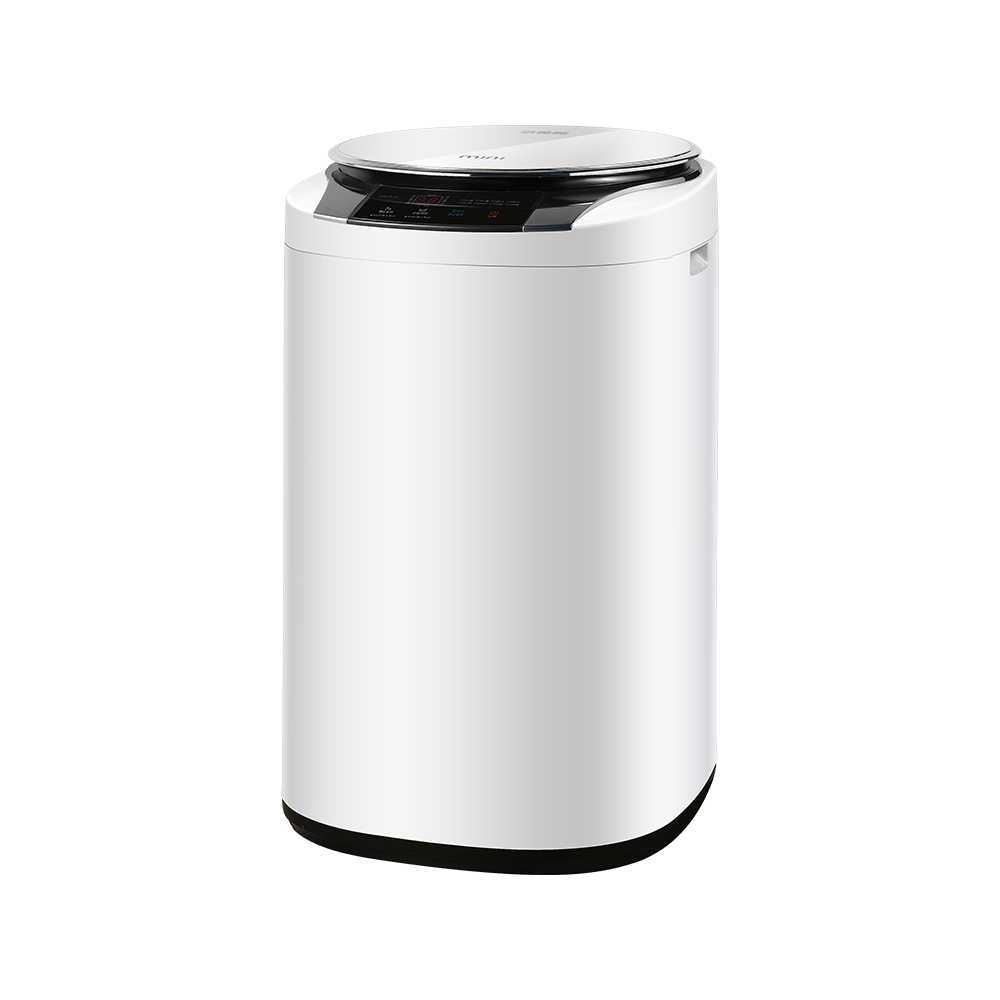 XQB35-655M 3.5kg Blue Light Pollution-Free Washing MachineFeaturing blue light sterilization and a pollution-free drum design, this model suits everyday family laundry and reduces bacterial buildup between loads with minimal upkeep.View Product →
Ozone dissolves directly into the water and oxidizes odor-causing bacteria, which makes it particularly effective for low-temperature and quick washes. It is a good match for portable machines that are used in apartments, dorms, or while travelling, where hot water may not always be available.
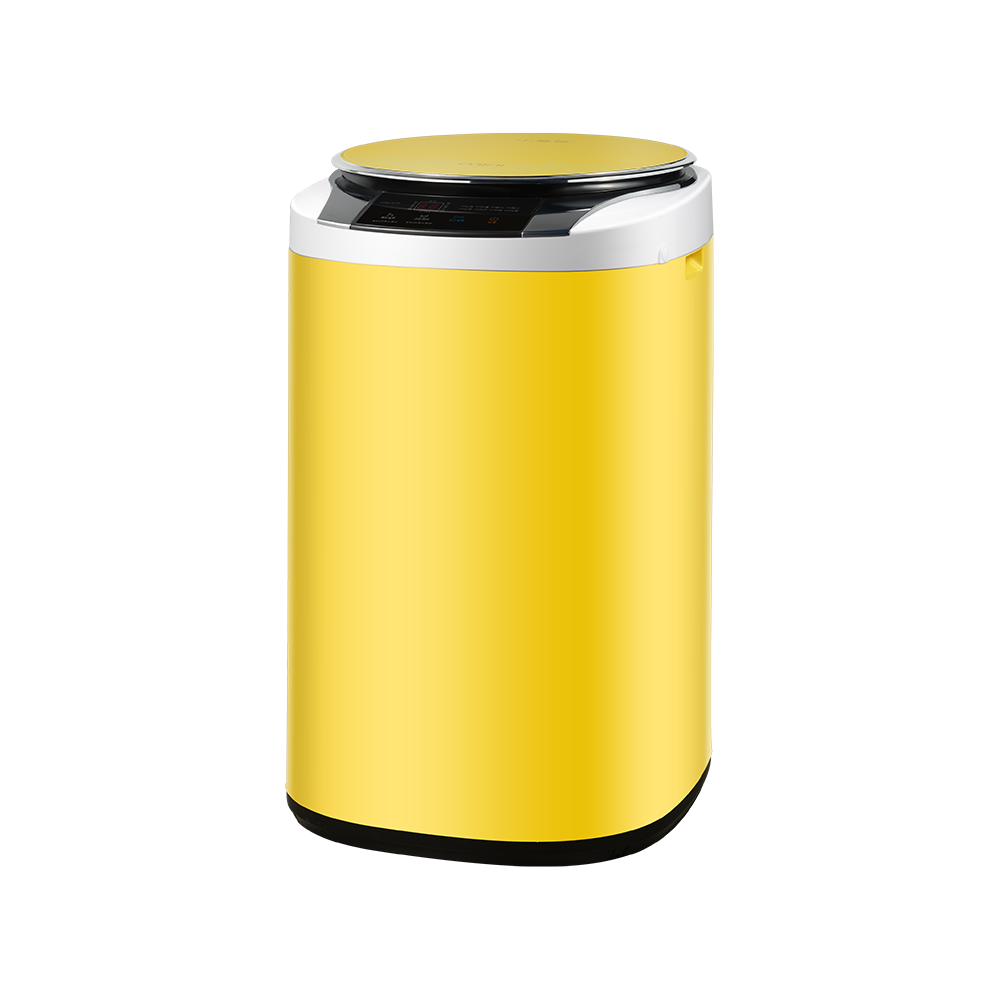 XQB20-78CA 2kg Portable Ozone Washing Machine with Watch-Style CoverThis lightweight portable washer uses ozone for low-temperature disinfection, ideal for apartments, dorms, or travel where hot water may not be readily available.View Product →
| Technology | How it works | Best suited for | Typical capacity in this product range |
|---|---|---|---|
| High-temperature boiling wash | Water is heated to near boiling to break down grease and kill bacteria | Towels, bedding, baby clothes, high-hygiene household loads | 1.5–4.5 kg |
| Blue light sterilization | Blue light inhibits bacteria during the wash, often paired with a pollution-free drum | Everyday family laundry and undergarments | 1.5–5.6 kg |
| Ozone sterilization | Ozone oxidizes bacteria and odors in cold or warm water | Portable use, travel, low-temperature quick washes | 1.5–2 kg in portable models |
The clearest convenience upgrade in fully automatic laundry equipment is a washer-dryer combination. After the wash and rinse stages finish, the machine switches to drying inside the same drum. You pull clothes out dry or nearly dry instead of hanging them on a rack or moving them to a separate tumble dryer.
That saves floor space and removes the most disliked manual step in laundry. It also raises energy and water questions, because drying consumes more power than washing. Buyers who care about running costs should look at how the machine manages temperature and drying time. The energy and water optimization approach used by modern washer-dryers is a good starting point when comparing models.
For most households, a combined unit is the practical choice. Large-capacity commercial laundries, on the other hand, usually keep separate washers and dryers because throughput matters more than floor space in that setting.
Capacity determines how many loads you run per week and how much water and electricity those loads consume. Buying too large means wasted resources on small loads; buying too small means running the machine several times a day.
| Capacity | Category | Typical scenario | Notable options |
|---|---|---|---|
| 1.5 kg | Mini / portable | Singles, small second loads, limited bathroom space | Ozone or drying versions, compact footprint |
| 2 kg | Portable | Apartments, home-and-travel use | Touch-screen controls on some models, watch-style design |
| 3.5 kg | Household | One to two people, daily washing | 8 programs, five colours, watch-style appearance |
| 4.5 kg | Household / large | Families of three to four | 10 washing modes, high-temperature sterilization |
| 5.6 kg | Large capacity | Larger households with heavy weekly volumes | Blue light sterilization, full-size drum |
Two build details matter here more than the marketing photos suggest. The first is the inner drum: stainless steel resists odor and bacterial buildup far better than plastic and keeps the machine hygienic for years. The second is the operating panel. Front-button, rear-button, and touch-screen layouts look similar in a brochure but feel very different in daily use, especially in small laundry rooms where you might press buttons with one hand while holding a basket.
Once you narrow down capacity and wash technology, the remaining decisions come down to production quality and supplier reliability. Here is a practical checklist:
The takeaway is straightforward: fully automatic laundry equipment is no longer one generic white box. You can choose high-temperature washing for hygiene, blue light for daily convenience, ozone for portable flexibility, and integrated wash-dry cycles for small spaces. Decide on capacity first, then compare wash technologies, then inspect the details that affect long-term reliability, such as drum material and control design. For families and small households, a 3.5 kg to 4.5 kg fully automatic washer with the right sterilization technology covers most needs without wasting space, water, or energy.
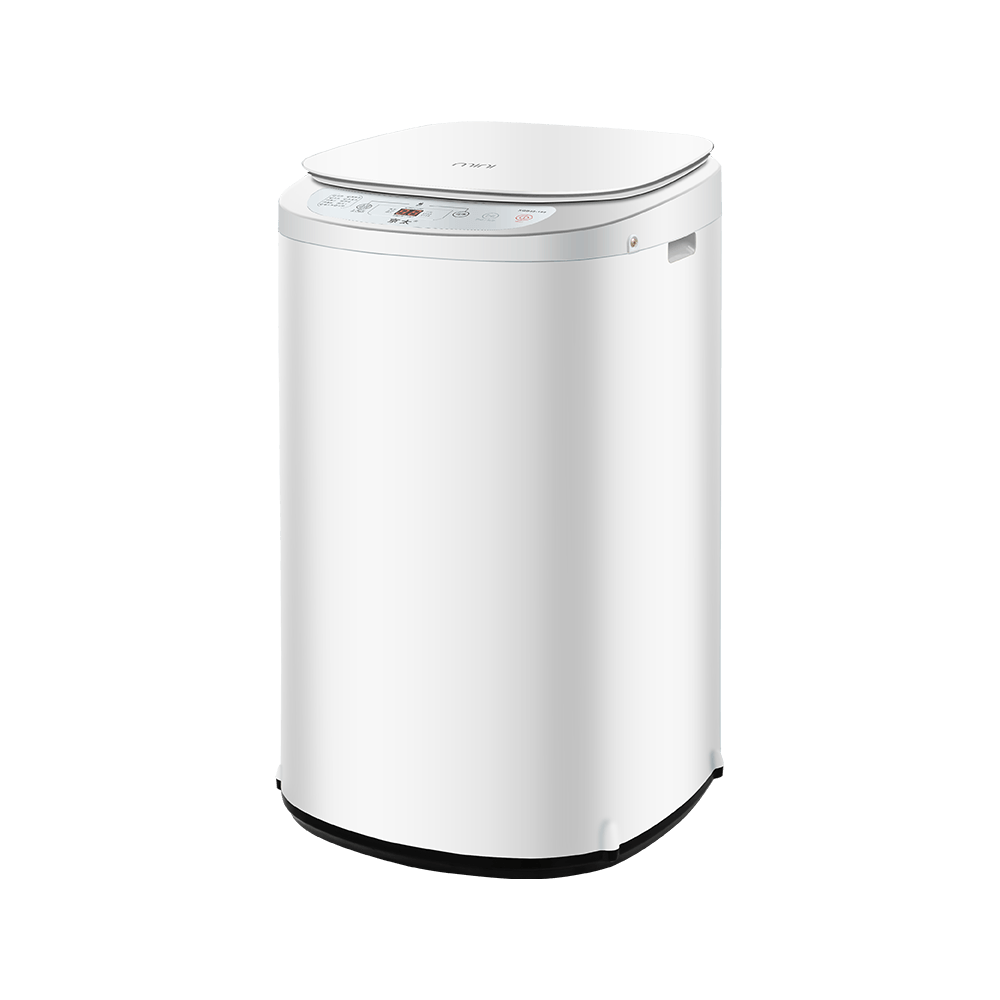
XQB45-188HM[Large capacity design to meet family needs]The 4... View More
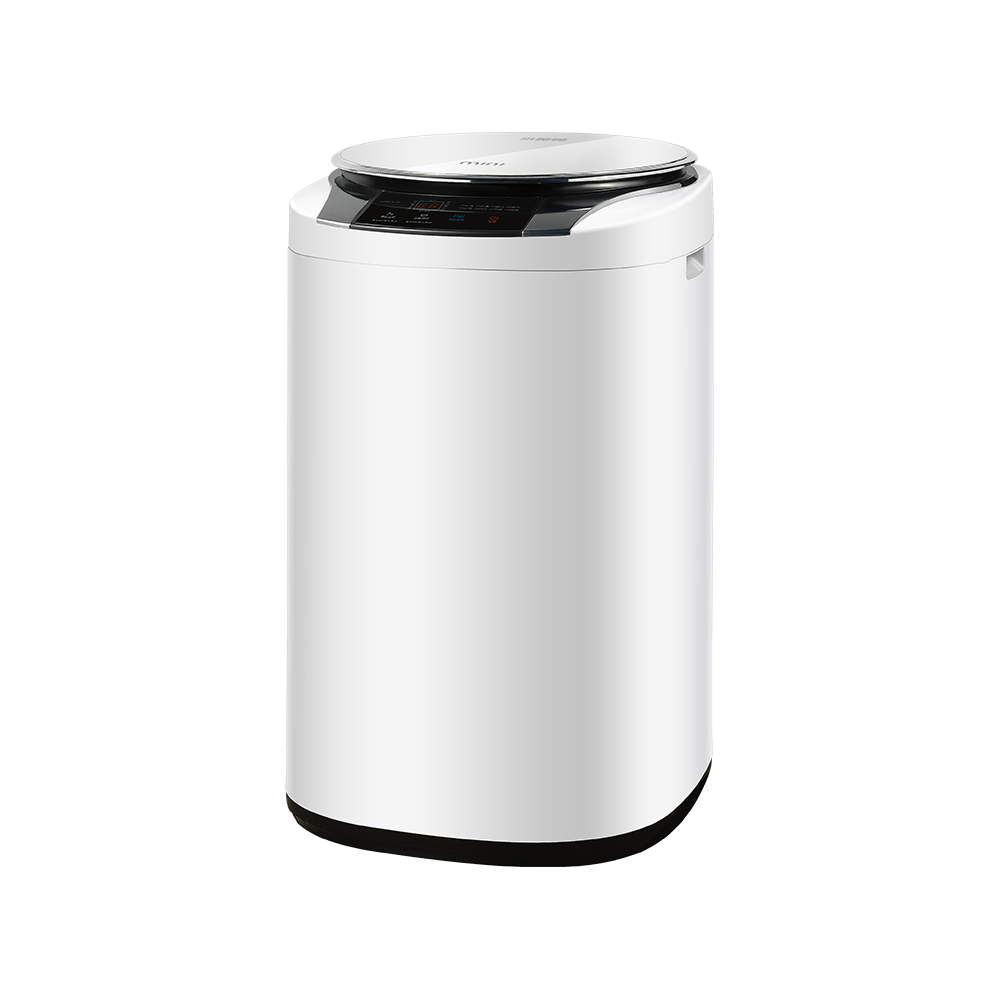
XQB35-166HM[Fashionable watch appearance, elegantly integrat... View More
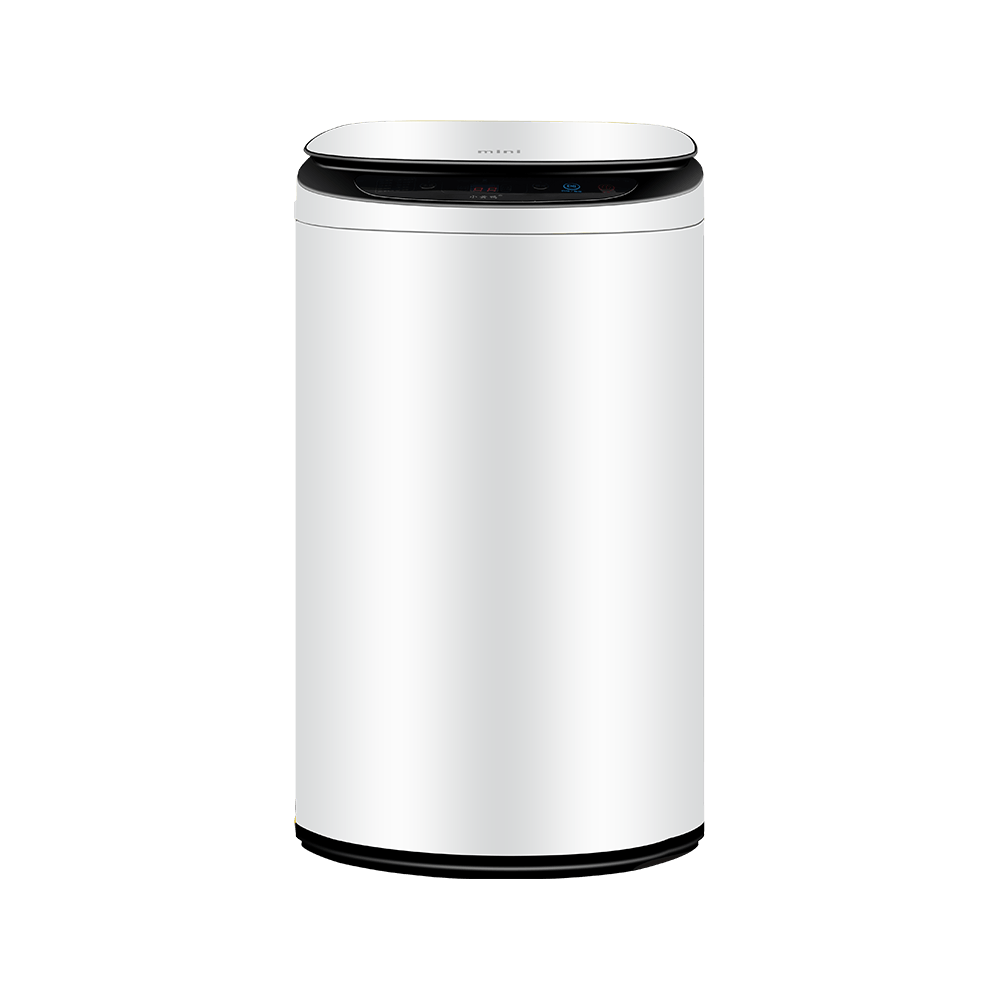
XQB35-188HMThis washing machine is based on innovative high-... View More
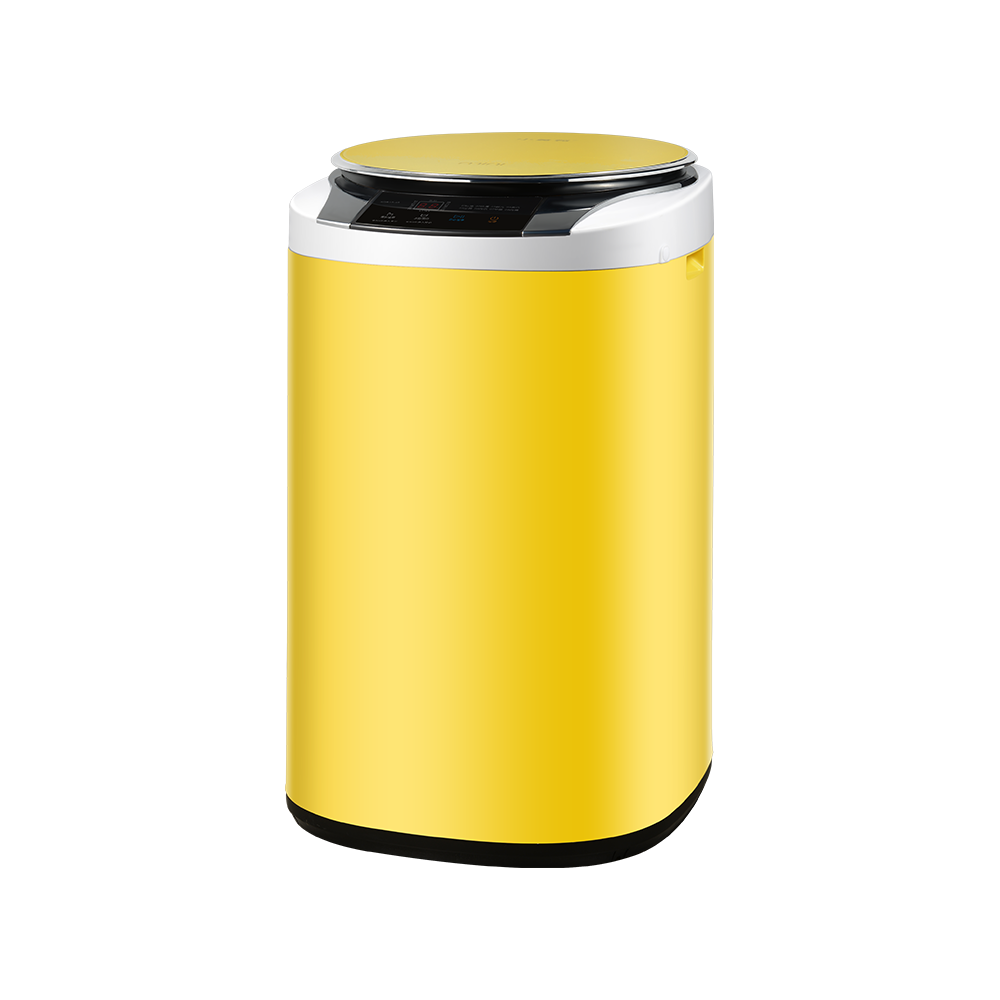
XQB35-655MLeading a new trend of healthy washing, integratin... View More

 Add: No.27 Hongwei Road, East Industrial Park, Guanhaiwei Town, Cixi City, Zhejiang Province, China
 Tel: +86-18520338190
 Tel: 400-8488-955
 Email: [email protected]
Copyright © Ningbo Zhijie Little Yellow Duck Electric Appliance Co., Ltd. All Rights Reserved.

Wholesale Fully Automatic Home Laundry Machine Manufacturers

 English
 عربى
عربى