When a washing cycle ends, the laundry is still heavy with water. A well-designed automatic spin cycle changes that: it removes most of the moisture before the clothes ever reach a dryer or a drying rack. That makes the difference between clothes that take hours to dry and clothes that are ready in minutes. If you are comparing washers, the spin cycle is one of the most important factors in drying time, energy cost, and how long your fabrics last.
The automatic spin cycle works by spinning the drum at high speed, generating centrifugal force that pushes water out of the fabric and toward the drain holes. In a typical fully automatic washer, the control board runs the spin phase at multiple points: after the wash to remove dirty water, after each rinse, and at the end of the cycle for final extraction.
During the last spin, a machine may alternate between speeds, pause briefly, and then spin again. Many users ask why modern washers speed up and down instead of spinning at a constant RPM. The behavior is intentional: acceleration is gradual to protect the drive system, pauses allow water to drain more completely, and speed changes help redistribute the load when the drum detects an imbalance.
The spin phase also affects wash quality. If the first spin after the wash stage is weak, detergent-laden water stays in the fabric and dilutes the rinse water. A stronger intermediate spin means a cleaner final rinse and less residue left on clothing.
Spin speed is expressed in revolutions per minute (RPM). The higher the RPM, the more water is extracted. However, higher speeds also create more mechanical stress, more vibration, and more noise. The right speed depends on the fabric and the size of the load.
| Spin Speed | Residual Moisture | Effect on Drying | Best Fabric Types |
|---|---|---|---|
| 400 - 600 RPM | 80% or higher | Longer drying time; suitable for line drying | Delicates, wool, synthetics |
| 800 - 1000 RPM | 70% - 75% | Normal dry cycle of 45 - 60 minutes | Everyday mixed loads |
| 1200 - 1400 RPM | 60% - 65% | Shorter drying time of 30 - 40 minutes | Cotton, towels, bed linen |
| Above 1600 RPM | Around 55% | Minimal dryer time; common in commercial laundry | Heavy cotton, high-efficiency washing |
Most compact and household fully automatic washers provide maximum spin speeds between 700 and 1200 RPM. That range balances water extraction with fabric protection. Some machines let you choose a lower speed, for instance 400 RPM, for delicate items such as silk or lace, while using maximum speed for towels and jeans.
The practical effect is measured as residual moisture content, the percentage of water left in fabric after the spin. A machine that spins at 800 RPM typically leaves around 75 percent moisture, while a 1200 RPM spin leaves closer to 60 percent. That gap can cut dryer time by almost half.
The word automatic matters. A fixed-speed spin would simply turn the drum quickly for a set time, regardless of load size or fabric condition. Modern fully automatic washers monitor the load continuously and adjust the spin behavior.
Features you will find on a well-designed spin cycle include:
These behaviors mean the spin cycle is not just about speed; it is a carefully sequenced process that adapts to what is happening inside the drum.
When you are evaluating a washer, look beyond the maximum RPM number. Total performance depends on several details that work together.
Stainless steel drums stay smooth and rust-free for years, allowing clothes to slide easily during the spin. They also reduce friction-related wear compared with older enamel or plastic surfaces.
A machine that offers eight to ten programs gives you better control over the spin phase. A gentle program can reduce spin speed for delicates, while a heavy program uses maximum speed for thick fabrics. More programs mean you can match the spin to the load more precisely.
Washing techniques such as high-temperature boiling, ozone sterilization, and blue light sterilization clean the fabric at a deeper level before the spin phase begins. When bacteria and residue are removed during the wash, the spin phase finishes the job by removing moisture. A cleaner wash also means less detergent leftover in the fibers after the final spin. For a closer look, see this article on blue light technology in fully automatic washing machines.
The capacity of a washer changes the physics of the spin cycle. In a small 1.5 to 2 kg drum, the load is compact, so the machine can reach higher RPM with minimal vibration. In a larger 4.5 kg drum, the motor must accelerate a heavier mass, and the suspension must work harder to dampen vibration.
Here is how the capacity classes compare for a fully automatic spin cycle washer:
These machines suit one or two people, small apartments, or people who travel often. They spin fast enough to make small loads nearly dry and are light enough to move around. A portable watch-style model with wash-and-dry capability is a practical option in this class.
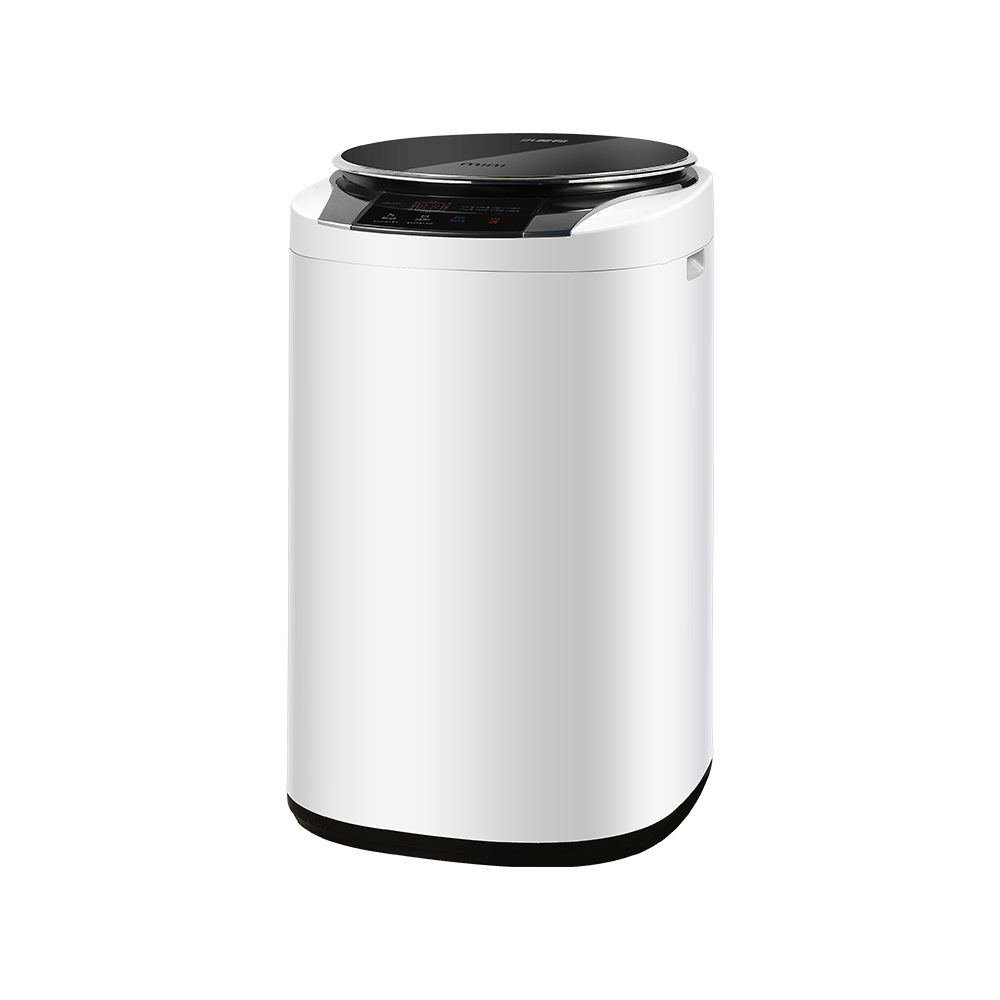 Portable 2kg Watch-Style Washer-Dryer for Small Spaces and TravelThis compact 2kg machine combines washing and drying in a lightweight, portable design, making it ideal for solo users, couples, or frequent travelers who need easy laundry care in limited spaces.View Product →
For one to two person households that wash everyday clothing regularly, 3.5 kg balances drum volume and spin stability. Many models combine washing, spinning, and drying in one drum. A compact footprint with a pollution-free internal design makes this class popular in modern kitchens and utility rooms.
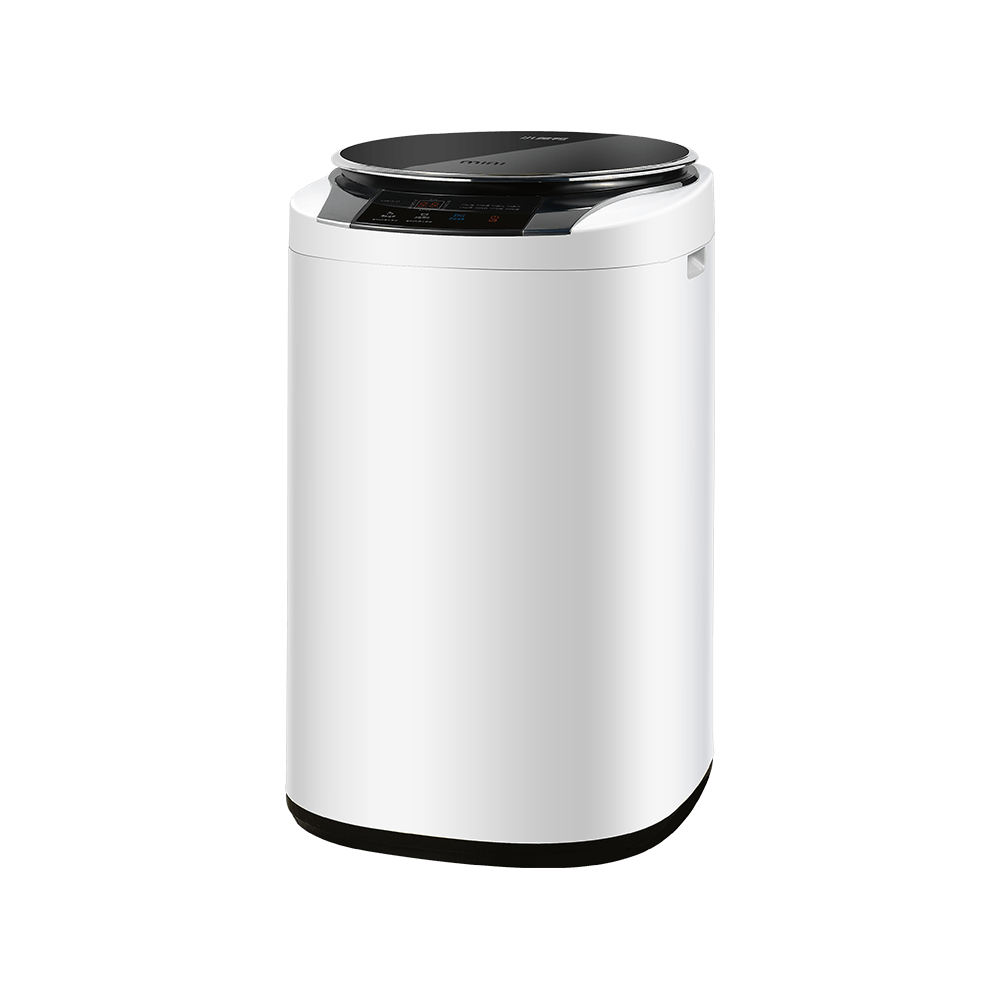 3.5kg Fully Automatic Watch-Style Washer-Dryer with Anti-Pollution DesignWith a balanced 3.5kg drum and integrated drying, this model suits one or two-person households, offering stable spinning and a pollution-free structure to keep everyday laundry fresh and clean.View Product →
Families with towels, bed linen, and heavier laundry benefit from a 4.5 kg drum. The larger drum diameter gives the clothes a longer lever, so the centrifugal force presses them against the drum wall with greater strength at the same RPM. A 4.5 kg household model with drying function covers most weekly family loads.
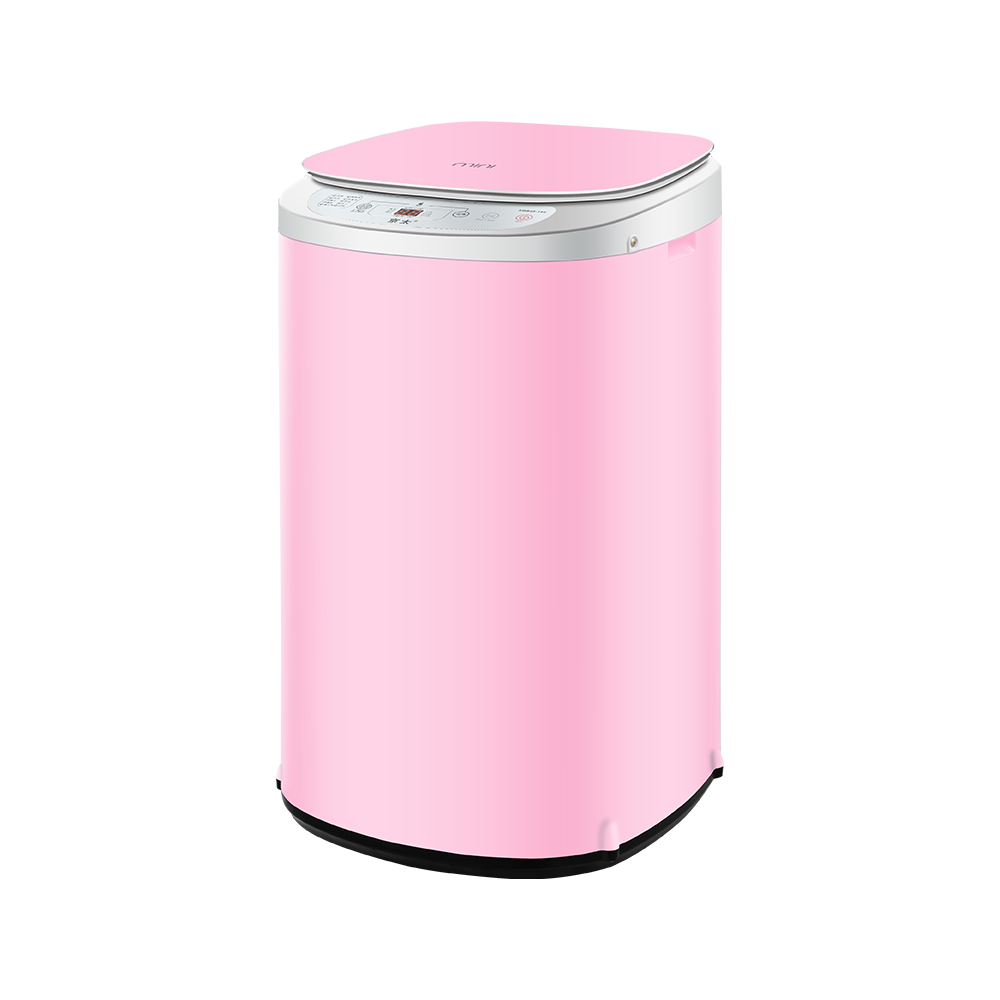 4.5kg Household Fully Automatic Washer-Dryer with Anti-Pollution TechnologyOffering a generous 4.5kg capacity, this washer-dryer handles towels, bedding, and heavier family loads efficiently, while its anti-pollution design helps maintain hygiene and reduce secondary contamination.View Product →
The best capacity choice depends on your routine. If you wash every day or two, a 3.5 kg machine is usually enough. If you prefer to run fewer, larger loads, a 4.5 kg model saves time. And if you travel or live in a very small space, a 2 kg portable machine can be the most practical.
For more insight into how washer-dryer models manage energy and water in combined cycles, read this article on how fully automatic washer-dryers optimize energy consumption and water-saving performance.
An automatic spin cycle is reliable, but user habits and maintenance affect it. Here are the most common situations we see from customers and service calls:
Understanding these patterns helps you diagnose a problem quickly and avoid a service call when nothing is actually broken.
The automatic spin cycle washer is not simply a drum that spins fast. It is a coordinated system involving a motor controller, load sensors, suspension, and a drain pump. The quality of that system decides how dry your laundry comes out, how much energy the dryer then needs, and how long the machine lasts.
When choosing a washer, compare the spin speed ranges, the program flexibility, the drum material, and how the machine handles unbalanced loads. If you choose a wash-and-dry model, check how the spin phase interacts with the drying cycle, because the final spin speed directly affects drying time and energy use.
A well-designed automatic spin cycle washer saves you time every week, not only through faster drying but through fewer damaged garments and lower energy costs. That is the kind of efficiency worth looking for.
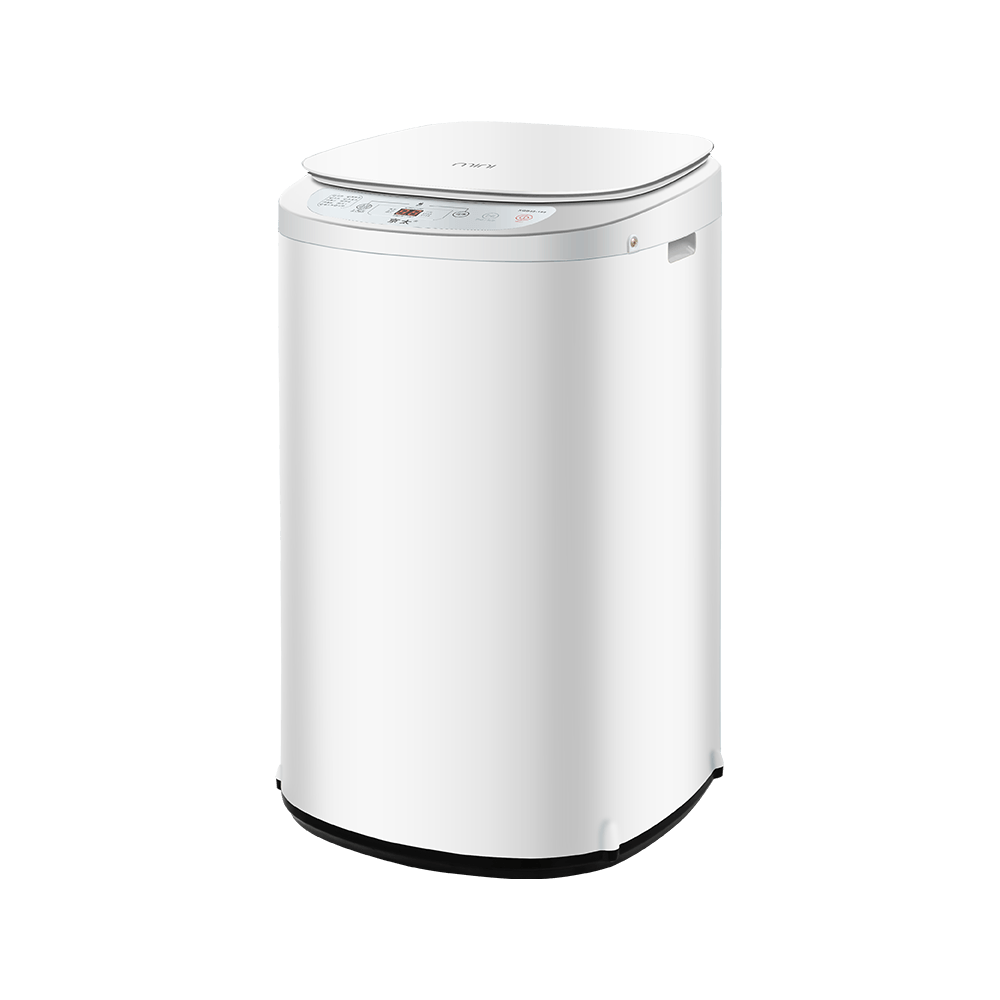
XQB45-188HM[Large capacity design to meet family needs]The 4... View More
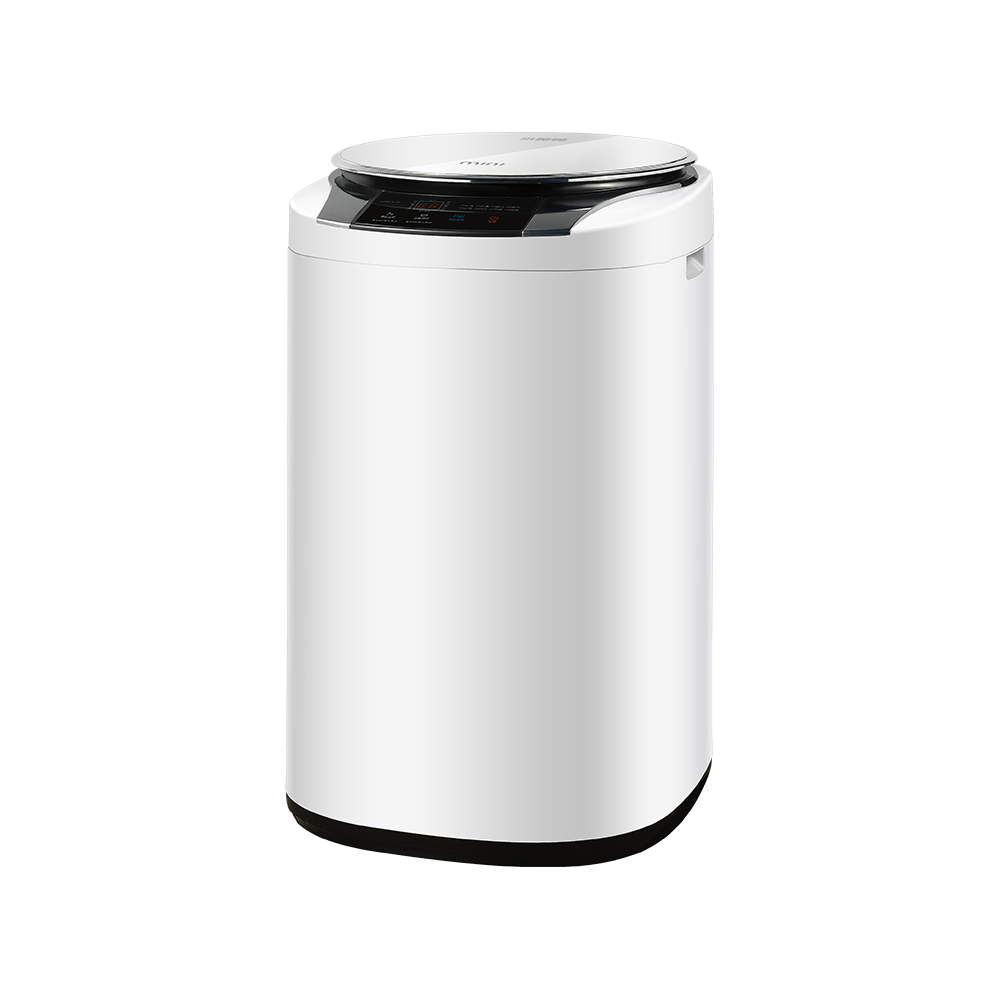
XQB35-166HM[Fashionable watch appearance, elegantly integrat... View More
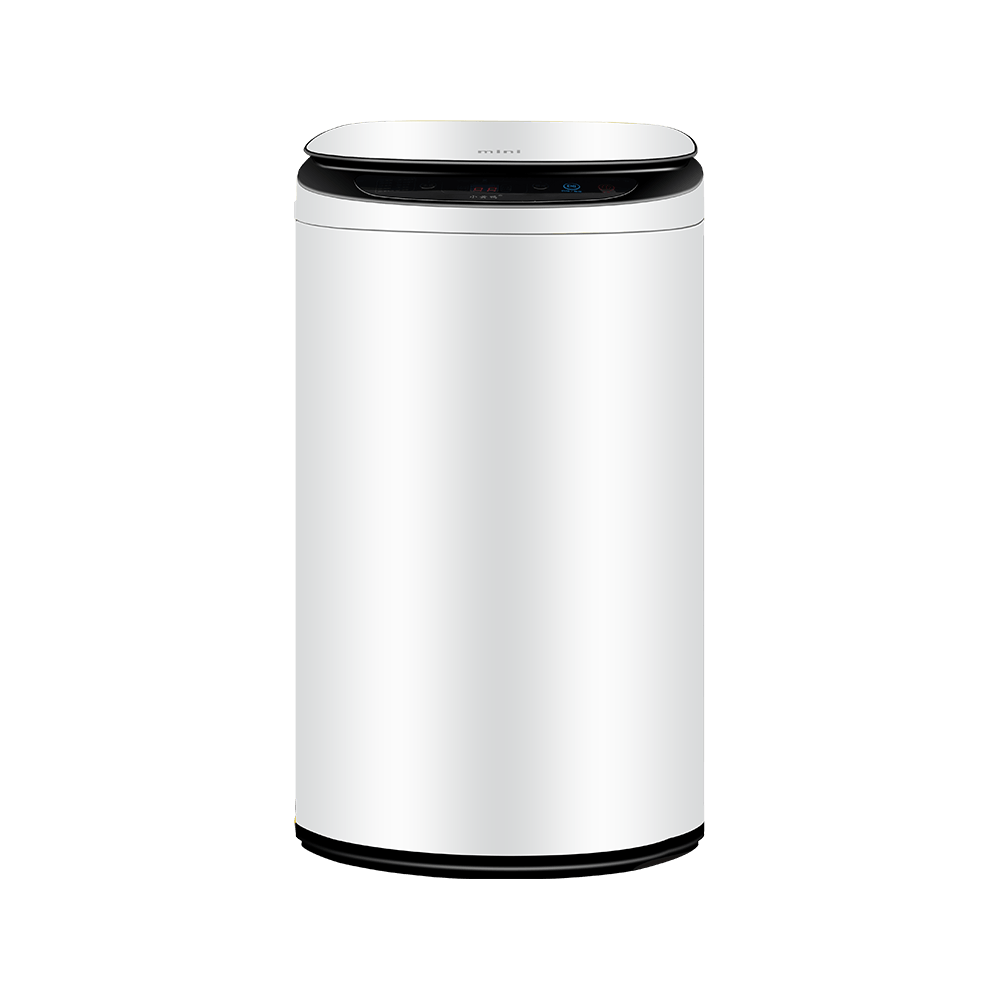
XQB35-188HMThis washing machine is based on innovative high-... View More
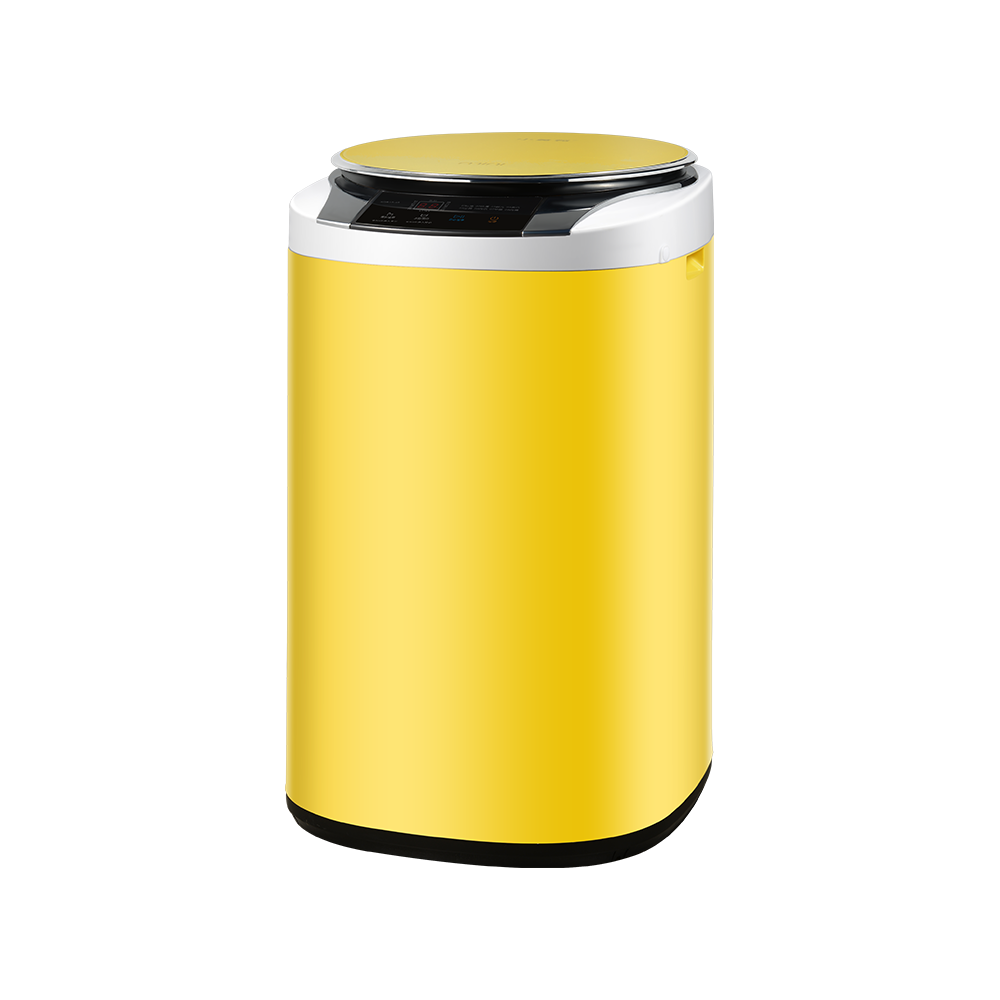
XQB35-655MLeading a new trend of healthy washing, integratin... View More

 Add: No.27 Hongwei Road, East Industrial Park, Guanhaiwei Town, Cixi City, Zhejiang Province, China
 Tel: +86-18520338190
 Tel: 400-8488-955
 Email: [email protected]
Copyright © Ningbo Zhijie Little Yellow Duck Electric Appliance Co., Ltd. All Rights Reserved.

Wholesale Fully Automatic Home Laundry Machine Manufacturers

 English
 عربى
عربى