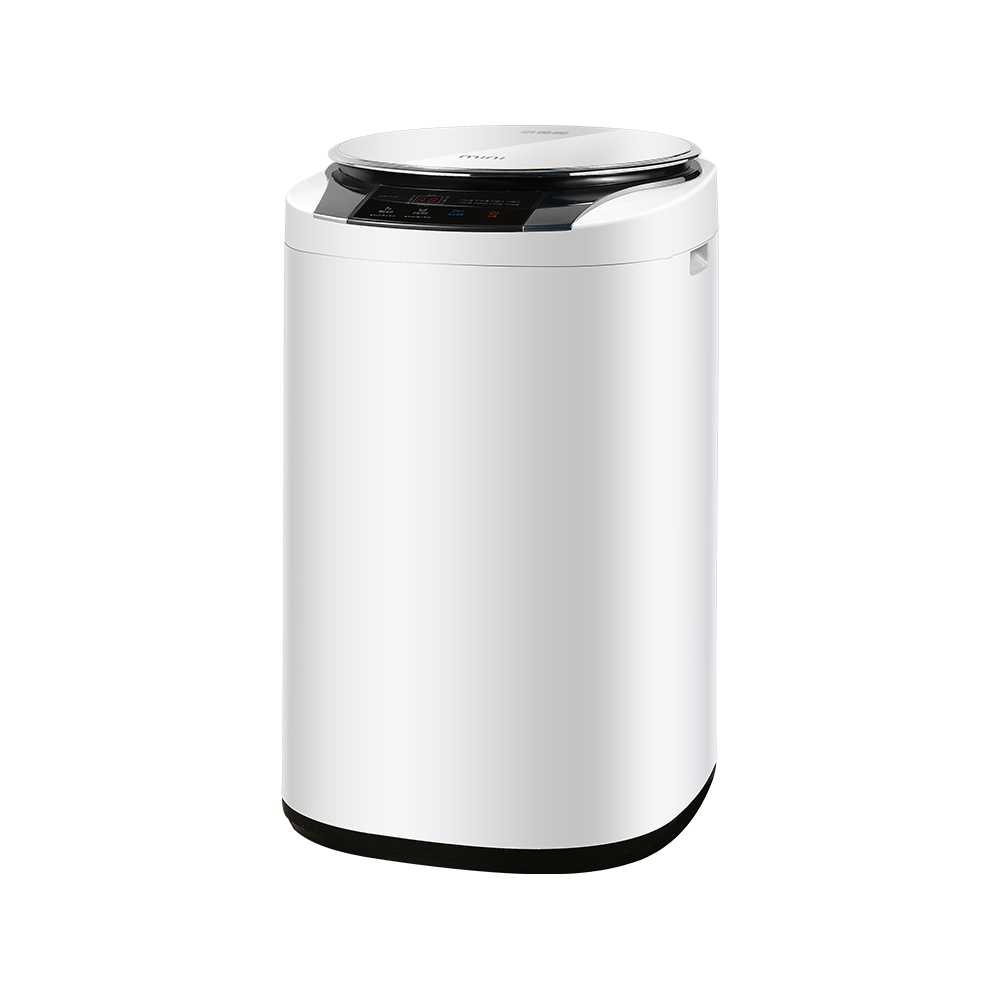
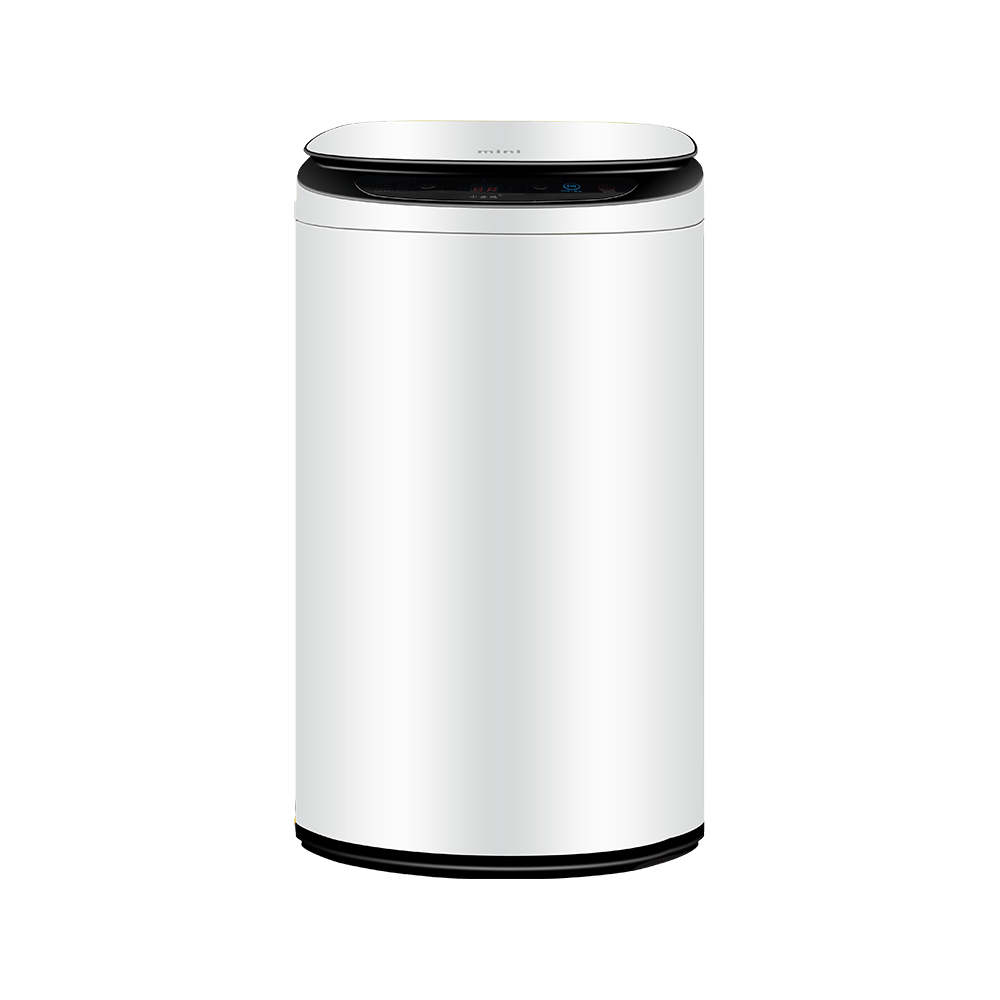
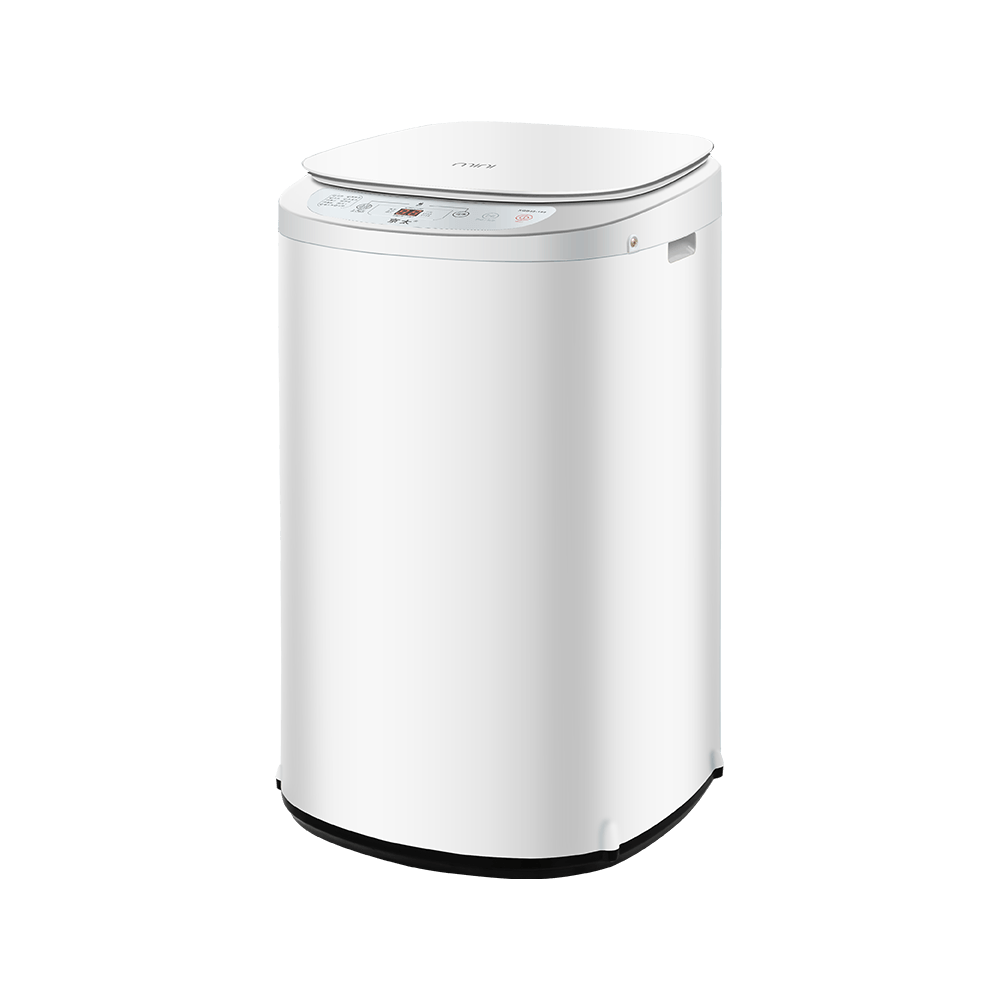
High temperature alone breaks down proteins and denatures many pathogens, but it needs sustained exposure — often 10 minutes or more at 90 degrees Celsius — to reliably kill resistant organisms like certain spore-forming bacteria. Ozone, injected as dissolved gas into the wash water, attacks microbial cell walls through oxidation and works effectively even at lower water temperatures, which is why combining both allows a shorter overall cycle without sacrificing disinfection quality.
In a fully automatic system, sensors regulate water temperature and ozone concentration simultaneously, adjusting injection duration based on load size and soil level. This automation removes the guesswork that manual or semi-automatic machines require, where operators must manually estimate ozone dosing and heating time.
Laboratory-style comparisons across laundry equipment consistently show measurable differences in pathogen reduction between machine types.
| Machine Type | Typical Max Temp | Disinfection Method | Limitation |
| Standard cold/warm washer | 30 to 40°C | Detergent chemistry only | Limited effect on resistant bacteria and spores |
| High-temperature washer (no ozone) | 60 to 95°C | Heat denaturation | High energy use, longer cycle times, fades some fabrics |
| Fully automatic high-temp ozone washer | 60 to 95°C with ozone injection | Heat plus oxidative disinfection | Higher upfront equipment cost |
The combined approach allows facilities to reduce reliance on chlorine-based disinfectants, which matters for fabric longevity and for reducing chemical runoff in wastewater.
One counterintuitive advantage of ozone-assisted washing is that it often reduces total energy consumption compared to heat-only high-temperature machines. Because ozone can achieve disinfection at somewhat lower sustained temperatures and shorter hold times, the heating element runs for less time per cycle.
Facilities running multiple loads per day report that the reduced heating duration offsets much of the additional cost of the ozone generation unit within the first one to two years of operation.
Repeated exposure to sustained high heat gradually weakens fiber structure, particularly in cotton-polyester blends common in uniforms and bedding. Because ozone systems allow effective disinfection without requiring the longest possible heat exposure, fabrics washed in fully automatic ozone machines tend to show less fiber breakdown and color fading over repeated cycles compared to fabrics washed exclusively at maximum sustained heat.
Color retention: Textiles washed with shorter high-heat exposure combined with ozone show noticeably less dye fading across repeated industrial wash cycles than those washed with heat-only high-temperature protocols.
Fiber strength: Reduced cumulative heat exposure over the lifespan of linens can extend usable service life, delaying replacement costs for hotels, hospitals, and commercial laundries.
Not every laundry operation needs the added complexity of ozone injection. The technology delivers the clearest return in settings where disinfection is a regulatory or safety requirement rather than a convenience.
Smaller household or low-volume commercial settings may find the equipment cost harder to justify unless disinfection is a specific priority, such as for a household member with a compromised immune system.
Ozone generation components require periodic inspection that standard washers do not need. The ozone generator itself, along with the injection tubing and seals, must be checked regularly since ozone is a reactive gas that can degrade certain rubber and plastic components faster than plain water exposure would.
| Component | Standard Washer | Ozone Washer |
| Heating element inspection | Every 6 to 12 months | Every 6 to 12 months |
| Seals and gaskets | Annual check typical | More frequent check due to ozone exposure |
| Ozone generator unit | Not applicable | Quarterly inspection recommended |
Facilities that skip this added maintenance step risk reduced ozone output over time, which can quietly lower disinfection effectiveness even though the machine appears to be running normally.
The upfront price of a fully automatic high-temperature ozone washing machine is typically higher than a comparable heat-only industrial washer, largely due to the added ozone generation and injection hardware. However, when factoring in reduced detergent and chemical disinfectant purchases, shorter cycle times allowing more loads per day, and extended fabric lifespan, many commercial operations recover the price difference within two to three years of consistent use.
Operations that run fewer than a handful of loads per week may not see the same speed of return, since the savings scale with volume rather than with machine capability alone.
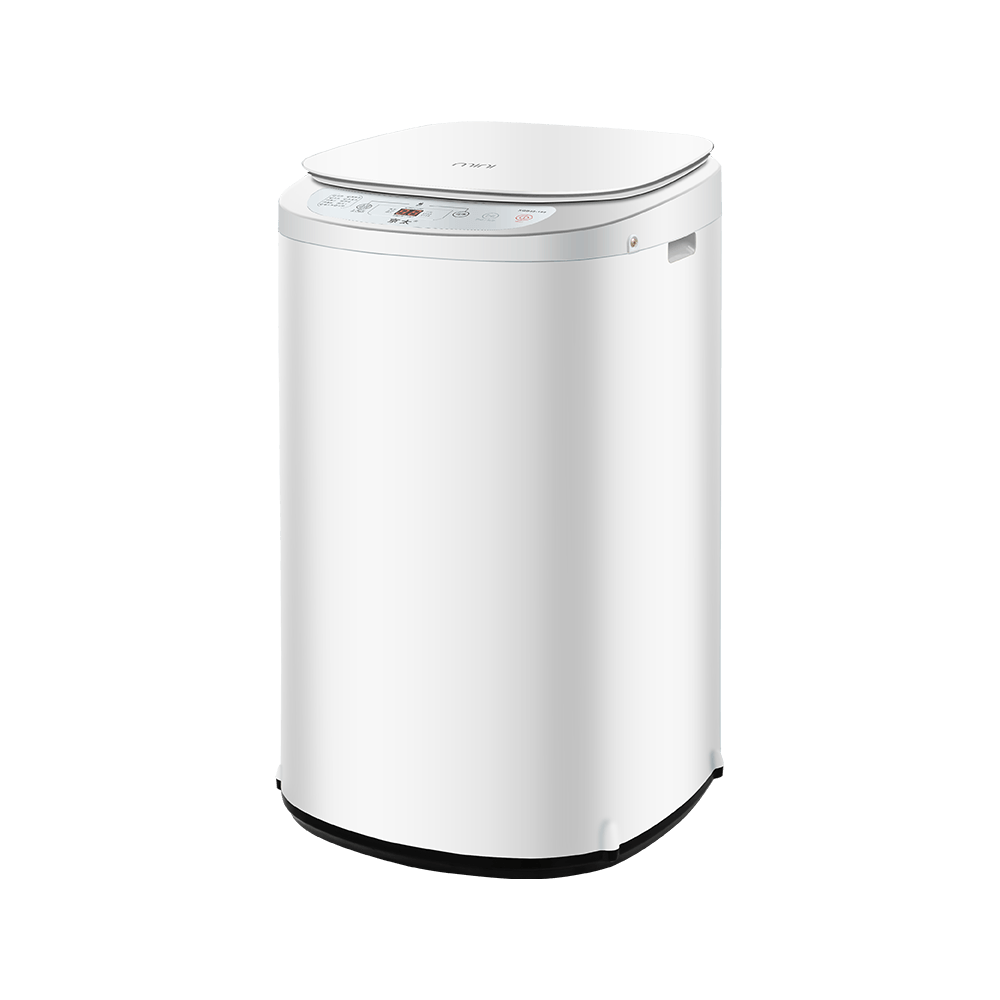
XQB45-188HM[Large capacity design to meet family needs]The 4... View More
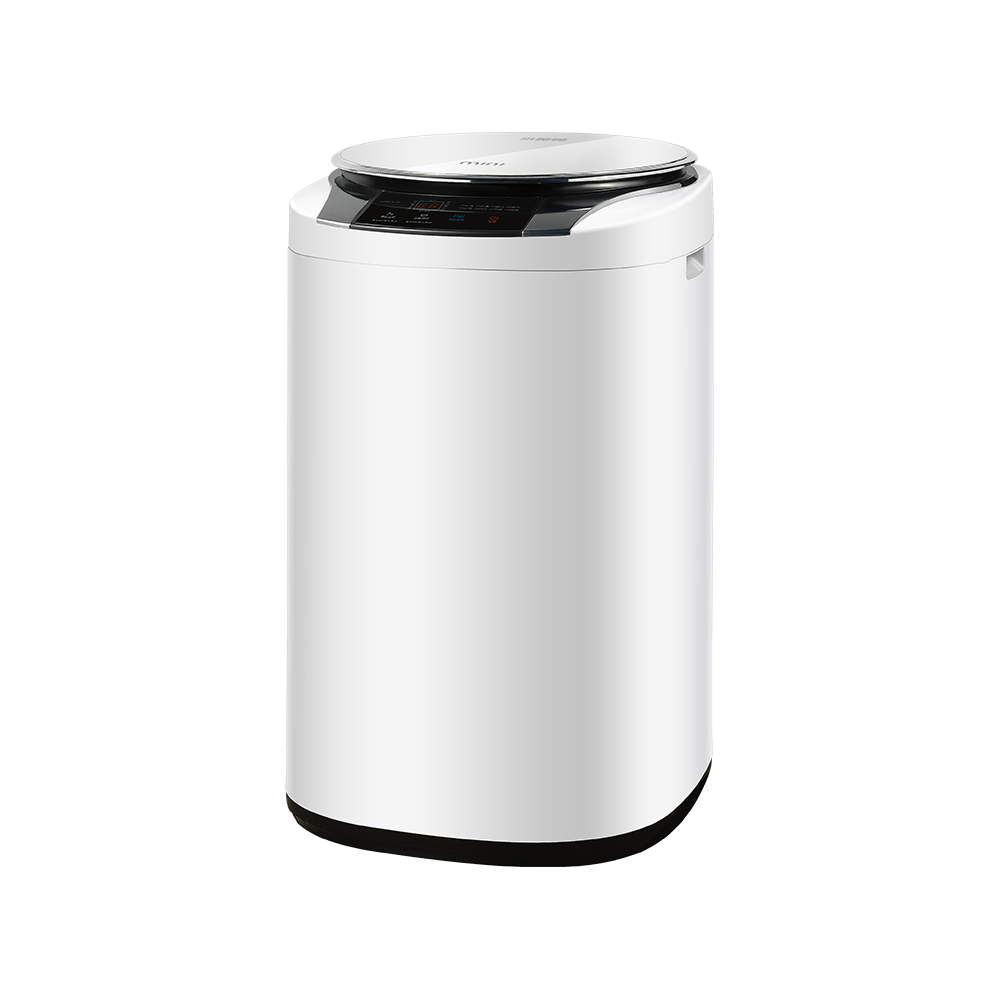
XQB35-166HM[Fashionable watch appearance, elegantly integrat... View More
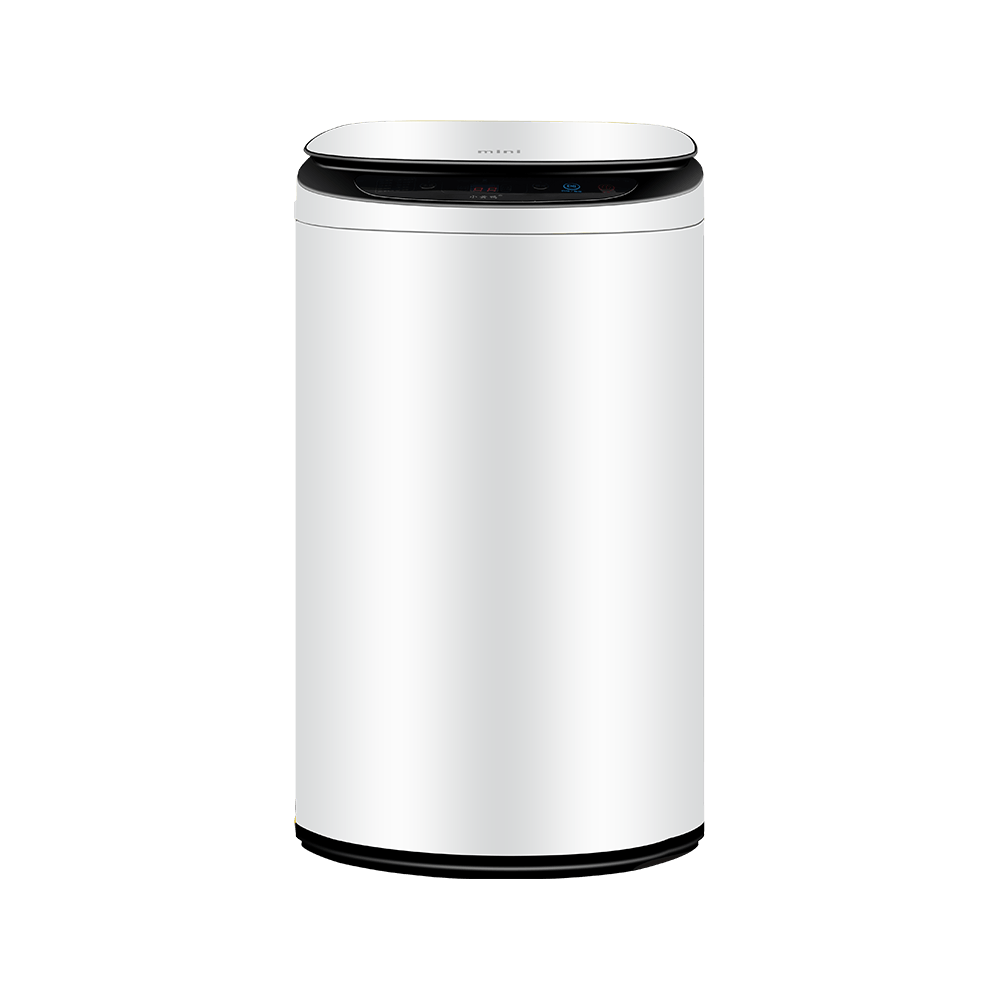
XQB35-188HMThis washing machine is based on innovative high-... View More
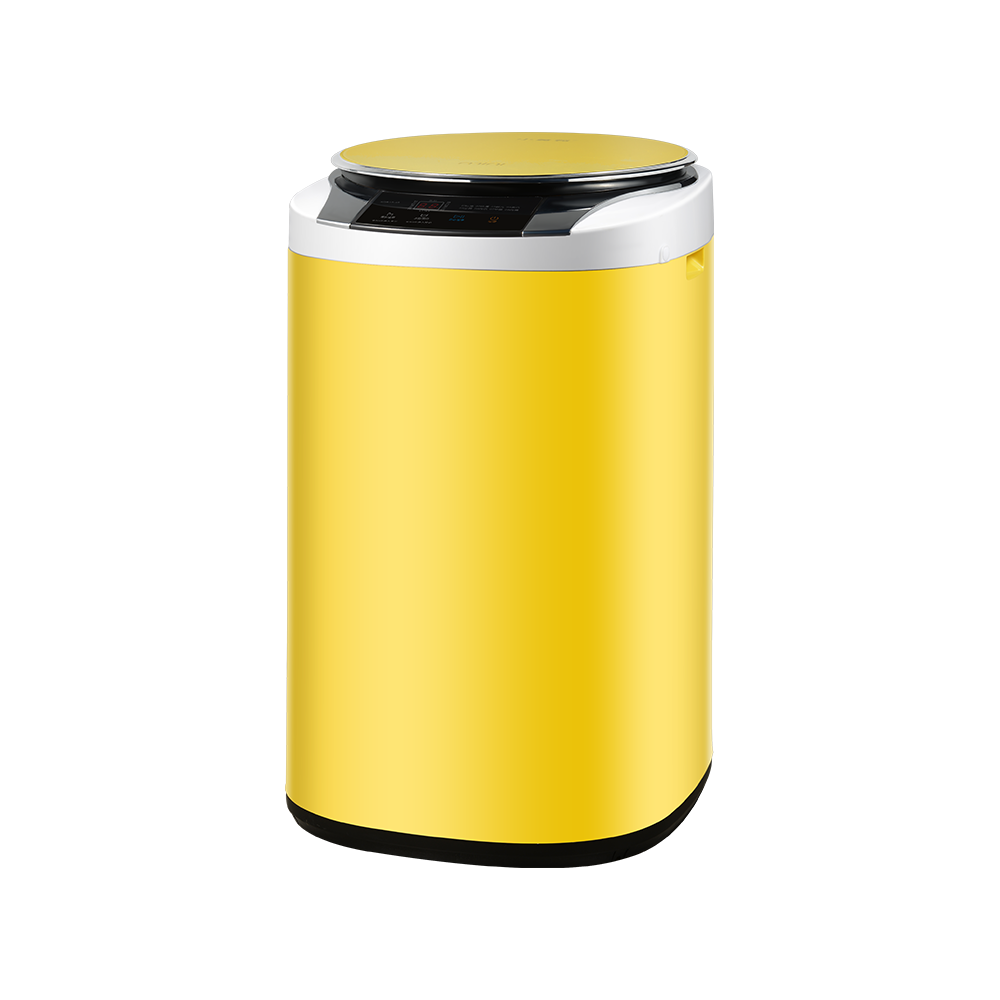
XQB35-655MLeading a new trend of healthy washing, integratin... View More

 Add: No.27 Hongwei Road, East Industrial Park, Guanhaiwei Town, Cixi City, Zhejiang Province, China
 Tel: +86-18520338190
 Tel: 400-8488-955
 Email: [email protected]
Copyright © Ningbo Zhijie Little Yellow Duck Electric Appliance Co., Ltd. All Rights Reserved.

Wholesale Fully Automatic Home Laundry Machine Manufacturers

 English
 عربى
عربى