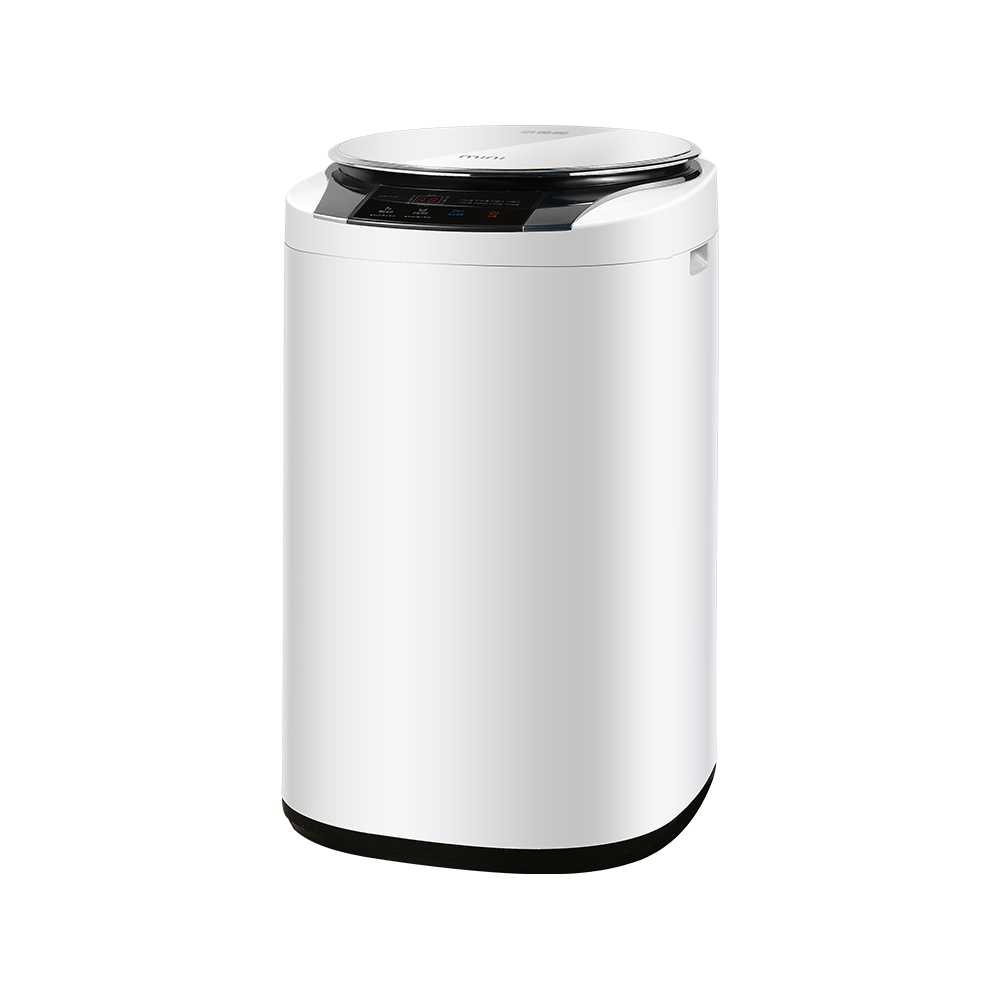
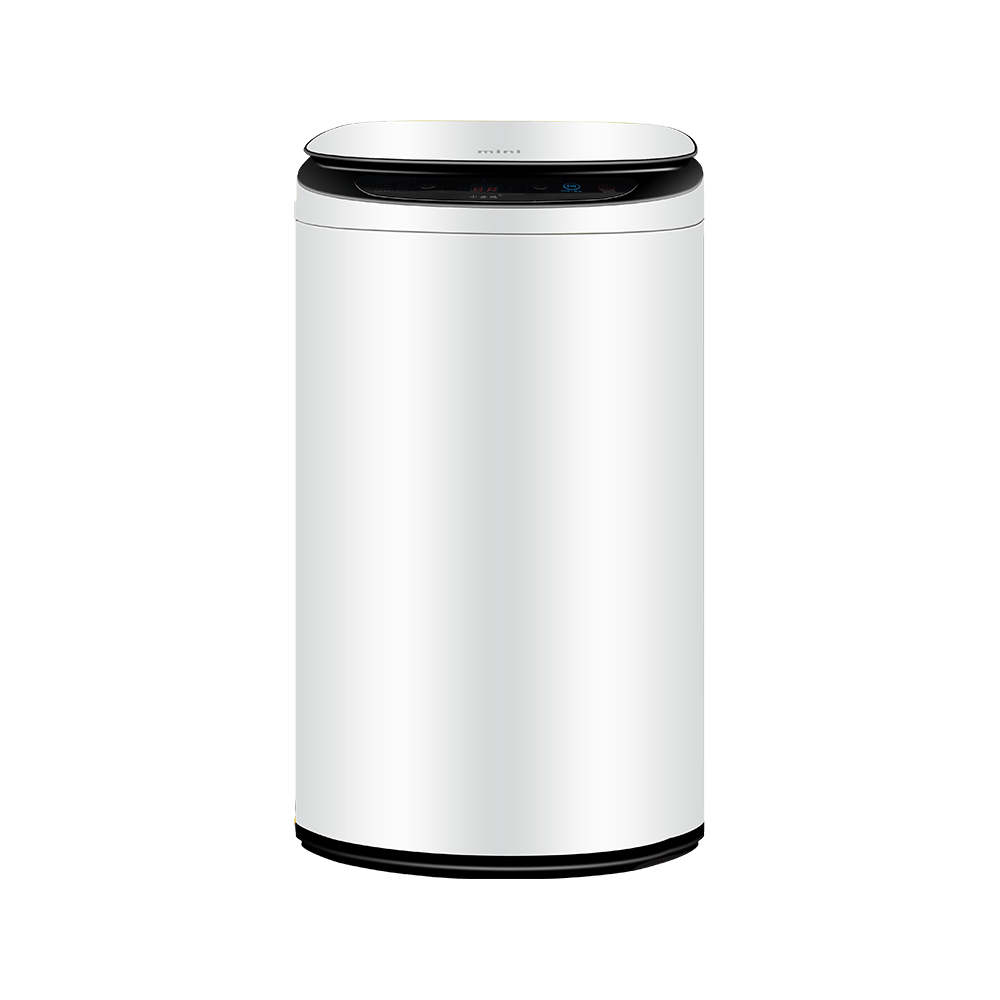
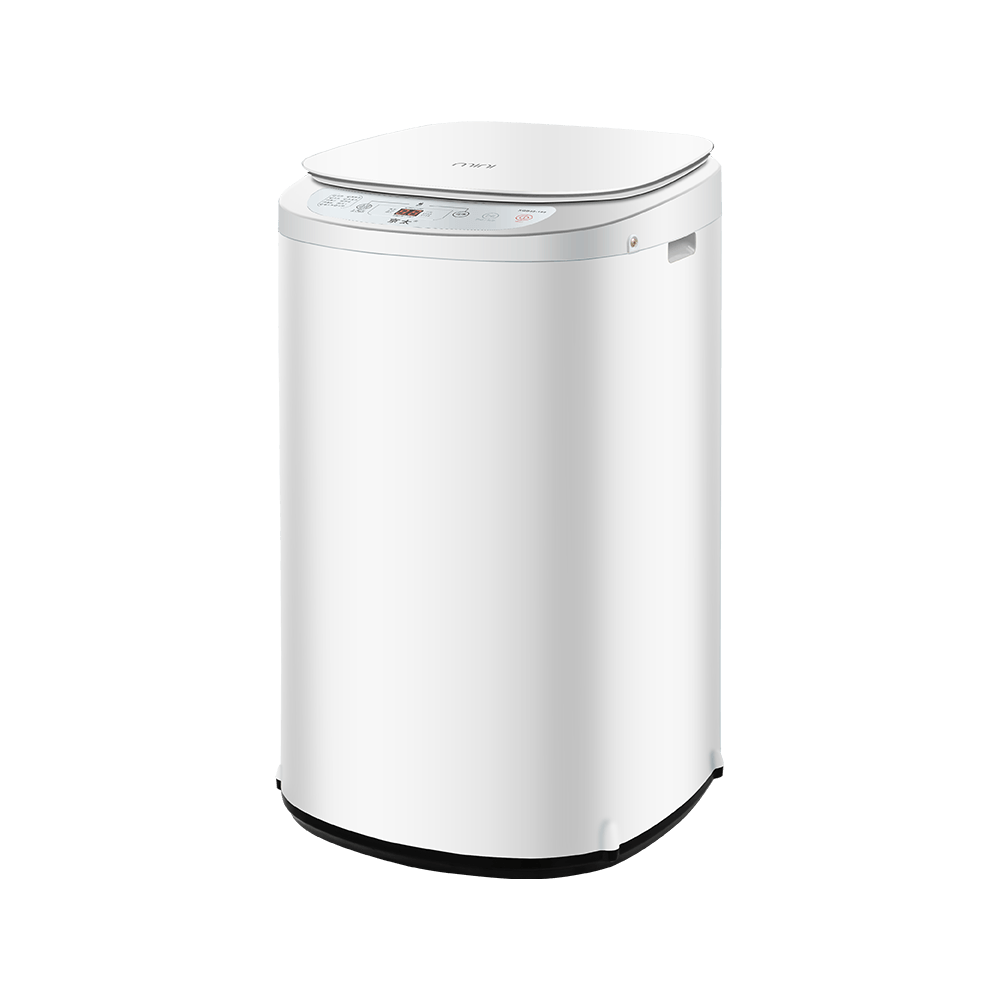
Today's automatic washing machines clean clothes more thoroughly, use significantly less water and energy, and are gentler on fabrics than machines from just a decade ago. A standard front-loading machine now consumes less than 40 liters of water per cycle, compared to over 120 liters for older top-loaders, while achieving superior soil removal through advanced drum motion and heated wash cycles. This combination of efficiency and performance makes upgrading one of the most practical home improvements available.
The core advantage lies in intelligent sensors that continuously monitor load weight, soil level, and fabric type, adjusting parameters in real time. These systems eliminate guesswork, reduce wear on garments, and prevent the wasted resources that come with using a one-size-fits-all approach. For households looking to lower utility bills and extend the life of their clothing, understanding how these machines operate and how to use them correctly is essential.
While the principle of mechanical agitation combined with detergent and water remains unchanged, the execution has become highly sophisticated. Automatic machines follow a programmed sequence of filling, washing, draining, rinsing, and spinning, but the intelligence comes from how each phase is optimized.
Efficiency ratings such as Energy Star provide a useful benchmark, but translating those ratings into actual savings requires understanding typical usage patterns. The table below compares a modern front-loading automatic machine against a conventional top-loader over a year of average household use.
| Metric | Modern Front-Loader | Conventional Top-Loader | Savings |
|---|---|---|---|
| Water per cycle | 39 liters | 130 liters | 25,480 liters/year |
| Energy per cycle (kWh) | 0.75 | 1.40 | 182 kWh/year |
| Annual operating cost | $38 | $72 | $34/year |
These numbers demonstrate that a modern automatic machine pays for its efficiency premium within a few years through reduced utility bills alone. Additionally, the gentler tumbling action means clothes last longer, further increasing the return on investment.
One of the most underutilized features of modern machines is the range of specialized cycles. Using the correct cycle improves cleaning results and protects delicate items from damage. Below is a practical guide to cycle selection based on fabric type and soil level.
These fibers are durable and benefit from higher wash temperatures (up to 60°C) and stronger mechanical action. The cotton cycle typically uses a longer wash time and higher spin speed to remove maximum moisture. For heavily soiled work clothes or bed linens, this cycle is the most effective. However, overusing high temperatures on colored cottons can accelerate fading.
Polyester, nylon, and elastane blends are sensitive to heat and should be washed at 30–40°C. The synthetic cycle features a gentler drum action and a reduced spin speed to prevent creasing. Many machines include a cool-down phase at the end of the wash to minimize wrinkling, which reduces ironing time.
Specialized wool or hand-wash cycles use intermittent drum rotation with long pauses, ensuring that the fabric is barely agitated. Water temperatures are kept below 30°C, and the spin speed is capped at around 400–600 RPM. Machines with wool certification (e.g., Woolmark) have undergone testing to guarantee that the cycle does not cause felting or shrinkage.
Designed for lightly soiled items that are needed quickly, this cycle condenses the entire process into 15–30 minutes. It uses higher mechanical action and sometimes higher temperatures to compensate for the shorter duration, but it is not suitable for heavily stained or bulky items.
Even the most advanced machine will underperform with incorrect detergent use. Modern machines are optimized for high-efficiency (HE) detergents, which produce fewer suds and are formulated to work with lower water volumes. Using conventional detergent in a front-loader can lead to excess foam, which reduces mechanical action and can trigger the machine's anti-foam routine, effectively wasting water and energy.
Dosage is equally critical. A 2023 consumer study found that over 60% of users dose detergent incorrectly, with most using more than necessary. Overdosing not only wastes money but also leaves residue on clothes and in the machine, promoting bacterial growth and odors. A standard dose for a medium load is approximately 20–30 ml of liquid HE detergent, but users should always refer to the product's instructions and adjust based on water hardness and load size.
Modern automatic washing machines are durable, but they require periodic maintenance to perform optimally over their expected lifespan of 10–15 years. Neglecting maintenance is the leading cause of premature failure and inefficient operation.
Despite the automation, user behavior significantly influences results. The following errors are frequently observed in household usage, and avoiding them improves both cleaning performance and machine reliability.
While front-loaders dominate the efficiency conversation, top-loaders still have a place, particularly in markets where installation space or cost is a primary concern. The table below summarizes the key practical differences to help in decision-making.
| Feature | Front-Loader | Top-Loader |
|---|---|---|
| Average water consumption | 35–45 L | 110–150 L |
| Energy efficiency | High | Moderate |
| Fabric gentleness | High | Low to moderate |
| Installation space | Requires clearance | Compact footprint |
| Initial purchase cost | Higher | Lower |
Many modern automatic machines include connectivity and automation features that go beyond basic washing. While some may seem gimmicky, several provide tangible benefits for busy households.
Remote start and monitoring allow users to start a cycle when electricity tariffs are lower or to check remaining time while away from home. This can save up to 15% on electricity costs if time-of-use pricing is available. Automatic dosage systems store liquid detergent and fabric softener and release the exact amount needed for each load, eliminating waste and simplifying refilling. Some high-end machines also offer steam cycles, which reduce allergens by up to 99% and help remove stubborn wrinkles without ironing.
When evaluating a new machine, the purchase price is only one component. A more realistic assessment includes energy, water, detergent, maintenance, and replacement costs over the machine's lifetime. A high-efficiency front-loader may cost $200–300 more upfront than a basic top-loader, but the cumulative savings in utilities and detergent typically offset this premium within 3–4 years of average use. Additionally, the gentler washing action means clothes need replacing less often, which can add hundreds of dollars in indirect savings annually for a family of four.
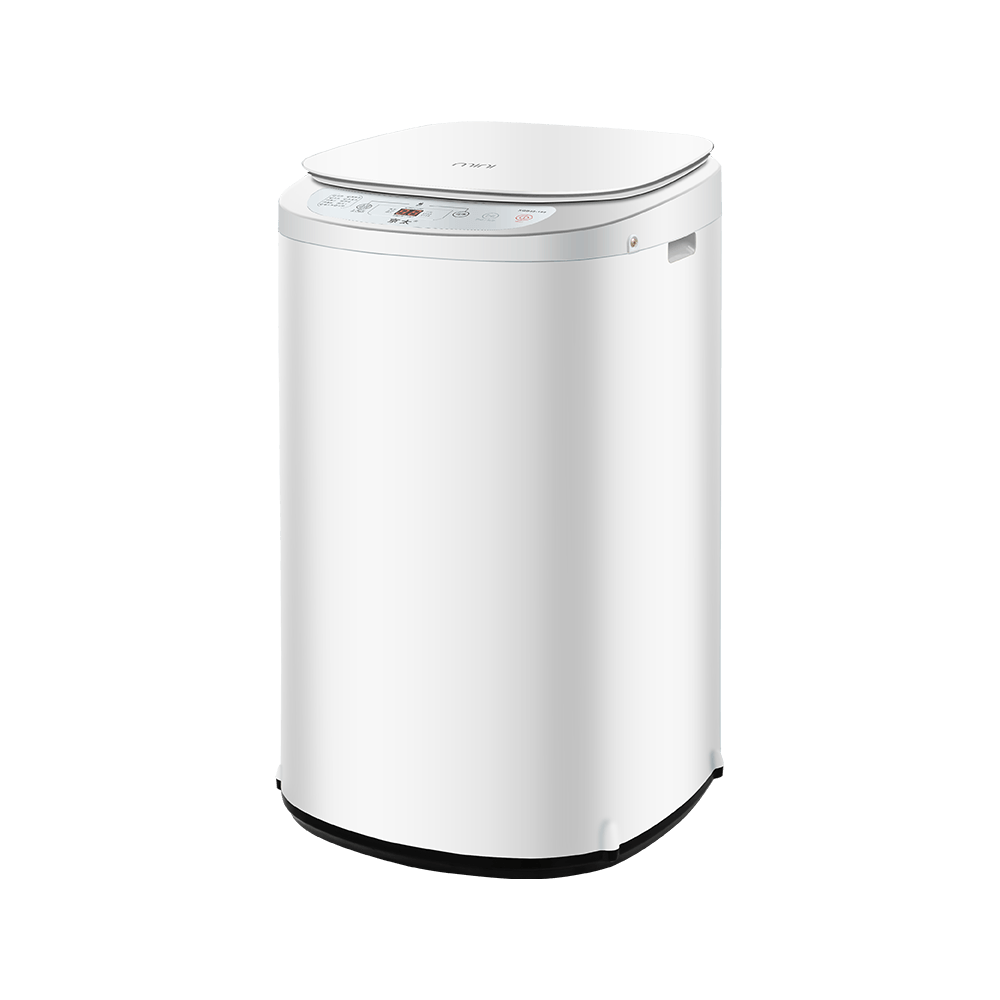
XQB45-188HM[Large capacity design to meet family needs]The 4... View More
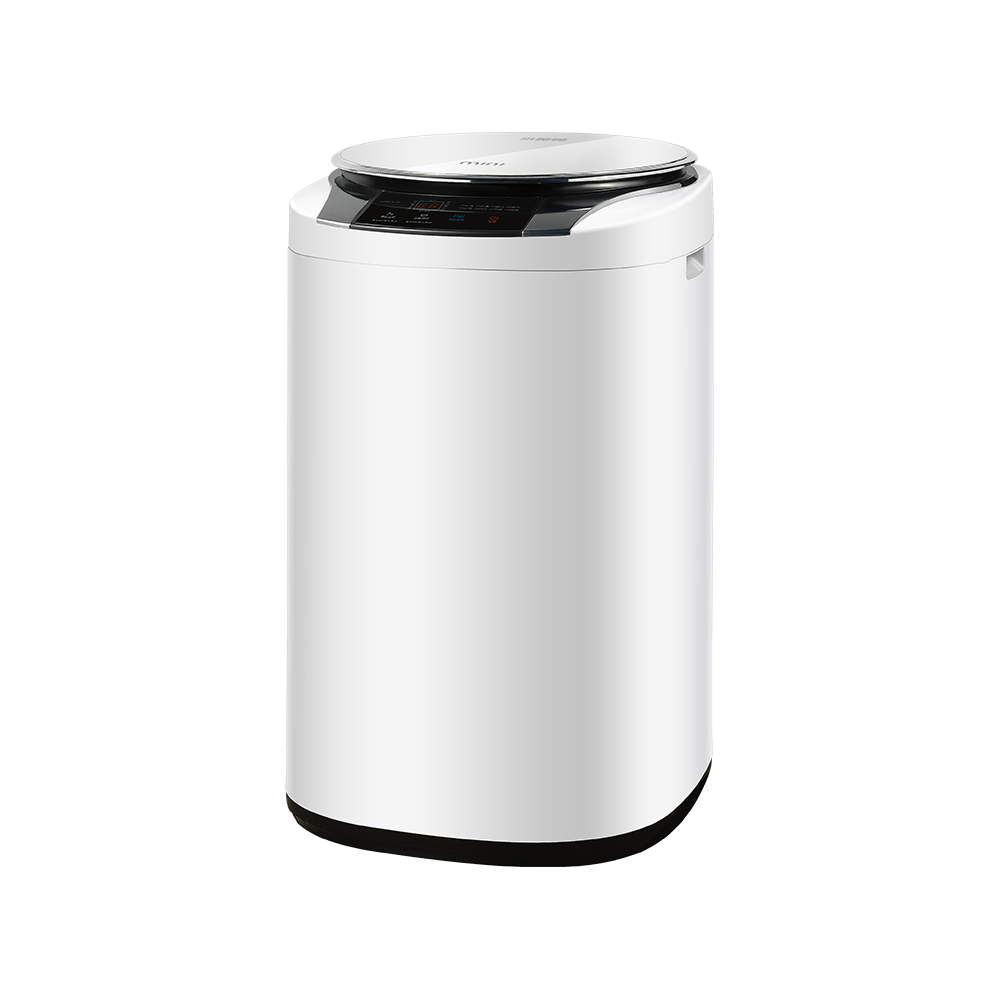
XQB35-166HM[Fashionable watch appearance, elegantly integrat... View More
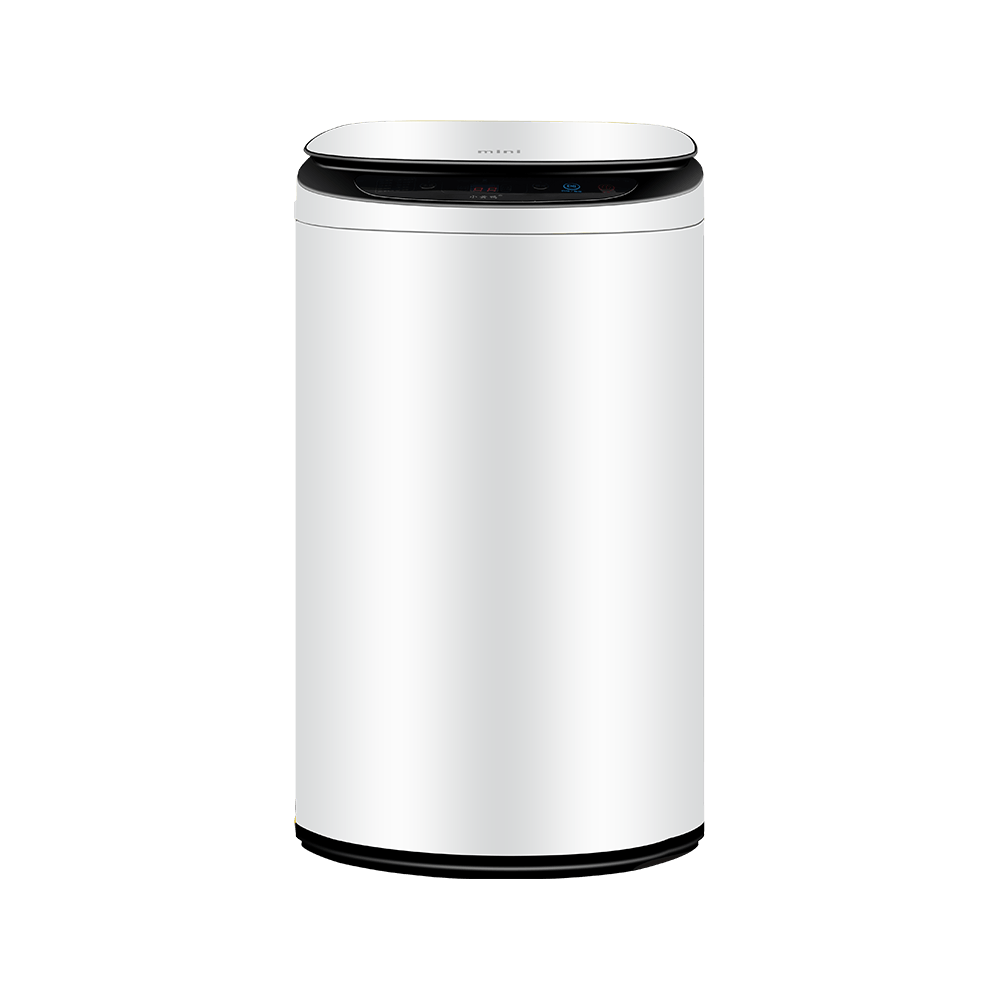
XQB35-188HMThis washing machine is based on innovative high-... View More
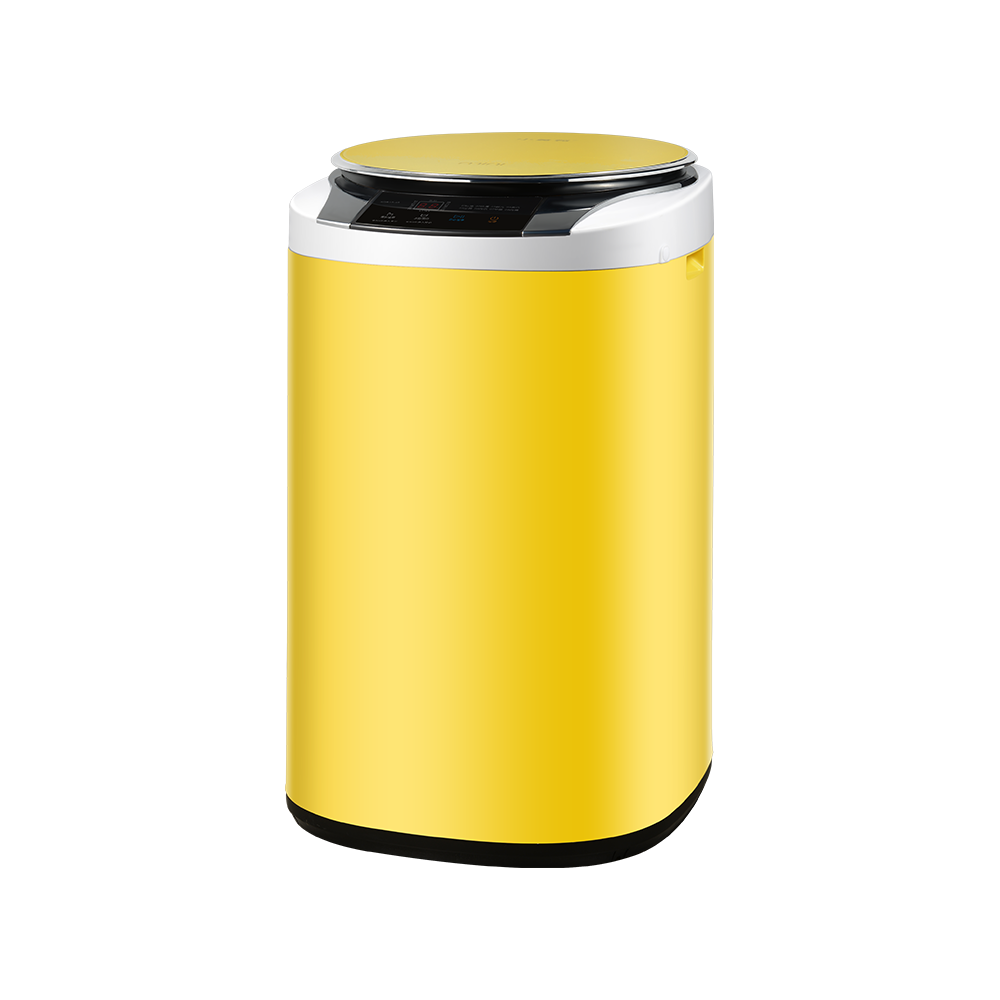
XQB35-655MLeading a new trend of healthy washing, integratin... View More

 Add: No.27 Hongwei Road, East Industrial Park, Guanhaiwei Town, Cixi City, Zhejiang Province, China
 Tel: +86-18520338190
 Tel: 400-8488-955
 Email: [email protected]
Copyright © Ningbo Zhijie Little Yellow Duck Electric Appliance Co., Ltd. All Rights Reserved.

Wholesale Fully Automatic Home Laundry Machine Manufacturers

 English
 عربى
عربى