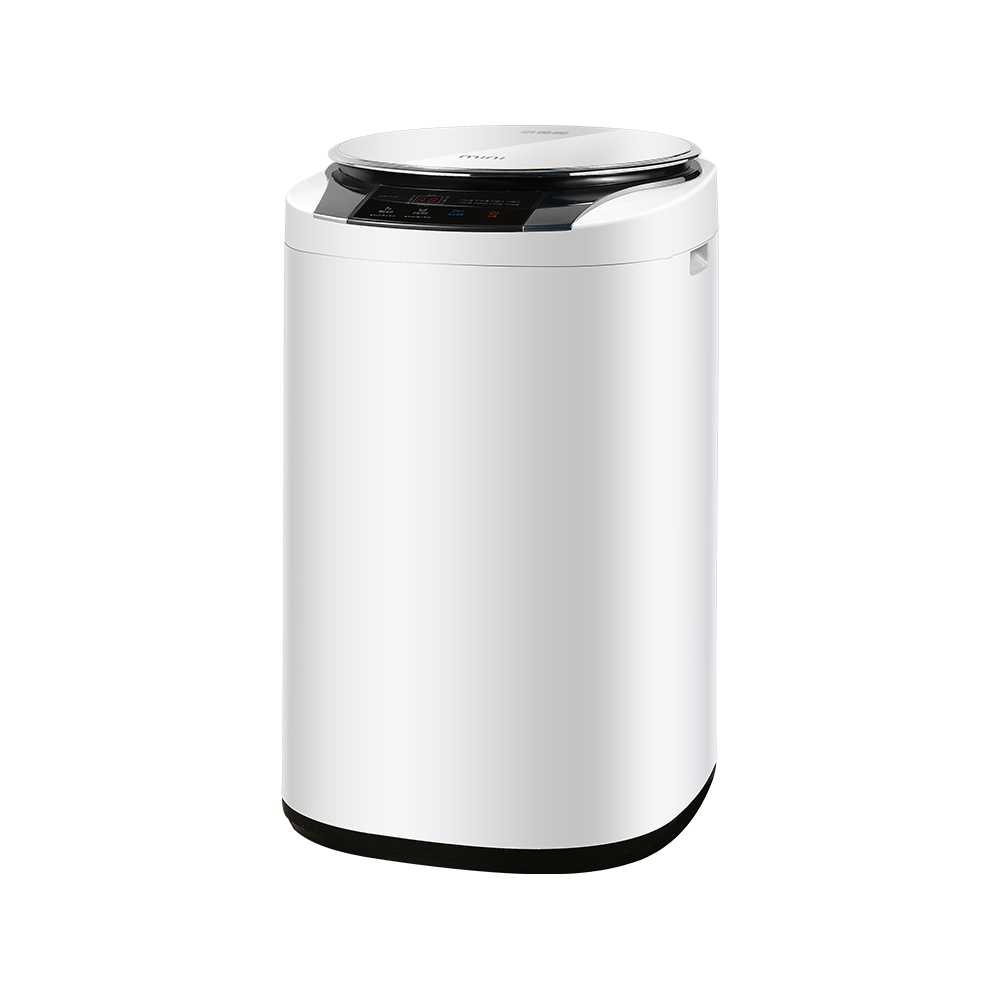
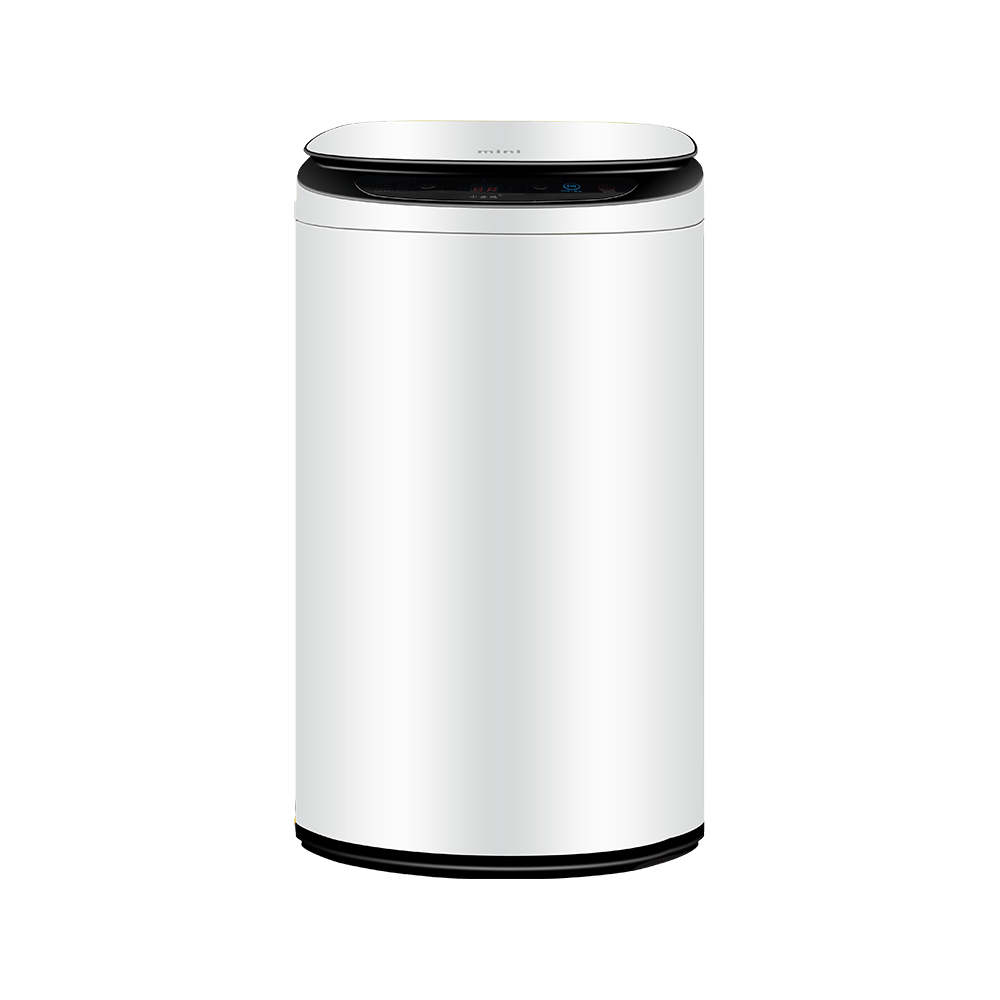
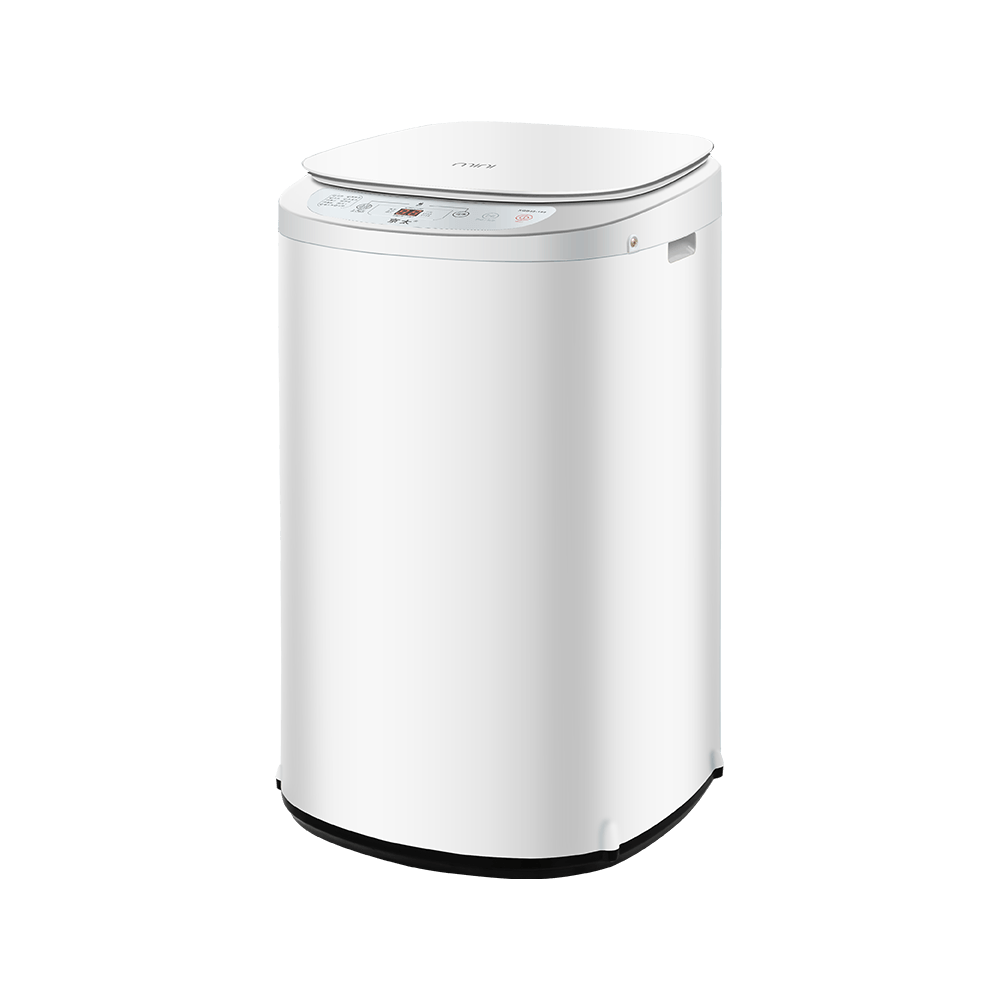
A fully automatic high temperature ozone washing machine combines two disinfection mechanisms — thermal sterilization and ozone oxidation — into a single automated cycle, achieving pathogen reduction rates that neither method reaches as reliably alone. Ozone breaks down cell walls of bacteria and viruses through oxidation even at moderate water temperatures, while high heat above 70–80°C denatures proteins and destroys heat-sensitive organisms; running both together consistently produces disinfection results exceeding 99.9% in commercial and healthcare laundry testing. Choosing the right unit means comparing ozone generation capacity, temperature control precision, and cycle automation level rather than assuming all machines labeled this way perform equivalently.
Ozone (O3) is a highly reactive molecule that oxidizes the cell membranes of bacteria, viruses, and fungal spores on contact, breaking them apart in a way that residual chemical disinfectants often can't match at equivalent concentrations. High temperature washing works through a different but complementary mechanism, denaturing proteins and disrupting the structural integrity of microorganisms once water temperature sustains levels above roughly 70°C for a set duration.
Used separately, each method has known limitations. Ozone alone can struggle against certain heat-resistant bacterial spores, while heat-only washing at typical commercial cycle temperatures may not fully neutralize ozone-vulnerable pathogens without extending cycle time considerably. Combining both in a single automated cycle allows a fully automatic high temperature ozone washing machine to compensate for each method's individual weak points, which is why many healthcare and hospitality laundry standards increasingly specify dual-mechanism systems rather than single-method disinfection.
Not all ozone generation technology performs equally, and the method a machine uses affects both disinfection consistency and long-term maintenance needs.
| Generation Method | Ozone Output Stability | Maintenance Need |
| Corona Discharge (CD) | High, consistent output | Periodic electrode cleaning |
| Ultraviolet (UV) Generation | Lower output, gradual bulb degradation | UV bulb replacement every 8,000–12,000 hours |
| Cold Plasma | High, energy-efficient output | Lower long-term maintenance, higher initial cost |
Corona discharge generators remain the most widely used in commercial laundry equipment because they produce higher, more consistent ozone concentrations per unit of energy input compared to UV-based systems. UV generation costs less upfront but produces lower ozone concentrations and requires regular bulb replacement to maintain output as bulbs degrade — a maintenance cost that adds up over a machine's operating life. Cold plasma generation is a newer entrant offering strong efficiency and output stability, though it typically carries a higher initial equipment price that facilities weigh against its lower long-term maintenance demands.
Heat delivery consistency matters as much as peak temperature reached. A fully automatic high temperature ozone washing machine with tightly controlled temperature ramping and holding maintains the disinfection-critical temperature range for the full required duration, while units with looser control may reach peak temperature briefly before drifting downward, undermining the thermal disinfection portion of the cycle.
For healthcare linen processing, where disinfection validation often requires documented proof that water remained above a specific temperature threshold for a minimum hold time, PID-controlled systems provide more reliable compliance data than basic thermostatic designs, since precise control reduces the risk of a cycle falling just short of the required temperature-time combination.
"Fully automatic" can mean different things across different machines, and the depth of automation directly affects labor cost and process consistency in commercial laundry operations.
| Automation Feature | Operational Benefit |
| Programmable multi-stage cycles | Allows different fabric types to run appropriate wash, ozone, and heat sequences without manual reconfiguration |
| Automatic detergent and chemical dosing | Reduces manual handling and ensures consistent dosing regardless of operator |
| Real-time cycle data logging | Provides documentation for compliance audits in healthcare and food service settings |
| Remote monitoring and alerts | Flags cycle failures or temperature deviations immediately rather than after the fact |
Facilities processing linens for multiple client types — a hotel handling both guest linens and food-service uniforms, for instance — benefit significantly from programmable multi-stage cycles that adjust ozone concentration, water temperature, and mechanical action to match fabric sensitivity, rather than running every load through an identical generic cycle that may over-treat delicate items or under-treat heavily soiled ones.
A common assumption is that adding ozone generation and high-temperature heating increases operating cost significantly compared to standard washing, but the reality is more nuanced. Ozone's oxidative power allows effective cleaning at somewhat lower water temperatures than pure thermal disinfection would require on its own, and ozone also breaks down organic soil more effectively, which can reduce the need for a second rinse cycle in many load types.
These combined savings mean that despite higher upfront equipment cost, a fully automatic high temperature ozone washing machine often reaches cost parity with conventional high-volume washers within 2–3 years of operation, driven mainly by reduced water, chemical, and in some cases energy consumption per load.
Not every fabric or load type benefits equally from combined high-heat and ozone treatment, and matching machine settings to fabric sensitivity protects both fabric integrity and equipment longevity.
Cotton-based linens, towels, and heavy-duty uniforms tolerate high temperature and ozone exposure well, making them ideal candidates for the most aggressive disinfection cycle settings. Synthetic blends and delicate fabrics, by contrast, may degrade under repeated exposure to sustained high heat above certain thresholds, so machines offering separate lower-temperature ozone-only cycle options provide more flexibility for facilities processing mixed fabric types. Load capacity also matters for disinfection consistency — overloading a drum reduces water and ozone circulation around all items evenly, which can leave portions of a load under-treated even when the overall cycle parameters were correctly set.
Ozone generation components require specific maintenance attention that standard washing machine upkeep doesn't typically cover. Corona discharge cells accumulate mineral deposits over time, particularly in facilities with harder water supplies, which gradually reduces ozone output efficiency if left unaddressed. Regular cell cleaning according to manufacturer-recommended intervals prevents this gradual decline and keeps disinfection performance consistent across the machine's operating life.
Ozone destruct units, which neutralize residual ozone before it's released from the machine, also need periodic inspection, since a failing destruct unit can allow ozone to escape into the work environment at concentrations that exceed occupational exposure limits. Facilities running these machines continuously benefit from scheduling ozone concentration verification checks alongside standard equipment maintenance, ensuring both disinfection efficacy and workplace air quality remain within safe, documented ranges.
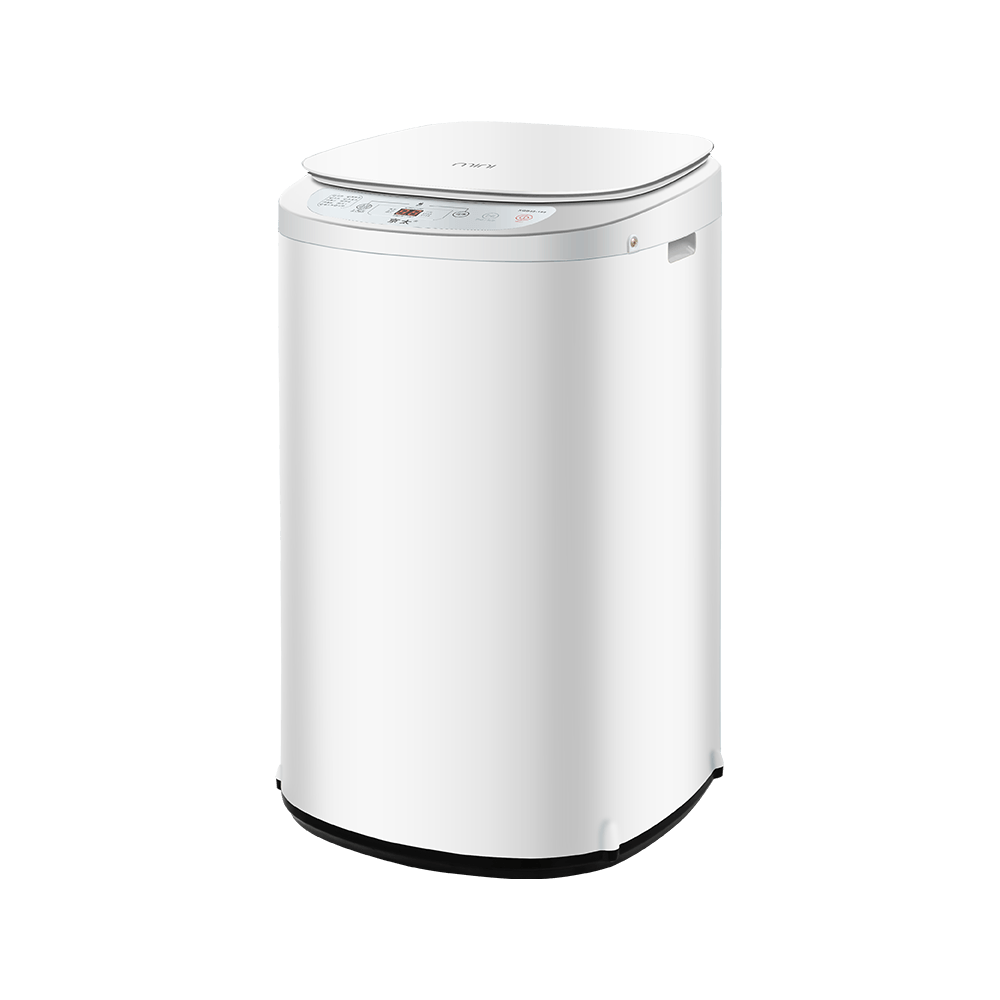
XQB45-188HM[Large capacity design to meet family needs]The 4... View More
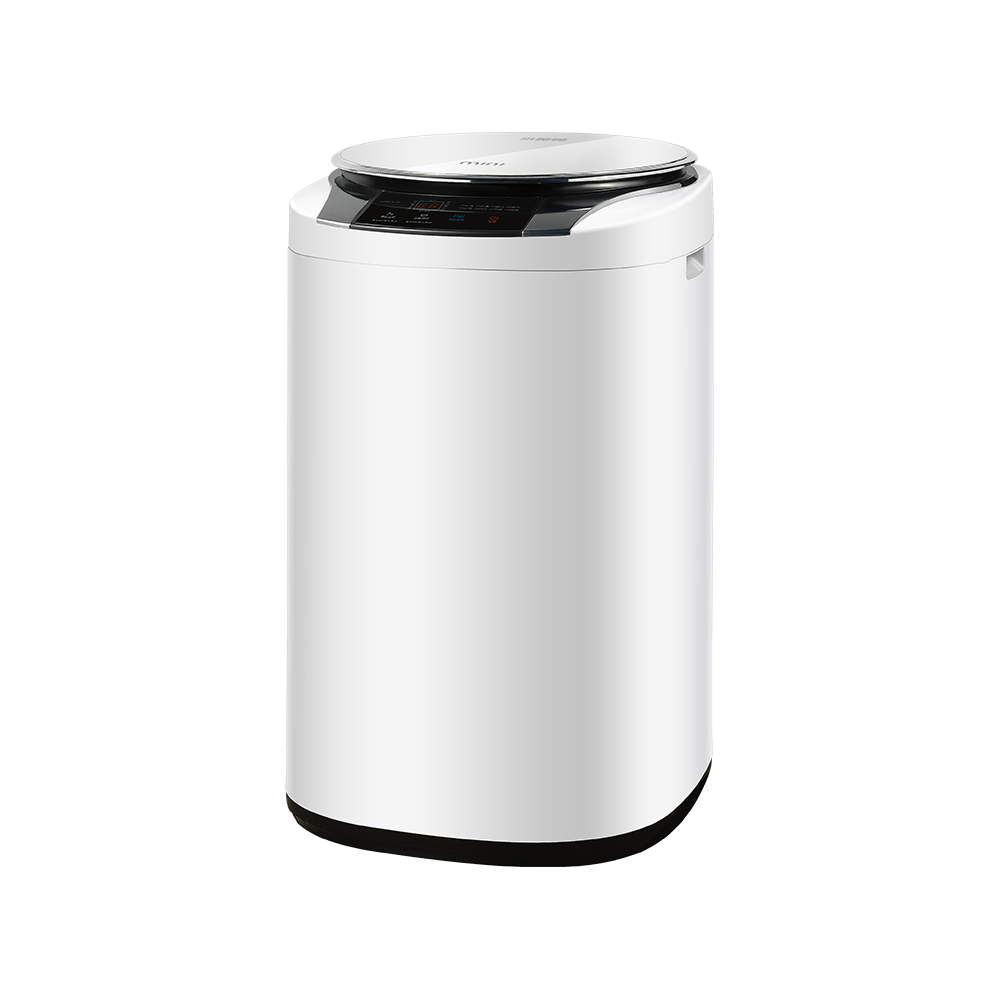
XQB35-166HM[Fashionable watch appearance, elegantly integrat... View More
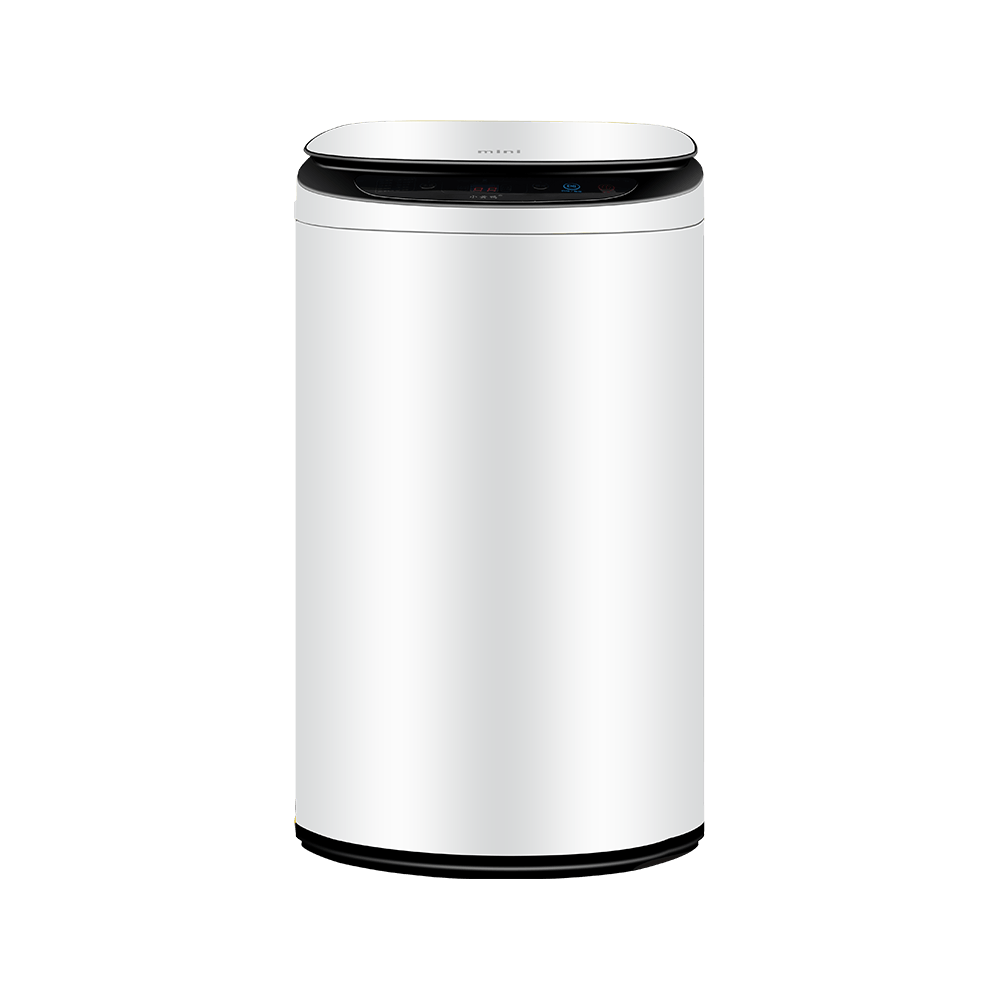
XQB35-188HMThis washing machine is based on innovative high-... View More
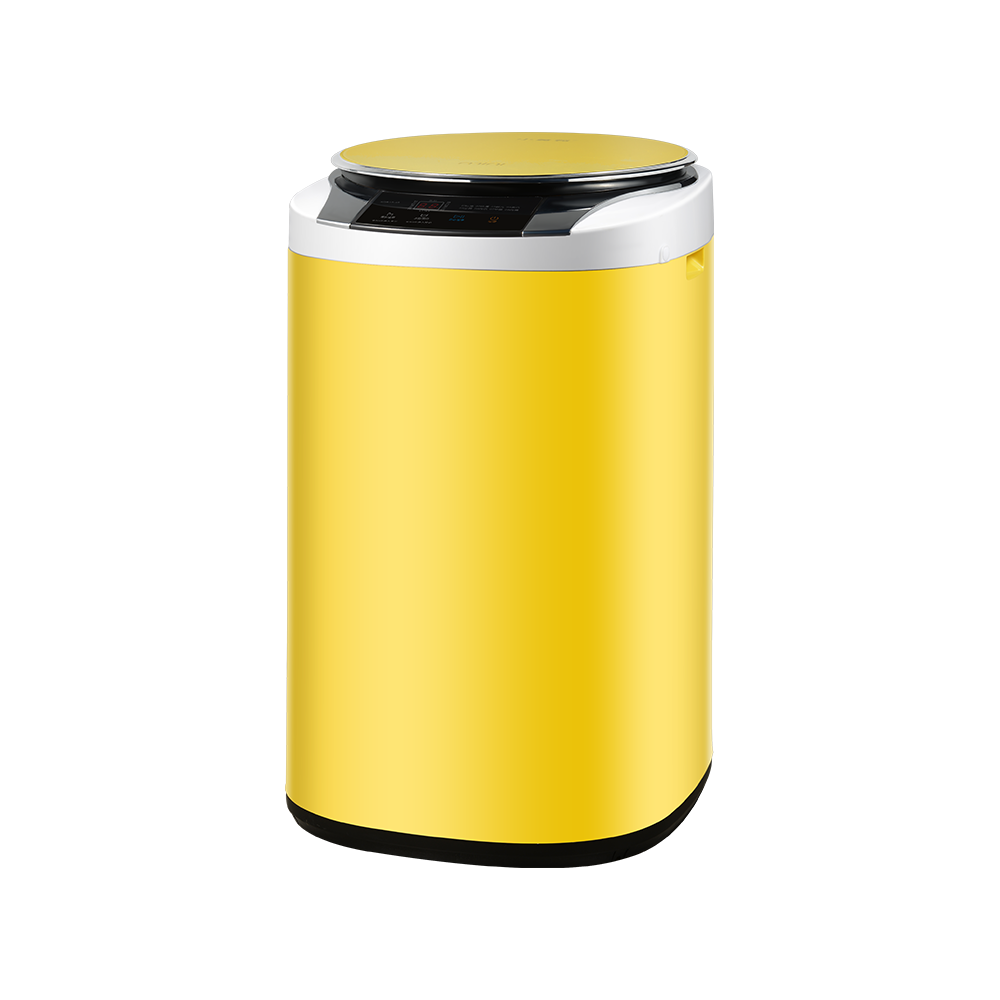
XQB35-655MLeading a new trend of healthy washing, integratin... View More

 Add: No.27 Hongwei Road, East Industrial Park, Guanhaiwei Town, Cixi City, Zhejiang Province, China
 Tel: +86-18520338190
 Tel: 400-8488-955
 Email: [email protected]
Copyright © Ningbo Zhijie Little Yellow Duck Electric Appliance Co., Ltd. All Rights Reserved.

Wholesale Fully Automatic Home Laundry Machine Manufacturers

 English
 عربى
عربى