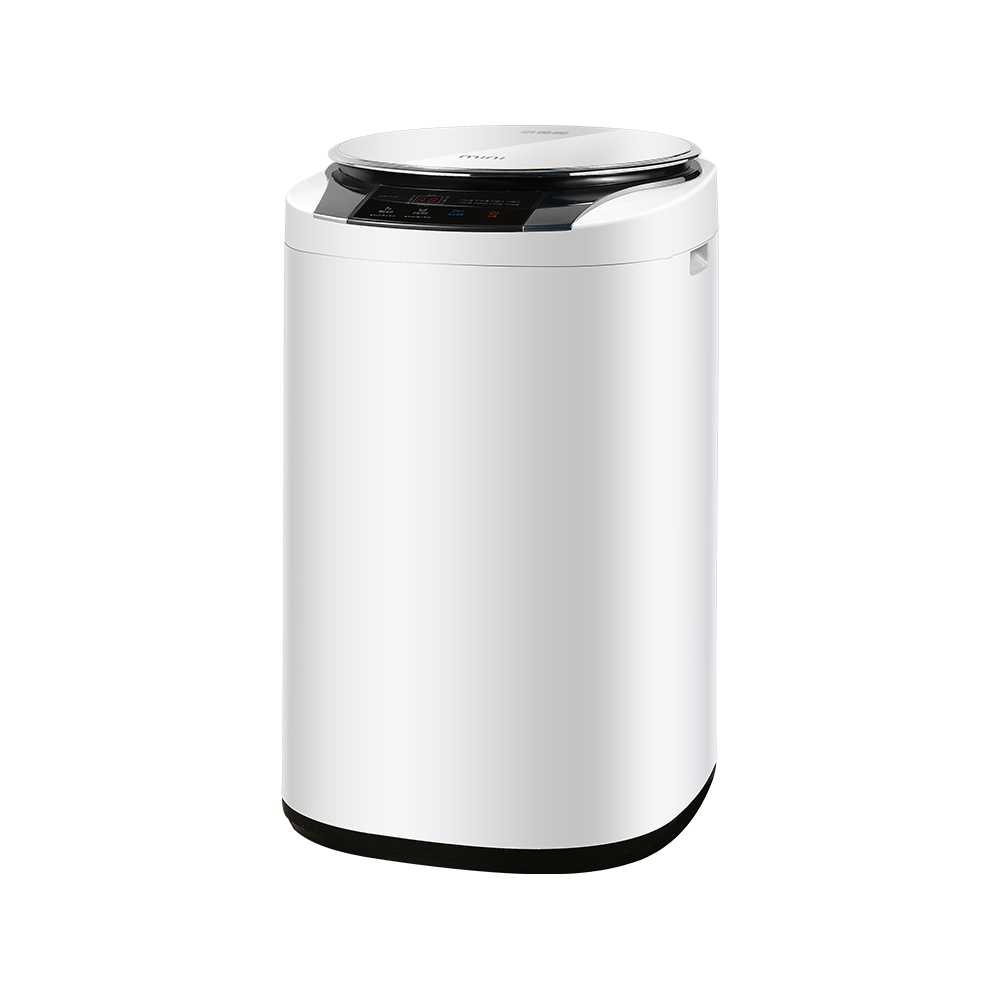
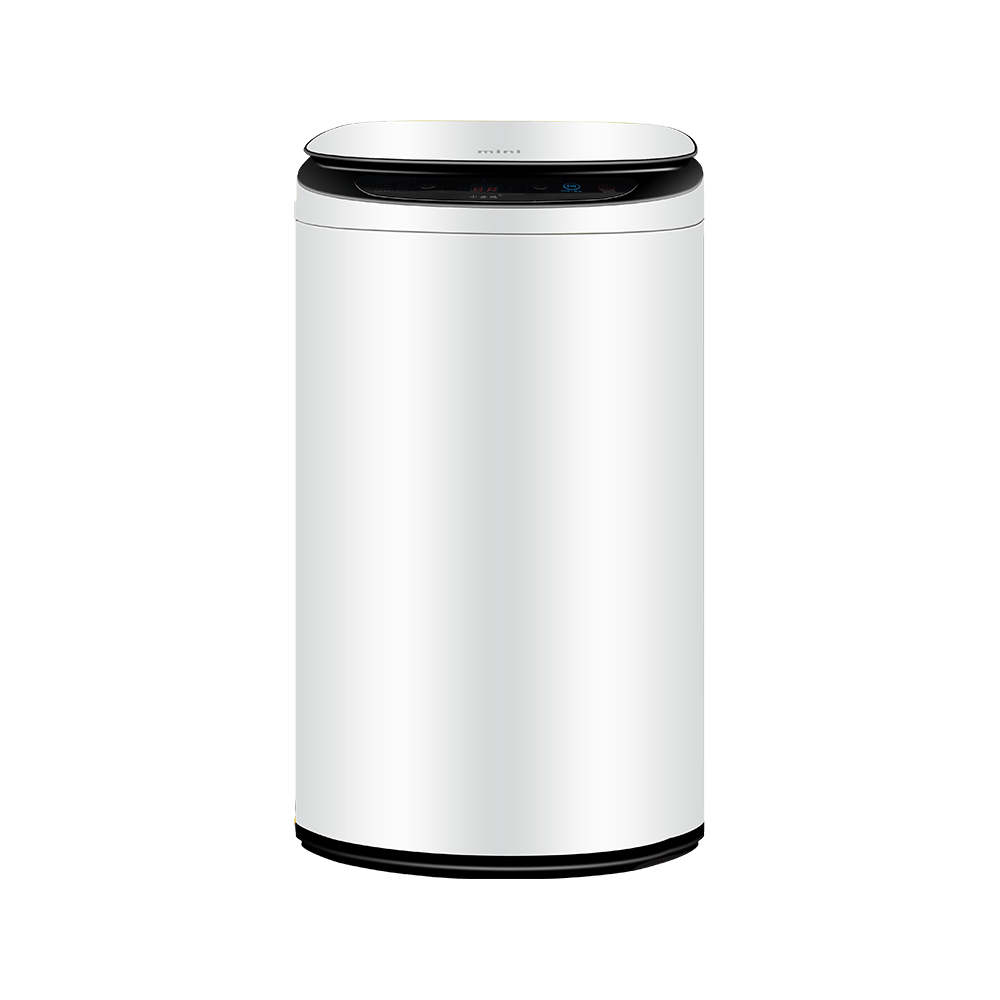
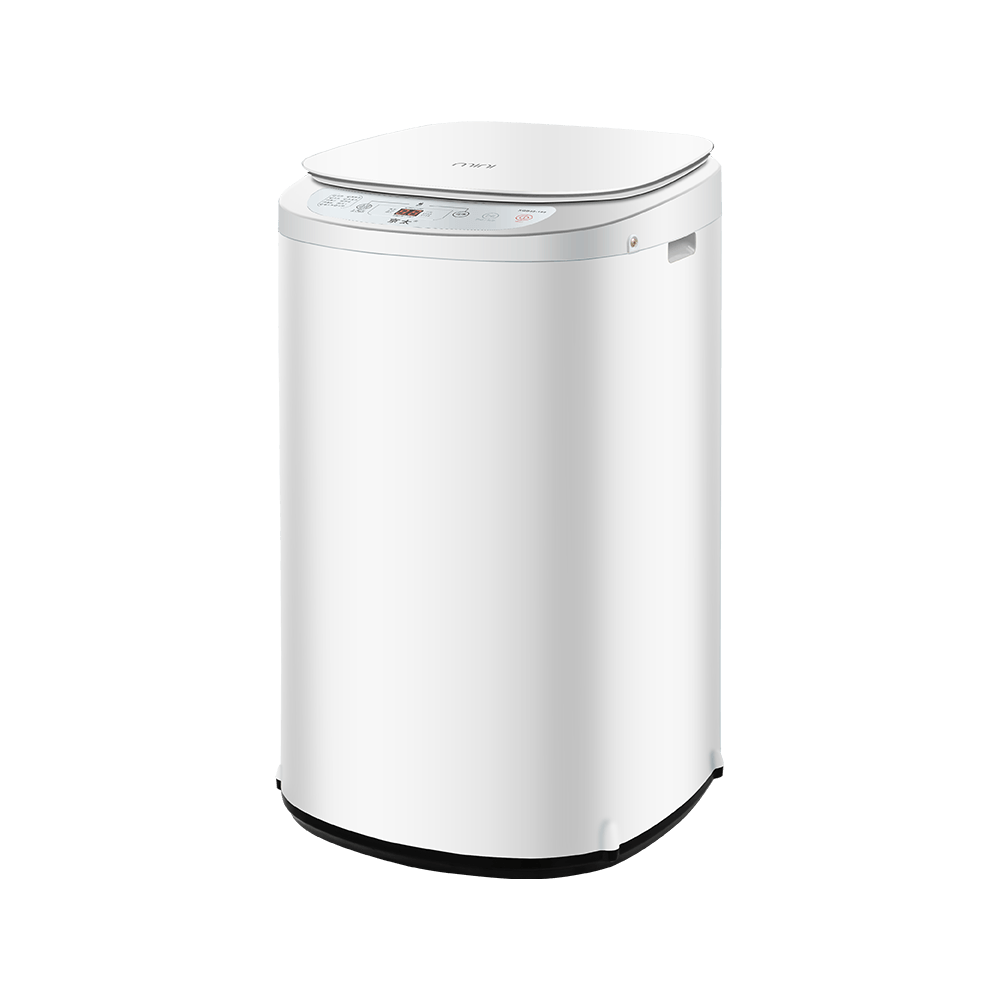
Fully automatic ozone washing machines are a recent advancement in household and industrial laundry technology. These machines utilize ozone (O3), a powerful oxidizing agent, to enhance the washing process. The primary function of ozone is to improve the cleaning efficiency, reduce the need for chemical detergents, and help eliminate bacteria and viruses from fabrics. With growing concerns about the environmental impact of traditional washing methods, including excessive water and detergent use, fully automatic ozone washing machines have been presented as an eco-friendly alternative.
A fully automatic ozone washing machine operates by injecting ozone into the wash drum, which mixes with the water and the detergent (if used). Ozone molecules consist of three oxygen atoms, and when introduced into the washing process, they break down dirt, grease, and stains on fabrics. The ozone is also effective at killing bacteria, viruses, and other pathogens that may be present in the laundry. The oxidation process helps to sanitize the clothing without the need for harsh chemicals, making it a gentler option for both the environment and the fabrics themselves.
Traditional washing machines, while efficient in cleaning clothes, often contribute significantly to environmental pollution. One of the primary environmental concerns is the high water consumption associated with each wash cycle. On average, traditional washing machines use between 40 to 80 liters of water per cycle, depending on the model and the settings used. In addition to water waste, these machines typically rely on chemical detergents that can be harmful to aquatic ecosystems. The detergents often contain phosphates, surfactants, and other chemicals that can cause water contamination and damage marine life when they enter the water supply.
One of the key advantages of fully automatic ozone washing machines is their ability to reduce or eliminate the need for chemical detergents. Ozone, as an oxidizing agent, is highly effective at breaking down organic stains and dirt, which means that less detergent is required to achieve clean clothes. This reduction in detergent use not only reduces the environmental impact of laundry washing but also helps to prevent the harmful chemical residues from entering the water system. In cases where minimal detergent is still used, the ozone washing process ensures that the detergent’s effectiveness is maximized, further reducing the overall need for chemicals in the washing process.
Fully automatic ozone washing machines are designed to be more water-efficient than their traditional counterparts. These machines typically use less water per cycle, as the ozone helps to break down stains and bacteria more effectively. This means that the washing process can be completed with less water, which is particularly beneficial in regions where water scarcity is a concern. Additionally, since ozone can help to sanitize fabrics without the need for excessive rinsing, these machines can also reduce the number of rinse cycles required, leading to further water savings.
Another environmental benefit of fully automatic ozone washing machines is their potential to reduce energy consumption. Traditional washing machines often require hot water to be effective, which means that a significant amount of energy is needed to heat the water. In contrast, ozone works effectively in cold or lukewarm water, meaning that ozone washing machines can achieve the same level of cleanliness without the need for high-temperature water. By eliminating the need for hot water, ozone washing machines reduce the energy required per wash cycle, leading to lower household energy consumption and a smaller carbon footprint.
Ozone is highly effective in disinfecting fabrics, making it an ideal solution for households and industries that require a high level of cleanliness. The oxidation process kills bacteria, viruses, and other microorganisms, which can be particularly important for laundry in healthcare or food industries. By removing harmful pathogens from the fabrics without the need for toxic disinfectants, ozone washing machines contribute to a cleaner environment. Furthermore, the reduction in the use of harsh chemicals minimizes the risk of chemical runoff into local water supplies, ensuring a healthier ecosystem.
One of the growing concerns associated with laundry washing is the release of microplastics and detergent residues into the water supply. Microplastics, which come from synthetic fabrics like polyester, nylon, and acrylic, are shed during the washing process and can contribute to environmental pollution. Fully automatic ozone washing machines can help reduce the shedding of microplastics by breaking down the fibers in a more gentle manner compared to traditional washing machines. Furthermore, by reducing the need for chemical detergents, ozone washing machines also limit the amount of harmful chemicals that may end up in the water supply, reducing the potential harm to aquatic ecosystems.
While ozone is a powerful oxidizing agent, it is also unstable and breaks down quickly in the environment, converting back into oxygen after a short period. This means that ozone does not linger in the atmosphere or water, unlike some chemicals in traditional detergents that can remain in the environment for longer periods. This natural decomposition process makes ozone washing machines an environmentally safer alternative to chemical-laden cleaning products. The use of ozone does not contribute to long-term pollution, and its beneficial effects in the washing process are temporary but effective.
While ozone washing machines offer many environmental benefits, there are some limitations to consider. For example, ozone washing machines typically require a specific amount of ozone generation and distribution, which can be limited by the quality and size of the machine. Larger washing loads may require more ozone to be effective, and not all fabrics may respond equally well to ozone treatment. Additionally, ozone is most effective when used in conjunction with certain types of stains or dirt, so there may still be instances where traditional detergents are necessary. While ozone washing machines can reduce chemical and water usage, they may not completely eliminate the need for detergents in all situations.
Fully automatic ozone washing machines tend to have a higher initial cost compared to traditional washing machines. The technology required to generate ozone and integrate it into the washing process adds to the price. However, in the long term, ozone washing machines can be more cost-effective due to the reduced need for detergent and lower energy consumption. The savings from reduced water and detergent use, as well as the lower energy costs associated with washing in cold water, can offset the higher upfront cost over time. This makes ozone washing machines a potentially good investment for environmentally conscious households and businesses.
Fully automatic ozone washing machines are not only beneficial for households but also for various industries that require high levels of cleanliness. For example, in the healthcare industry, ozone washing machines can be used to disinfect medical linens, uniforms, and other fabrics, ensuring a safe environment for patients and staff. Similarly, the food processing industry can benefit from ozone washing machines to clean fabrics and equipment without the need for harsh chemicals. The use of ozone in industrial laundry applications can help reduce chemical waste and water consumption, leading to a more sustainable approach to cleaning.
| Environmental Benefit | Impact |
|---|---|
| Reduced Chemical Detergent Use | Less chemical runoff, fewer pollutants in water systems |
| Water Conservation | Reduced water consumption per wash cycle |
| Energy Efficiency | Lower energy consumption due to the use of cold or lukewarm water |
| Disinfection without Harsh Chemicals | Less environmental impact from toxic disinfectants |
| Reduction of Microplastic Pollution | Less shedding of microplastics from synthetic fabrics |
| Decomposing Ozone | Ozone breaks down into harmless oxygen, minimizing long-term environmental impact |
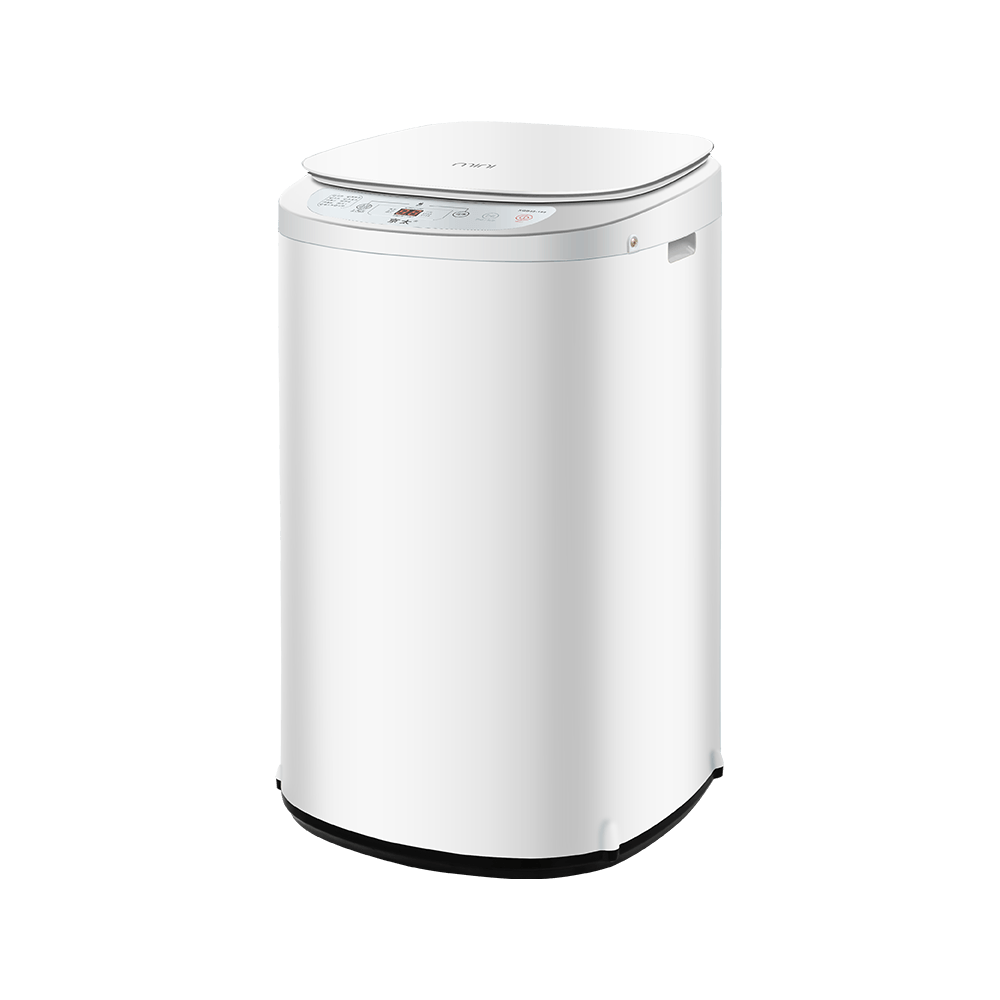
XQB45-188HM[Large capacity design to meet family needs]The 4... View More
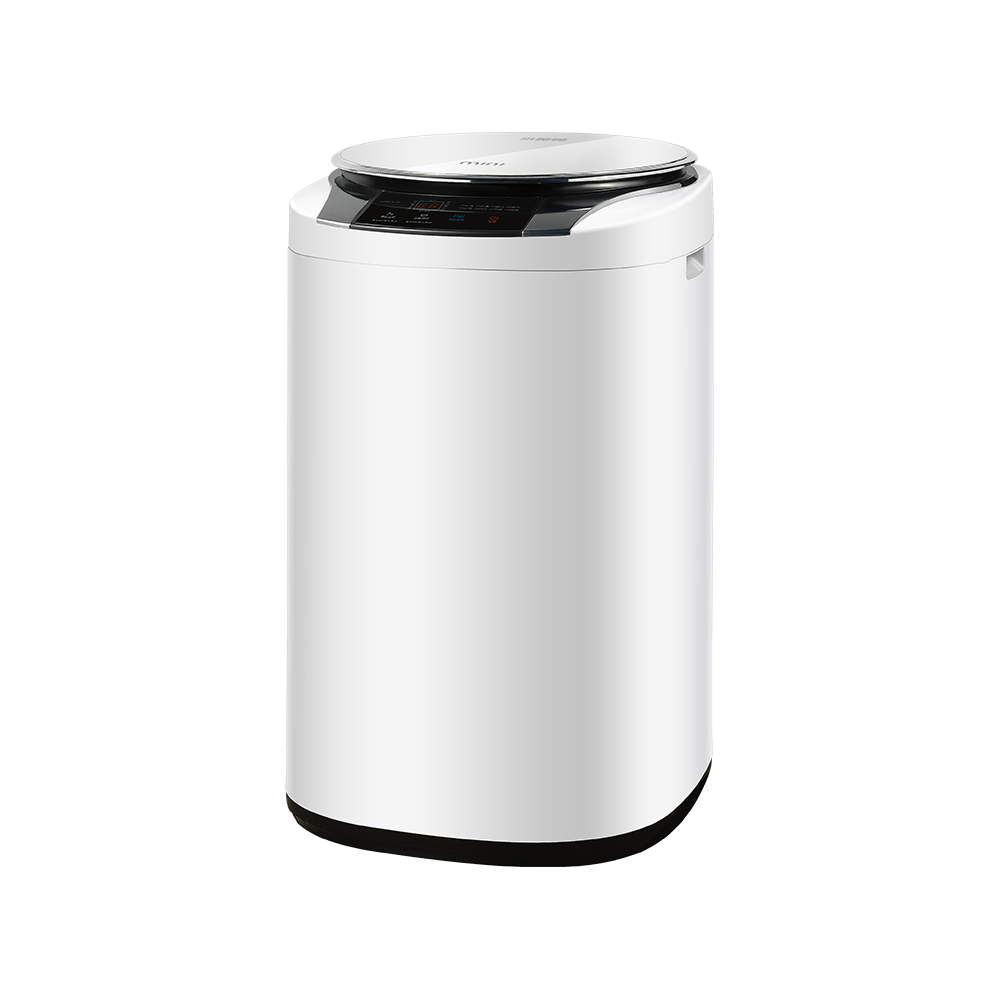
XQB35-166HM[Fashionable watch appearance, elegantly integrat... View More
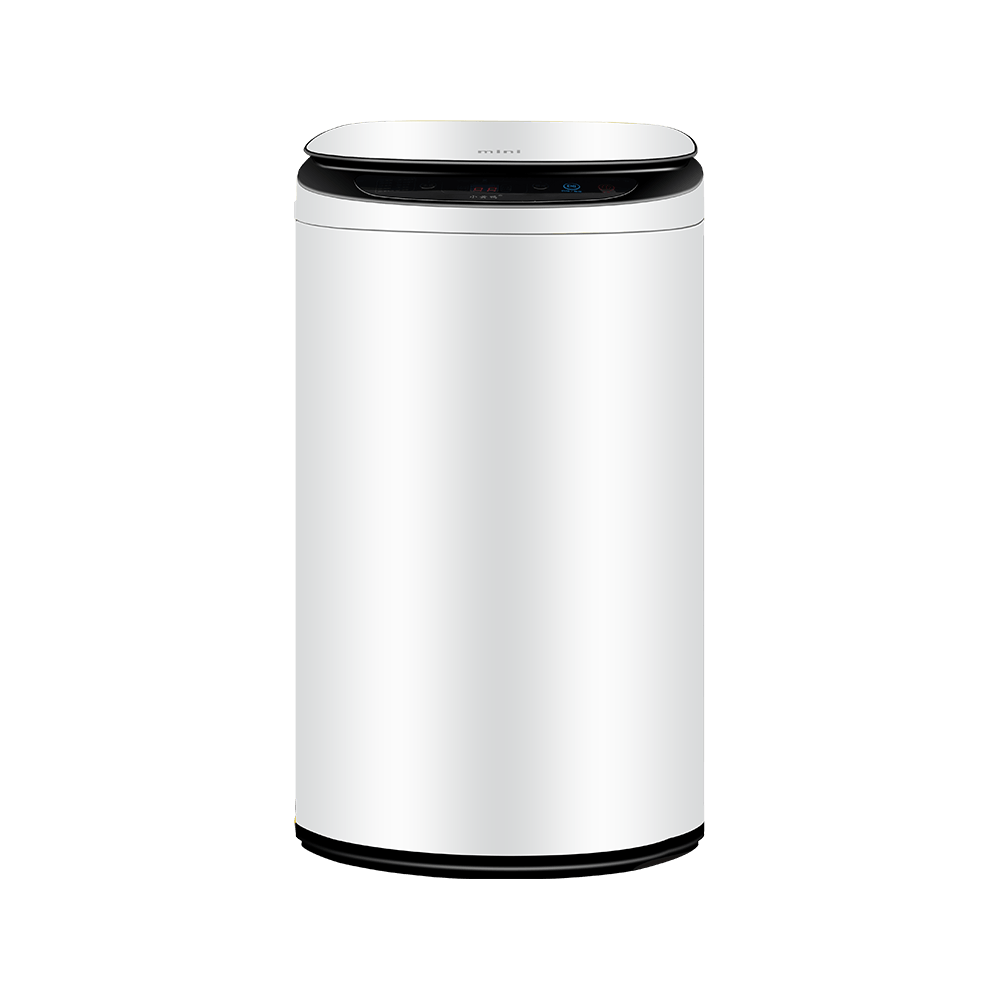
XQB35-188HMThis washing machine is based on innovative high-... View More
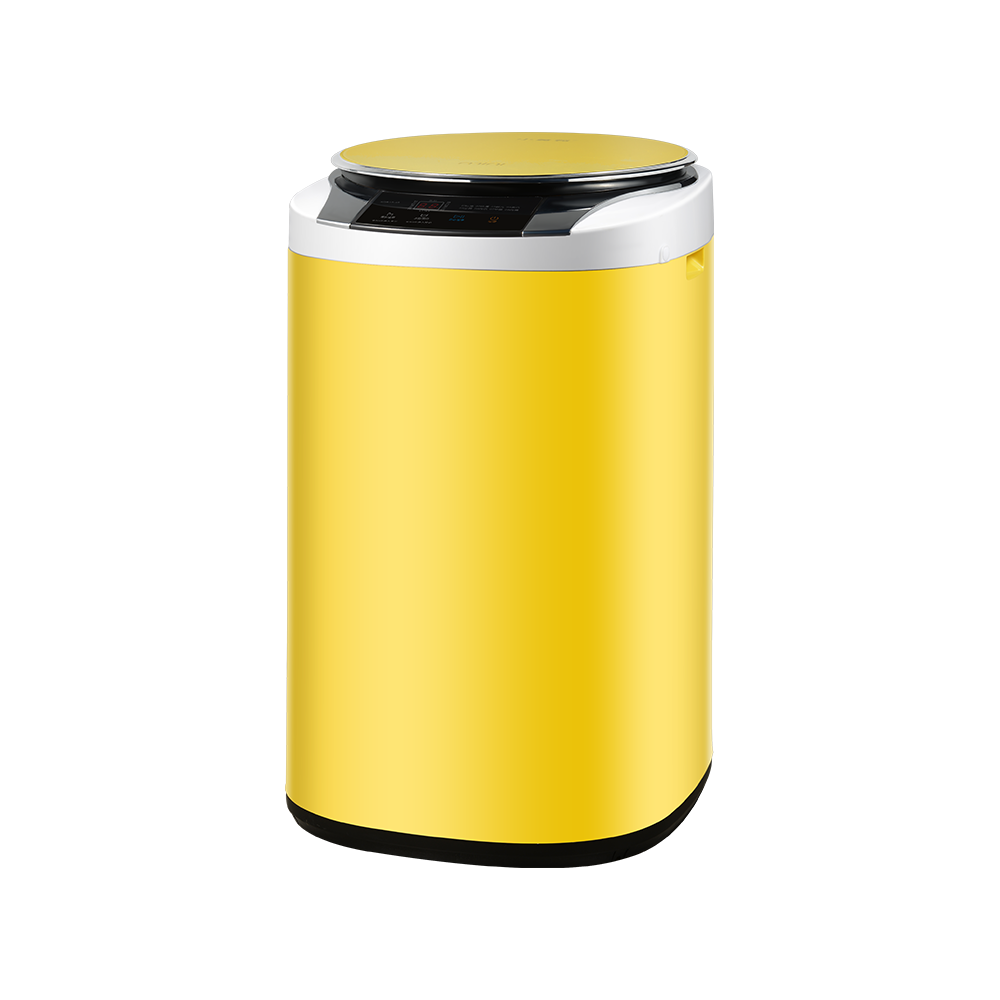
XQB35-655MLeading a new trend of healthy washing, integratin... View More

 Add: No.27 Hongwei Road, East Industrial Park, Guanhaiwei Town, Cixi City, Zhejiang Province, China
 Tel: +86-18520338190
 Tel: 400-8488-955
 Email: [email protected]
Copyright © Ningbo Zhijie Little Yellow Duck Electric Appliance Co., Ltd. All Rights Reserved.

Wholesale Fully Automatic Home Laundry Machine Manufacturers

 English
 عربى
عربى