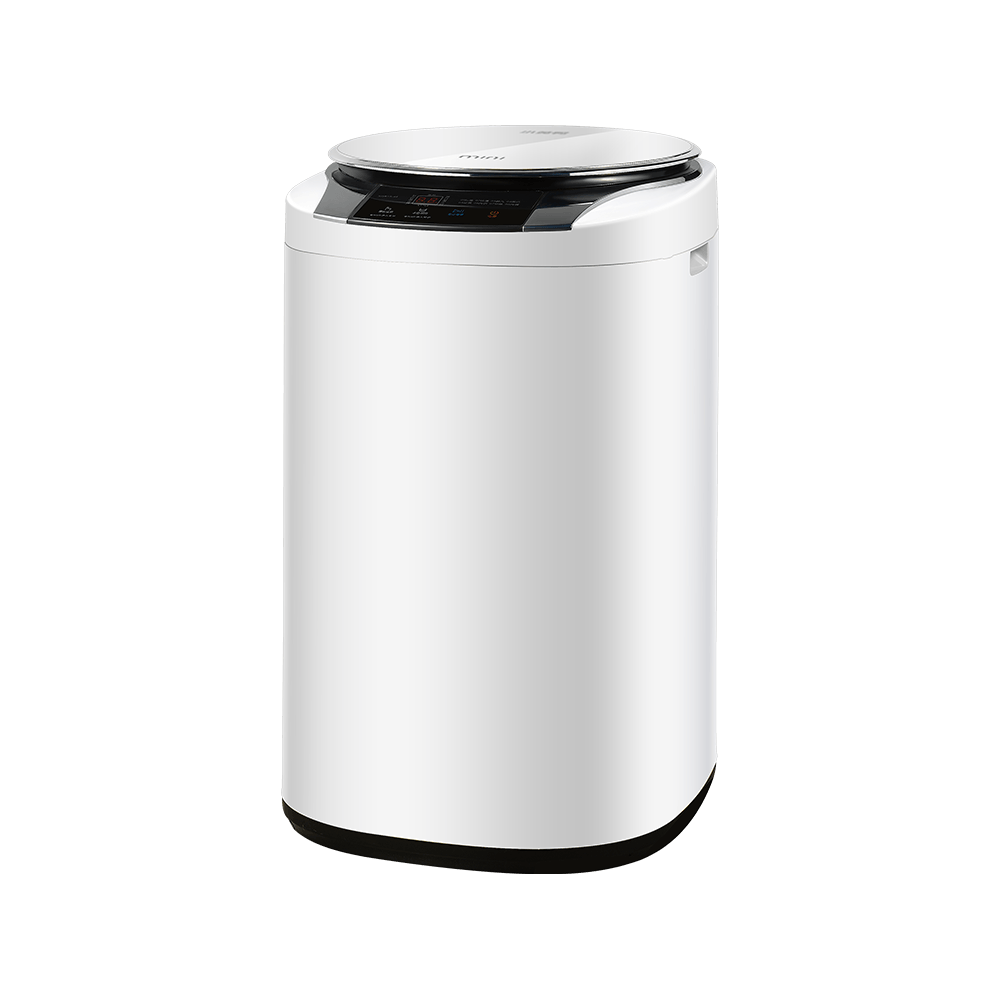
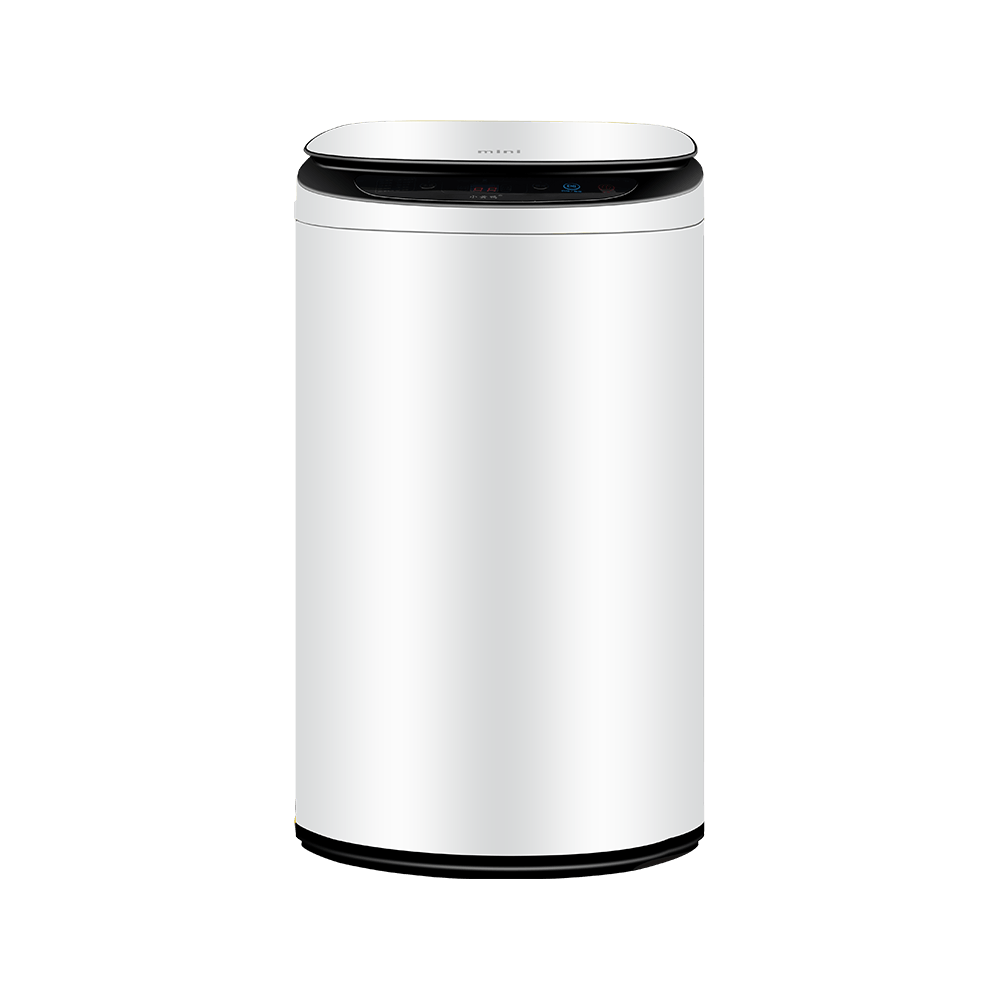
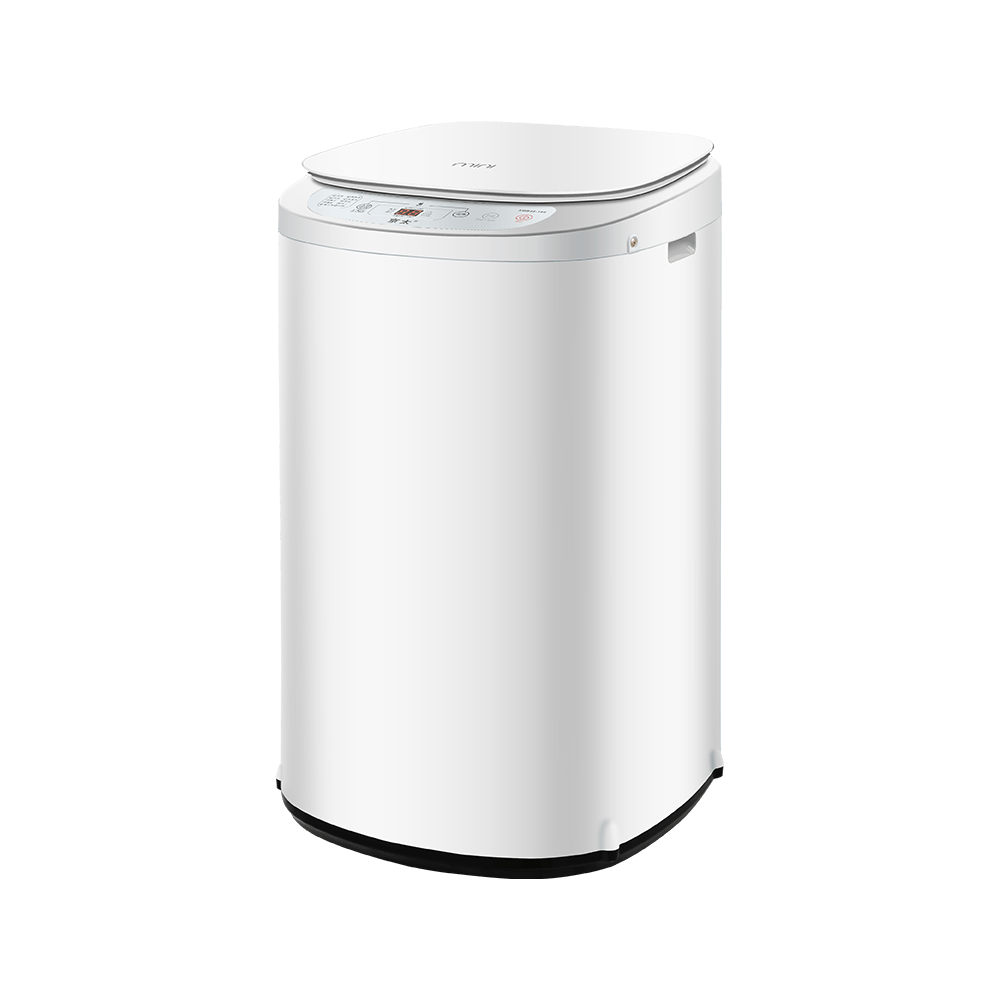
A baby's laundry basket fills faster than most new parents expect: bodysuits, burp cloths, sheets, and towels can add up to a small load every day or two. The practical question is not whether a baby care washer looks convenient, but whether a dedicated machine fits the load size, the rinse routine, and the space you actually have. The short answer: a 1.5–2 kg mini washer suits frequent newborn laundry and travel; a 3.5–4.5 kg unit makes more sense when you wash toddler clothes, bedding, or several children's items together. Capacity is the first decision because it determines how often you run the machine, how much water and detergent each cycle uses, and whether the unit earns its footprint.
Separating baby laundry is mainly about control. You control the detergent, the rinse count, the wash temperature, and what shares the drum. That matters when a baby has sensitive skin or when clothes are soiled with milk, food, or diaper leakage. A dedicated baby care washer also avoids the practical friction of waiting for a full family load to finish. The trade-off is another appliance to install, clean, and maintain. If baby laundry is only one or two small items a day, hand washing or a full-size machine's baby cycle may be enough; if it is a daily routine, a small automatic unit saves more time than it costs in space.
Rated capacity is not the same as a full drum of dry clothes. Manufacturers rate capacity by weight, and baby clothes are light but bulky. A 1.5 kg machine handles roughly one to two days of newborn laundry; a 2 kg portable model gives a little more room for towels or a second day; 3.5 kg starts to cover toddler clothes and small household items; 4.5 kg and above suits multi-child families or mixed small loads. The chart below is a planning guide, not a test result.
Rated capacity and typical baby laundry rhythm
Bar length shows rated capacity, not cleaning performance. Check the drum against your bulkiest item—a hooded towel or sleeping bag can use more space than its weight suggests.
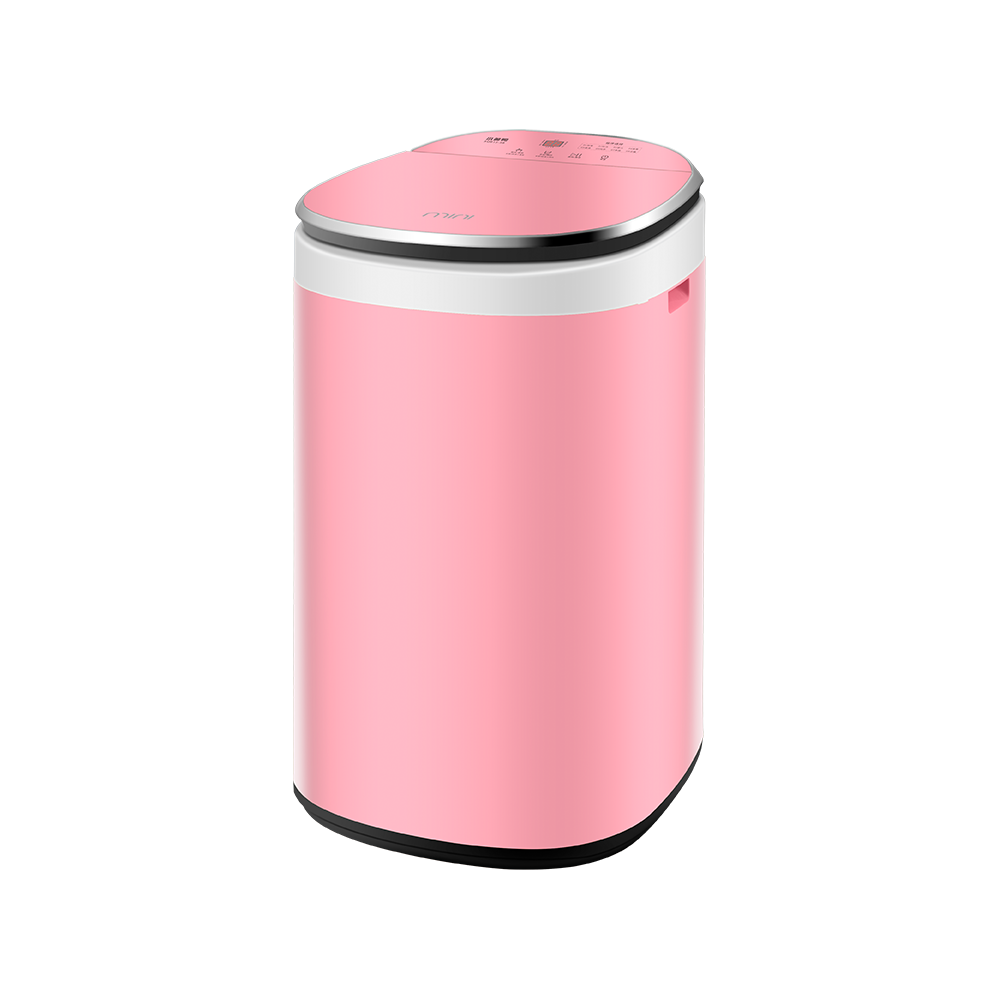 1.5 kg Mini High-Temperature Washer-DryerCompact wash-and-dry unit for small, frequent loads such as baby clothes, with high-temperature cleaning and a stainless steel drum.View Product →
For example, the 1.5 kg mini high-temperature washing and drying model is aimed at this compact, frequent-load pattern. If you regularly wash more than two days of baby clothes at once, size up rather than compressing each load.
Three common options appear in small washers: high-temperature washing, blue light treatment, and ozone. High-temperature washing uses heated water and a longer cycle to help with hygiene; it is the most straightforward to verify because you can see and set the temperature. Blue light is used as a supplementary sterilization feature; its practical value depends on cycle design, exposure time, and how clothes are loaded. Ozone is a gas-based treatment that can reach areas water does not, but it needs correct cycle control and ventilation. No single label replaces a clean drum, proper detergent dosing, and a hot rinse when needed. If you want a plain-language explanation of the blue light option, this article on how blue light technology works in automatic washers explains the principle.
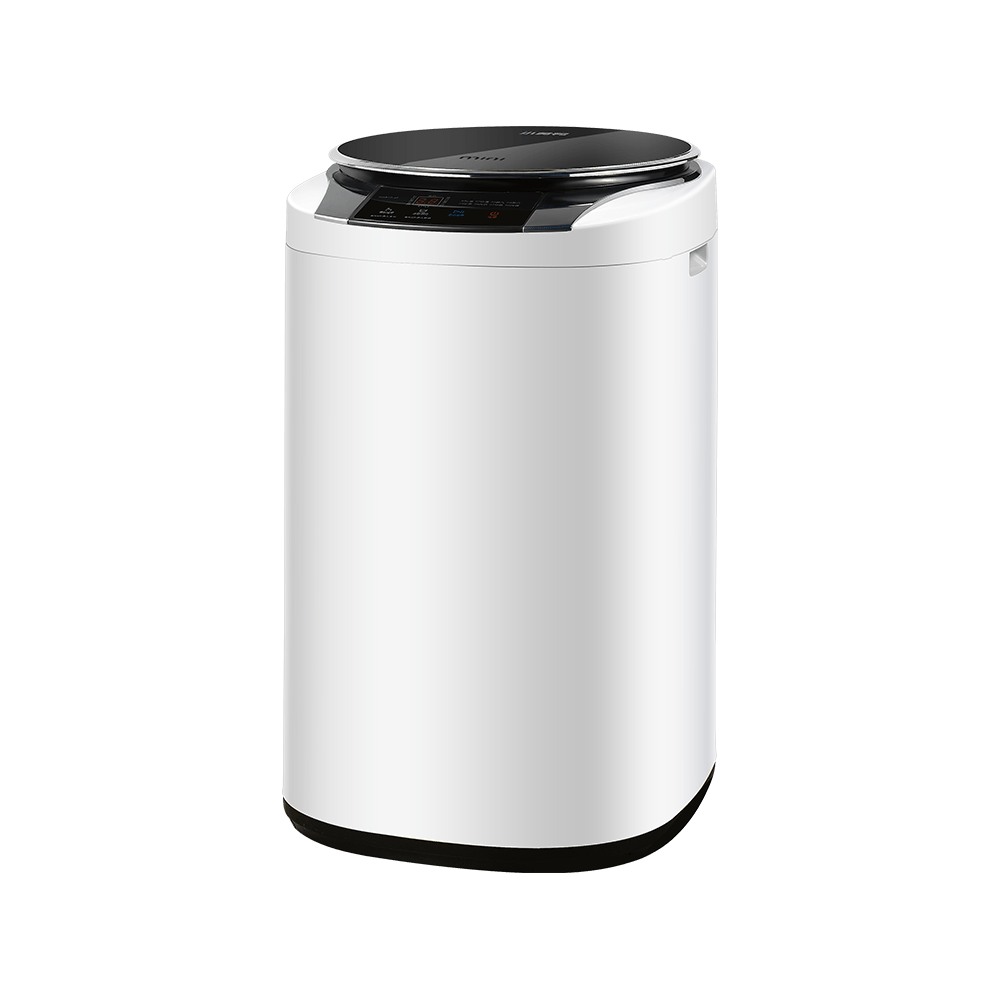 2 kg Portable High-Temperature Washer with OzoneCompact fully automatic washer combining high-temperature washing with ozone sterilization for small spaces, rental housing, dorms, or travel.View Product →
The 2 kg portable high-temperature washing and ozone sterilization model sits in the middle of the mini range: still compact, but with more room for a small towel load. Ask for the program list, the maximum wash temperature, and whether the ozone cycle has a separate rinse or ventilation step.
Rinse performance matters more than many shoppers expect. Detergent residue can irritate skin, and baby clothes are often washed frequently with small amounts of soil. Look for an extra rinse option, a clear rinse count, and a spin speed that removes water without crushing delicate knits. For newborn clothes, a gentle cycle with a low spin speed and a warm—not hot—wash is often enough unless the care label or a doctor advises otherwise. Pre-treat milk or food stains with a small amount of detergent and cool water before the main cycle; hot water can set protein stains. Use a fragrance-free detergent and measure it rather than filling the cap. If the machine has a drum clean or tub clean cycle, run it monthly and wipe the door seal and detergent drawer.
Before buying, measure the doorway, the installation spot, and the space needed to open the lid or door. A mini washer may still need a stable floor, a nearby tap, and a drain connection. Some portable models fill from a bucket or a dedicated adapter; others need a permanent water inlet. Check the drain hose height and whether the machine can empty into a sink, standpipe, or floor drain. If you rent, confirm that a temporary connection is allowed. Noise and vibration matter if the machine will run at night near a bedroom. A machine that is easy to move is useful for travel, but it should still sit level during the spin cycle.
| Check | Why it matters | Practical target |
|---|---|---|
| Rated capacity | Sets how often you run a load | 1.5–2 kg for newborn-only loads; 3.5 kg+ for toddler or mixed small loads |
| Wash temperature | Affects hygiene and fabric risk | Adjustable warm/hot settings; a clear maximum temperature |
| Rinse options | Helps reduce detergent residue | At least one extra rinse; visible rinse count |
| Water connection | Determines where the unit can be installed | Confirm tap, adapter, drain height, and hose length before purchase |
| Drum and filter access | Supports routine cleaning | Reachable filter; wipeable seal; self-clean or tub-clean cycle if available |
| Safety features | Reduces risk around children | Child lock, stable base, and no accessible hot surfaces |
A washer-dryer combination is useful when air-drying space is limited, but drying capacity is usually lower than washing capacity. Fill the drum loosely, and do not pack it as you would for a wash. For baby clothes, a short low-heat dry or a final air-dry is often gentler than a long hot cycle. If the machine offers a high-temperature wash-and-dry program, use it for towels or heavily soiled items rather than delicate knits. Keep the lint filter clean; lint build-up reduces airflow and can leave clothes damp.
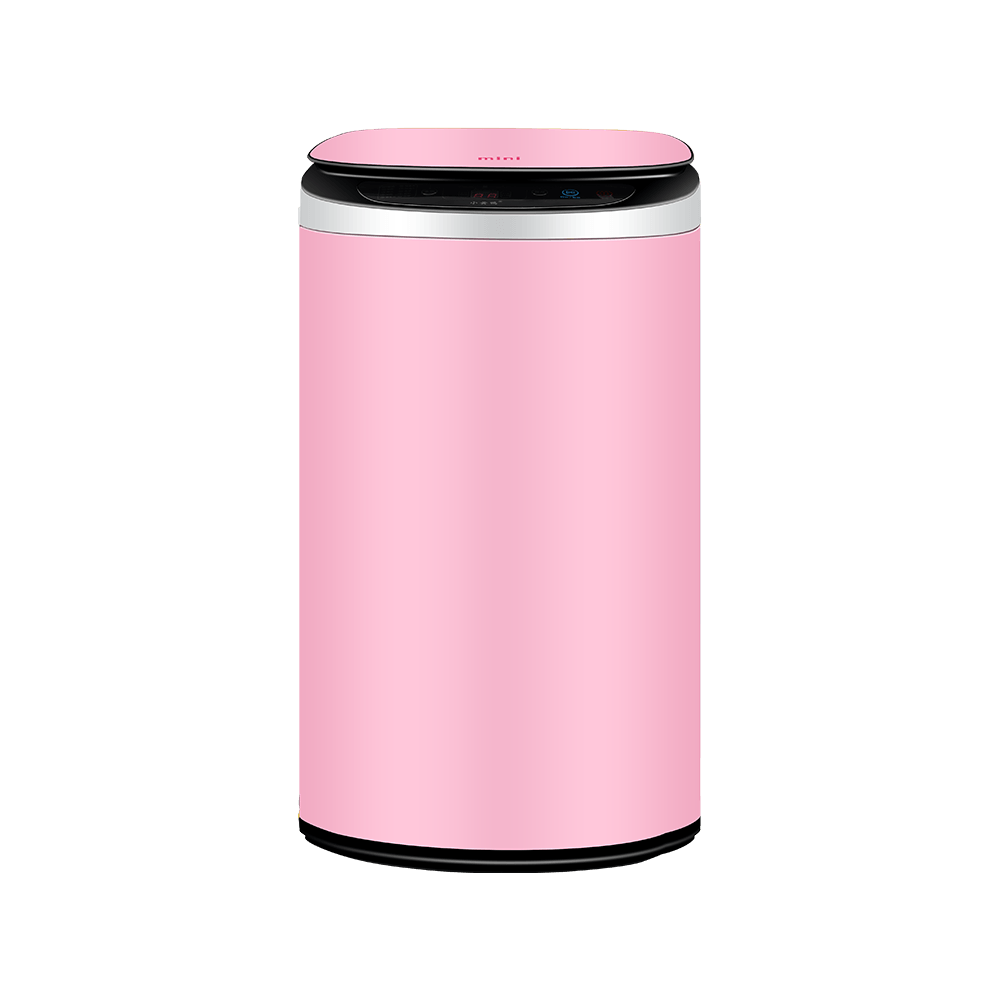 3.5 kg High-Temperature Washer-Dryer for Small LoadsWash-and-dry model for small daily loads and baby clothes, with high-temperature cleaning and intelligent humidity-sensing drying; confirm drying rating.View Product →
A 3.5 kg high-temperature washing and drying pollution-free model is one option when you want a single machine for small daily loads and occasional towel drying, but confirm the drying load rating before you rely on it for a full basket.
Keep the manual near the machine and note the maximum load for washing and drying separately. A small washer works best when it is loaded loosely, cleaned regularly, and matched to the number of days between laundry sessions.
The best baby care washer is the one that fits your laundry rhythm without turning every small load into a project. If you wash newborn clothes daily, a compact 1.5–2 kg unit with an adjustable hot wash and an extra rinse is a sensible starting point. If your laundry basket already includes toddler clothes, bedding, or two children's items, step up to 3.5 kg or more and check the drying rating separately. Buy for the routine you have now, with a little room for the next size of clothes—not for a feature list you will never use.
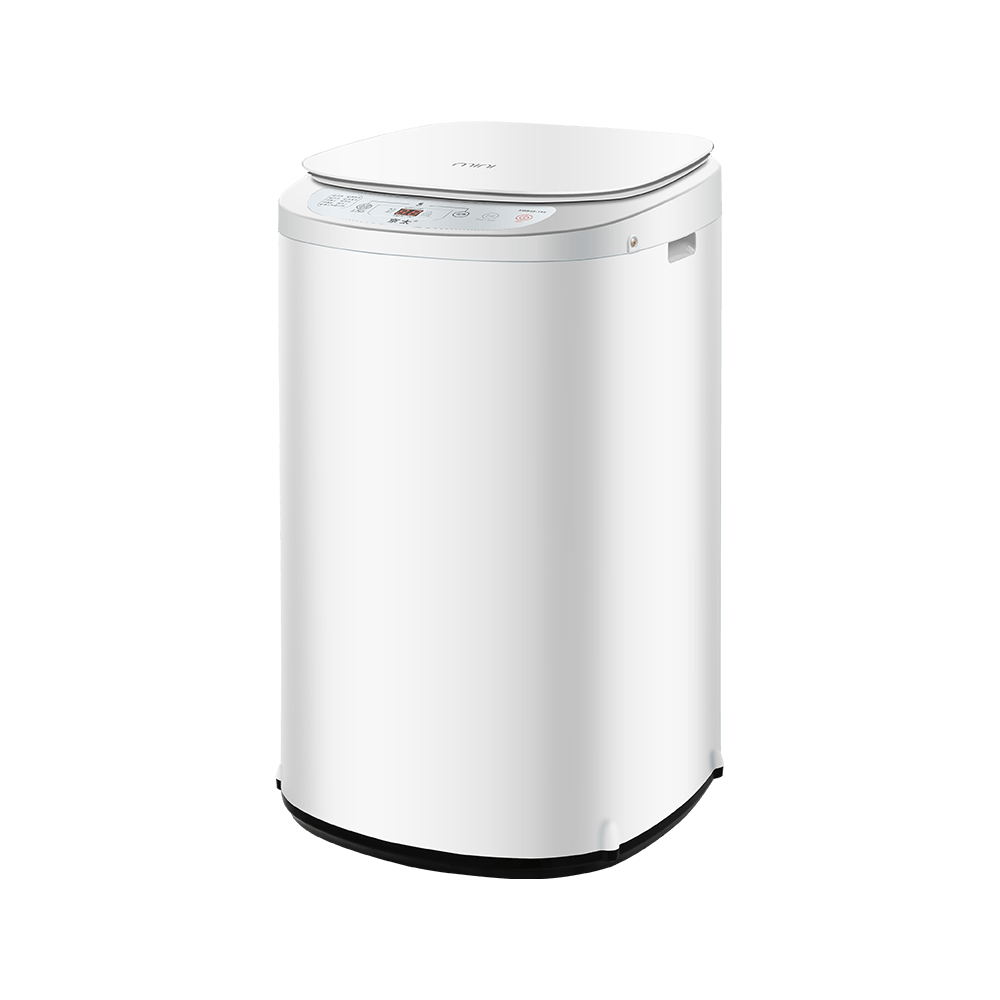
XQB45-188HM[Large capacity design to meet family needs]The 4... View More
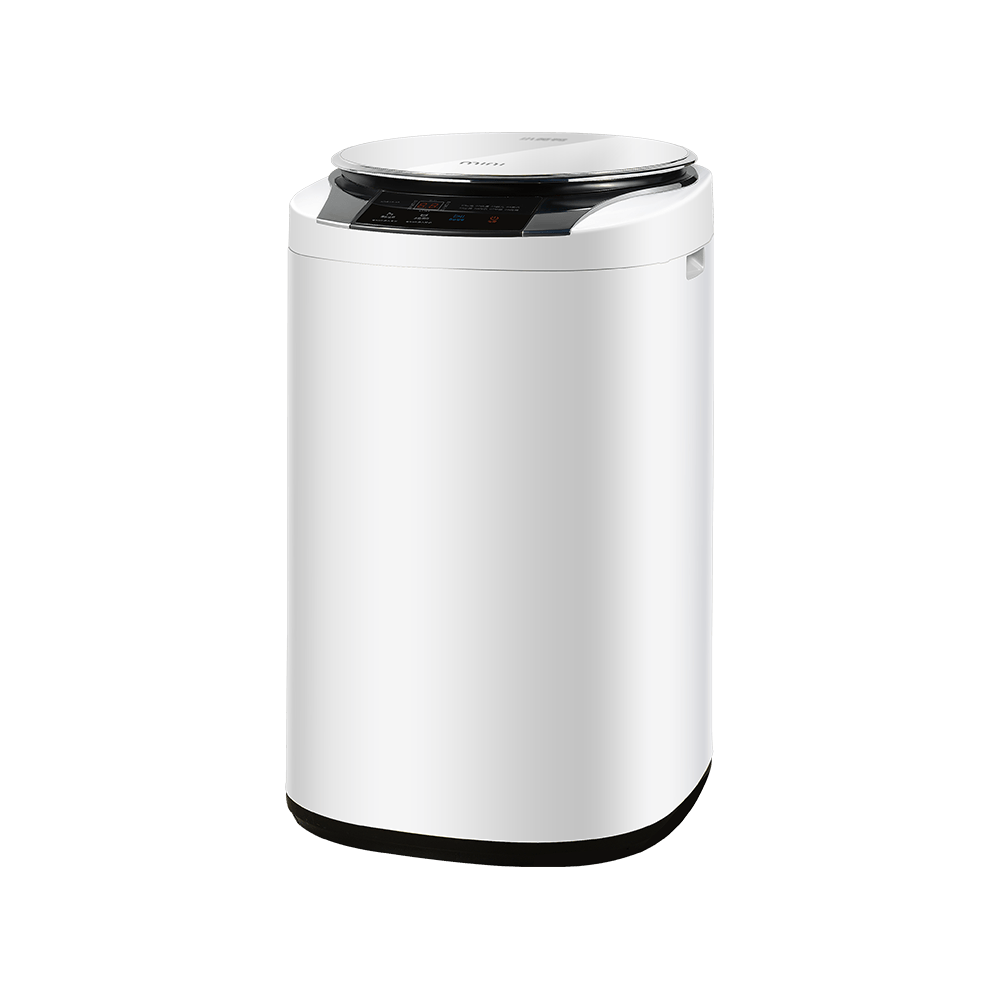
XQB35-166HM[Fashionable watch appearance, elegantly integrat... View More
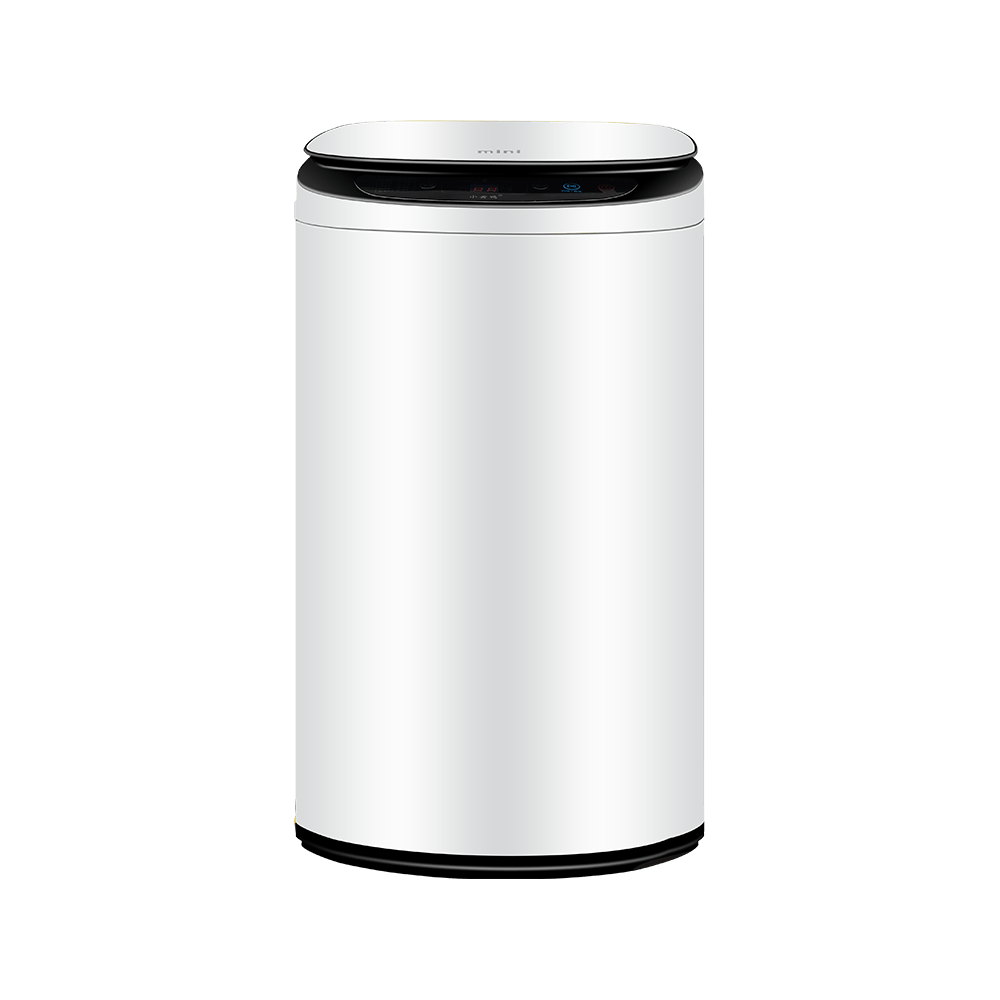
XQB35-188HMThis washing machine is based on innovative high-... View More
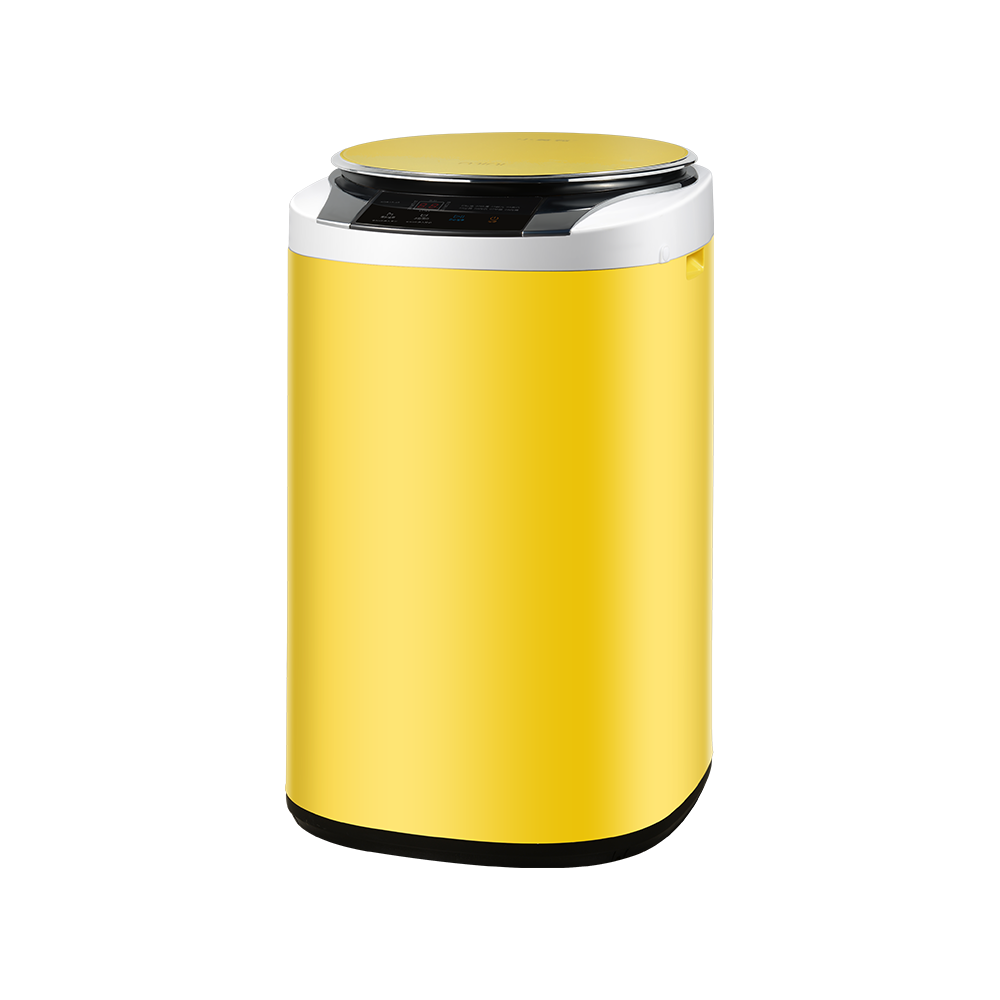
XQB35-655MLeading a new trend of healthy washing, integratin... View More

 Add: No.27 Hongwei Road, East Industrial Park, Guanhaiwei Town, Cixi City, Zhejiang Province, China
 Tel: +86-18520338190
 Tel: 400-8488-955
 Email: [email protected]
Copyright © Ningbo Zhijie Little Yellow Duck Electric Appliance Co., Ltd. All Rights Reserved.

Wholesale Fully Automatic Home Laundry Machine Manufacturers

 English
 عربى