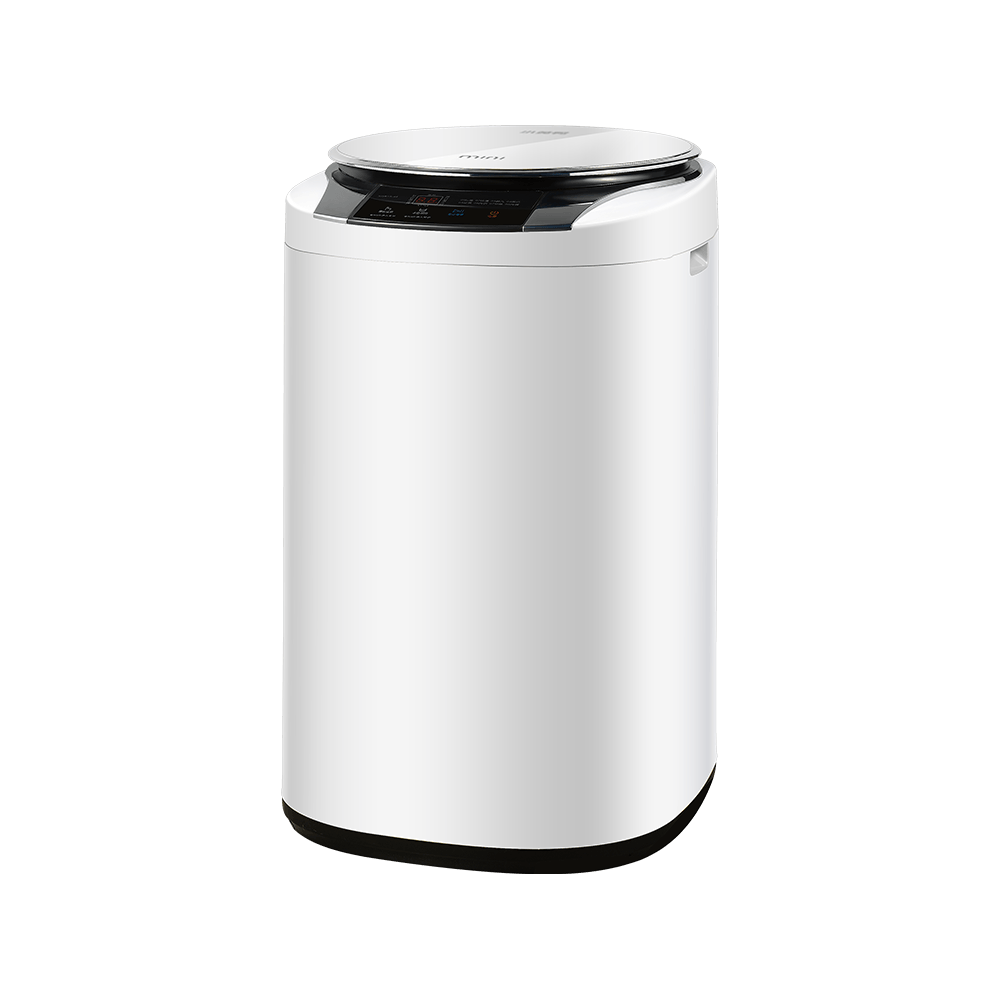
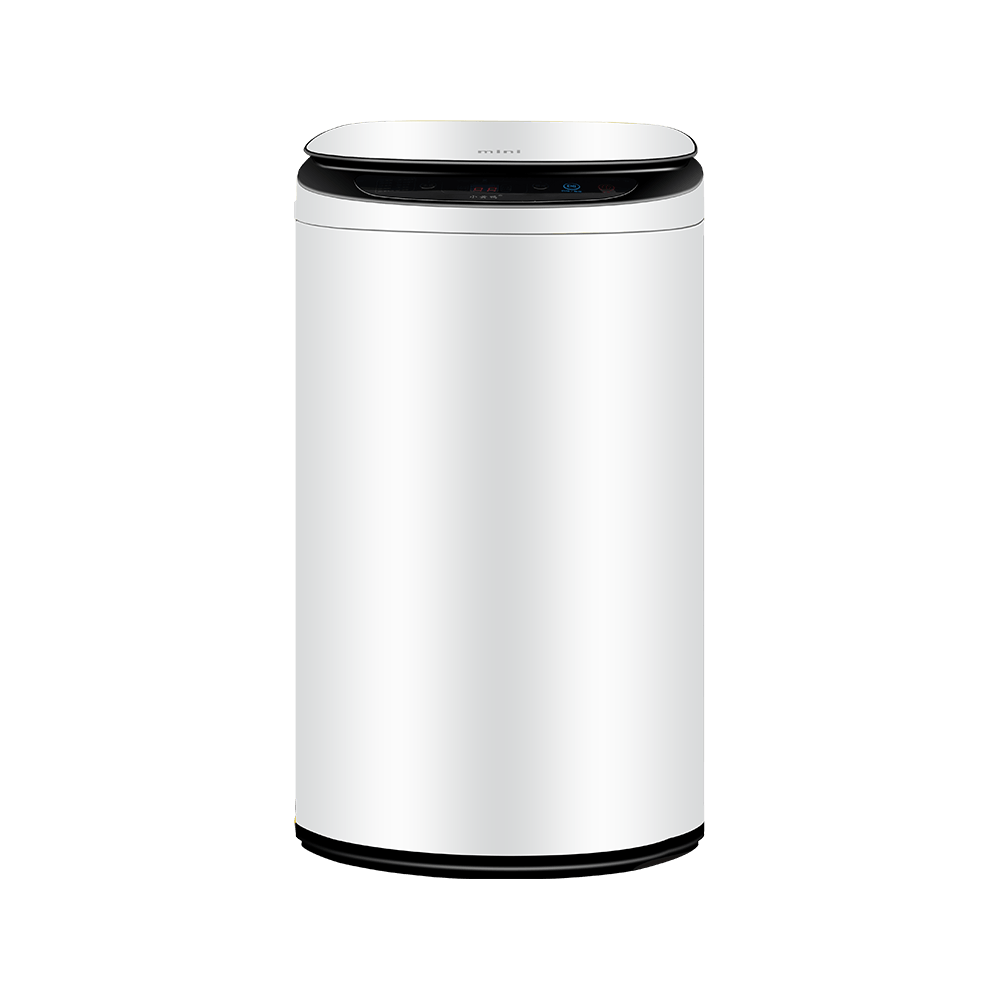
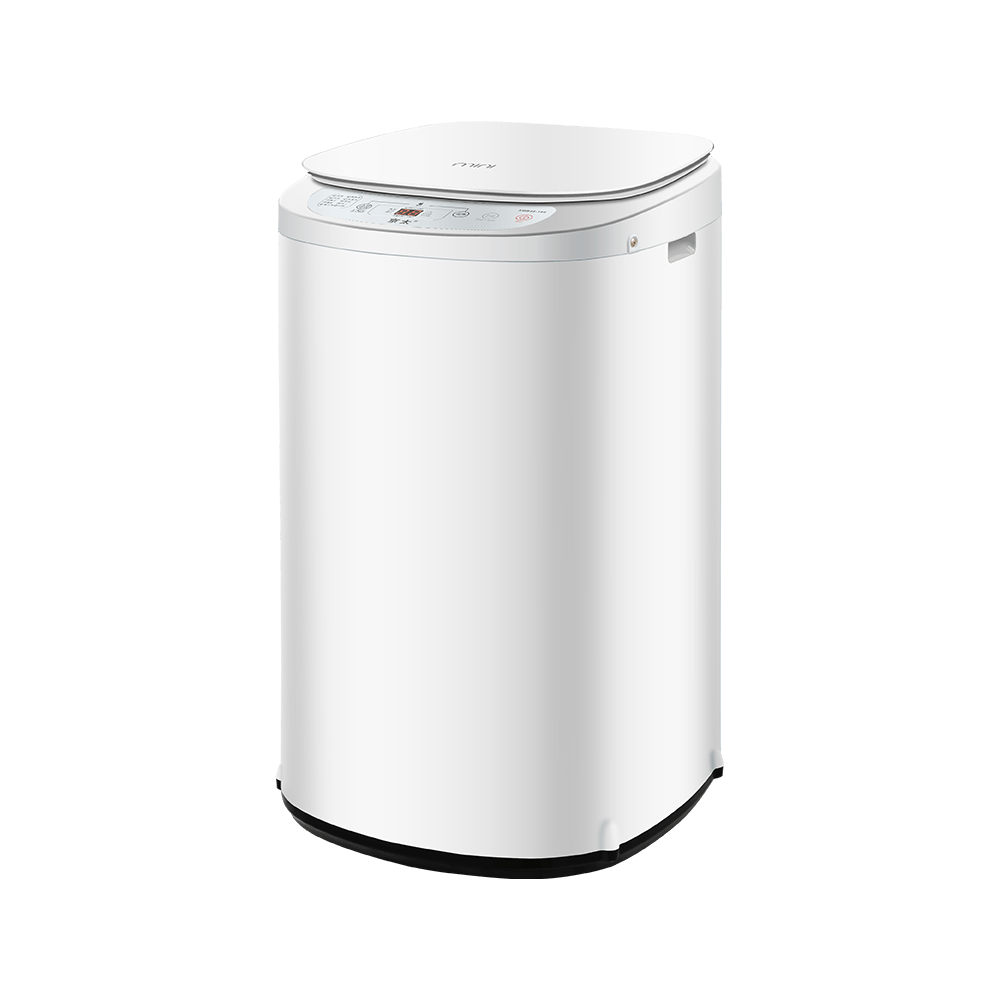
A four-and-a-half kilo load of cotton towels reaches the end of the wash, the drain pump empties the tub, and the drum begins to accelerate. Halfway up it hesitates, rocks once, and falls back to a slow distribution turn. The programme finishes, but the towels come out heavy enough to drip. Nothing was wrong with the wash itself; the machine simply could not complete its final spin, and that one stage is what decides how dry the laundry feels when the lid opens.
That is the practical case for treating the automatic spin cycle as a specification item rather than an afterthought. Rated spin speed, drum diameter, unbalance detection and the way a controller retries a failed distribution all shape the result, and all of them can be written into a purchase order long before a container leaves the factory.
The spin stage follows a fixed sequence in almost every automatic washer: drain, distribute, accelerate, hold, decelerate. The controller first runs the drain pump until a pressure switch or flow sensor confirms the tub is empty, because water left in the drum becomes a moving mass that no suspension can balance. It then rotates slowly, usually between 40 and 90 rpm, to spread the load. Only when the unbalance signal stays inside a threshold does the machine ramp up to its rated spin speed.
Extraction itself is centrifugal. Water passes through the perforated drum wall, is thrown against the outer tub and is pumped away. The force acting on the fabric rises with the drum radius and with the square of rotational speed, so a modest increase in rpm has a disproportionate effect on water removal, noise and vibration.
| Capacity class | Typical drum diameter | Common final spin | Residual moisture | Best fit |
|---|---|---|---|---|
| 1.5–2 kg portable | 30–34 cm | 600–700 rpm | 70–85% | Travel, single-person, small daily loads |
| 3.5 kg household | 36–40 cm | 700–800 rpm | 60–72% | Couples, small flats |
| 4.5 kg household | 40–44 cm | 700–800 rpm | 58–70% | Families of three to four |
| 5.6 kg large capacity | 44–48 cm | 650–750 rpm | 60–72% | Larger households, bulky items |
The table is indicative, not absolute. A 5.6 kg machine with a wider drum can extract more water at 700 rpm than a mini model at the same speed, because the fabric sits further from the axis of rotation.
RPM is the number printed on the label, but it is not a complete measure of drying performance. Buyers comparing quotations from different factories should ask for drum diameter and rated spin speed together, plus the residual moisture figure the factory uses in its own drying test. A single rpm figure without drum geometry tells you very little about what the customer will see at the end of the cycle.
| Final spin speed | Residual moisture | Relative extraction |
|---|---|---|
| 600 rpm | 78% | |
| 700 rpm | 70% | |
| 800 rpm | 62% | |
| 900 rpm | 57% | |
| 1,000 rpm | 52% |
Higher is not automatically better. Beyond roughly 800 rpm, noise, vibration and fabric creasing tend to increase faster than the extra water removal justifies, and thin portable machines rarely have the suspension to run at 1,000 rpm with an off-centre load. For delicate items, a lower final spin followed by longer air drying is often the better programme choice.
Most spin complaints are balance complaints. The controller reads an unbalance signal, tries to redistribute the load, and aborts the high-speed stage if the signal does not settle. Common triggers include a single heavy item such as a bath mat or duvet cover, a load of similar-sized items that cluster together, an overloaded drum, a machine that is not level, and transit bolts that were never removed.
For the user, the fix is usually practical: mix large and small items, stay below the rated load, level the machine with a spirit level, and keep a few centimetres of clearance around the cabinet. For the buyer, the fix is contractual. Ask how many redistribution attempts the controller makes before aborting, what speed it drops to, and whether the abort is reported as a fault code. A machine that retries twice and then finishes at a reduced speed will generate far fewer returns than one that stops and unlocks with a wet load.
Small portable models are the most sensitive to spin design. A 1.5–2 kg machine has a narrow drum, a light cabinet and limited suspension travel, so its final spin is usually capped lower. Expect higher residual moisture and plan for line drying. These models work best on a stable floor with small, mixed loads rather than one heavy item.
 XQB20-78C 2 kg Portable Automatic Washing MachineThis 2 kg portable model suits small loads and baby clothes, with a tempered-glass safety cover, leakage filtration and low-noise operation.View Product →
The 3.5 kg class is where household expectations begin. Drums are wider, cabinets heavier and 700–800 rpm is realistic, which brings residual moisture into the 60–72% range. This is also the class where appearance and programme count start to matter to end users, and where a wash-and-dry version can reduce dependence on outdoor drying.
 XQB35-188HM 3.5 kg High-Temperature Wash-and-Dry MachineThis 3.5 kg wash-and-dry model combines high-temperature cleaning with intelligent drying for baby clothes and sensitive-skin users.View Product →
At 4.5 kg and above, the drum carries more water and the suspension has to manage a heavier wet load. Spin speed is often held at 650–800 rpm rather than pushed higher, because a wider drum already delivers strong extraction. Buyers should check the rated load for the drying stage separately, since drying capacity is usually lower than washing capacity.
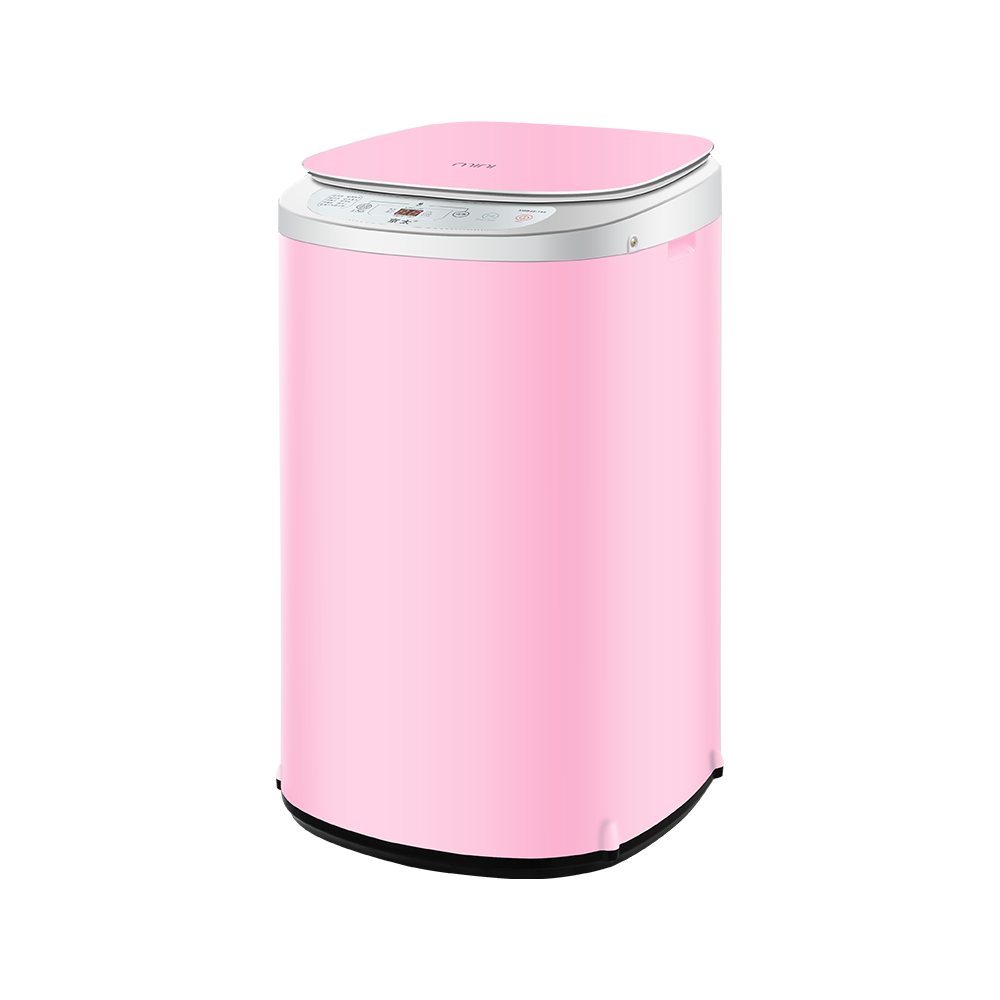 XQB45-699HM 4.5 kg Automatic Washer-DryerThis 4.5 kg integrated washer-dryer handles family laundry, baby clothes and towels with one-button automatic washing and drying and energy-saving operation.View Product →
In a washer-dryer, the spin cycle is the first stage of drying. Every percentage point of water removed by centrifugal extraction is water the heater does not have to evaporate. That is why a weak final spin shows up twice: once as wet laundry and again as a long, energy-hungry drying cycle. Buyers specifying combination machines should look at the way washer-dryers optimise energy and water use across both stages, not just at the wash programme.
Practical limits matter here. Drying loads are typically half the wash load, lint filters need regular cleaning, and a condensed-air path that is blocked will延长 the cycle. On the specification sheet, ask for the residual moisture target before drying, the drying load rating and the expected cycle time at a stated ambient temperature.
A spin specification is only useful if it can be tested. The checklist below covers the parameters that most often separate a smooth launch from a container of after-sales claims.
| Parameter | Why it matters | Typical range to request | Red flag |
|---|---|---|---|
| Rated spin speed | Sets water extraction and drying time | 600–800 rpm for 1.5–4.5 kg; 650–800 rpm for 5.6 kg | A maximum rpm figure quoted without drum diameter |
| Drum diameter and material | Determines force at the drum wall and corrosion resistance | 30–48 cm by class; stainless steel inner drum | Drum steel unspecified |
| Unbalance handling | Controls abort rate, vibration and returns | Two or three redistribution attempts before abort | No documented retry logic |
| Drain pump flow | A slow drain triggers spin timeout faults | Flow rate in litres per minute, matched to tub volume | Pump described only by voltage |
| Lid lock and switch | Safety and cycle continuity | Interlock with spin inhibit | Mechanical switch without lock |
| Noise and vibration | Affects retail returns and upstairs installation | dB(A) figures with test load and distance stated | No test conditions quoted |
Add a sample test to the order: one balanced load, one single heavy item and one deliberately off-centre load. Record the final spin speed reached, the cycle time and the residual moisture. That record is more useful than a catalogue claim.
Not every wet load is a design problem. Service data usually splits into three groups. The first is a machine that will not spin at all: lid switch or interlock, drain timeout, motor capacitor, belt or control board. The second is a machine that spins but leaves the load wet: blocked filter, kinked drain hose, low supply voltage, worn belt or an overloaded drum. The third is noise and movement during spin: machine not level, foreign object between drum and tub, worn bearings or tired suspension.
The spin cycle is the stage that decides how dry the laundry feels, how long drying takes and how much vibration the customer experiences. Judge a washer on drum diameter, rated spin speed, unbalance logic and drain performance together, not on an rpm number alone. Match the capacity class to the real load, test a deliberately unbalanced sample before signing off, and keep the specification measurable so that a service claim can be traced back to a design parameter rather than a guess.
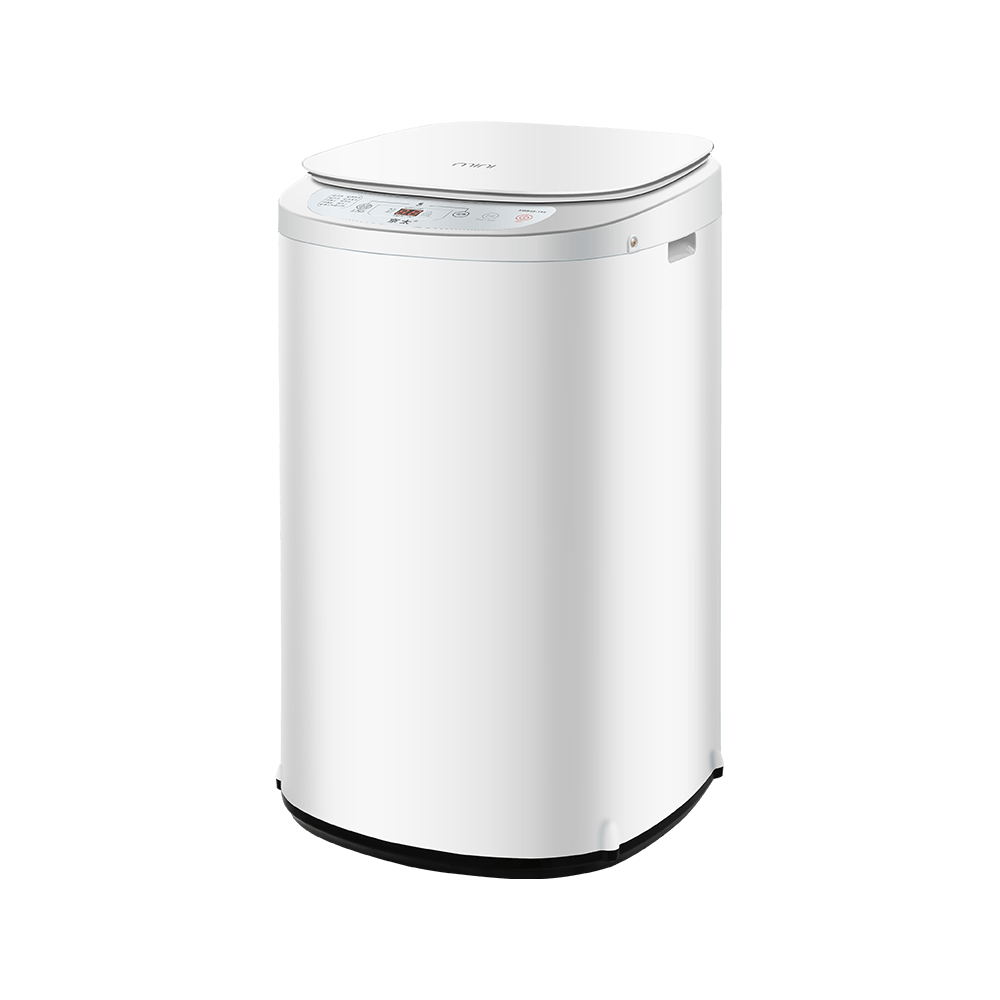
XQB45-188HM[Large capacity design to meet family needs]The 4... View More
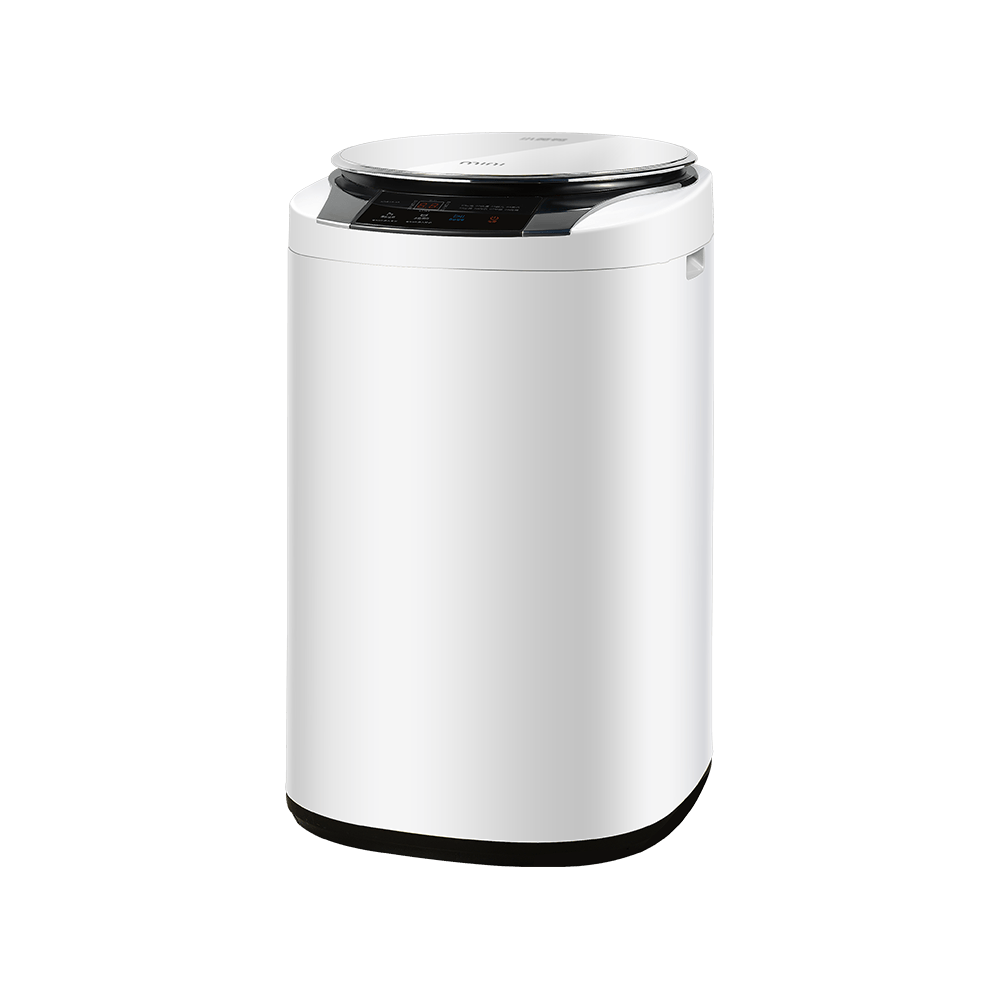
XQB35-166HM[Fashionable watch appearance, elegantly integrat... View More
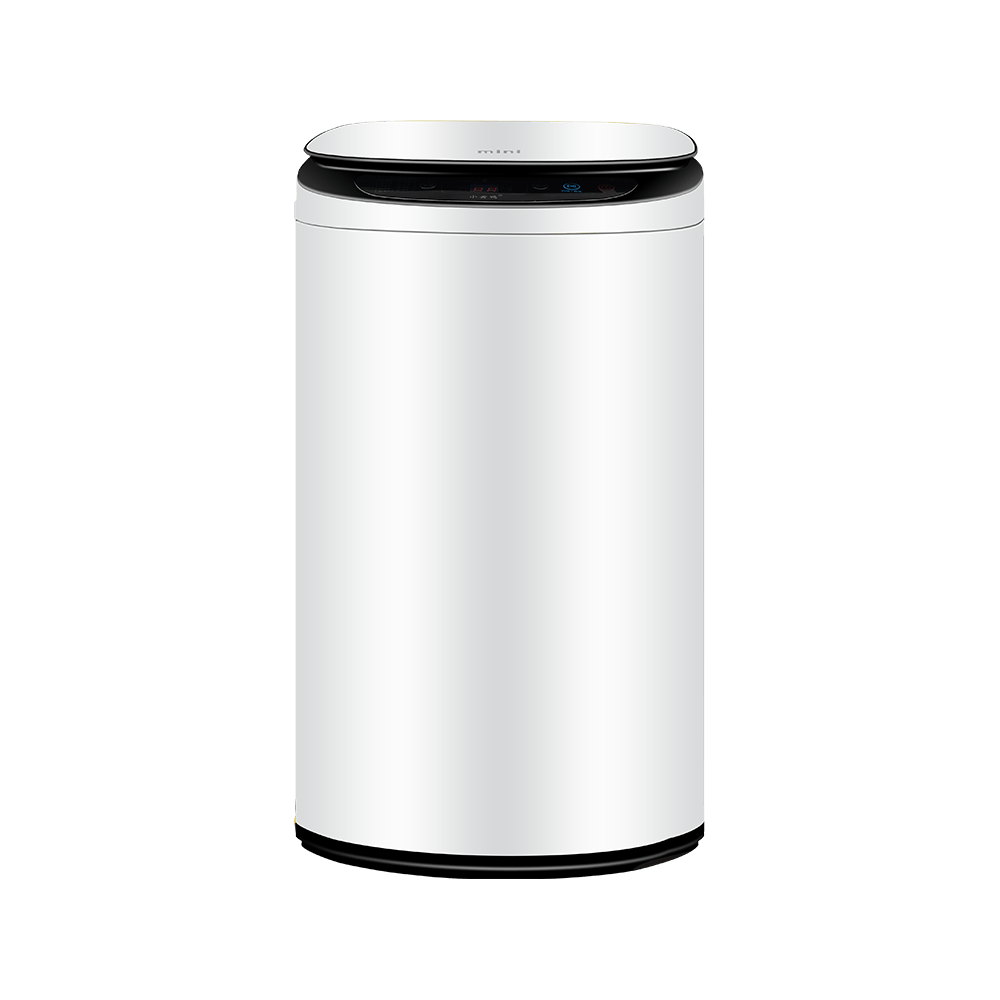
XQB35-188HMThis washing machine is based on innovative high-... View More
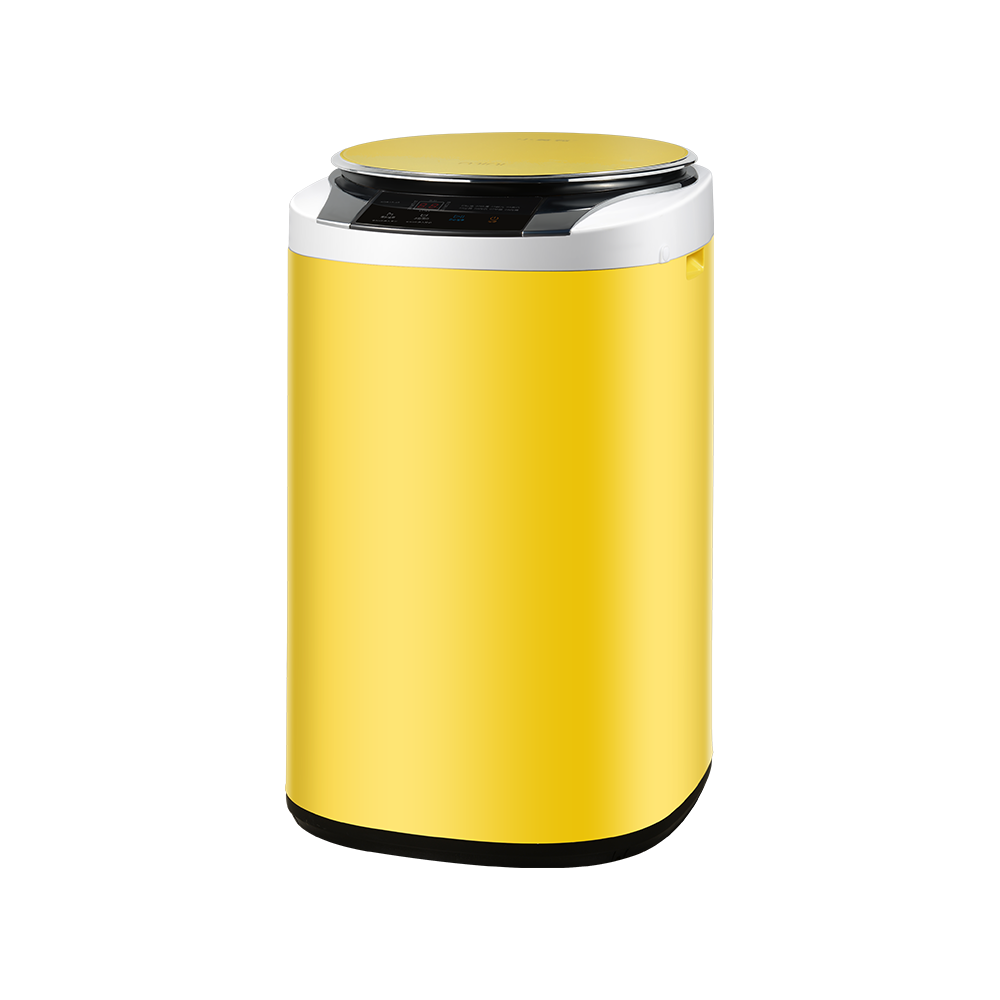
XQB35-655MLeading a new trend of healthy washing, integratin... View More

 Add: No.27 Hongwei Road, East Industrial Park, Guanhaiwei Town, Cixi City, Zhejiang Province, China
 Tel: +86-18520338190
 Tel: 400-8488-955
 Email: [email protected]
Copyright © Ningbo Zhijie Little Yellow Duck Electric Appliance Co., Ltd. All Rights Reserved.

Wholesale Fully Automatic Home Laundry Machine Manufacturers

 English
 عربى