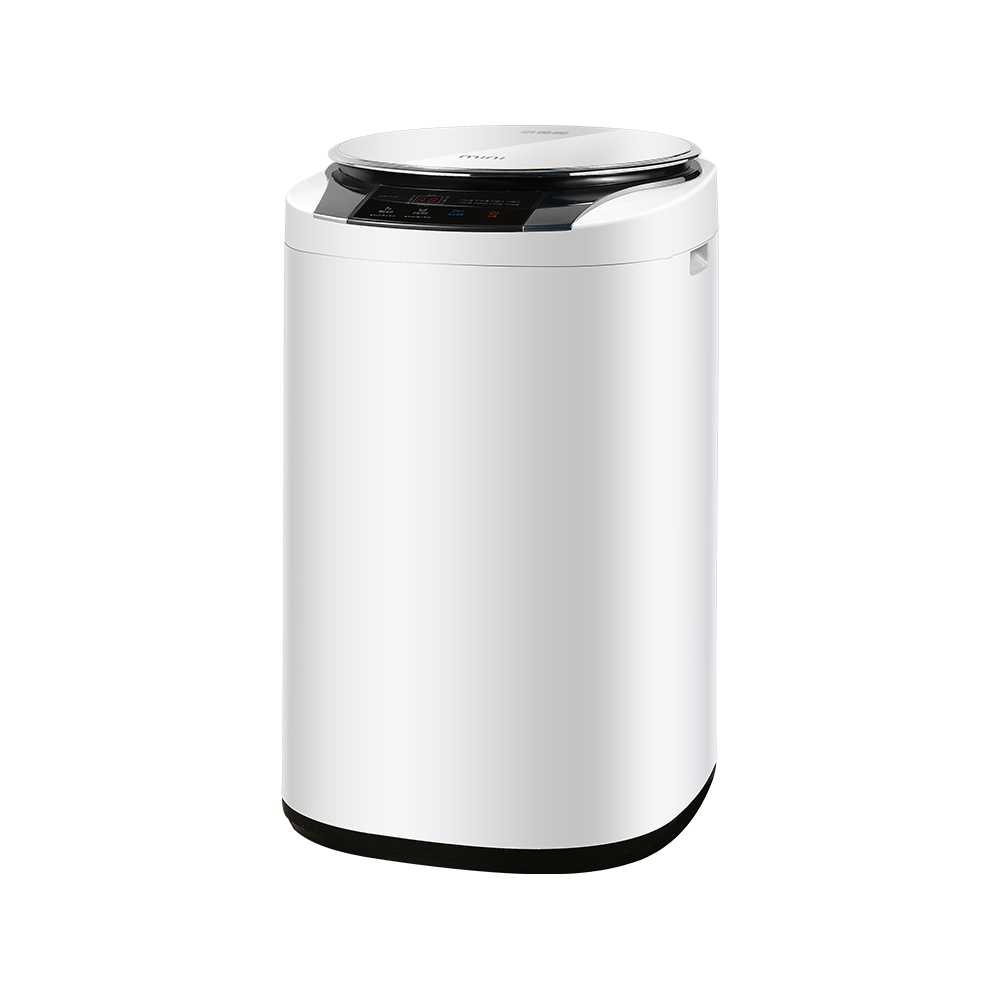
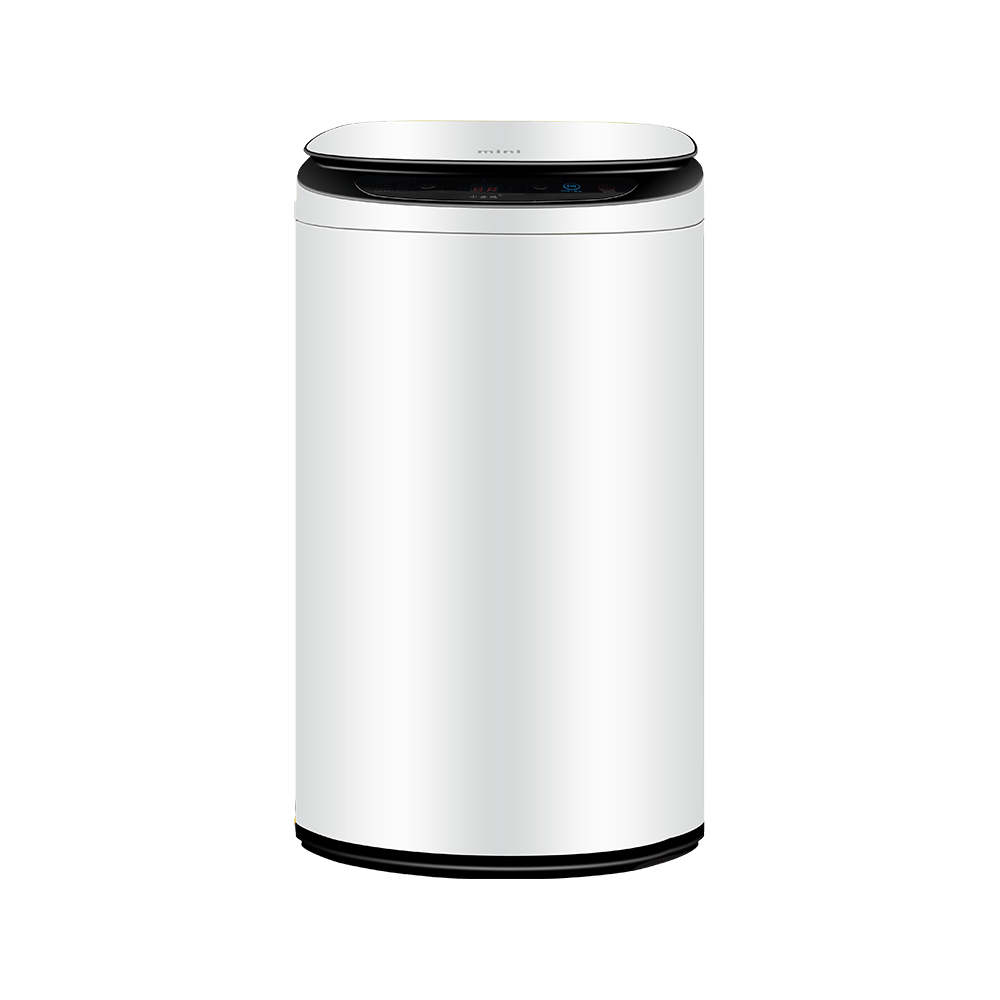
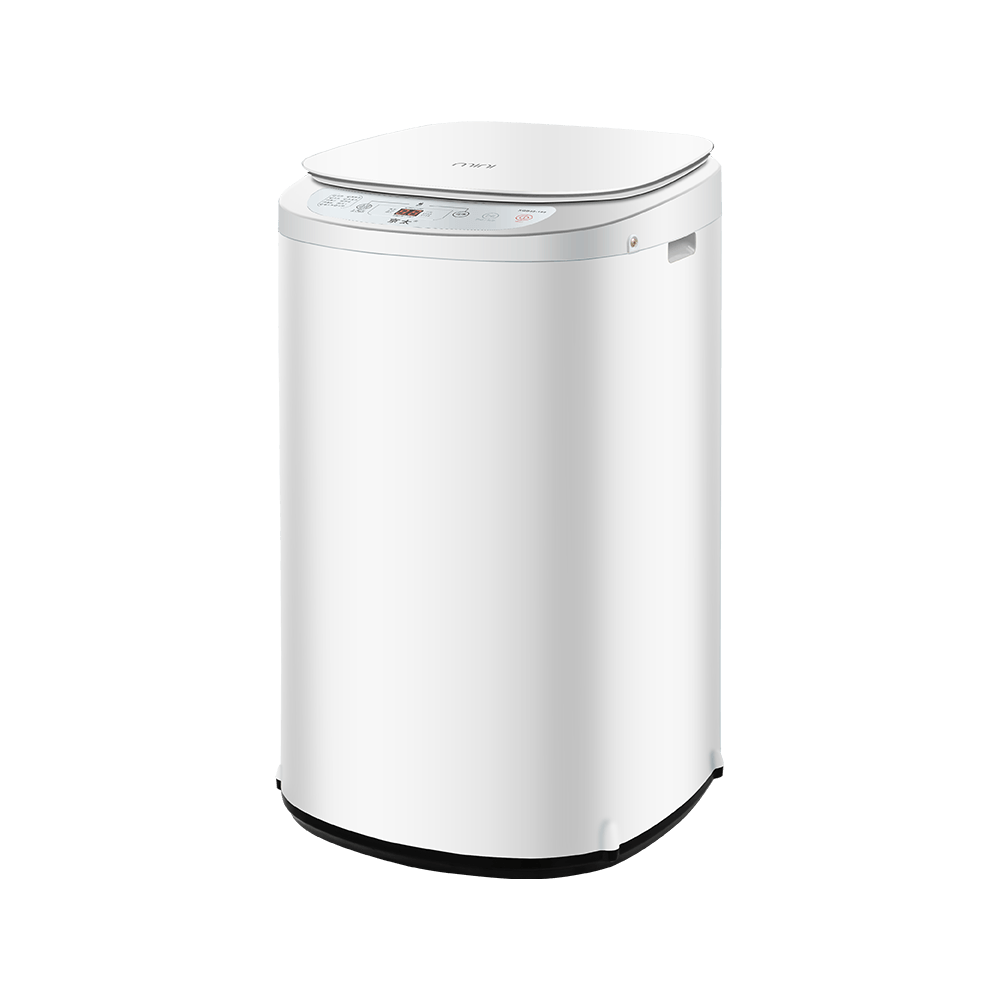
A fully automatic washing machine handles washing, rinsing, and spinning in one continuous cycle without manual intervention, and the biggest decision buyers face is choosing between top-load and front-load designs. Front-load machines generally use 30-50% less water and deliver more thorough cleaning through tumbling action, while top-load machines offer faster cycle times and easier mid-cycle access, making the right choice largely dependent on household size, water costs, and daily laundry habits.
Both machine types qualify as a fully automatic washing machine in the sense that neither requires the user to manually transfer laundry between wash and rinse stages, but the internal mechanics differ significantly. Top-load machines use a central agitator or impeller that moves water and clothes around a vertical drum, while front-load machines use a horizontal drum that tumbles laundry through a shallow pool of water, relying on gravity and repeated lifting rather than constant water submersion.
Cleaning performance in a fully automatic washing machine comes down to how effectively the drum agitates fabric against water and detergent. Front-load machines tend to perform better on ground-in stains and heavily soiled fabrics because the tumbling motion combined with gravity creates more consistent contact between clothing and detergent solution. Top-load machines with a center agitator can be tougher on delicate fabrics due to the mechanical twisting action, though impeller-based top-load models (without a rigid agitator post) have narrowed this gap considerably in recent years.
| Fabric Type | Top-Load Performance | Front-Load Performance |
| Heavily soiled work clothes | Good, especially with agitator models | Excellent, better stain penetration |
| Delicate fabrics (silk, lace) | Fair, risk of snagging on agitator models | Good, gentler tumbling reduces damage |
| Bulky items (comforters, blankets) | Fair, can unbalance the drum | Good, tumbling handles bulk more evenly |
| Everyday mixed laundry | Good | Good |
Utility costs add up significantly over the life of a fully automatic washing machine, and this is where front-load designs typically pull ahead. A standard top-load cycle can use 15-20 gallons of water per load, while a comparable front-load cycle often uses 10-13 gallons, since the horizontal drum only needs to fill water to a fraction of the drum height rather than submerging the entire load.
Drum capacity, measured in kilograms of dry laundry, directly affects how many loads a household needs to run each week. Undersized machines force more frequent cycles, while oversized machines waste water and energy on partially filled loads.
Spin speed, measured in RPM (revolutions per minute), determines how much residual water remains in clothes after the wash cycle ends. A fully automatic washing machine spinning at 1200 RPM or higher removes noticeably more water than one spinning at 800 RPM, which directly shortens the time needed in a dryer or on a clothesline afterward.
| Spin Speed | Residual Moisture | Effect on Dry Time |
| 600–800 RPM | Higher | Longest drying time |
| 800–1000 RPM | Moderate | Noticeably shorter drying time |
| 1000–1400 RPM | Low | Significantly reduced drying time |
| 1400+ RPM | Lowest | Shortest drying time, common on premium front-load models |
Buyers investing in a higher-end fully automatic washing machine increasingly look beyond basic wash cycles toward features that improve convenience, water efficiency, and long-term reliability.
Automatically detects load size and adjusts water and detergent use accordingly, preventing waste on smaller loads without requiring manual selection.
Reduces energy consumption and operating noise compared to traditional motors, while also extending the motor's operational lifespan through smoother speed control.
Allows remote cycle monitoring and start/stop control, useful for households running laundry during off-peak electricity hours to reduce utility costs.
Uses steam to penetrate fabric fibers more deeply, helpful for allergen removal and sanitizing bedding or clothing without relying solely on hot water temperature.
Before purchasing a fully automatic washing machine, confirming physical fit and utility compatibility prevents delivery-day surprises.
Regular maintenance meaningfully extends the working life of a fully automatic washing machine, particularly around components that experience the most repeated mechanical stress.
| Maintenance Task | Recommended Frequency |
| Clean detergent drawer and dispenser | Monthly |
| Run an empty hot cycle with cleaning tablet or vinegar | Every 1-2 months |
| Inspect and clean door seal (front-load models) | Weekly, wiping down after use |
| Check inlet hoses for cracks or bulging | Every 6 months |
| Leave door ajar between uses | After every wash, to prevent mold buildup |
Front-load machines in particular benefit from leaving the door and detergent drawer open between cycles, since the rubber door seal traps moisture that can develop odor or mold if left sealed shut for extended periods without airflow.
A fully automatic washing machine completes washing, rinsing, and spinning in one continuous cycle without requiring the user to manually transfer laundry between stages, unlike semi-automatic machines that need manual switching.
Front-load machines generally use less water and clean more thoroughly, while top-load machines offer faster cycles and easier mid-cycle access, so the better choice depends on household priorities around water use versus convenience.
Top-load machines typically use 15-20 gallons per cycle, while front-load machines often use only 10-13 gallons, thanks to their horizontal drum design requiring less water to submerge the load.
A 7-8 kg capacity fully automatic washing machine typically suits a 3-4 person household well, balancing load frequency with reasonable water and energy use per cycle.
With regular maintenance such as cleaning the detergent drawer, running periodic cleaning cycles, and inspecting hoses, most machines last 10 to 12 years before major components need replacement.
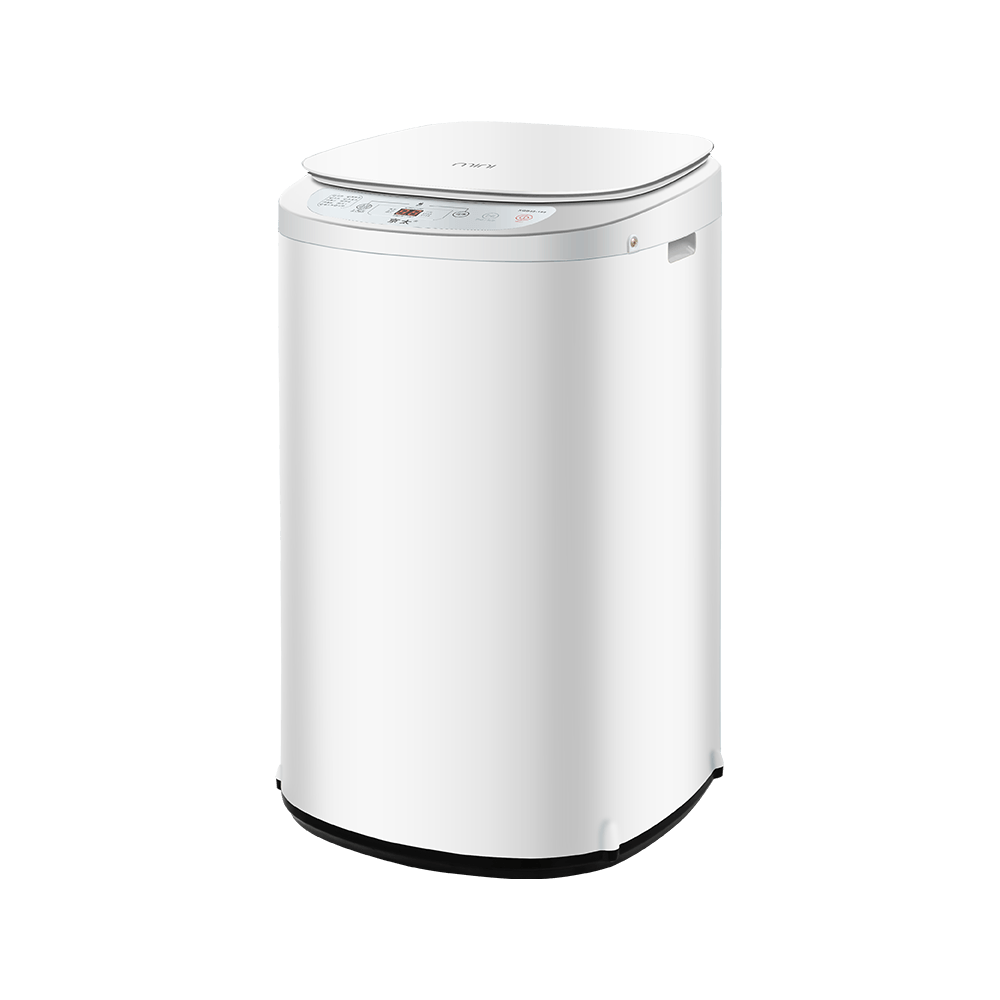
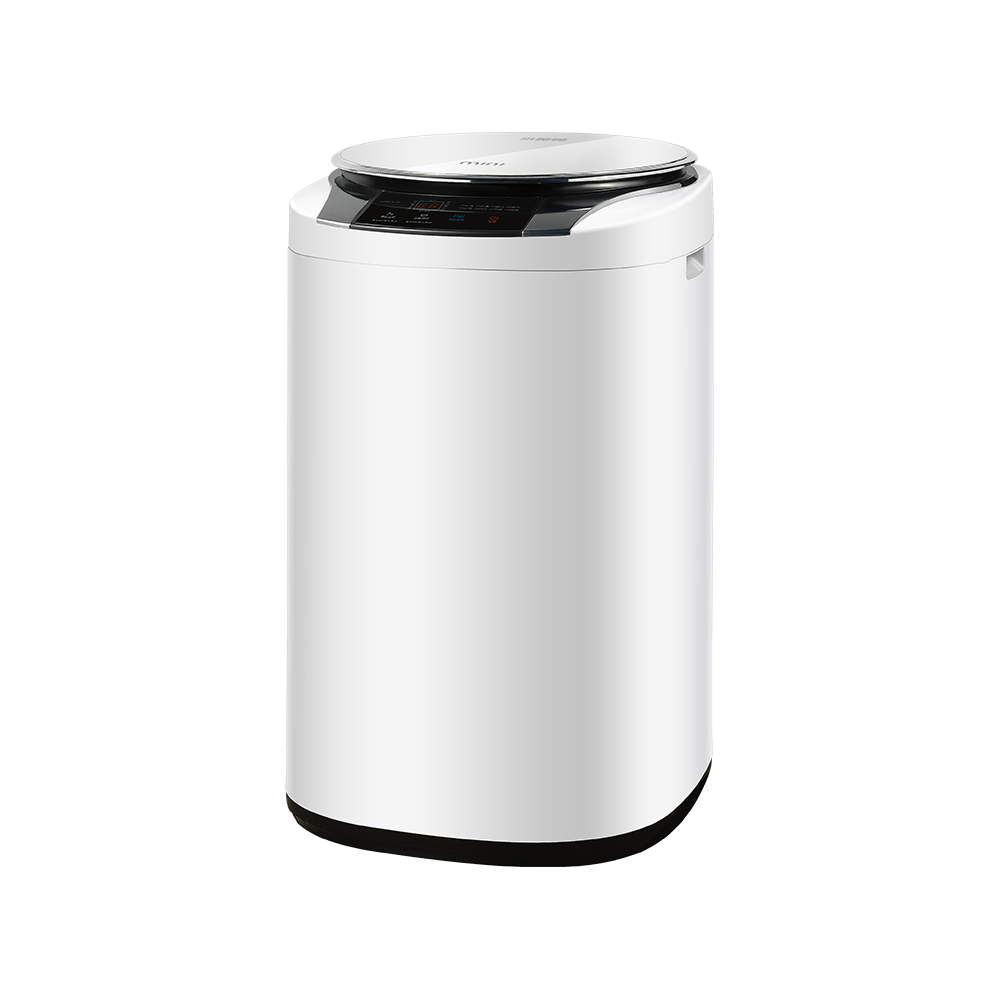
XQB45-188HM[Large capacity design to meet family needs]The 4... View More
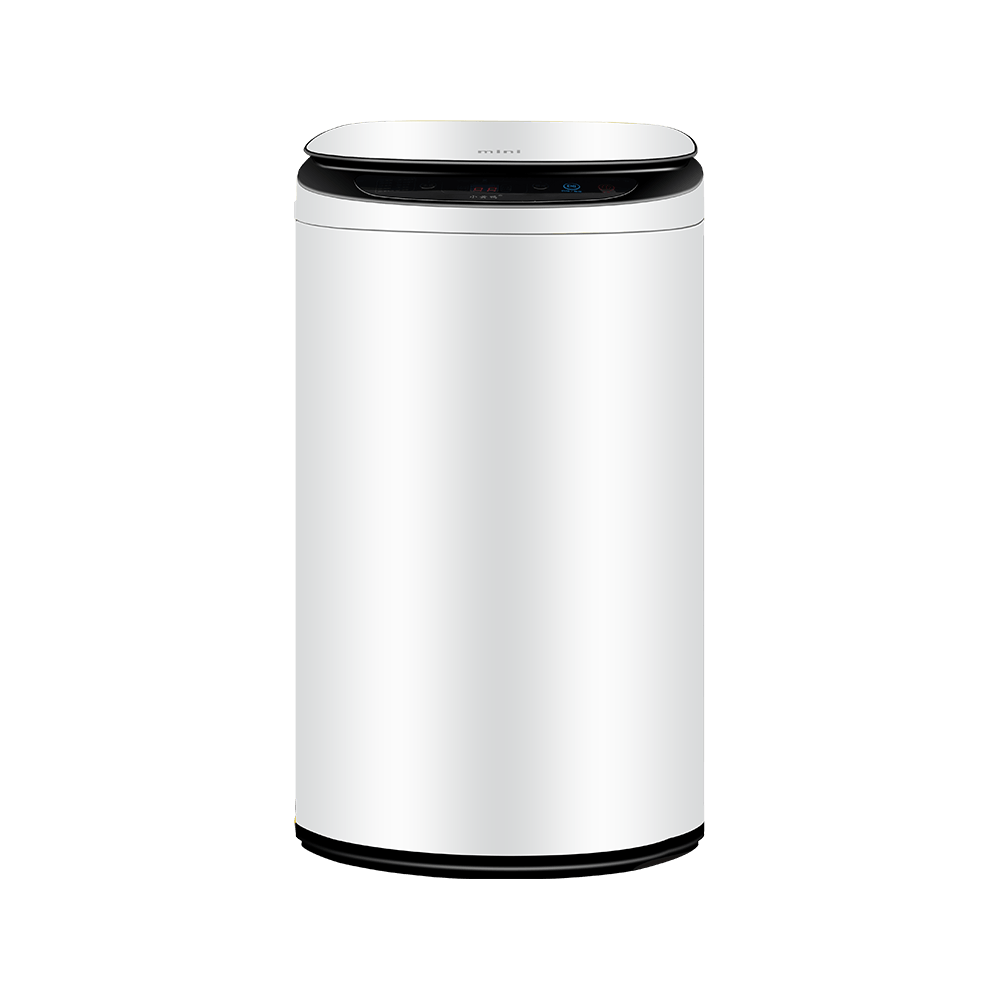
XQB35-166HM[Fashionable watch appearance, elegantly integrat... View More
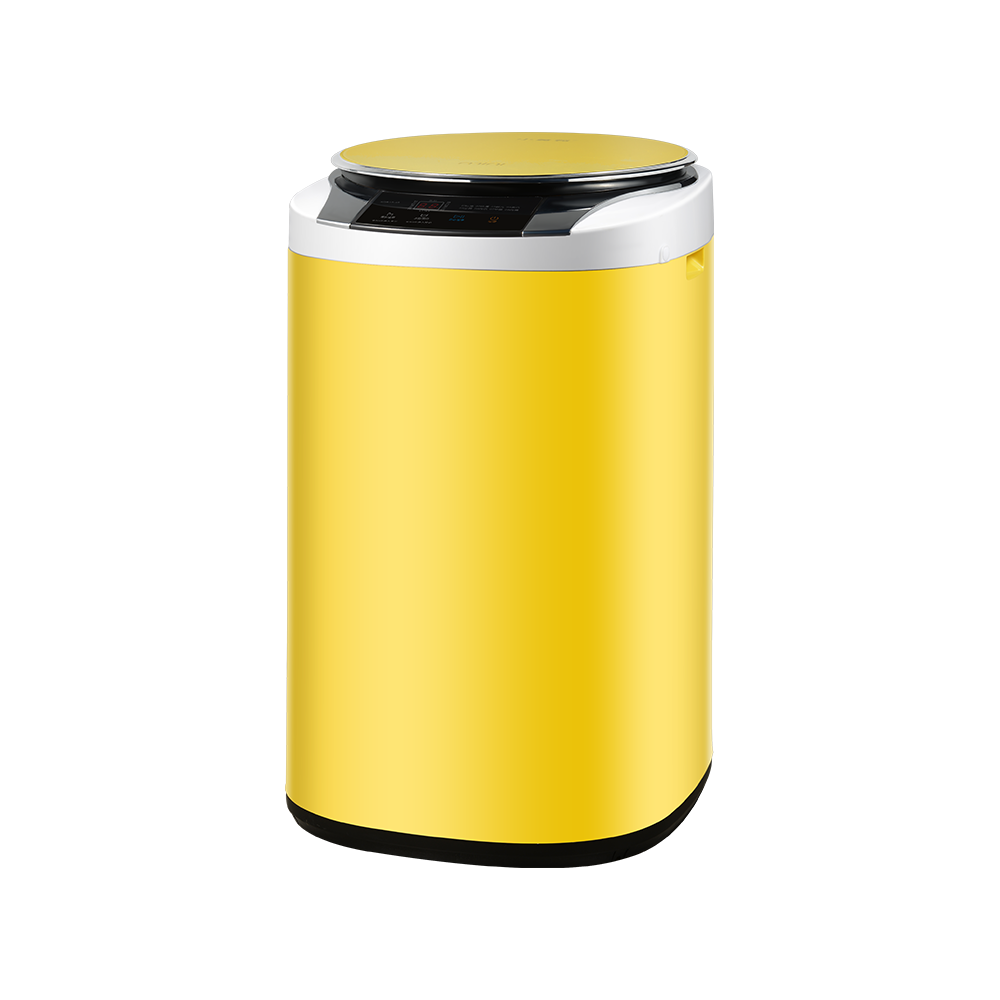
XQB35-188HMThis washing machine is based on innovative high-... View More
XQB35-655MLeading a new trend of healthy washing, integratin... View More

 Add: No.27 Hongwei Road, East Industrial Park, Guanhaiwei Town, Cixi City, Zhejiang Province, China
 Tel: +86-18520338190
 Tel: 400-8488-955
 Email: [email protected]
Copyright © Ningbo Zhijie Little Yellow Duck Electric Appliance Co., Ltd. All Rights Reserved.

Wholesale Fully Automatic Home Laundry Machine Manufacturers

 English
 عربى
عربى