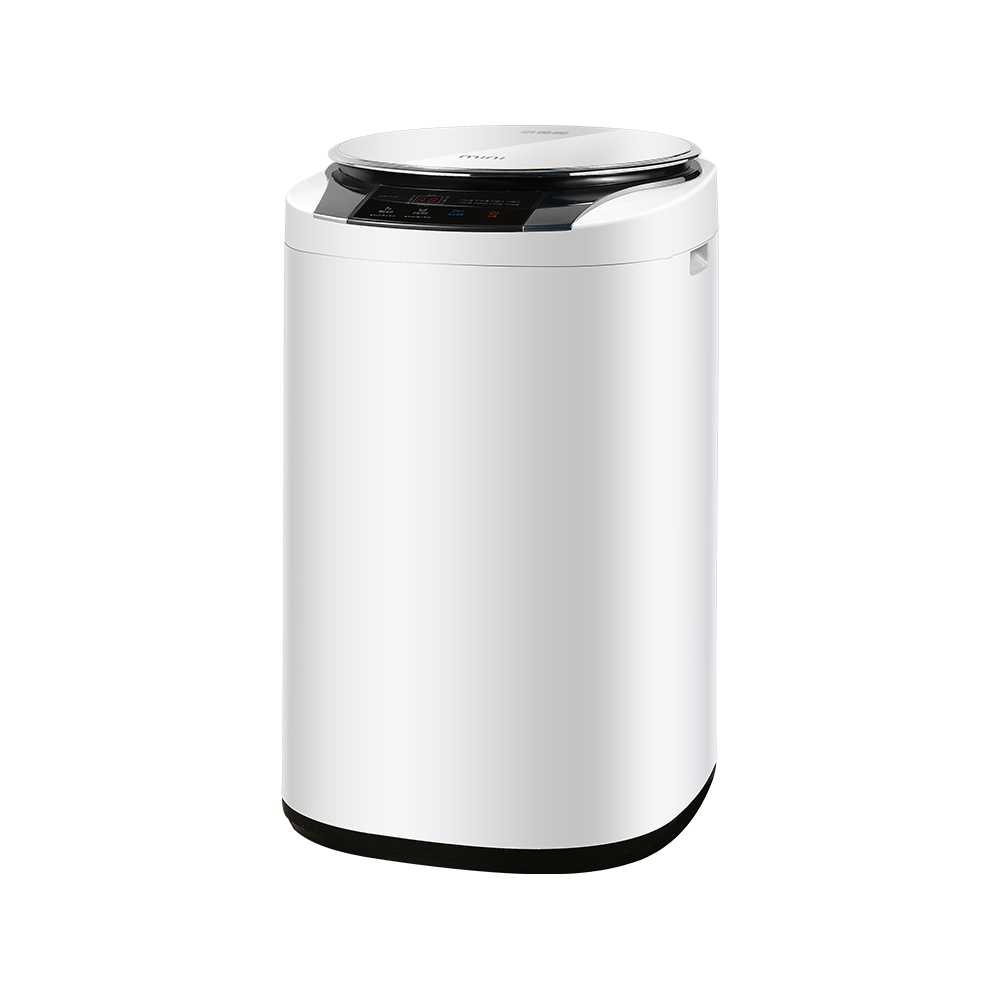
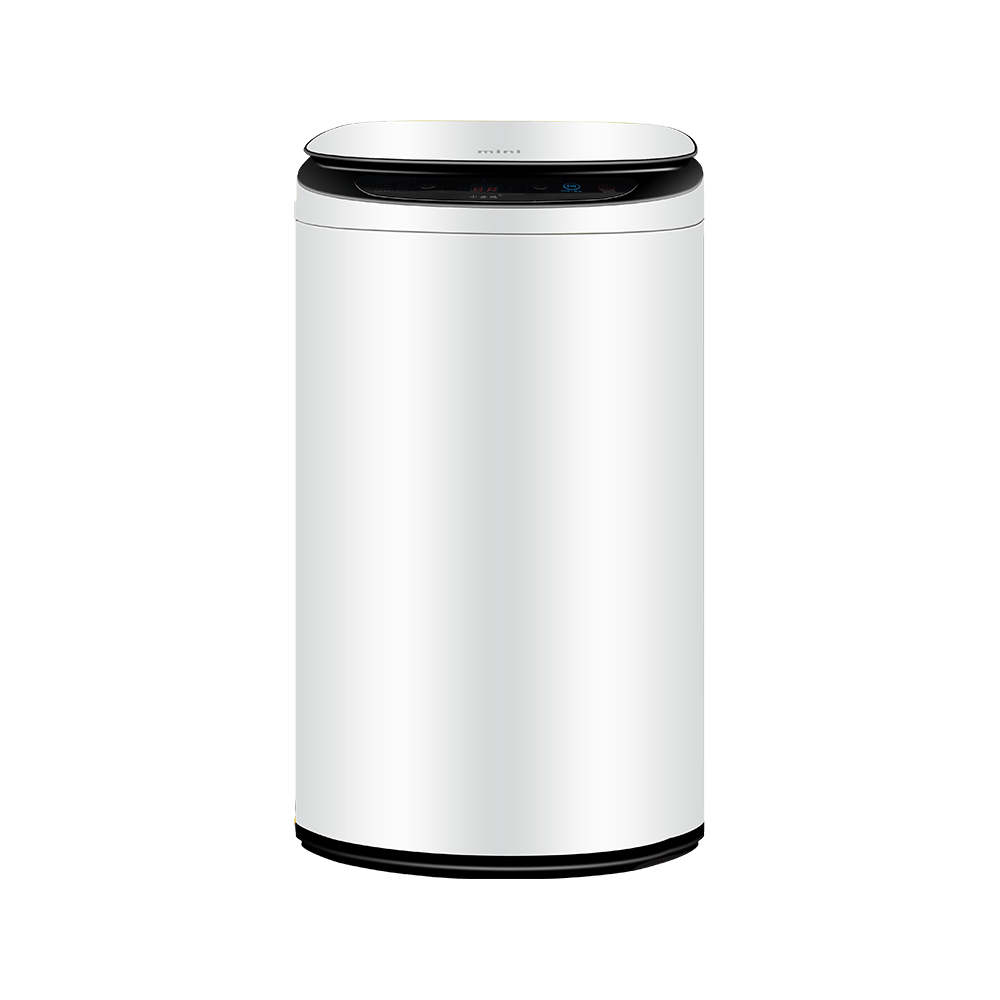
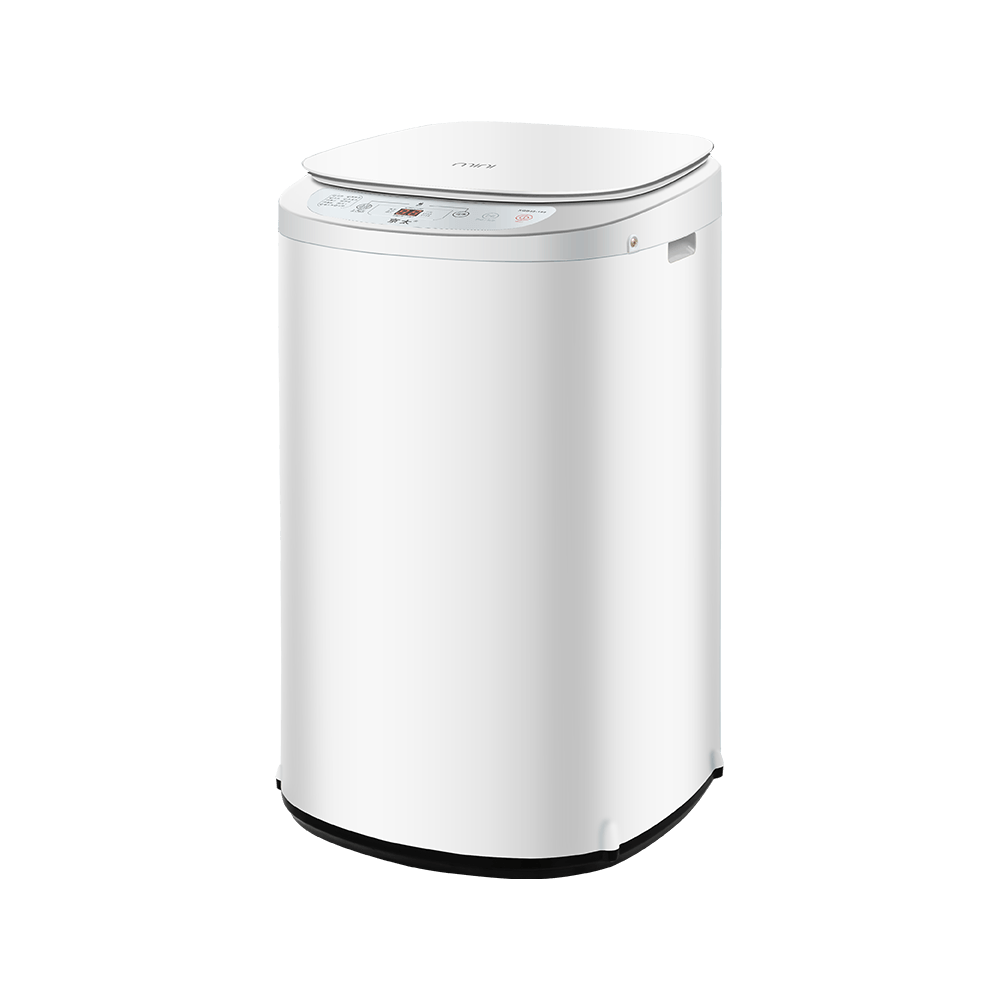
Buying a new washing machine used to be a straightforward decision: choose a size, pick a brand, and confirm whether it had a spin cycle. Modern automatic washing machines are different. They arrive with multiple sterilization technologies, touch controls, dryer integration, and a surprising range of capacity options that start as low as 1.5kg. For many households, the challenge is no longer finding a machine that washes clothes—it is deciding which combination of features actually deserves the budget.
The quick answer is this: a truly modern automatic washing machine is one that matches your household size, your laundry habits, and your hygiene expectations. Before you compare prices, you need to understand how sterilization technologies differ, whether a washer-dryer combo makes sense for your space, and which capacity level fits your daily routine rather than your occasional blanket-washing day.
Compared with machines from a decade ago, modern automatic washers have moved beyond simple drum rotation and detergent dispensing. Four major upgrades define the current generation:
Traditional washers relied on mechanical agitation and detergent to remove visible dirt. That approach still works for basic cleaning, but it does not fully answer the modern concerns of families with infants, allergy-sensitive members, or people who simply want fresher laundry. The most meaningful change in modern automatic washing machines is not the external design—it is the systematic way they respond to health-conscious washing needs.
This shift is visible across the industry. Ningbo, often called the "home appliance capital" of China, hosts manufacturers like Little Yellow Duck Electric Appliance that build entire product lines around different sterilization routes. When you browse a modern fully automatic washing machine lineup, you are not just looking at different drum sizes—you are comparing different approaches to the same health and convenience problem.
Sterilization is the most commonly misunderstood feature in modern washers. Terms like "high-temperature boiling," "blue light," and "ozone" appear across product listings, but each technology works differently and suits different washing scenarios. Understanding the principle behind each one will help you avoid paying for features you do not need—or missing the one that matters for your household.
High-temperature washing works by heating water to a high set point, using heat to help reduce bacteria and microbes on fabric. It is the most straightforward sterilization method in modern automatic washing machines because it does not rely on chemical additives or special light sources. The heat does the work.
This method is especially practical for:
There is one important limitation: delicate fabrics such as wool and silk should not go through a high-temperature cycle. Always check the care label before selecting this program. Manufacturers have developed protections against fabric damage, and you can learn more about how high-temperature washing protects clothes during the wash cycle if you want a deeper technical explanation.
Blue light sterilization uses a specific wavelength of light to help inhibit bacterial growth during the wash. Unlike high-temperature washing, it does not rely on heat, which makes it a milder option for everyday mixed loads. It is a practical complement to regular washing rather than a replacement for deeper cleaning.
Blue light works well for:
In compact and household washers, blue light has become a popular non-heat choice, and it is often paired with pollution-free drum designs to reduce the risk of secondary contamination. If you want to understand the mechanism in more detail, take a closer look at blue light washing technology. For a specific product example, the 1.5kg mini blue light sterilizing washing machine demonstrates how this technology fits into a compact form for small loads or single-item washing.
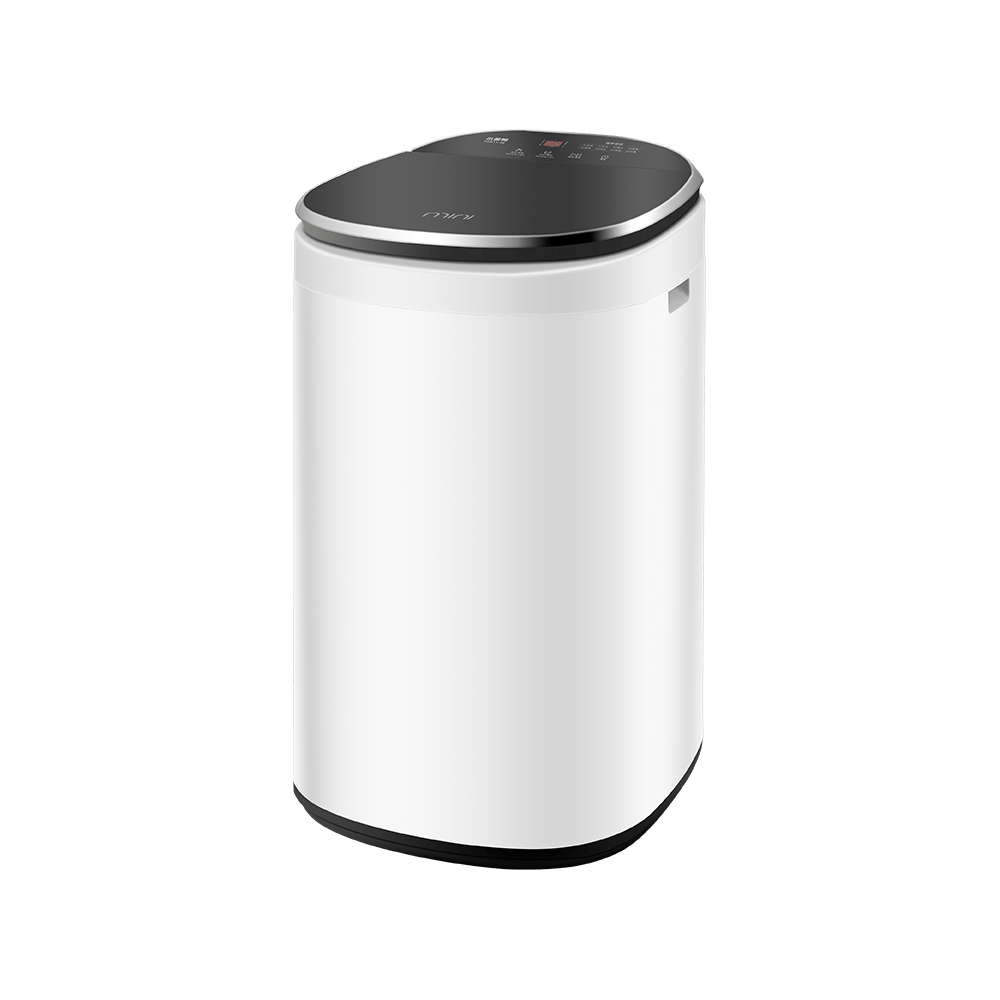 OEM/ODM XQB15-68C 1.5 kg mini blue light sterilizing washing machine Suppliers, Ningbo Zhijie Little Yellow Duck Electric Appliance Co.,Ltd is China OEM/ODM XQB15-68C 1.5 kg mini blue light sterilizing washing machine...View Product →
Ozone sterilization relies on the strong oxidizing properties of ozone to help break down odors and organic residues. Because ozone works effectively at low or ambient temperatures, it is a good match for fabrics that cannot tolerate high heat.
This technology suits:
A practical note: ozone cycles usually require a thorough rinse afterward to ensure no residue remains. Some modern machines combine ozone with high-temperature washing to create a dual sterilization route—this gives you the option to choose the gentle route for everyday loads and the deeper route for heavily soiled or odor-prone items.
The three technologies are not mutually exclusive. Many modern mid-range and premium automatic washers combine two or more approaches. Instead of asking which one is best, ask which combination matches your dominant washing scenarios.
Washer-dryer combos attract attention because they promise the convenience of washing and drying in a single machine. For the right household, they are genuinely practical. For others, the compromises outweigh the space savings.
The core advantages of a washer-dryer combo are straightforward: it saves floor space, requires only one installation point, and lets you move from dirty laundry to dry clothes without transferring a load. That is a meaningful benefit for small apartments and humid climates where air-drying is difficult.
However, there are trade-offs worth understanding before purchase:
Use this practical decision rule: if your living space is smaller than about 60 square meters or you have no dedicated space for a separate dryer, a washer-dryer combo is the smarter choice. If you regularly wash bulky bedding or prioritize fast, high-volume drying, separate machines will serve you better in the long run.
For households that fall into the first category, compact washing and drying machines are designed specifically for limited spaces. A good example is the 4.5kg household high-temperature washing and drying machine, which suits small and medium households that want both functions without occupying the space of two appliances.
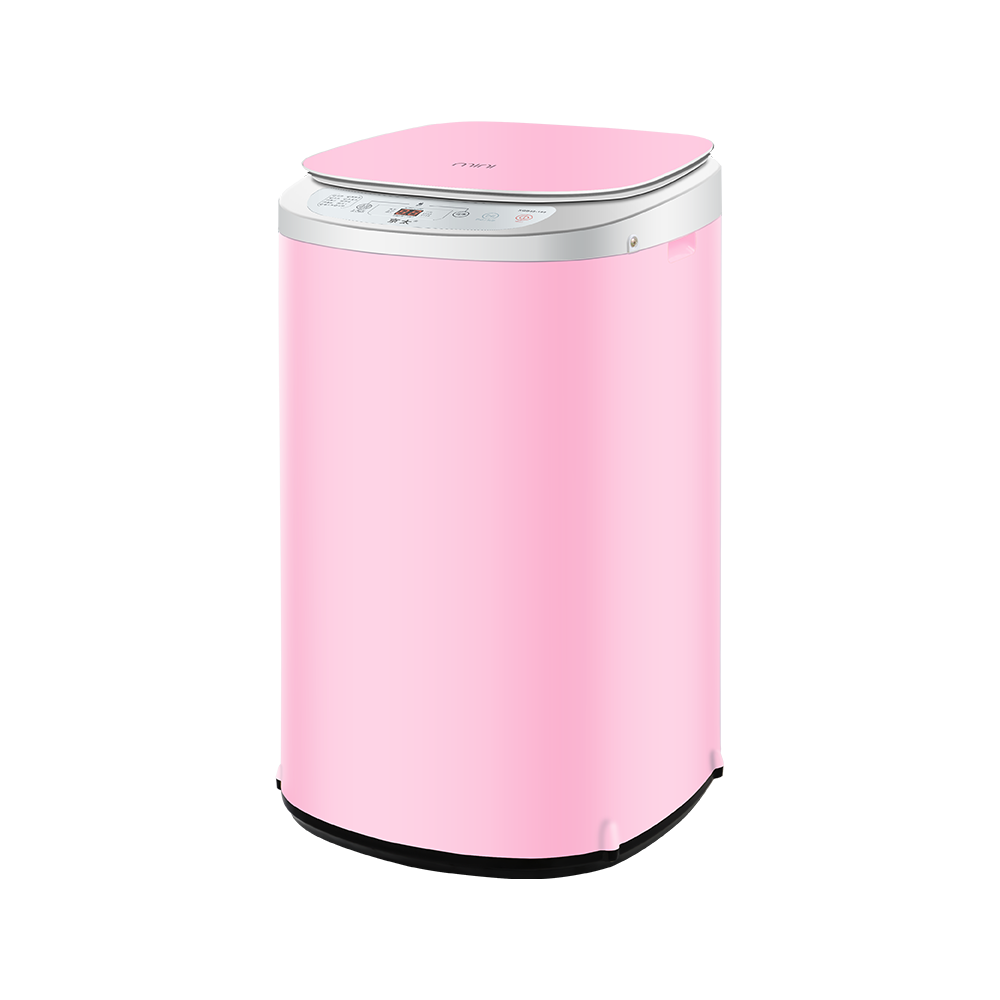 OEM/ODM XQB45-188H household fully automatic high-temperature washing and dryingNingbo Zhijie Little Yellow Duck Electric Appliance Co.,Ltd is China OEM/ODM XQB45-188H household fully automatic high-temperature washin...View Product →
Capacity is the first filter you should apply when choosing a modern automatic washing machine. The right capacity depends on your daily washing volume, not the occasional heavy-load week.
A practical framework looks like this:
Bigger is not automatically better. If you buy a machine far larger than your daily load, you will waste water and energy on under-filled washes. If you buy too small, you risk overloading the drum, which shortens the machine's lifespan and reduces cleaning quality.
Mini and portable models deserve a more serious look than many buyers give them. They are not just dorm-room novelties; they work well for small apartments, second homes, and families who want to separate sensitive laundry. The 2kg portable touch-screen washing machine with high-temperature washing is a clear example of how compact machines now include features like touch controls and heat-based sterilization—features once reserved for full-size washers.
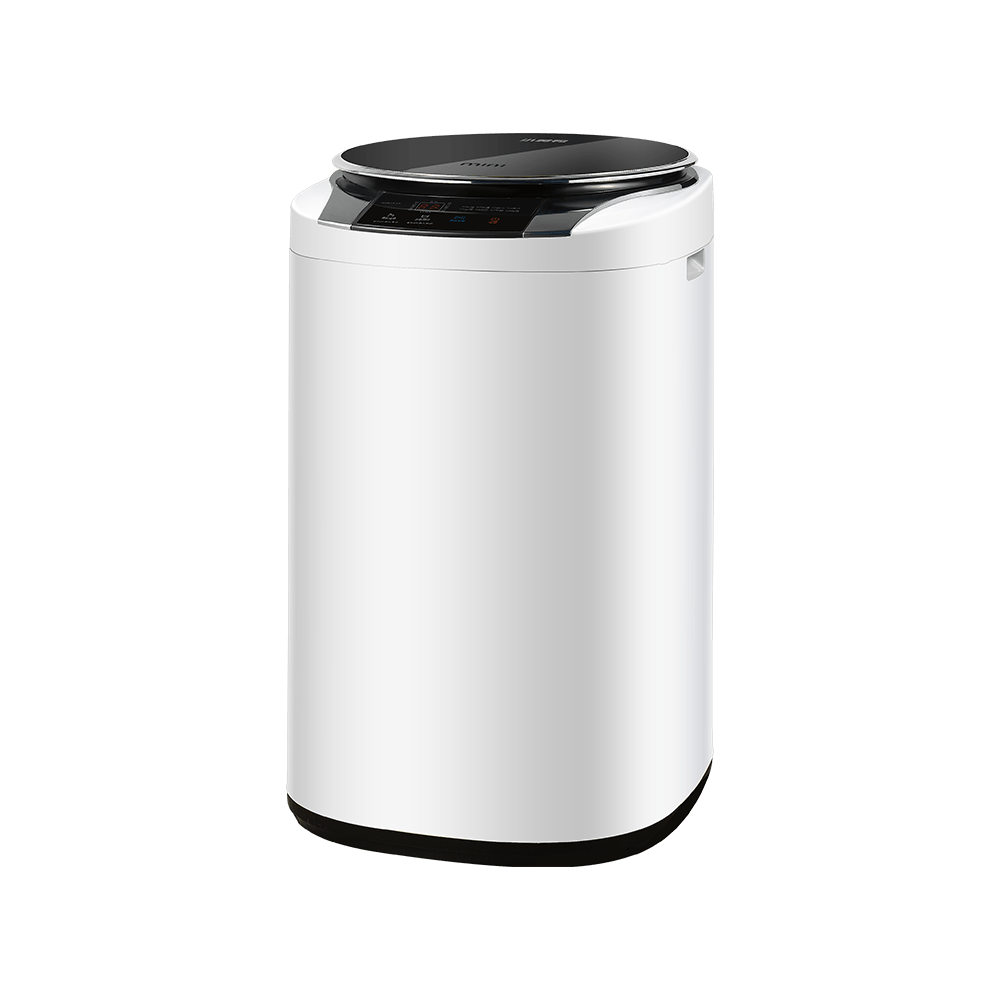 OEM/ODM XQB20-78 touch screen portable washing machine with high temperature wasNingbo Zhijie Little Yellow Duck Electric Appliance Co.,Ltd is China OEM/ODM XQB20-78 touch screen portable washing machine with high tem...View Product →
Modern washers come with a long list of optional features, and not all of them justify a higher price. Based on long-term use, these are the features that make the biggest difference:
When setting your budget, prioritize features that affect daily experience and long-term durability. Fancy connectivity and one-time gimmicks are less important than the drum material, program flexibility, and sterilization route you understand and will actually use.
A modern washer is an investment, and routine maintenance is simpler than many owners expect. These habits will keep the drum clean, prevent odors, and extend the machine's service life:
The right purchase decision follows a clear sequence: define your capacity range first, then choose the sterilization technology or combination that fits your laundry patterns, decide whether a washer-dryer combo solves a real space problem, and finally verify the practical features that support long-term use.
A modern automatic washing machine is not defined by any single specification. Its true value lies in whether the technology combination matches your household's real washing scenarios. A 2kg portable unit can be the perfect solution for one home, while a 4.5kg washer-dryer combo serves another family far better. The machines themselves are more capable than ever—the remaining task is aligning that capability with your daily routine.
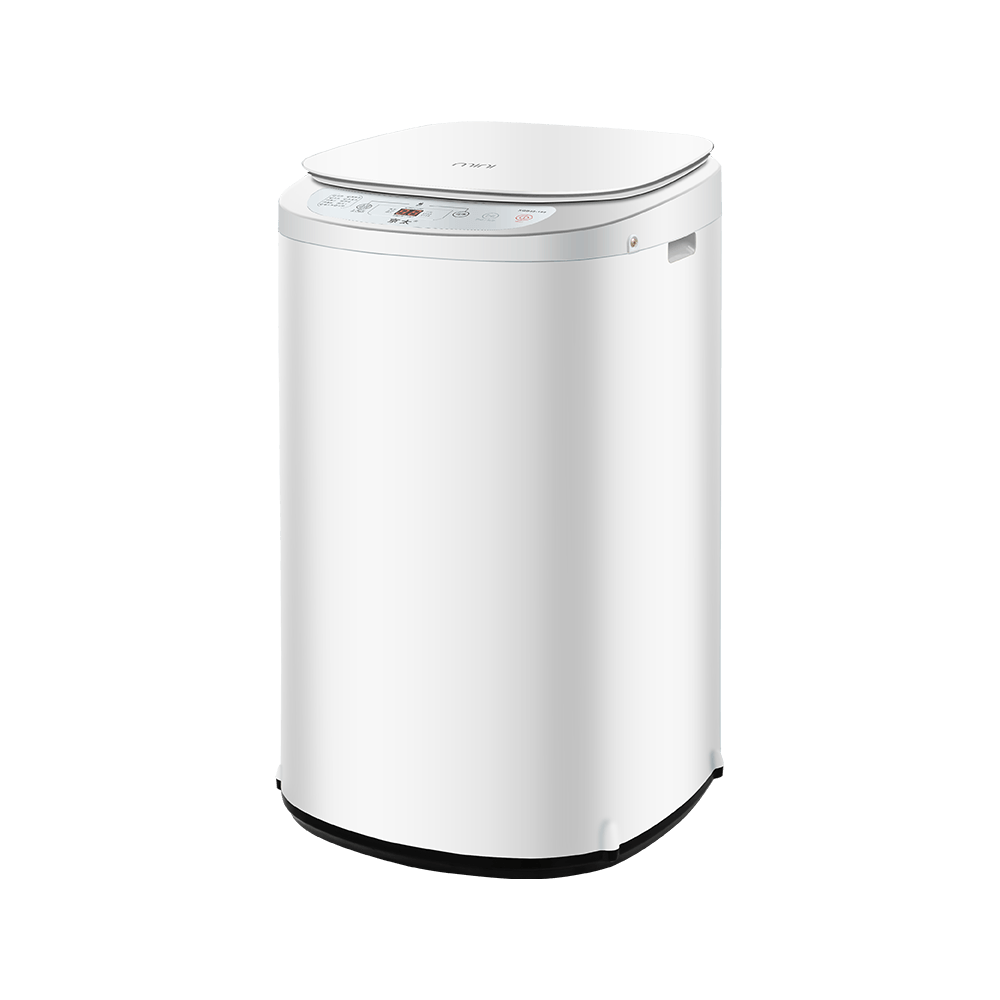
XQB45-188HM[Large capacity design to meet family needs]The 4... View More
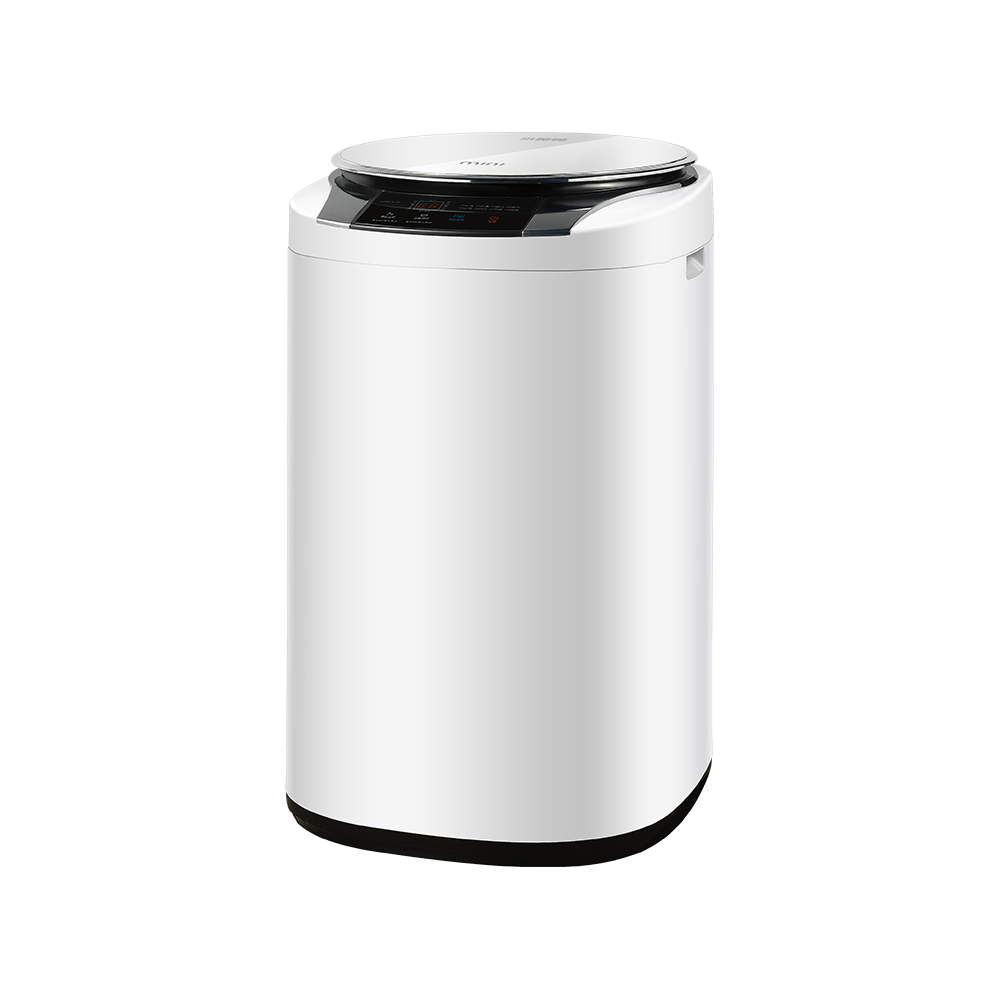
XQB35-166HM[Fashionable watch appearance, elegantly integrat... View More
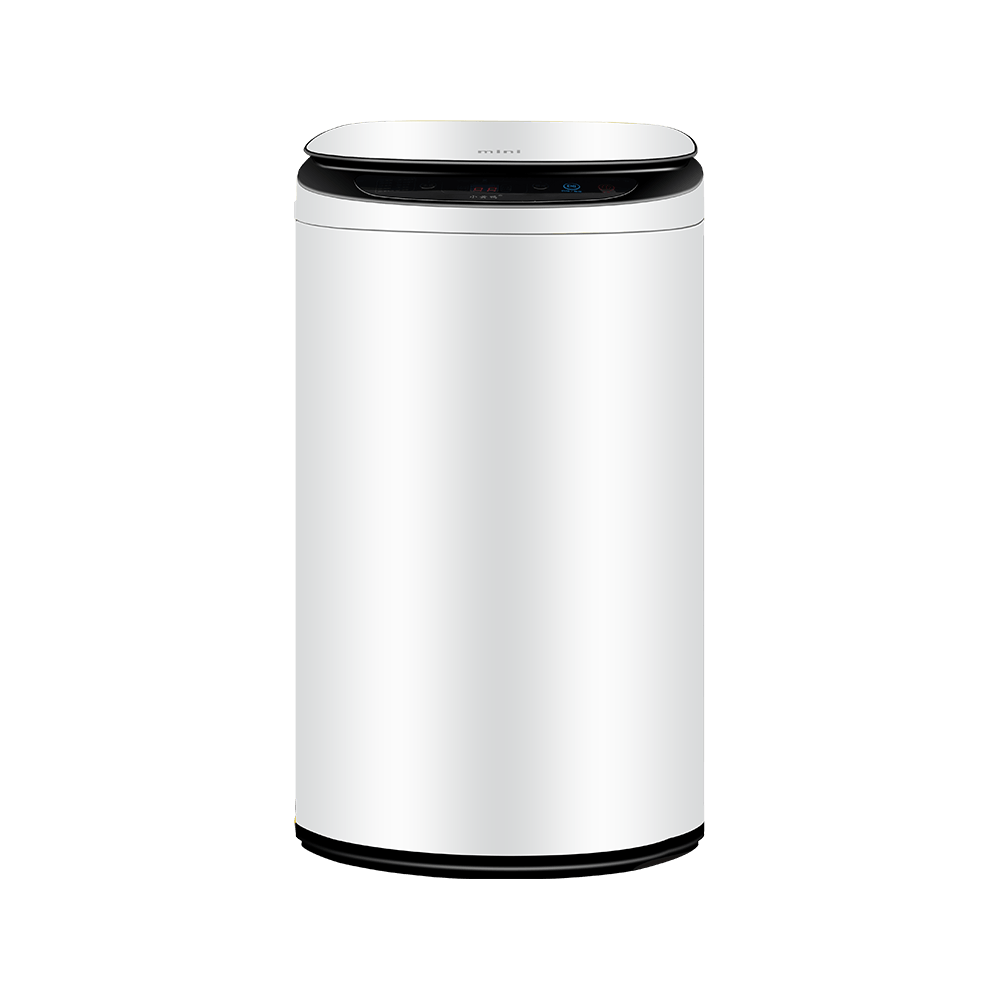
XQB35-188HMThis washing machine is based on innovative high-... View More
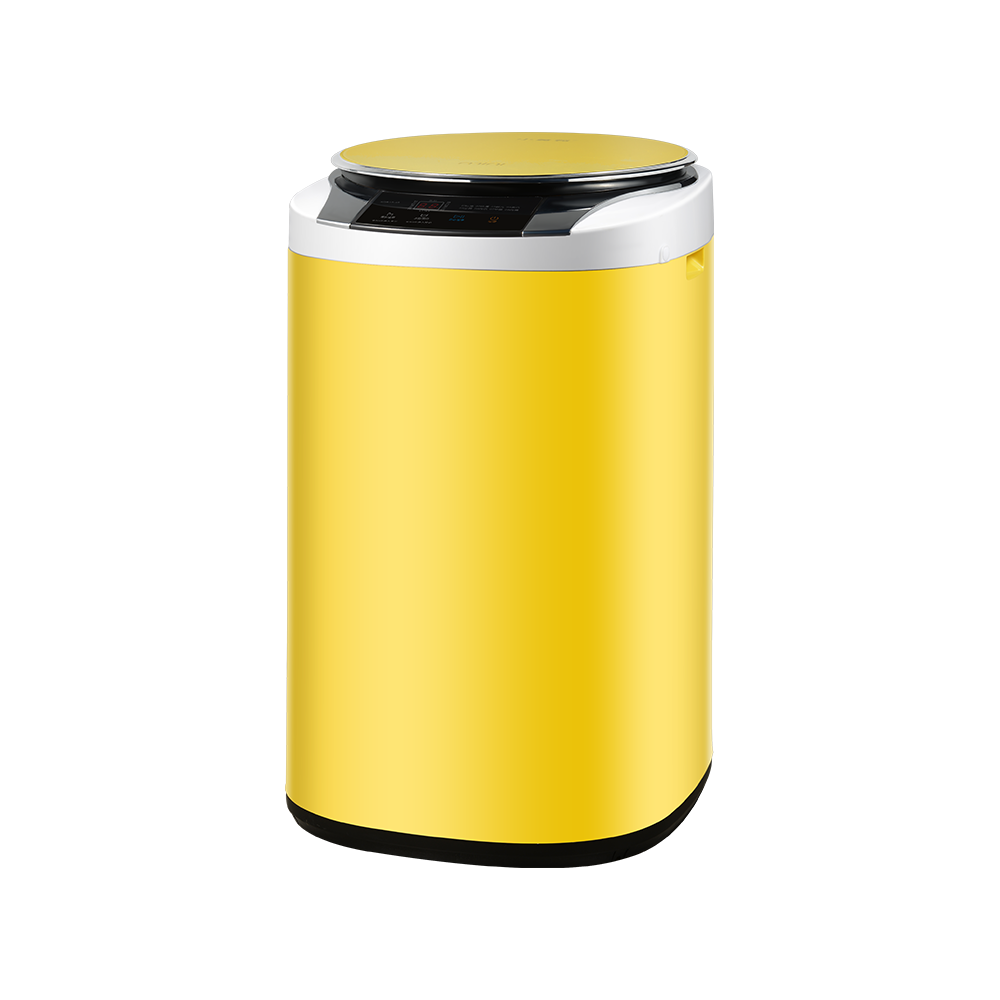
XQB35-655MLeading a new trend of healthy washing, integratin... View More

 Add: No.27 Hongwei Road, East Industrial Park, Guanhaiwei Town, Cixi City, Zhejiang Province, China
 Tel: +86-18520338190
 Tel: 400-8488-955
 Email: [email protected]
Copyright © Ningbo Zhijie Little Yellow Duck Electric Appliance Co., Ltd. All Rights Reserved.

Wholesale Fully Automatic Home Laundry Machine Manufacturers

 English
 عربى
عربى