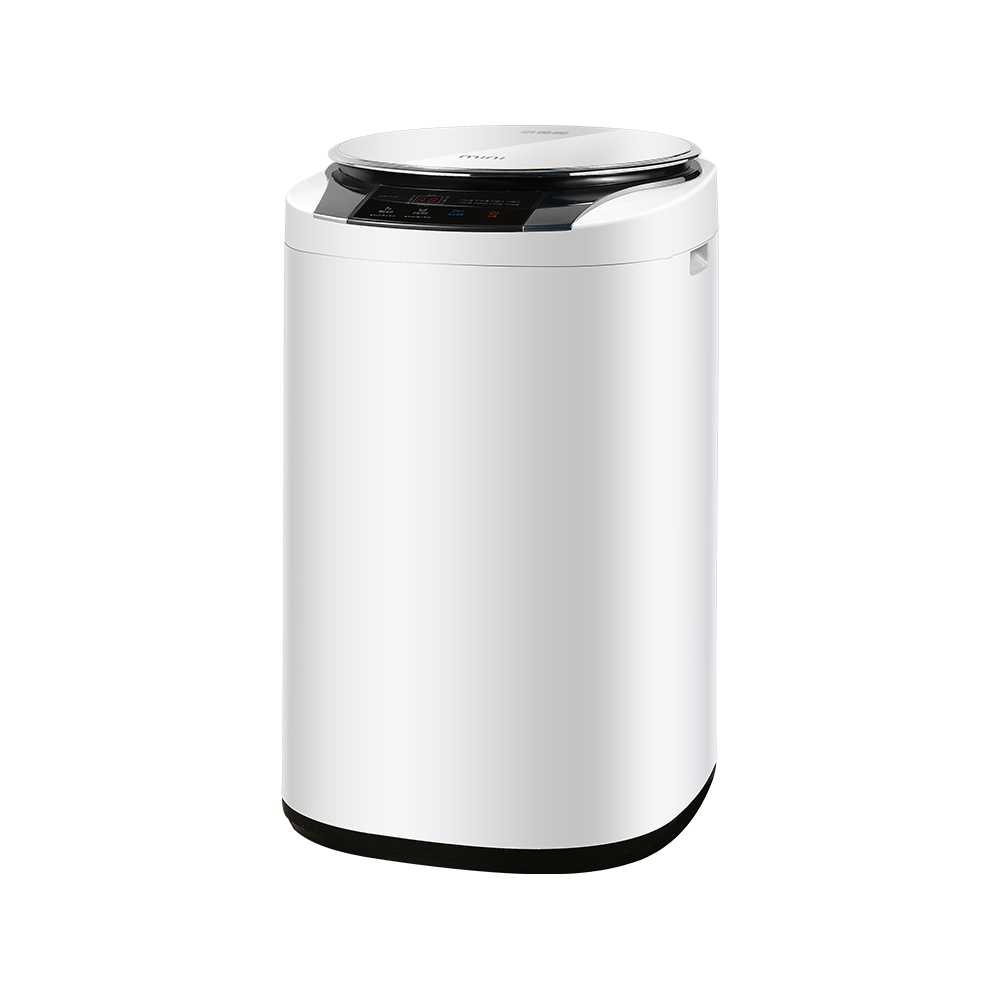
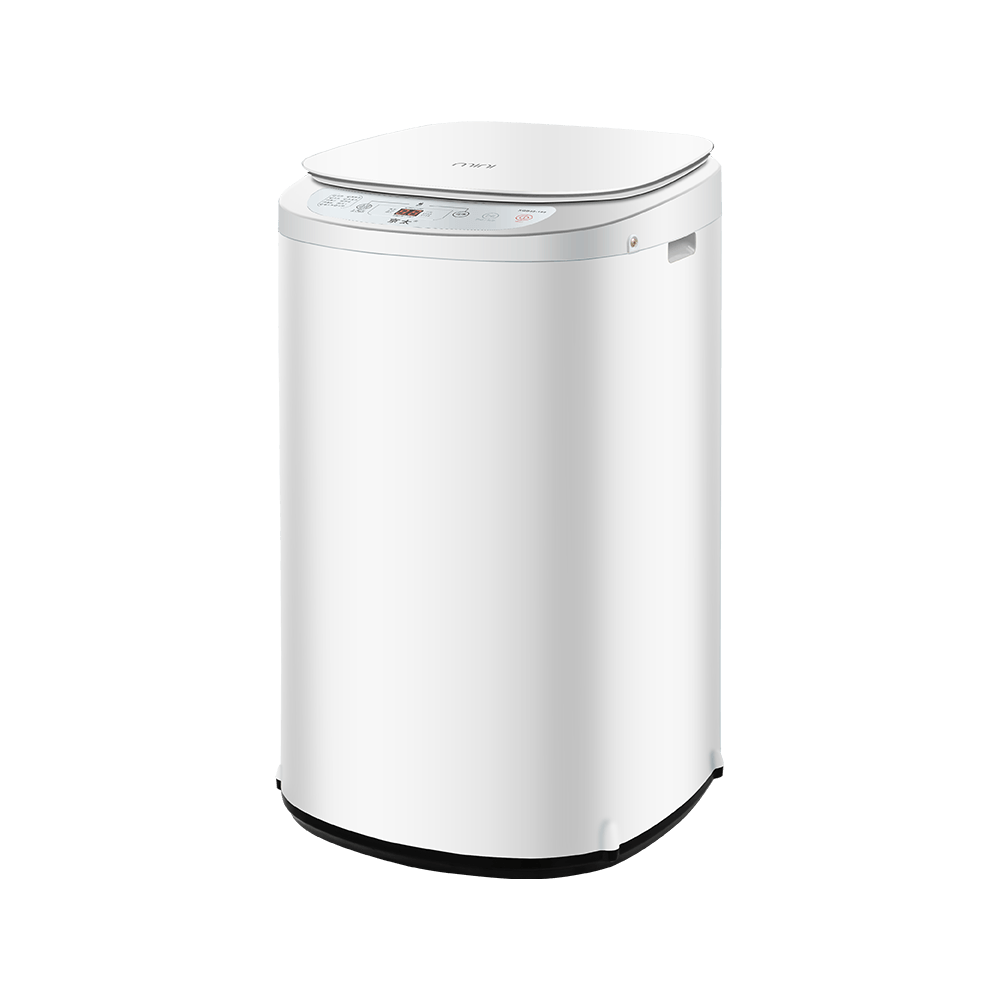
The ozone leak alarm integrated into a fully automatic high temperature ozone washing machine functions as a safety-oriented detection component designed to monitor gas concentration in real time. Ozone is commonly used in industrial and commercial washing equipment due to its oxidative cleaning properties, but it requires controlled usage because excessive exposure can affect indoor air quality. The alarm system receives signals generated by an ozone sensor that responds to changes in ambient ozone levels. Within a fully automatic high temperature ozone washing machine, the sensor is placed near gas circulation areas where leaks are more likely to be detected quickly. Its sensitivity depends on sensor type, calibration methods, and environmental factors such as humidity and airflow. By closely tracking ozone concentration, the alarm helps operators identify early signs of leakage and take required safety measures.
Ozone sensors in a fully automatic high temperature ozone washing machine are often of the electrochemical, semiconductor, or ultraviolet absorption type. Electrochemical sensors react to ozone through oxidation reactions, generating measurable electrical signals proportional to ozone concentration. Semiconductor sensors typically rely on metal oxide surfaces whose resistance varies when exposed to ozone. Ultraviolet-based sensors detect ozone by measuring absorption at specific wavelengths. Sensor selection influences detection range, accuracy, response time, and environmental adaptability. Manufacturers must choose sensors that are compatible with the internal heat and humidity generated by a fully automatic high temperature ozone washing machine. The choice of sensor also affects long-term sensitivity, meaning appropriate material and circuit protection must be applied to maintain stable operation over extended usage periods.
Calibration is necessary to ensure that an ozone leak alarm maintains its intended sensitivity. Inside a fully automatic high temperature ozone washing machine, environmental conditions fluctuate due to temperature cycles, humidity changes, and cleaning chemicals. These factors can affect the sensor’s baseline and response curve. Regular calibration helps restore accuracy by comparing the sensor’s output with known ozone concentration values. Technicians or automated calibration systems adjust the sensor’s internal parameters to correct deviations. Without proper calibration, the ozone leak alarm might produce false positives or delayed warnings, which compromises safety. Calibration intervals are determined by manufacturer recommendations, sensor type, and operating frequency of the fully automatic high temperature ozone washing machine. Some advanced systems include self-check routines that verify sensor stability during startup or idle periods.
Response speed determines how quickly the ozone leak alarm activates after detecting increased ozone levels. In a fully automatic high temperature ozone washing machine, the system must respond promptly to ensure gas dispersion does not exceed acceptable indoor limits. Sensor technologies vary in response times, with electrochemical sensors generally providing rapid activation, while semiconductor sensors may require slightly longer periods to stabilize readings. Response speed also depends on the internal airflow patterns and the placement of the sensor within the machine. Proper placement helps ensure that the alarm detects gas changes near leak-prone areas such as seals, tubing joints, or ozone generation chambers. Faster response rates help maintenance personnel intervene earlier, reducing exposure risks and potential damage to machine components.
Environmental conditions influence how sensitively the ozone leak alarm operates inside a fully automatic high temperature ozone washing machine. High humidity can interfere with certain sensor materials, causing slower reaction times or temporary saturation. Temperature fluctuations inside the machine may lead to signal drift if the sensor is not protected with thermal compensation mechanisms. Airflow patterns determine how quickly ozone reaches the sensor, making it necessary for the internal air channels to be well designed. Dust accumulation, cleaning detergents, and vapor residues may also influence sensor behavior. Manufacturers must account for these variables by using sensor housings, filters, or moisture-resistant coatings to maintain consistent alarm sensitivity in different working environments.
A fully automatic high temperature ozone washing machine incorporates structural elements that support leak detection. Internal ozone pipelines are usually sealed with durable materials to minimize leakage risks. Yet, the machine includes strategic ventilation paths that help circulate air around the sensor, helping it detect abnormal ozone levels more effectively. Panels and compartments are designed to channel gas flow in predictable patterns so the sensor receives representative readings. These design features work in combination with the ozone leak alarm to ensure that the system captures concentration changes within short time periods and provides reliable indications of potential leakage.
The selection of detection technology plays an important role in determining the overall sensitivity of an ozone leak alarm. A comparative table illustrates the features associated with commonly used sensors in a fully automatic high temperature ozone washing machine.
| Sensor Type | Detection Principle | Advantages in a Fully Automatic High Temperature Ozone Washing Machine |
| Electrochemical | Oxidation reaction producing electrical signals | Quick response time and stable readings under moderate humidity |
| Semiconductor | Resistance changes on metal oxide surfaces | Cost-effective and suitable for continuous monitoring |
| Ultraviolet Absorption | Absorption of UV light at specific wavelengths | High precision suitable for environments with fluctuating ozone levels |
Maintenance is necessary for preserving the sensitivity of ozone detection systems. A fully automatic high temperature ozone washing machine generates heat, moisture, and particles that may affect the sensor surface. Regular cleaning of the sensor housing, inspection for residue buildup, and verification of wiring integrity help maintain stable performance. Software diagnostics may be included, allowing the machine to display warning messages if the sensor’s output becomes inconsistent. Maintenance teams typically follow procedures recommended by the manufacturer to check the alarm’s functioning during scheduled servicing. Proper maintenance practices preserve the responsiveness and sensitivity of the ozone leak alarm, minimizing long-term sensor drift.
Air circulation inside a fully automatic high temperature ozone washing machine influences how effectively ozone reaches the sensor. Ventilation pathways direct airflow around the internal chamber, ensuring that the ozone leak alarm receives timely exposure to any changes in gas levels. Insufficient airflow might delay detection, while overly strong currents could dilute ozone concentrations before reaching the sensor. Optimized airflow helps provide consistent readings that reflect real conditions. For example, fans integrated into the circulation chamber distribute ozone evenly during disinfection cycles, and the same airflow paths help carry residual ozone to the sensor. Designers balance these factors to maintain sensitivity without interfering with washing performance.
The sensitivity of the ozone leak alarm is governed not only by the sensor but also by the signal processing algorithms. Within a fully automatic high temperature ozone washing machine, microcontrollers interpret sensor signals and compare them with preset thresholds. Signal filtering helps reduce noise caused by humidity variation, temperature fluctuation, or mechanical vibration. Threshold adjustment allows the system to differentiate between normal ozone levels for washing cycles and abnormal leaks. Alarm algorithms are designed to avoid false alarms while still providing timely warnings. Through proper threshold settings, the fully automatic high temperature ozone washing machine can respond appropriately to even minor concentration increases when necessary.
Prolonged operation challenges the long-term sensitivity of the ozone leak alarm. Heat cycles, frequent ozone exposure, and water vapor may cause gradual wear on sensor materials. A fully automatic high temperature ozone washing machine must therefore use components designed for extended service life. Some systems incorporate sensor protection layers or sealed casings that shield sensitive elements from condensation. Others integrate fail-safe logic that prompts maintenance when performance drops. These measures help ensure that sensitivity does not decline sharply over time, supporting continuous safety monitoring throughout the equipment’s lifespan.
Before entering the market, a fully automatic high temperature ozone washing machine usually undergoes factory-level inspections to verify that the ozone leak alarm functions as intended. Quality control staff use calibration gases to simulate leakage conditions and confirm that the sensor responds at appropriate concentration levels. Stress testing exposes the machine to heat, humidity, and repeated ozone cycles to evaluate whether detection performance remains stable. Any deviations detected during factory testing help manufacturers refine sensor placement, airflow design, or software settings. Quality control plays an essential role in establishing baseline sensitivity for the ozone leak alarm.
Multiple factors influence how sensitively the ozone leak alarm detects gas changes inside a fully automatic high temperature ozone washing machine. These factors include sensor type, calibration frequency, environmental conditions, and signal-processing algorithms. The following table summarizes these influences for additional clarity.
| Influence Factor | Description | Impact on Sensitivity |
| Sensor Technology | Type and structure of the ozone sensor | Determines baseline accuracy and response time |
| Calibration Routine | Scheduled recalibration and verification steps | Prevents signal drift and maintains accuracy |
| Environmental Conditions | Temperature, humidity, and airflow characteristics | Affects sensor reaction and signal stability |
| Signal Processing | Filtering and threshold control algorithms | Helps differentiate normal operation from leaks |
The ozone leak alarm is integrated with the broader control interface of a fully automatic high temperature ozone washing machine. When ozone concentration exceeds safe levels, the alarm system may trigger audible alerts, halt washing cycles, activate ventilation systems, or display warning messages. Integration with machine software helps ensure coordinated responses that protect both operators and equipment. By linking leak detection with machine control, the system ensures that ozone disinfection functions proceed with minimized risk. This coordination allows the fully automatic high temperature ozone washing machine to maintain high safety standards during operation.
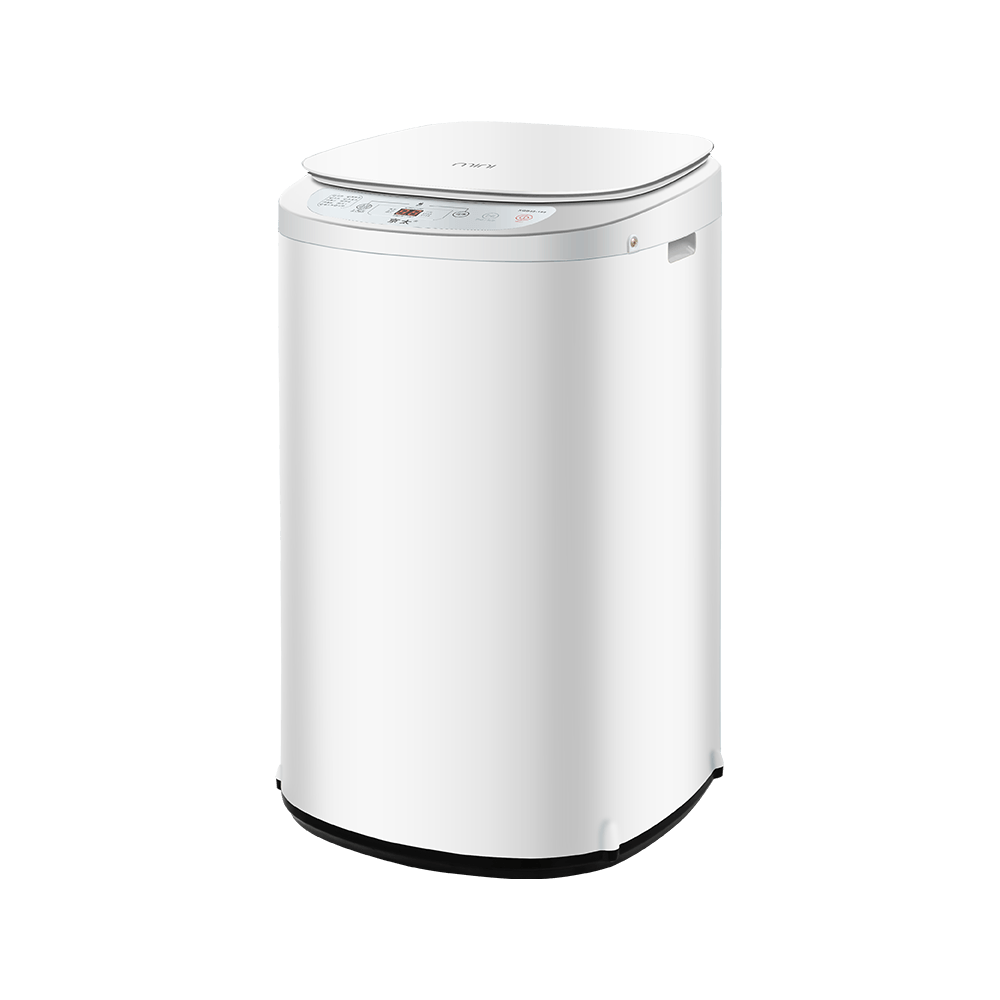
XQB45-188HM[Large capacity design to meet family needs]The 4... View More
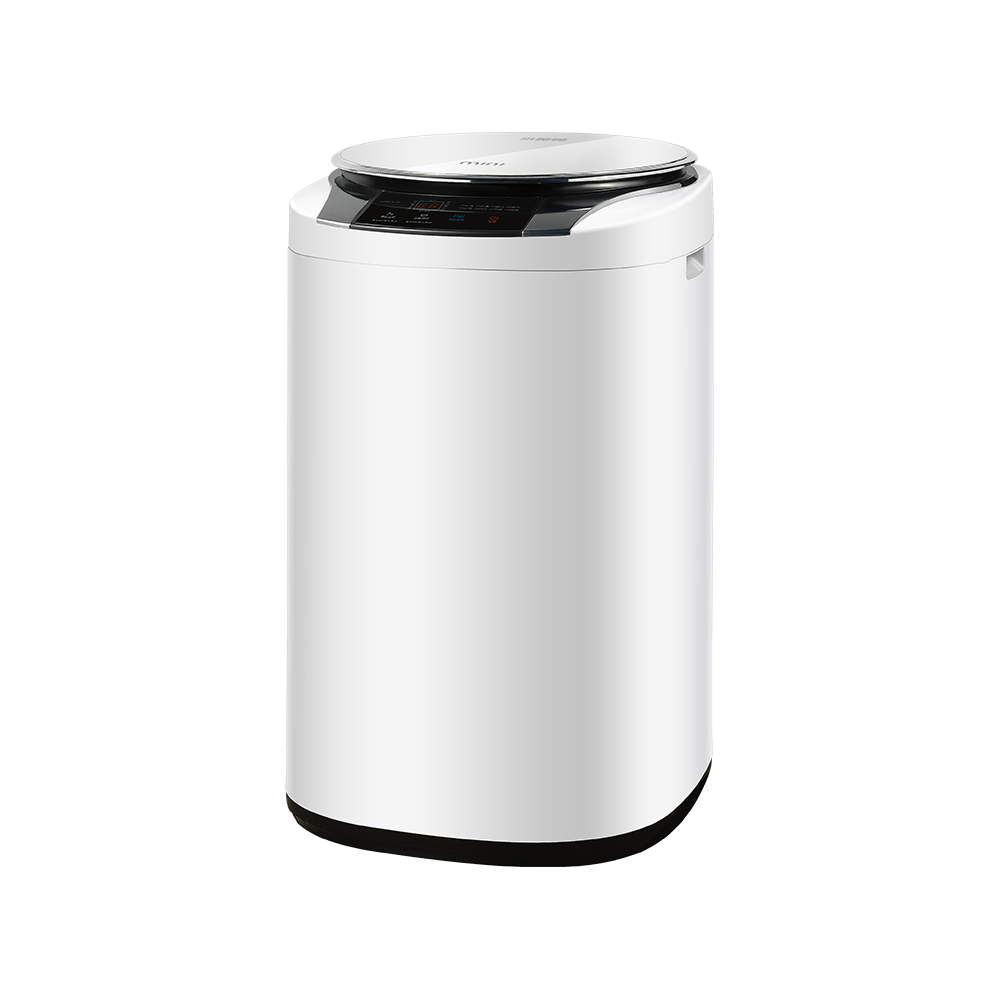
XQB35-166HM[Fashionable watch appearance, elegantly integrat... View More

XQB35-188HMThis washing machine is based on innovative high-... View More

XQB35-655MLeading a new trend of healthy washing, integratin... View More

 Add: No.27 Hongwei Road, East Industrial Park, Guanhaiwei Town, Cixi City, Zhejiang Province, China
 Tel: +86-18520338190
 Tel: 400-8488-955
 Email: [email protected]
Copyright © Ningbo Zhijie Little Yellow Duck Electric Appliance Co., Ltd. All Rights Reserved.

Wholesale Fully Automatic Home Laundry Machine Manufacturers

 English
 عربى
عربى