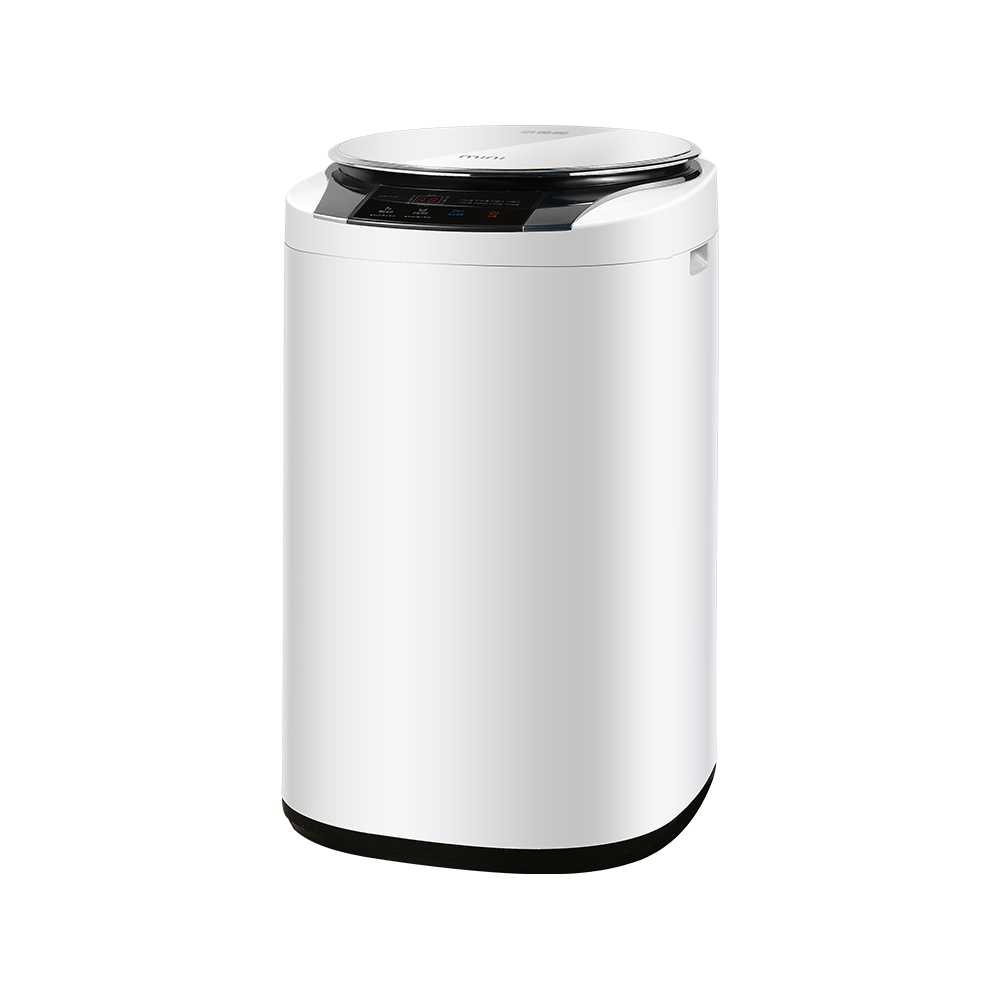
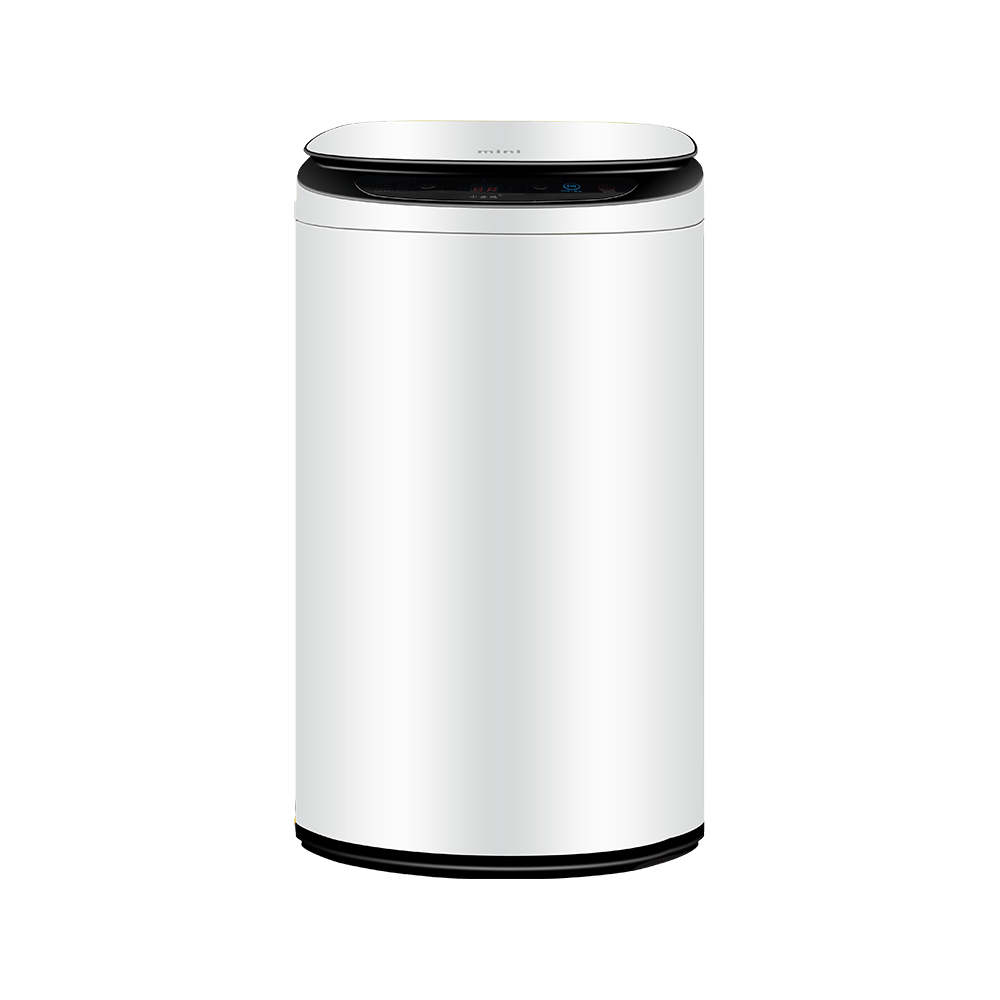
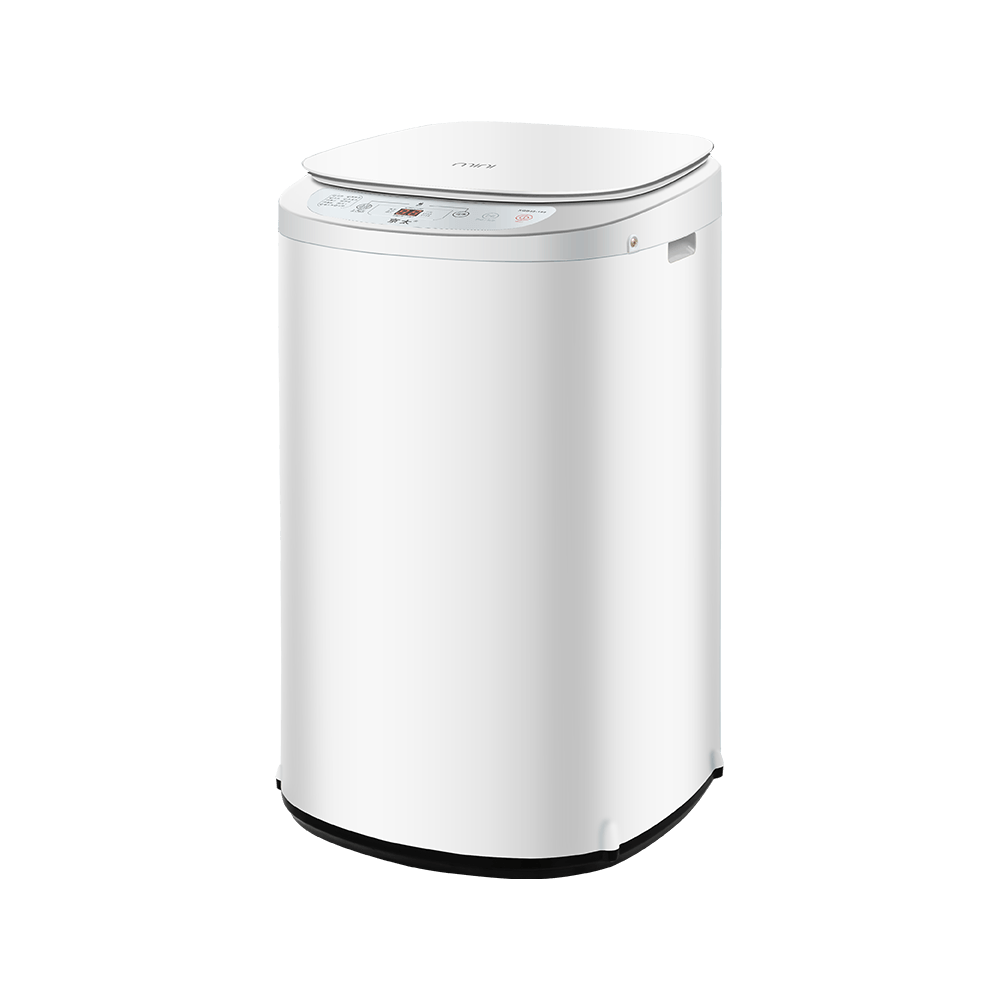
Two household washing machines can sit side by side with the same 4.5 kg rated drum, the same stainless steel inner tub, and almost the same price, yet suit completely different homes. The gap almost always comes down to three decisions: the capacity band the machine was engineered for, the sterilization route it uses — high-temperature boiling, blue light, or ozone — and whether the drum stays clean between washes. Settle those three first, and the rest of the list (top load or front load, drying or no drying, buttons or a touch screen) becomes a quick filter rather than a compromise.
In real product lines, the household label starts around 3.5 kg and runs to 5.6 kg. Anything at 1.5 kg or 2 kg is normally sold as mini or portable, and that difference is structural rather than decorative: drum volume, motor torque, water inlet, and drain diameter are all sized for a different job.
A 3.5 kg machine fits one or two people washing every other day. A 4.5 kg drum covers a small family plus the weekly towel load. A 5.6 kg unit is the large-capacity end that takes bedding and bulky items. The useful question is not how many people live in the house but what the heaviest single wash of the week weighs, because one drum size is often reused across several technologies: a manufacturer such as Ningbo Zhijie Little Yellow Duck builds the same 3.5 kg and 4.5 kg drums for its high-temperature range, its blue light range, and its ozone range, so an experienced buyer compares the drum first and the feature list second.
Bar length is proportional to rated drum capacity, with the 5.6 kg unit as the reference maximum. Capacity also decides where the machine can live. A 1.5 kg or 2 kg unit can sit on a countertop, in a bathroom corner, or in the back of a car for travel use, while 4.5 kg and 5.6 kg models need floor space, a fixed drain, and a level surface. One warning about the number itself: rated capacity is measured with a standard load, not with wet quilts. If your weekly laundry leans toward bulky items, size up one band instead of running two half-loads, because a part-filled drum uses nearly the same water and electricity as a full one.
On household machines from 3.5 kg upward, top load remains the common layout in many export configurations. It fits a narrower footprint, lets you add a forgotten item mid-cycle, and drains by gravity. Front load designs move laundry with a tumbling action, which is easier on fabric and usually uses less water per kilogram, but they need clearance in front of the door and generally cost more at the same capacity.
Control placement is a purchase consideration, not a detail. A rear-button model is easier to reach when the machine stands on the floor; a front-button or touch screen unit works better under a counter, where the top panel is hard to see. Program counts sell well on a spec sheet, but the machines people keep enjoying are the ones where the daily quick wash sits one press away — which is why a unit with ten washing modes and a simple panel usually beats a unit with twenty modes buried three menus deep.
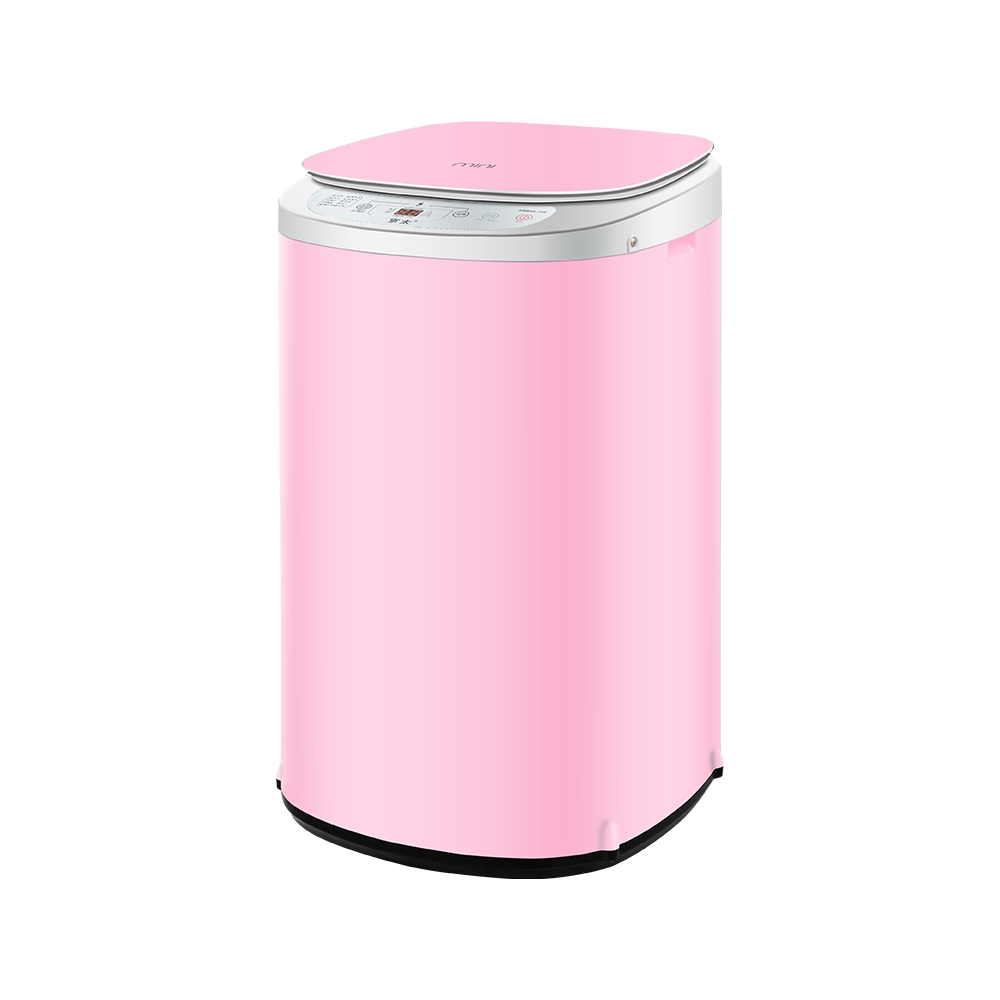 XQB45-188 4.5 kg High-Temperature Fully Automatic WasherA 4.5 kg fully automatic high-temperature washer with 10 modes, stainless steel drum, self-cleaning, and simple one-button operation for daily household hygiene.View Product →
Hygiene has quietly become the second deciding factor for household buyers, and three routes cover most of the market. Each one solves a different problem.
| Route | Wash temperature | Best suited to | What to check |
|---|---|---|---|
| High-temperature boiling | Heated to near boiling | Cotton, linen, towels, baby laundry | Energy label and fabric care instructions |
| Blue light | Ambient | Mixed family loads, colored and elastic garments | Cycle duration and drum movement |
| Ozone | Cold water | Delicates, items that shrink in heat | Full rinse cycle and ventilation after use |
The practical difference shows up in a specific scenario. If a household separates baby clothes, underwear, and gym wear from general laundry, high temperature handles the toughest hygiene load but limits which fabrics can go in. If one drum has to cope with mixed family laundry every day, blue light or ozone keeps more garments washable in a single cycle. If you want the working principle rather than the marketing line, this explanation of blue light washing machine technology covers how exposure time and drum movement combine inside the cycle.
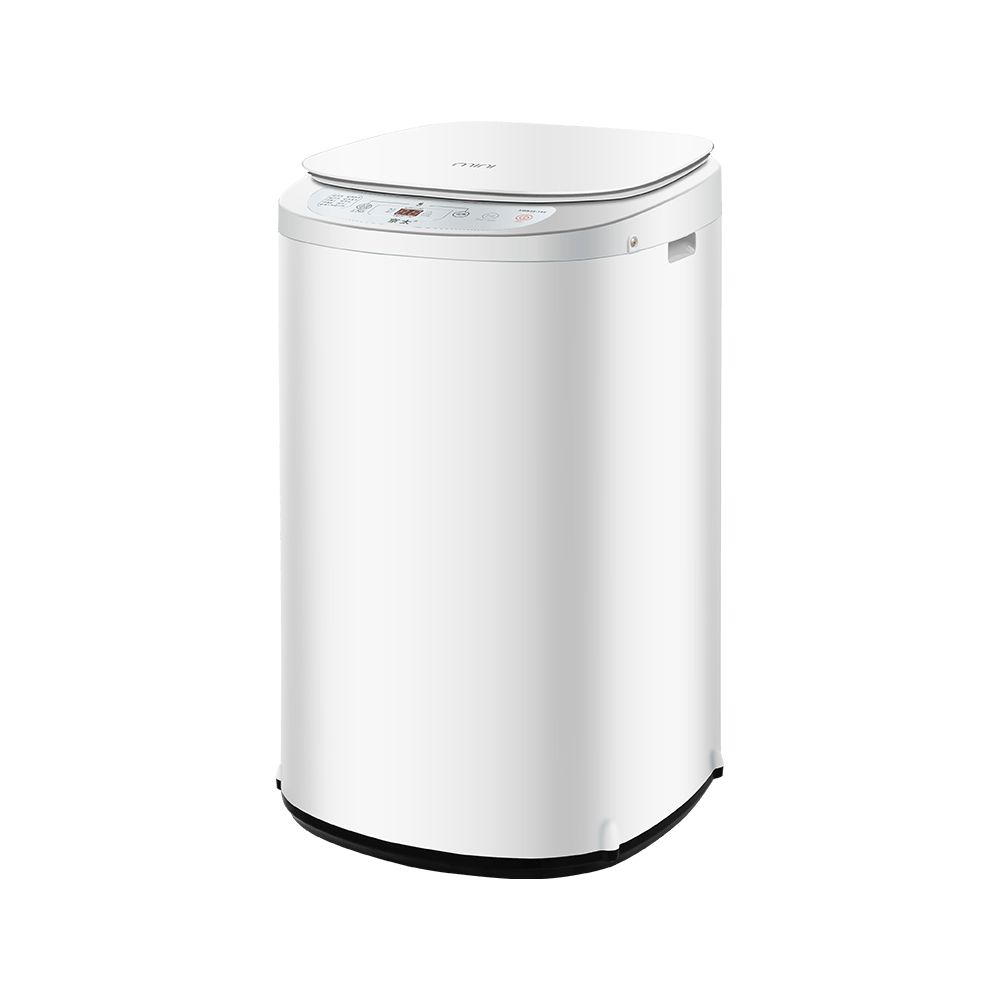 XQB45-699M 4.5 kg Blue Light Pollution-Free WasherA 4.5 kg fully automatic blue-light washer with pollution-free drum design, self-cleaning, touch controls, automatic fabric adjustment, and app remote operation.View Product →
A washer-dryer combination removes one chore from the week: moving wet laundry to a second appliance. On a household machine, treat drying as a capacity decision of its own. Dense cotton holds water and takes the longest, so a full wash load often has to be split before drying, while light synthetic items usually dry in a single pass. Choosing the drying version of the machine you already picked for washing capacity is normally simpler and cheaper than buying two appliances, as long as you accept a smaller drying batch.
Pollution-free design addresses the gap between the inner and outer drum, the space where lint, detergent residue, and biofilm collect and can return to the next load. A pollution-free structure is meant to keep that area rinsed and to reduce the chance of carrying dirt from one wash to the next. This matters most in humid climates, where the drum does not dry out fully between cycles, and in households washing baby clothes, underwear, or sportswear.
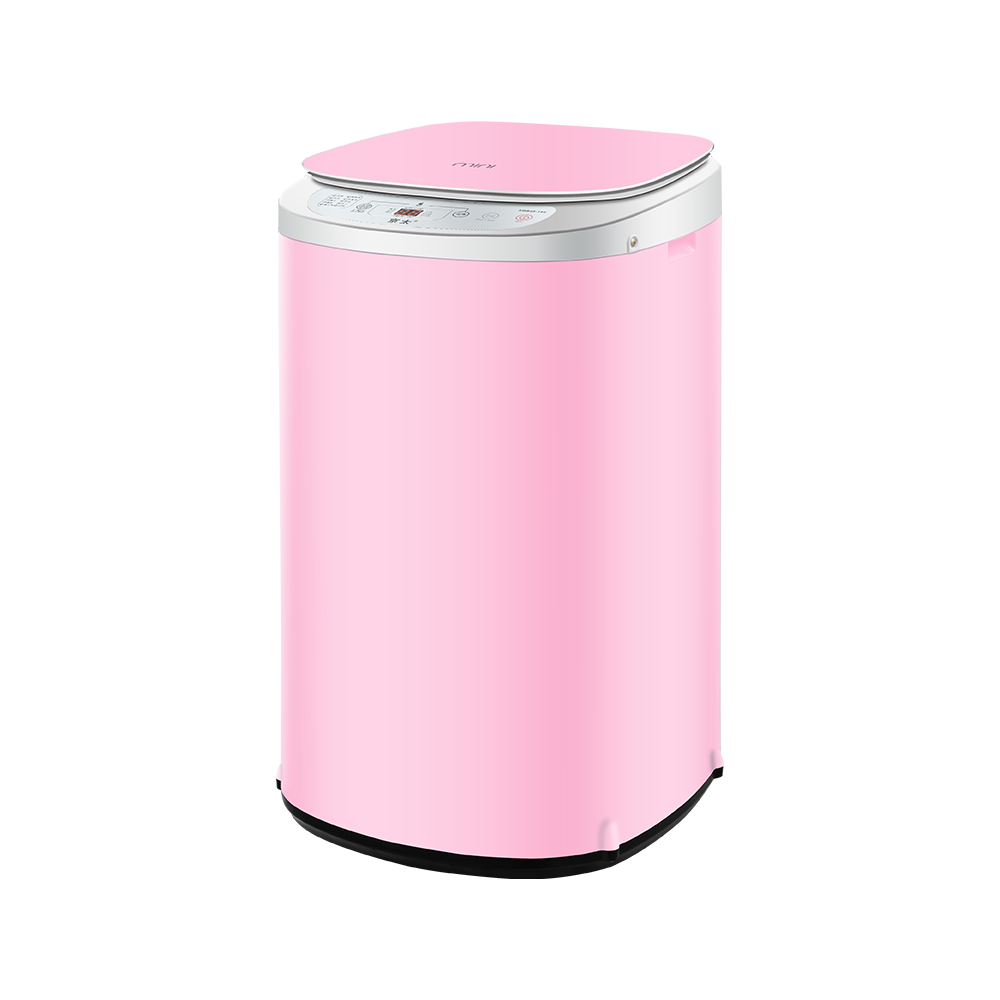 XQB45-699HM 4.5 kg Pollution-Free Washer-Dryer ComboA 4.5 kg fully automatic washer-dryer with pollution-free drum-to-drain design, integrated drying, one-button operation, and energy-saving water use for compact households.View Product →
Most disappointing purchases start at the spec sheet, not at the machine. Six lines are worth checking closely.
| Specification | What to verify | Common risk |
|---|---|---|
| Rated capacity | Whether the figure is measured with a standard dry load | A 4.5 kg machine that feels smaller with quilts |
| Voltage and frequency | That the unit matches the voltage and frequency used in your market | Weak heating performance or an unusable plug |
| Wash programs | That your two daily cycles are directly selectable | Paying for modes you never reach |
| Drum material | Stainless steel inner drum rather than a coated alternative | Odor retention and a shorter service life |
| Sterilization route | High temperature, blue light, or ozone, matched to your fabrics | Heat damage to delicates or a cold cycle that under-performs |
| Drain and inlet fittings | Hose length and diameter for your installation space | Extra plumbing cost after delivery |
Buyers ordering in volume face a different set of risks. Confirm that the model code printed on the sample matches the code on the carton and in the manual, that the control panel language and voltage match the destination market, and that consumable parts such as the drain hose, inlet filter, and lid switch can be reordered. Ask one more question: whether the same drum capacity is shared across several sterilization versions. When it is, spare parts stay simple and a distributor can build a full household range from a single production line.
Three questions, asked in order, narrow the field faster than any feature comparison.
Capacity, sterilization, and drum cleanliness explain most of the difference between two machines that look identical on a shop floor. Get those right and the rest — control panel position, program count, color, styling — becomes a matter of preference. Get them wrong and a 4.5 kg household washing machine with the longest feature list on the shelf is still the wrong machine for the laundry you actually do.
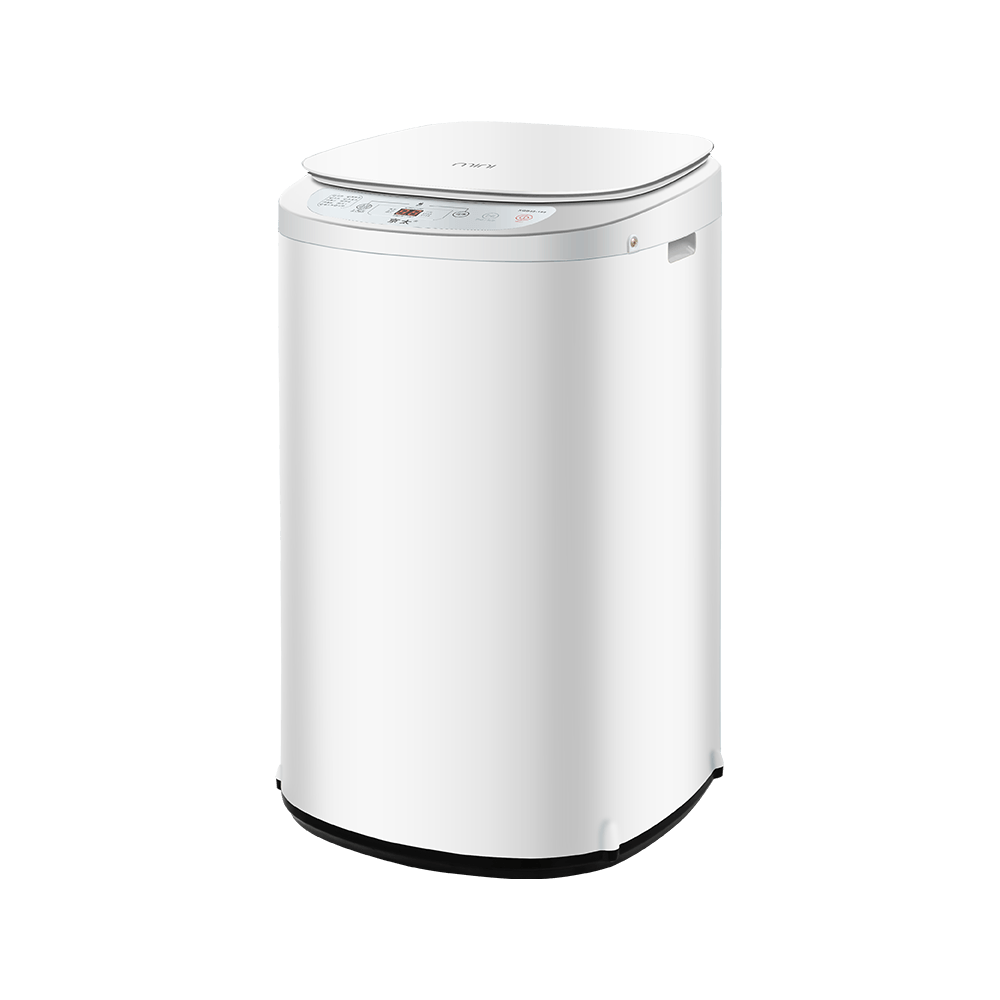
XQB45-188HM[Large capacity design to meet family needs]The 4... View More
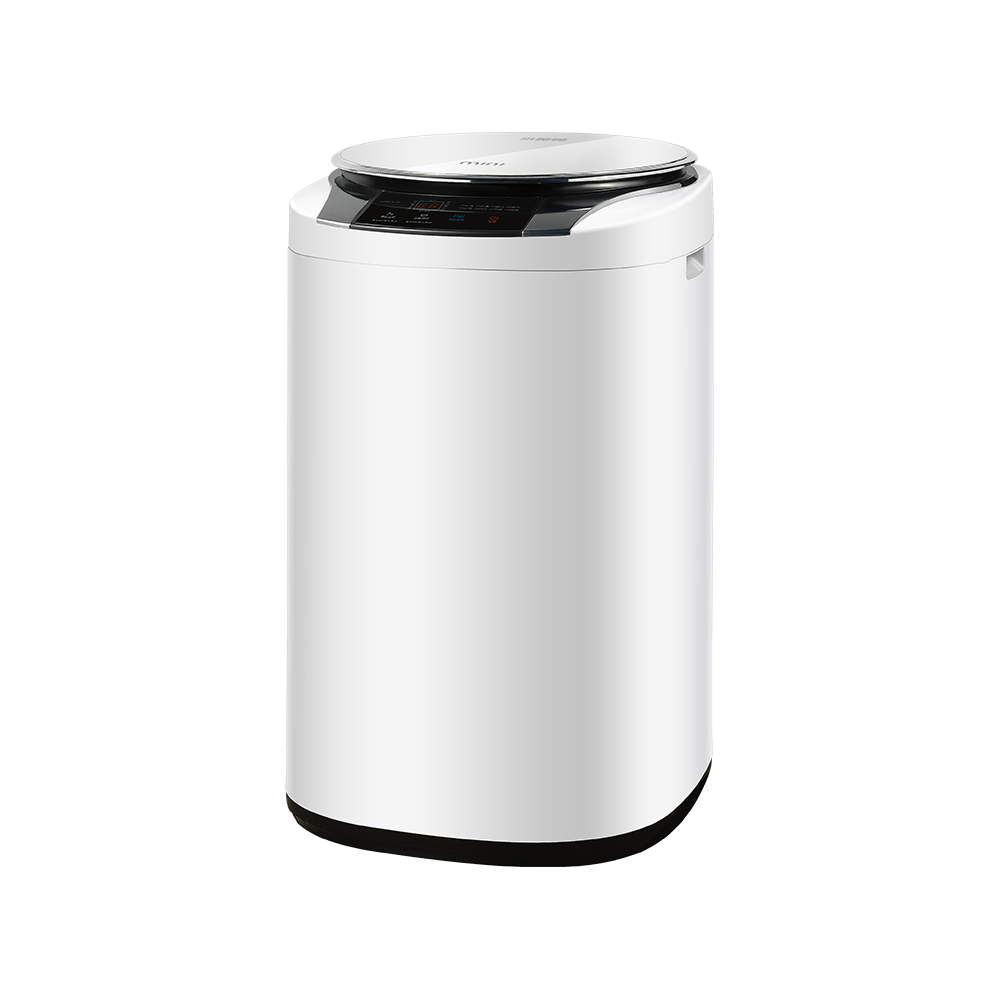
XQB35-166HM[Fashionable watch appearance, elegantly integrat... View More
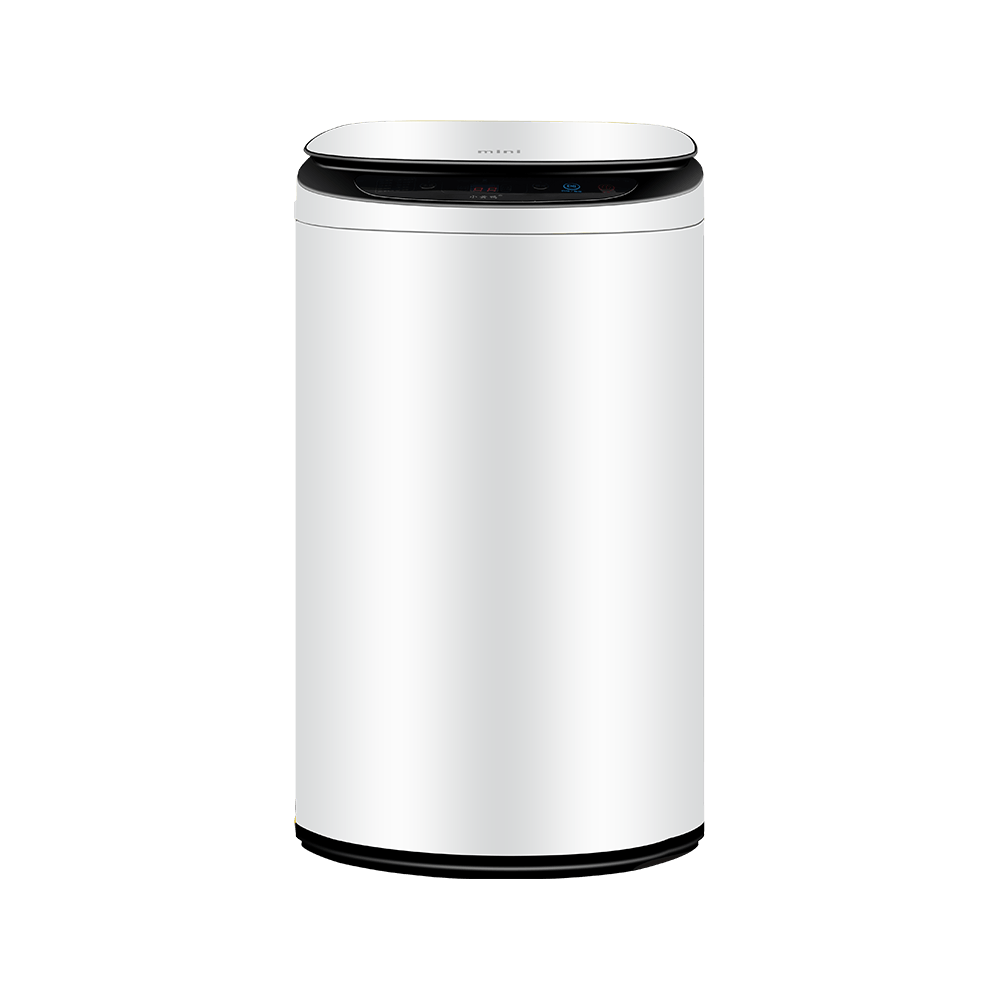
XQB35-188HMThis washing machine is based on innovative high-... View More
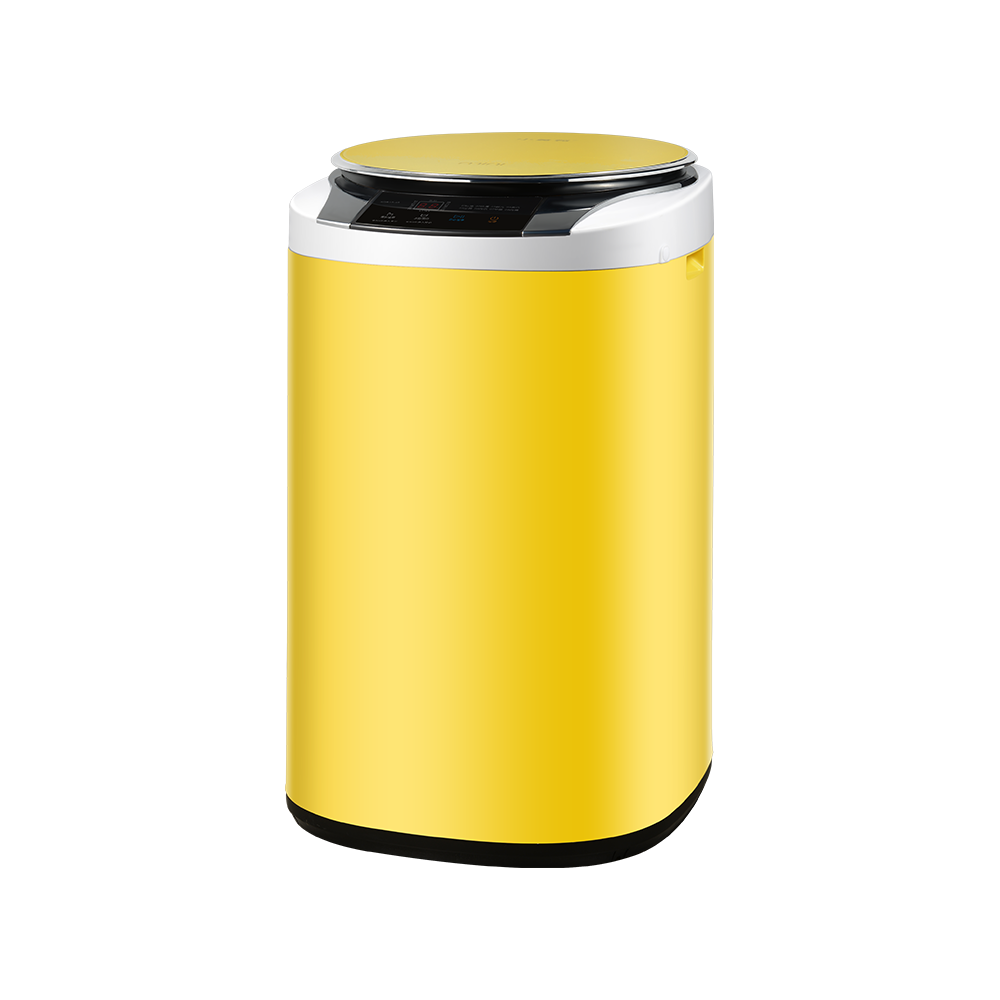
XQB35-655MLeading a new trend of healthy washing, integratin... View More

 Add: No.27 Hongwei Road, East Industrial Park, Guanhaiwei Town, Cixi City, Zhejiang Province, China
 Tel: +86-18520338190
 Tel: 400-8488-955
 Email: [email protected]
Copyright © Ningbo Zhijie Little Yellow Duck Electric Appliance Co., Ltd. All Rights Reserved.

Wholesale Fully Automatic Home Laundry Machine Manufacturers

 English
 عربى
عربى