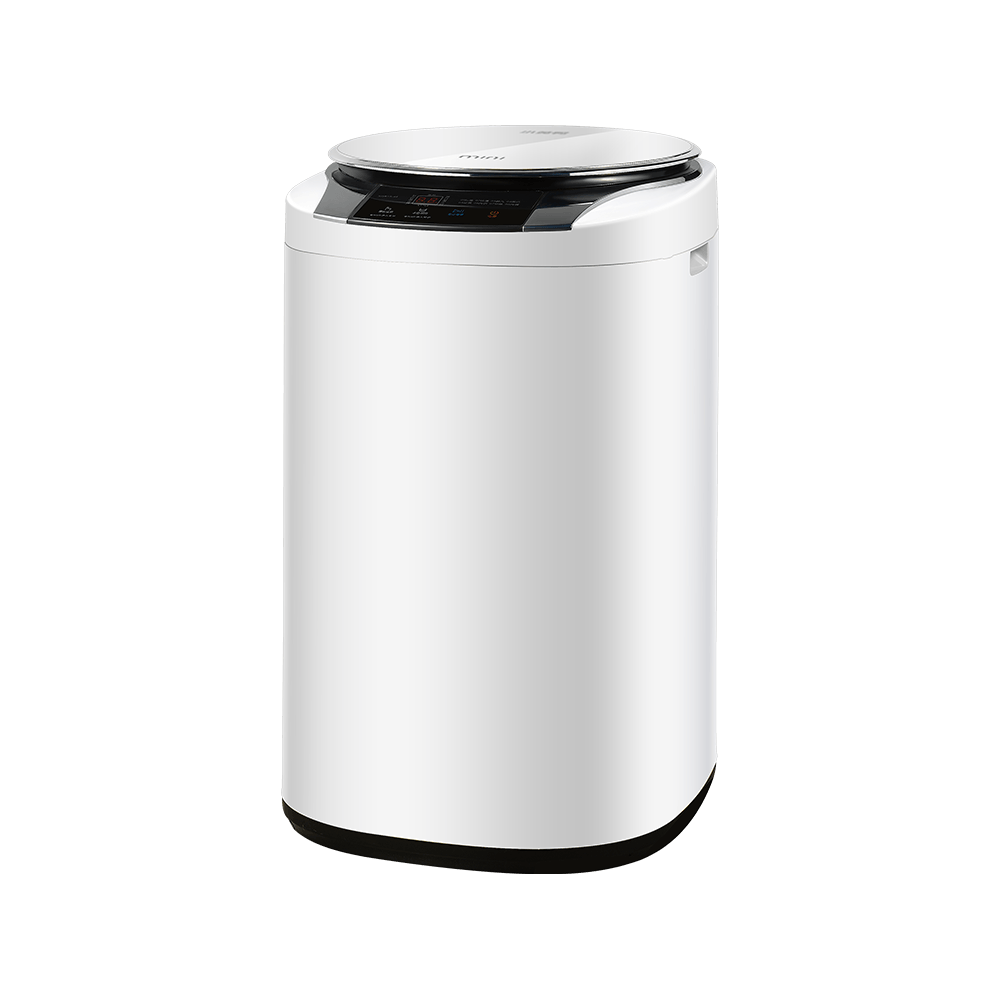
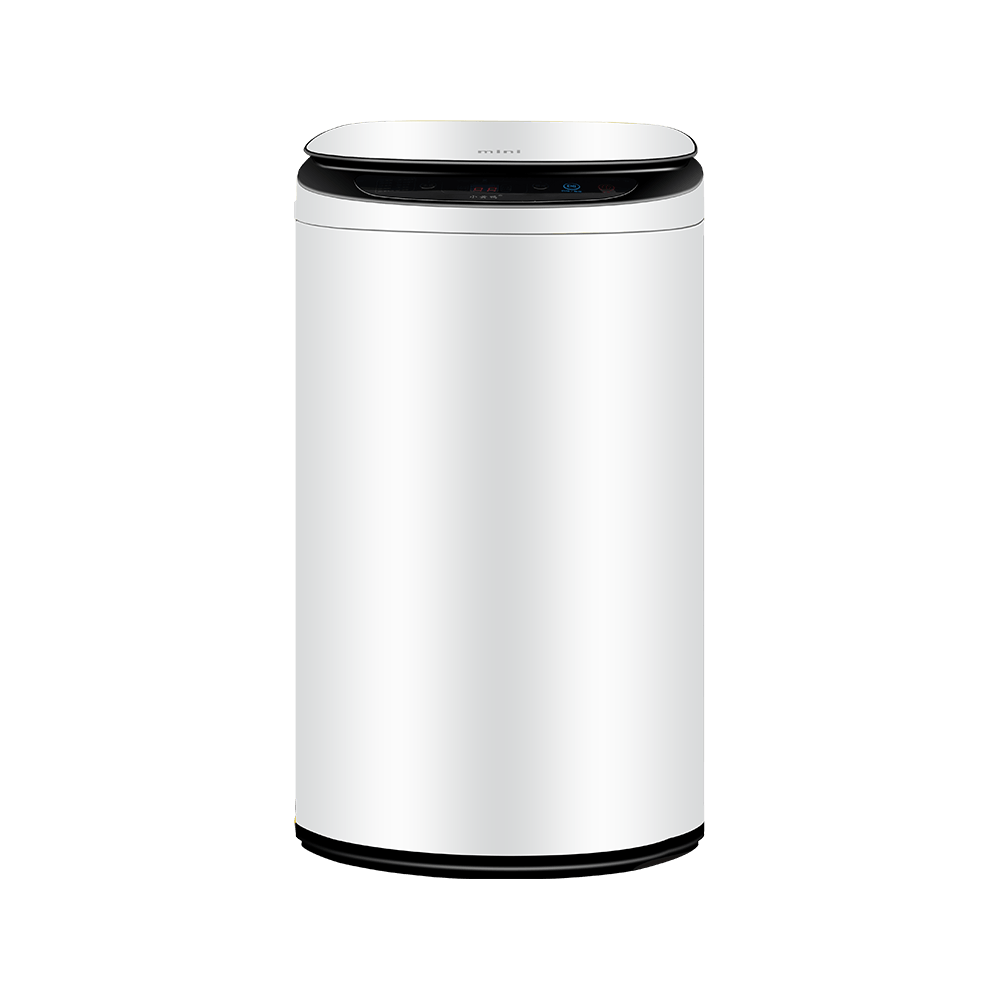
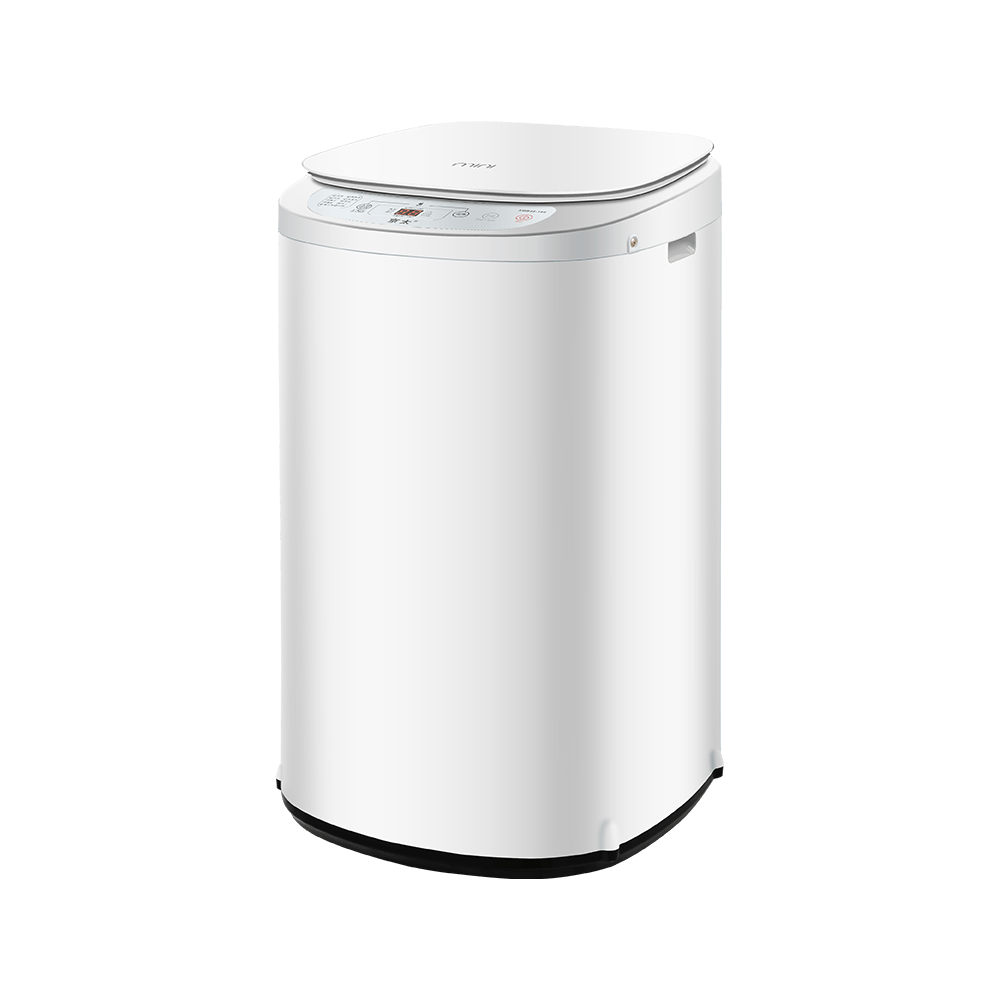
A household that runs two loads of laundry per day can spend several hundred hours each year moving clothes between wash basins, spin dryers, and drying racks—unless the equipment handles the entire process automatically. Fully automatic laundry equipment has grown from a convenience feature into a category with meaningful technical differences: high-temperature washing, blue light sterilization, ozone infusion, integrated drying, and pollution-free drum designs. The right machine is not the most expensive model on the shelf. It is the one whose capacity, technology set, and build quality match the way you actually wash clothes, whether you are buying for a home, a rental property, or a retail channel. This guide walks through the technology options, capacity tiers, and supplier checks that matter most when you compare fully automatic laundry equipment.
A fully automatic washing machine takes a loaded drum and a selected program, then manages the rest of the cycle independently. It measures water intake, controls the wash motion, drains, rinses, and spins, finishing on its own without manual intervention. The user never has to transfer wet clothes between separate tubs or time each phase by hand.
Fully automatic laundry equipment spans a wider range than the traditional top-loader or front-loader. The category now includes compact drum machines with boiling-wash cycles, portable washing machines with sterilization functions, and combination wash-dry units. What they share is a single control point: you set the program, and the machine completes the sequence without you returning to adjust it.
Three capacity tiers dominate the market:
What separates modern fully automatic equipment from older automatic designs is not automation alone but the addition of hygiene-focused technologies once found only in commercial laundry systems.
When you compare fully automatic models, the washing technology is the first differentiator. Most current equipment falls into one or more of the categories below.
| Technology | How It Works | Best Suited For |
|---|---|---|
| High-temperature boiling wash | Heats water to near boiling to break down oils and denature bacteria | Kitchen towels, bedding, baby clothes |
| Blue light sterilization | Uses blue light during the wash to inhibit microbial growth in the drum and on fabric | Everyday family loads, delicates |
| Ozone sterilization | Generates ozone and dissolves it into wash water to oxidize bacteria and odors | Items needing deep disinfection without heavy heat |
| Wash-dry integration | Combines washing and warm-air drying in one unit | Compact homes, humid climates |
No single technology covers every situation. High-temperature washing is effective on heavily soiled fabrics but can be hard on delicate materials. Ozone disinfection works at lower temperatures, saving energy while still neutralizing odors. Blue light provides continuous, low-maintenance hygiene protection that runs alongside a normal wash cycle.
The practical takeaway: choose a model that combines at least one sterilization technology with your regular washing needs. Units that layer high-temperature washing with ozone sterilization, or add a drying function, offer more flexibility in a single appliance.
Selecting the wrong capacity is the most common mistake buyers make. A drum that is too small means more frequent cycles; a unit that is too large wastes water, detergent, and floor space. The chart below shows how capacity recommendations scale with household size.
The table below maps the same capacity bands to realistic usage scenarios.
| Capacity Band | Typical Use | Example Scenarios |
|---|---|---|
| 1.5–2 kg | Single-person households, travel, baby laundry | Small flats, camper vans, delicates, frequent small loads |
| 3.5–4.5 kg | Small families, daily loads | Two- to three-person households, apartment living |
| 5.6 kg and above | Large families, bulk washing | Four-person households, bedding, towels, active wear |
Consider how your load patterns change across the year. Holiday seasons, guest stays, and seasonal bedding all push demand upward. A line with both mini and household sizes—from 1.5 kg up to 5.6 kg—allows distributors to cover multiple segments without working with several factories.
Beyond technology and capacity, practical details determine whether a machine performs reliably over years of use.
For commercial buyers—importers, distributors, and retail chains—these points take on another layer. You are not only evaluating a single unit but also the supplier's quality consistency and willingness to customize. Exterior color, panel design, control layout, and branding all become part of the sourcing conversation. Even the choice between a front-button panel and a touch-screen interface can decide whether a model sells well in one region and poorly in another.
The brand on the front of a fully automatic washer matters less than the factory behind it. A reliable manufacturer maintains dedicated production bases, controls its assembly lines, and keeps a structured product matrix so that spare parts and service documentation stay consistent across batches.
Manufacturers with their own production footprint are better positioned to control quality and delivery. The company behind this site, for example, operates three production bases covering more than 150 mu (about 10 hectares) in Ningbo, a city with a dense appliance supply chain. That kind of footprint matters when a buyer needs consistent output across multiple models, capacities, and color variants in a single order.
Ask direct questions about lead times, minimum order quantities, and how the factory handles after-sales claims. A supplier that stocks common spare parts and provides documentation for each model will save you far more money over the product lifecycle than a slightly cheaper unit that leaves you without support.
Look for a supplier whose product line spans multiple capacities and technology combinations. A matrix that runs from 1.5 kg mini units to 5.6 kg large-capacity models, with high-temperature, blue light, ozone, and wash-dry variants, gives you the flexibility to expand assortment without onboarding multiple factories. It also simplifies after-sales support because the spare parts and service knowledge stay within one organization.
Fully automatic laundry equipment is a mature category, but not a uniform one. The buying decision comes down to matching three things: the technology configuration to your hygiene needs, the drum capacity to your actual load patterns, and the supplier's manufacturing capability to your volume and customization expectations. Start with those three filters, and the right machine—or the right product line—becomes much easier to identify.
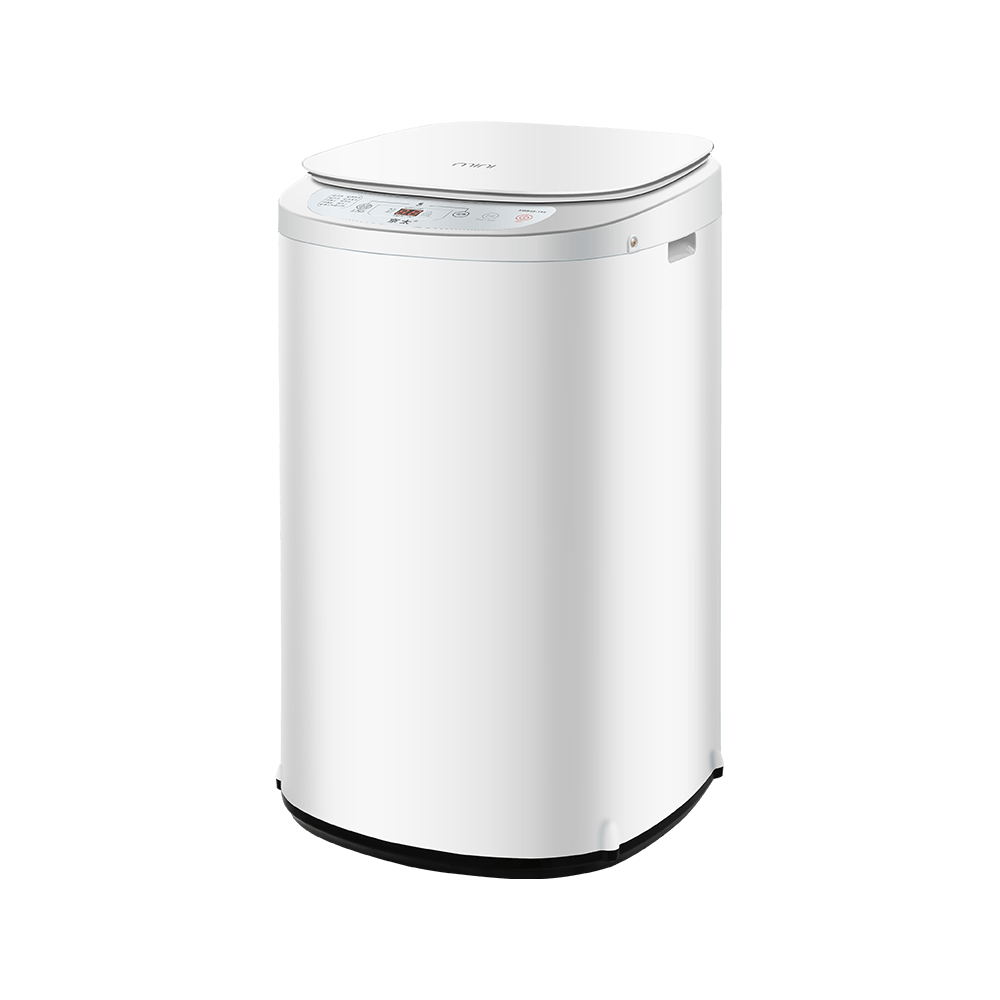
XQB45-188HM[Large capacity design to meet family needs]The 4... View More
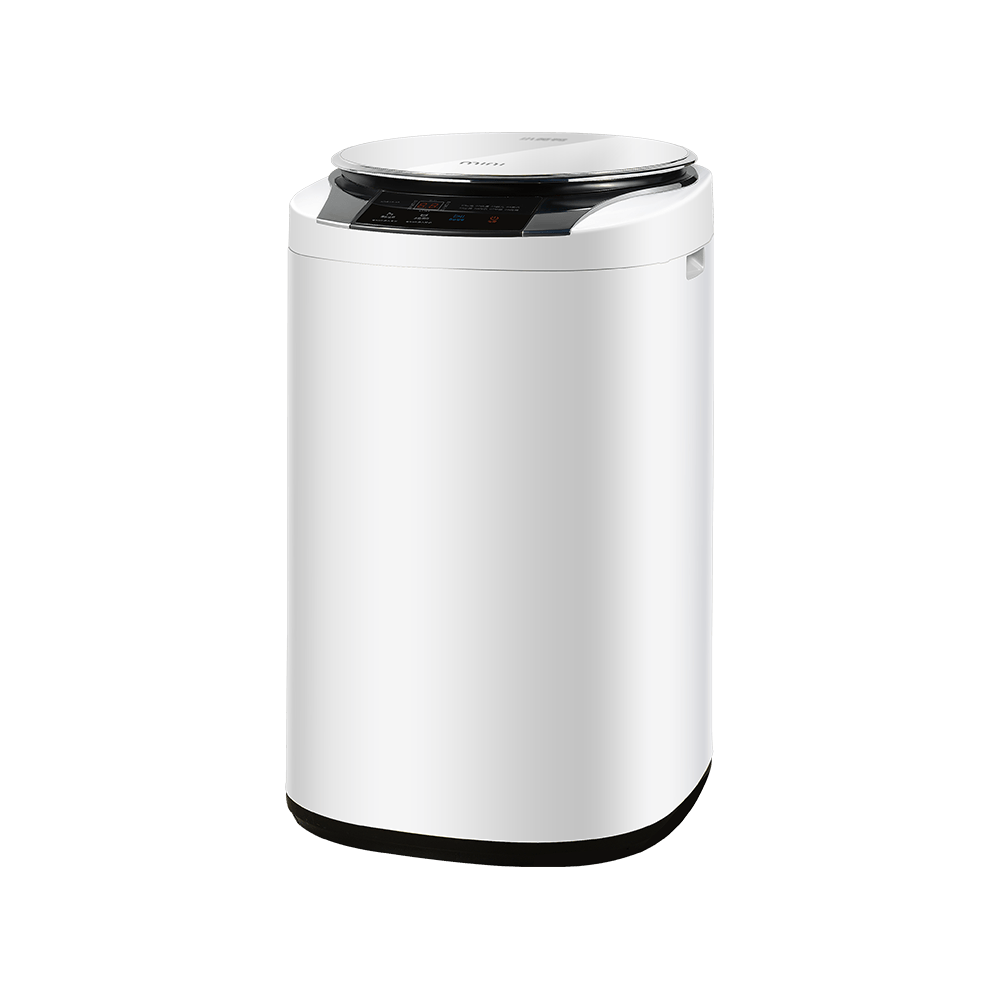
XQB35-166HM[Fashionable watch appearance, elegantly integrat... View More
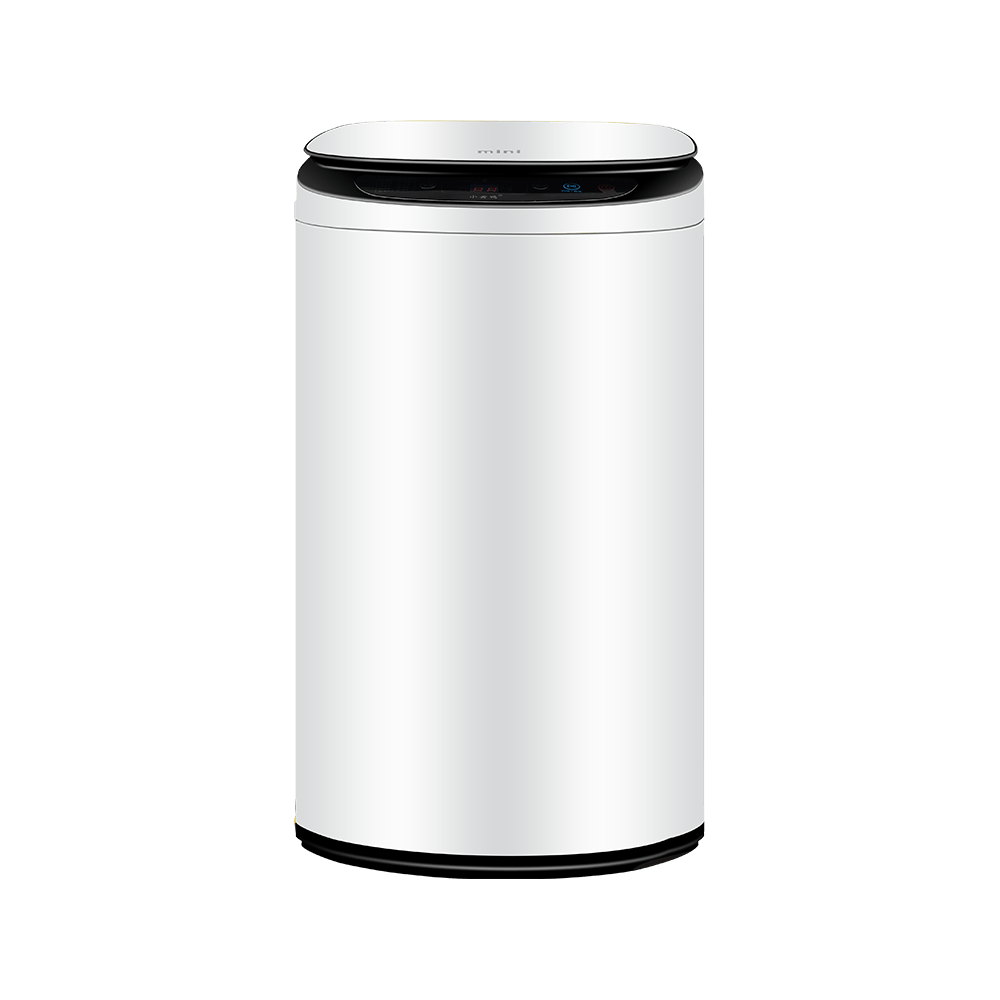
XQB35-188HMThis washing machine is based on innovative high-... View More
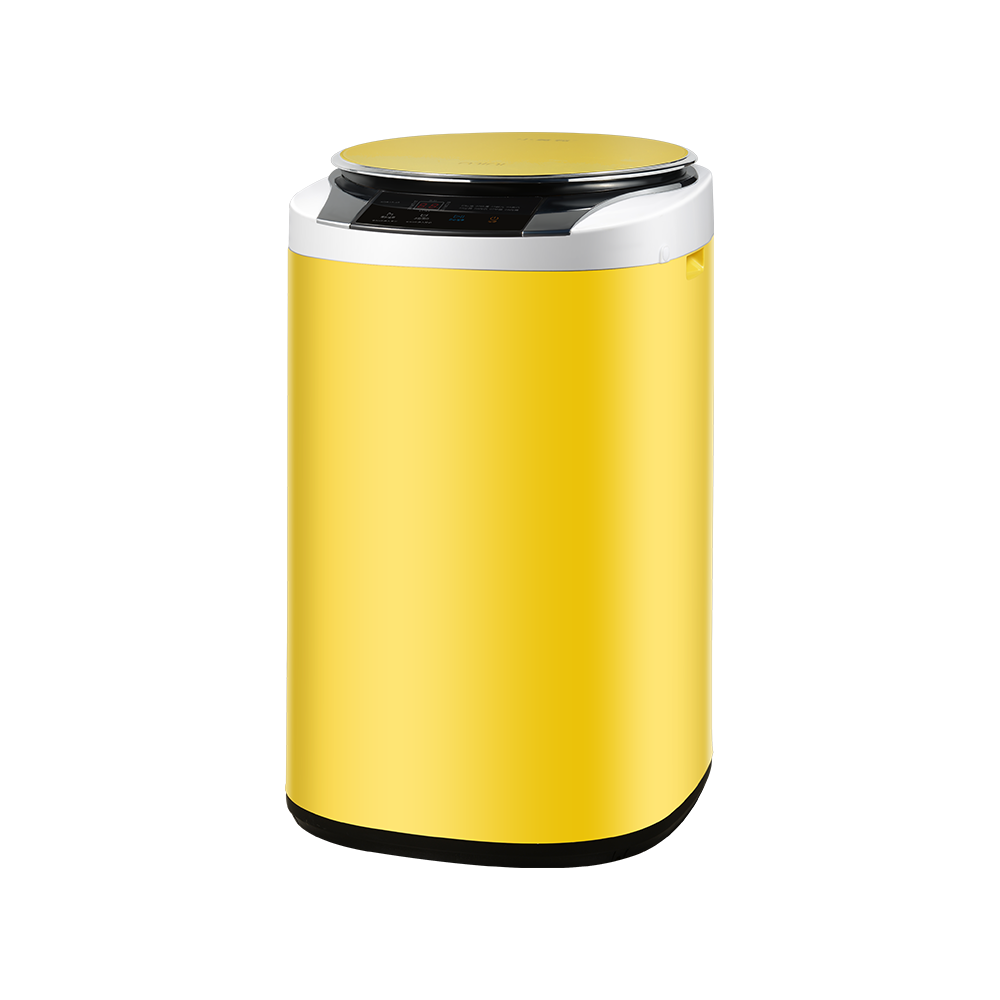
XQB35-655MLeading a new trend of healthy washing, integratin... View More

 Add: No.27 Hongwei Road, East Industrial Park, Guanhaiwei Town, Cixi City, Zhejiang Province, China
 Tel: +86-18520338190
 Tel: 400-8488-955
 Email: [email protected]
Copyright © Ningbo Zhijie Little Yellow Duck Electric Appliance Co., Ltd. All Rights Reserved.

Wholesale Fully Automatic Home Laundry Machine Manufacturers

 English
 عربى